
Pheidole marcidula
- Sci. Name
- Pheidole marcidula
- Tribe
- Attini
- Subfamily
- Myrmicinae
- Author
- Wheeler, 1908
- Distribution
- Found in 2 countries
Introduction
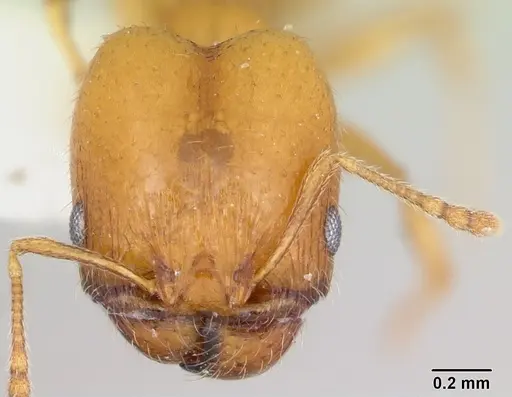
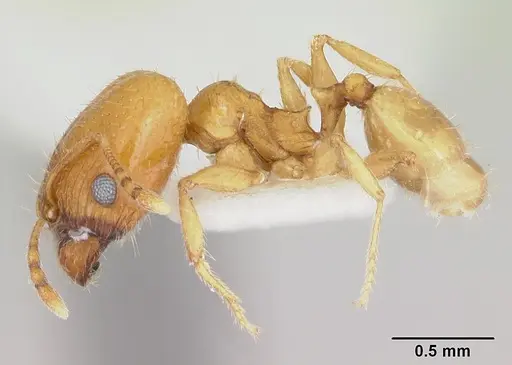
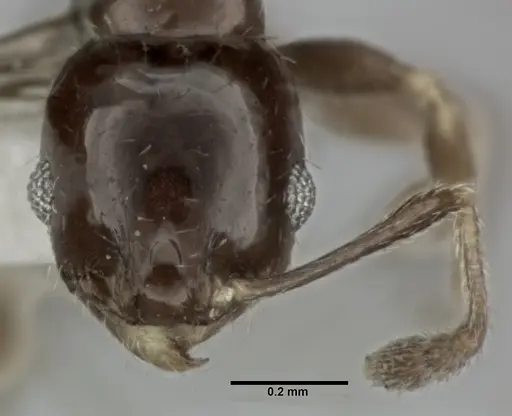
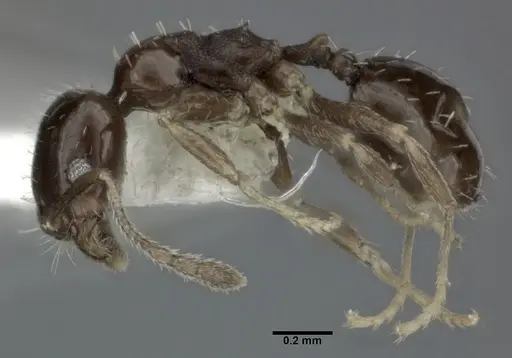
Pheidole marcidula is a small ant species native to the southwestern United States and northern Mexico. Workers have two castes: minor workers and major workers (soldiers), with majors having larger heads typical of Pheidole. The species is found in arid to semi-arid habitats across Texas and Sonora, Mexico . This species belongs to the tribe Pheidolini . Like all Pheidole, colonies maintain distinct minor and major worker castes, with majors handling defense and seed processing.
Quick Summary
- Difficulty: Easy
- Origin & Habitat: Native to the Nearctic region, specifically central Texas (Austin area) and Sonora, Mexico. Found in arid to semi-arid habitats [1][2].
- Colony Type: Colonies likely have a single queen (monogyne), but this is unconfirmed. Workers have minor and major castes.
- Size & Growth:
- Queen: Size data unavailable, inferred from Pheidole genus (~5-7 mm)
- Worker: Size data unavailable, inferred from Pheidole genus (~2-4 mm for minors, ~3-6 mm for majors)
- Colony: Up to a few thousand workers, estimated from genus patterns
- Growth: Moderate
- Development: Estimated 6-8 weeks at warm temperatures, inferred from genus patterns (Development time is inferred from typical Pheidole species)
- Antkeeping:
- Temperature: Keep warm, roughly 24-28°C, based on typical Pheidole patterns from warm climates.
- Humidity: Moderate humidity, allow nest to dry between waterings, based on arid habitat inference.
- Diapause: Likely a mild winter slowdown, inferred from temperate distribution.
- Nesting: Y-tong or plaster nests work well, provide dry to moderately humid chambers.
- Behavior: Generally peaceful and not aggressive toward keepers. They can sting but are not dangerous. Major workers defend the nest with strong jaws. Escape risk is moderate due to small size, use standard barriers.
- Common Issues: colonies may decline if kept too cold, maintain warm temperatures year-round, major workers can block nest entrances when disturbed, this is normal defensive behavior, seed-eating ants need grit to help process hard seeds, dry conditions can cause founding colonies to fail, monitor humidity during claustral founding, wild-caught colonies may have parasites, quarantine new colonies
Housing and Nest Setup
Pheidole marcidula does well in standard ant keeping setups. Test tubes work perfectly for founding colonies, fill one-third with water, plug with cotton, and the queen will seal herself in the dry chamber. Once the colony reaches a reasonable size, you can move them to a Y-tong nest or a small formicarium. These ants prefer compact chambers rather than large open spaces. The nest material should be able to hold some moisture but allow drying between waterings, plaster or Y-tong nests work well. Provide an outworld for foraging where you can offer food.
Feeding and Diet
Like most Pheidole, this species is omnivorous with a preference for seeds. Offer a mix of seeds (grass seeds, millet, broken nuts) that the major workers can crack open with their powerful jaws. Protein is also important, offer small insects like fruit flies, pinhead crickets, or mealworm pieces. Minor workers will collect honeydew or sugar water if offered. Feed seeds continuously and protein 2-3 times per week. Remove uneaten food after 24-48 hours to prevent mold.
Temperature and Seasonal Care
Keep these ants warm during the active season. They come from warm climates, so they handle heat better than cold. During winter in temperate climates, allow a mild cooldown and reduce feeding, this mimics their natural seasonal cycle. Do not feed during the coldest winter months. Avoid temperatures below 15°C as this can harm the colony.
Colony Development
A newly mated queen will seal herself in a claustral chamber and lay her first eggs. She uses stored body fat to survive until the first workers emerge. This process typically takes several weeks in warm conditions. The first workers (nanitics) are smaller than normal minors. Once the colony grows, you'll start seeing major workers with their distinctive large heads.
Frequently Asked Questions
How long does it take for Pheidole marcidula to produce first workers?
Expect first workers in about 6-8 weeks after the queen lays eggs, provided temperatures are warm. This is typical for Pheidole species.
What do I feed Pheidole marcidula?
Offer a mix of seeds (grass seeds, millet, broken nuts) and protein (small insects like fruit flies or mealworms). They also accept sugar water or honey occasionally.
Can I keep multiple queens together?
Pheidole marcidula is likely single-queen (monogyne) in structure. Combining unrelated queens is not recommended as they will likely fight.
What temperature do Pheidole marcidula need?
Keep them warm, roughly 24-28°C. They are from warm climates and do not tolerate cold well.
Do Pheidole marcidula need hibernation?
They benefit from a mild winter cooldown with reduced feeding. This is not a true deep hibernation but a seasonal slowdown.
How big do Pheidole marcidula colonies get?
Based on typical Pheidole patterns, colonies likely reach up to a few thousand workers.
When should I move Pheidole marcidula to a formicarium?
Move them once the test tube colony has established. A Y-tong or small plaster nest works well for their size.
Why are my major workers blocking the nest entrance?
This is normal defensive behavior, major workers guard the nest entrance. This is nothing to worry about and shows a healthy, defensive colony.
Are Pheidole marcidula good for beginners?
Yes, this species is considered easy to keep. They are forgiving of minor care mistakes, not aggressive, and straightforward to feed.
Report an Issue
The current care sheet is based fully on literature. See inconsistencies, or something that's incorrect? Please , it will be resolved after review from an admin. Contributing to the blogs tab also helps providing information, to make us be able to further improve the caresheets. Thank you for your support!
References

This caresheet is licensed under CC BY-SA 4.0 .
Community Blogs
CASENT0172966
View on AntWeb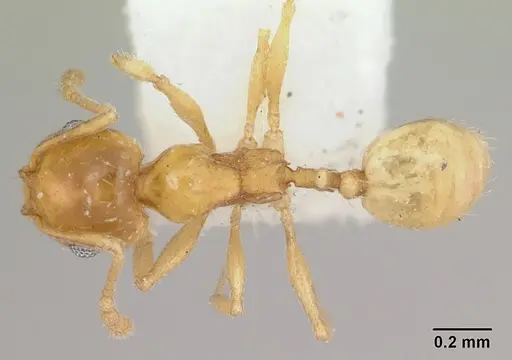
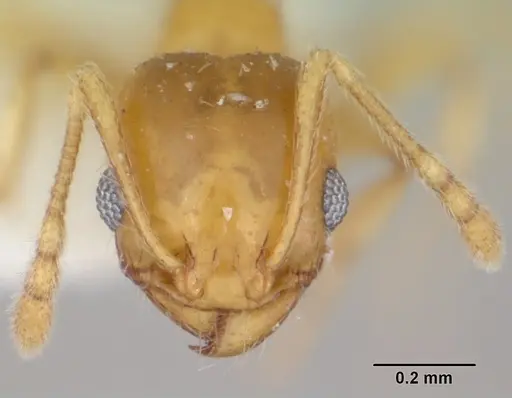
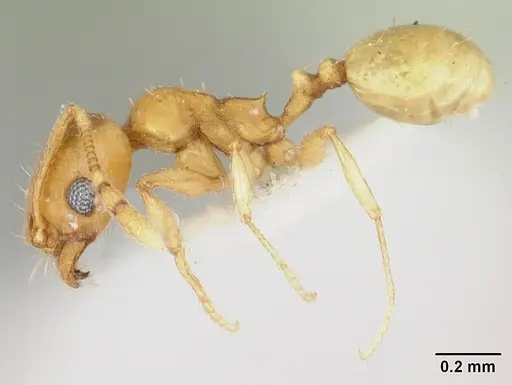
CASENT0172967
View on AntWeb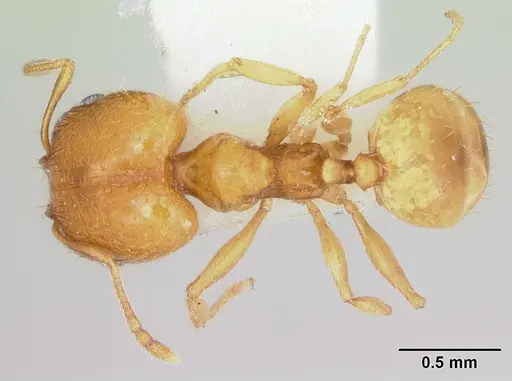
CASENT0172968
View on AntWeb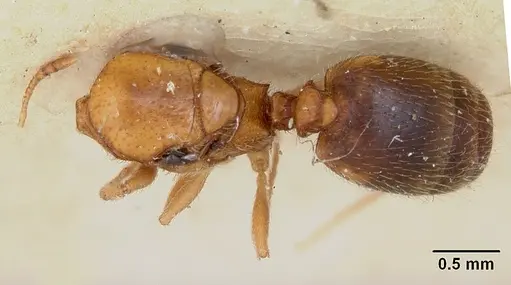
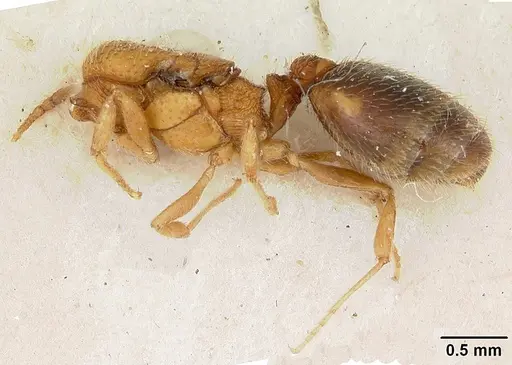
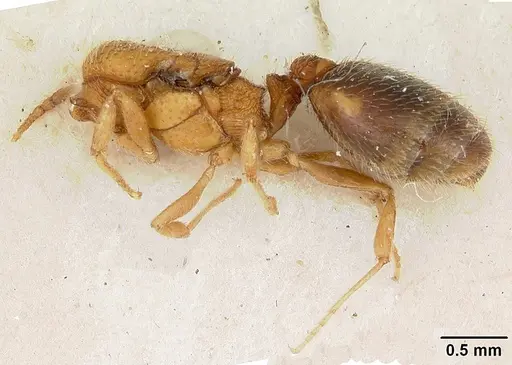
CASENT0246105
View on AntWeb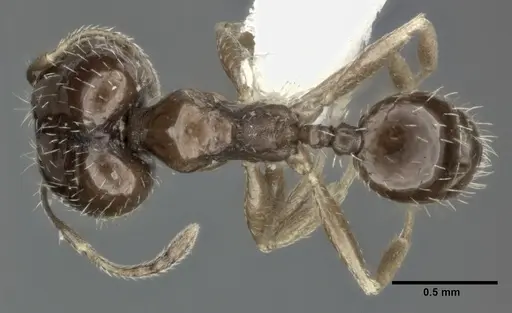
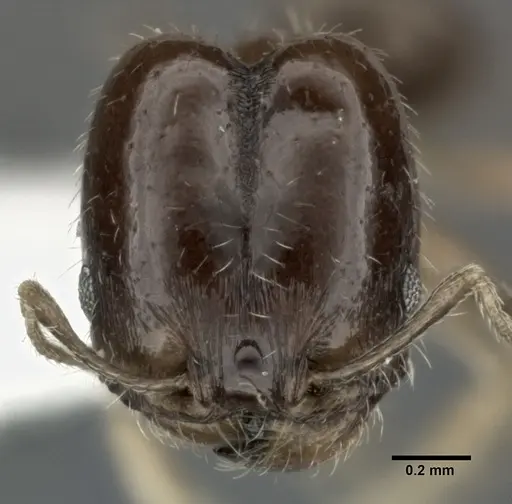
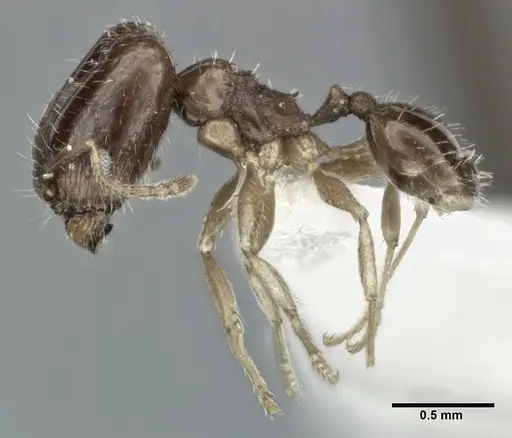
CASENT0246106
View on AntWeb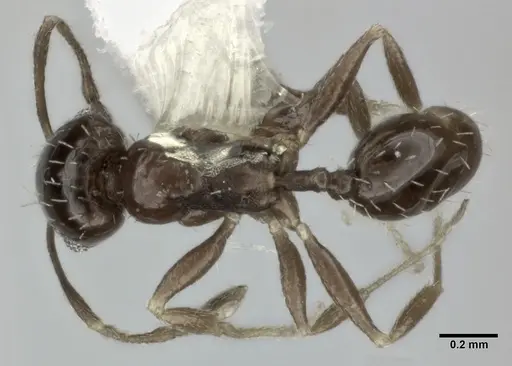
Literature
Loading distribution map...Loading products...