
Pheidole mantadia
- Sci. Name
- Pheidole mantadia
- Tribe
- Attini
- Subfamily
- Myrmicinae
- Author
- Salata & Fisher, 2020
- Distribution
- Found in 1 countries
Introduction
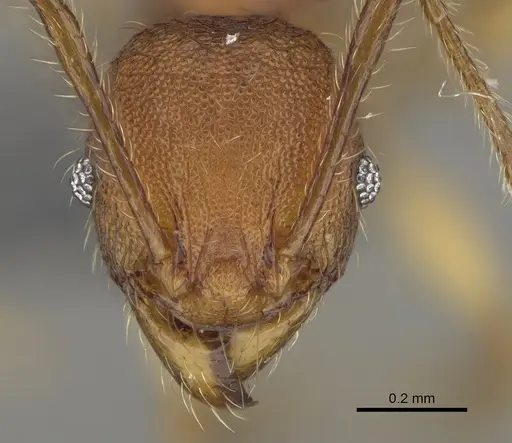
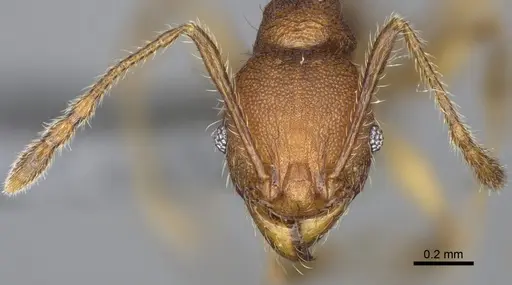
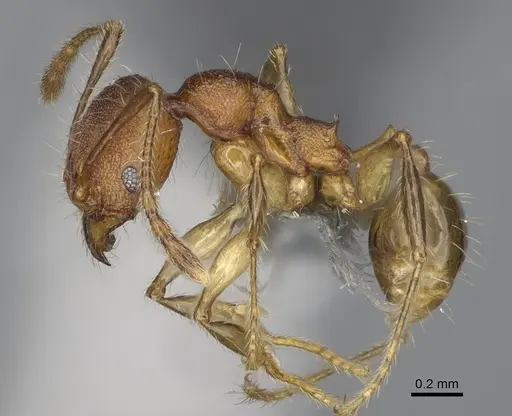
Pheidole mantadia is a small ant species native to Madagascar, described in 2020 . It belongs to the Pheidole curvistriata species group and has two worker castes: majors with rectangular heads that slightly widen posteriorly, and minors with oval heads . Size data for total body length is unavailable. The species was discovered at 939 m elevation in rainforest habitat, nesting in rotting logs . This species is dimorphic, with majors specializing in seed processing and colony defense .
Quick Summary
- Difficulty: Medium
- Origin & Habitat: Endemic to Madagascar, found at 939 m elevation in rainforest habitat, nesting in rotting logs [1].
- Colony Type: Based on Pheidole genus patterns, likely monogyne (single queen colonies).
- Size & Growth:
- Queen: Size data unavailable
- Worker: Size data unavailable
- Colony: Unknown, no specific data for this species
- Growth: Moderate, inferred from genus patterns
- Development: Estimated 6-8 weeks at optimal temperature, inferred from Pheidole patterns (Development time may vary based on temperature and colony conditions.)
- Antkeeping:
- Temperature: Keep warm, roughly 22-26°C, inferred from rainforest habitat
- Humidity: Keep substrate moderately moist, inferred from natural nesting in rotting wood
- Diapause: No diapause required, inferred from tropical habitat [1]
- Nesting: Provide nests that hold moisture, such as Y-tong or plaster nests, based on natural rotting wood habitat [1].
- Behavior: Pheidole mantadia workers are not aggressive toward keepers. Major workers can deliver a mild sting if threatened, as they belong to the sting-capable subfamily Myrmicinae. Escape prevention is important as they can climb smooth surfaces.
- Common Issues: temperatures below 18°C can stall colony development, high humidity without ventilation can cause mold in nests, major workers may take months to appear, confusing beginners, wild-caught colonies may carry parasites
Housing and Nest Setup
Pheidole mantadia does well in naturalistic setups that mimic their natural rotting wood habitat [1]. Use Y-tong or plaster nests that hold moisture, as acrylic nests are not recommended [2]. Provide a foraging area with deep substrate if offering seeds, as majors need space to process them. Test tube setups work for founding colonies, but move to a proper nest once the colony reaches 20-30 workers [2]. Escape prevention is important, use fluon barriers on smooth surfaces [2].
Feeding and Diet
Feed a mix of seeds (e.g., millet, chia) and protein sources (e.g., dead insects, mealworms) [2]. Offer sugar water or honey occasionally, but prioritize protein for growing colonies. Remove uneaten food after 2-3 days to prevent mold. Provide a constant water source, such as a test tube with cotton [2].
Temperature and Seasonal Care
Keep the colony at roughly 22-26°C, inferred from rainforest habitat [1]. Avoid temperatures below 18°C or above 30°C for extended periods. Use a heating cable to create a temperature gradient. No diapause is required for this tropical species [1].
Colony Development and Castes
Pheidole mantadia is dimorphic, with majors appearing after the colony establishes a minor worker population [2]. Majors have enlarged heads for seed processing and defense. Do not be alarmed if majors take several months to appear, as this is normal for Pheidole species [2].
Behavior and Observation
Workers are active foragers that search methodically. Minors handle most tasks, while majors specialize in seed processing and defense. Major workers can deliver a mild sting if threatened, but they are not aggressive toward keepers. Observe how the colony coordinates foraging using chemical trails [2].
Frequently Asked Questions
How long does it take for Pheidole mantadia to produce first workers?
Time to first workers is unknown for this species, but based on related Pheidole, it may take 6-8 weeks at optimal temperature.
When will my colony produce major workers?
Major workers typically appear after the colony has established a minor worker population, which can take several months [2].
Can I keep multiple Pheidole mantadia queens together?
Not recommended, as Pheidole species are typically monogyne.
What do I feed Pheidole mantadia?
Offer a varied diet including seeds and protein sources [2].
Are Pheidole mantadia good for beginners?
This species is rated medium difficulty based on care requirements.
Do Pheidole mantadia need hibernation?
No, true hibernation is not required for this tropical species.
When should I move my colony to a formicarium?
Move when the colony reaches 20-30 workers or when the test tube water runs low [2].
Why are my Pheidole mantadia dying?
Common causes include improper temperature, humidity, or mold.
How big do Pheidole mantadia colonies get?
Maximum colony size is unknown, but typical Pheidole colonies reach several hundred workers.
Report an Issue
The current care sheet is based fully on literature. See inconsistencies, or something that's incorrect? Please , it will be resolved after review from an admin. Contributing to the blogs tab also helps providing information, to make us be able to further improve the caresheets. Thank you for your support!
References

This caresheet is licensed under CC BY-SA 4.0 .
Community Blogs
CASENT0297006
View on AntWeb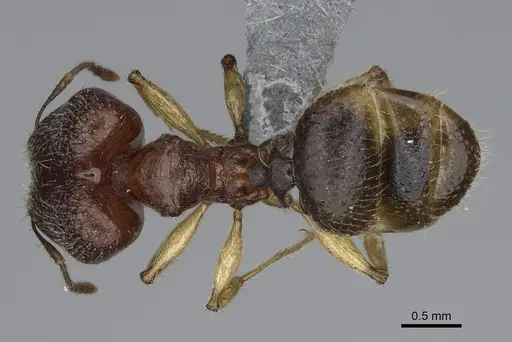
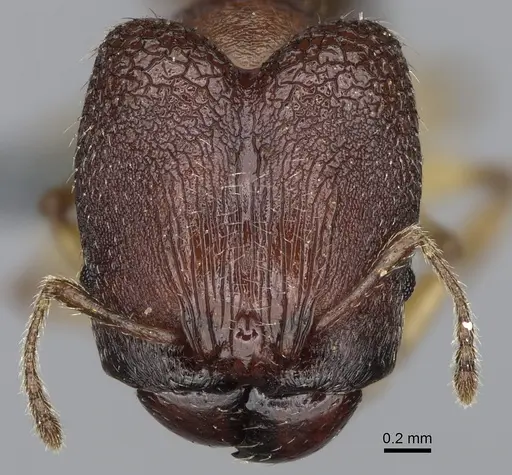
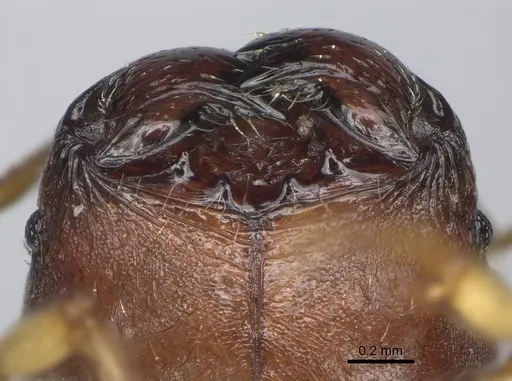
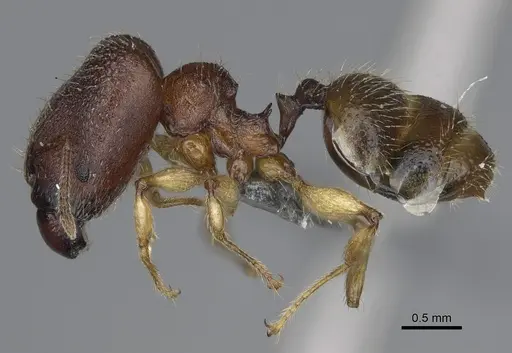
CASENT0923169
View on AntWeb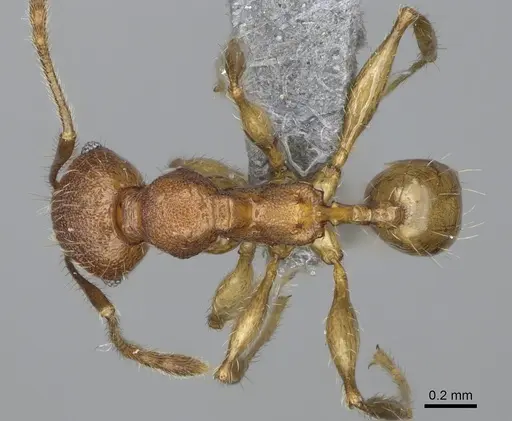
Literature
Loading distribution map...Loading products...