
Pheidole manantenina
- Sci. Name
- Pheidole manantenina
- Tribe
- Attini
- Subfamily
- Myrmicinae
- Author
- Salata & Fisher, 2020
- Distribution
- Found in 1 countries
Introduction
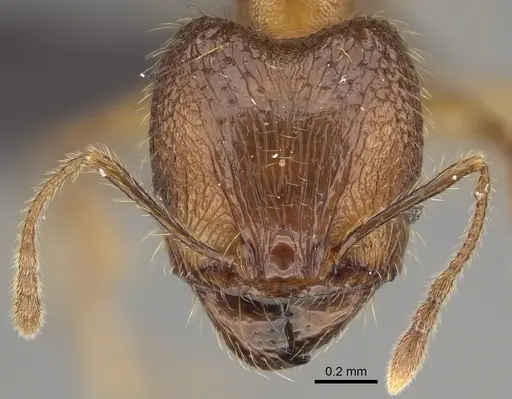
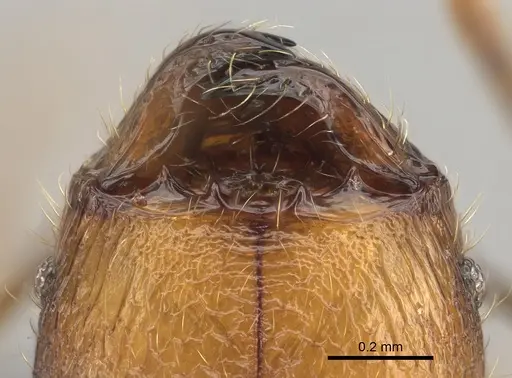
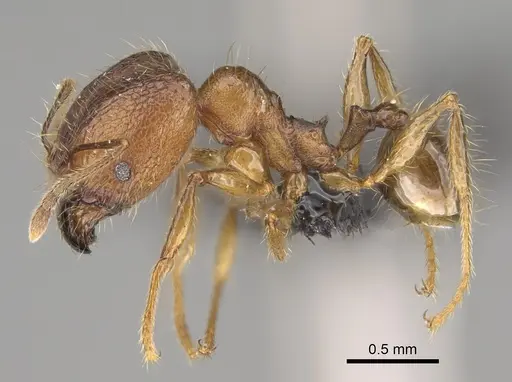
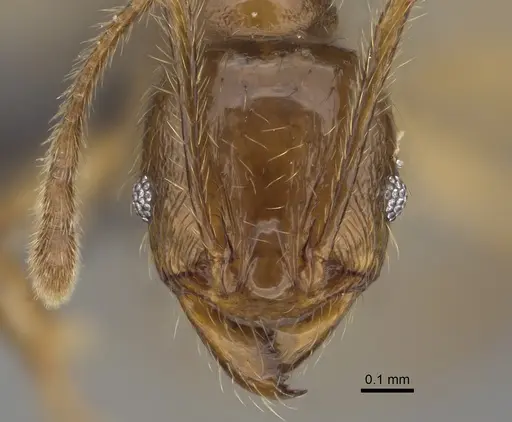
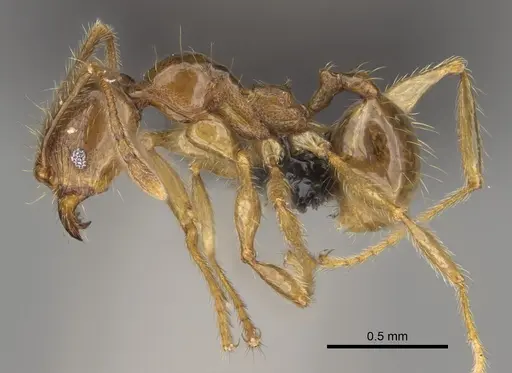
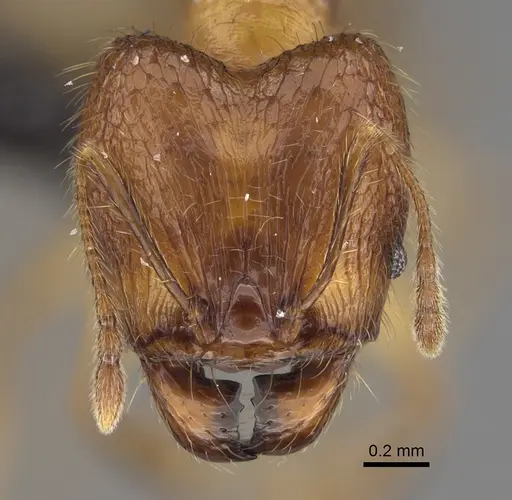
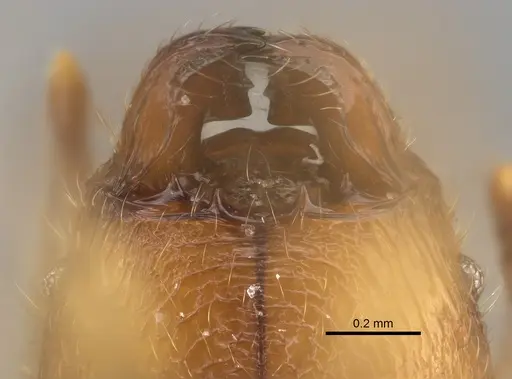
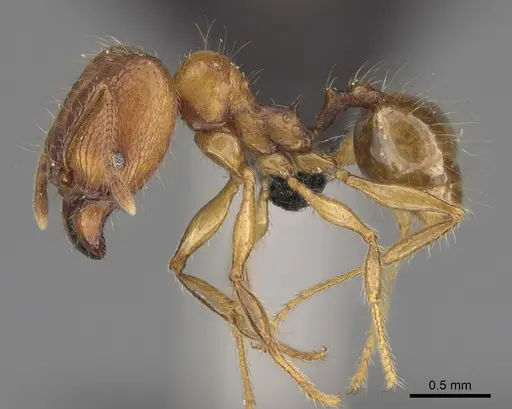
Pheidole manantenina is a moderately large ant species from the sikorae species group, described in 2020. Major workers have a dark orange to brown body, while minor workers are brown to dark brown . This species is endemic to Madagascar, found only in the Parc National de Marojejy in the Antsiranana region. It inhabits montane shrublands and montane rainforest at elevations between 1575-2000 meters . Nests are located in rotten logs, under moss, and in root mats .
Quick Summary
- Difficulty: Medium
- Origin & Habitat: Madagascar, Parc National de Marojejy in Antsiranana province. Found in montane shrublands and montane rainforest at 1575-2000m elevation [1].
- Colony Type: Unconfirmed, research does not specify whether colonies are monogyne or polygyne.
- Size & Growth:
- Queen: Size data unavailable, no total length measurements in research. Inferred from Pheidole genus as ~6-8mm
- Worker: Size data unavailable, no total length measurements in research. Inferred from Pheidole genus as ~2-4mm for minors, ~3-5mm for majors
- Colony: Unknown, research does not provide colony size data
- Growth: Moderate, inferred from genus patterns
- Development: 6-10 weeks, inferred from typical Pheidole development at optimal temperature (Development time inferred from genus-level data, specific timeline for this species unconfirmed)
- Antkeeping:
- Temperature: Based on montane habitat (1575-2000m), likely prefer cool temperatures around 18-22°C [1]
- Humidity: High humidity required, from montane rainforest habitat, keep substrate consistently moist but not waterlogged [1]
- Diapause: Likely, montane species may benefit from a cool period, but unconfirmed [1]
- Nesting: Prefer naturalistic setups with damp substrate, mimicking rotten logs and moss [1]
- Behavior: Temperament unconfirmed, but based on Pheidole patterns, typically calm. Major workers have a sting based on subfamily (Myrmicinae), but are not aggressive. Escape risk is high due to small minor workers.
- Common Issues: overheating can be fatal, keep temperatures below 25°C [1]., dry conditions can harm colonies, maintain high humidity [1]., small minor workers can escape, use fine mesh barriers., colony founding may take time, be patient during early stages.
Nest Preferences
In the wild, Pheidole manantenina nests in rotten logs, under moss, and in root mats at elevations between 1575-2000 meters [1]. You should provide a naturalistic setup with damp substrate to mimic these conditions. Use Y-tong or plaster nests with moist chambers, and avoid dry environments or direct sunlight [1].
Temperature and Care
This species prefers cool temperatures due to its montane habitat. You should keep the nest around 18-22°C and avoid exposure above 25°C [1]. Create a slight temperature gradient if needed, but never use direct heat sources.
Behavior and Temperament
Pheidole manantenina has major and minor workers, with majors likely handling defense and seed processing. Based on subfamily patterns, they possess a sting but are not aggressive. Escape risk is high because minor workers are small, use fine mesh barriers and secure lids.
Frequently Asked Questions
What temperature do Pheidole manantenina ants need?
Keep them cool, aim for 18-22°C. This is based on their montane habitat in Madagascar [1]. Never expose them to temperatures above 25°C.
Are Pheidole manantenina ants good for beginners?
This is a medium-difficulty species. The main challenges are maintaining cool temperatures and high humidity, which may be difficult for beginners.
Report an Issue
The current care sheet is based fully on literature. See inconsistencies, or something that's incorrect? Please , it will be resolved after review from an admin. Contributing to the blogs tab also helps providing information, to make us be able to further improve the caresheets. Thank you for your support!
References

This caresheet is licensed under CC BY-SA 4.0 .
Community Blogs
CASENT0487100
View on AntWeb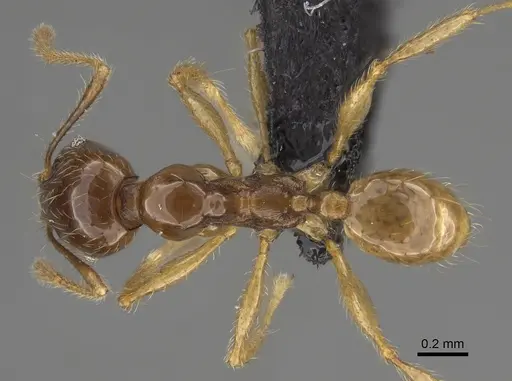
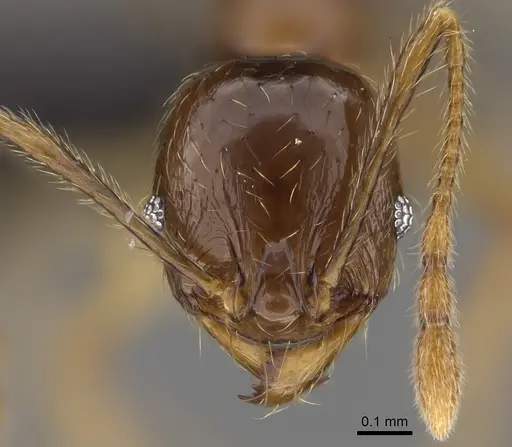
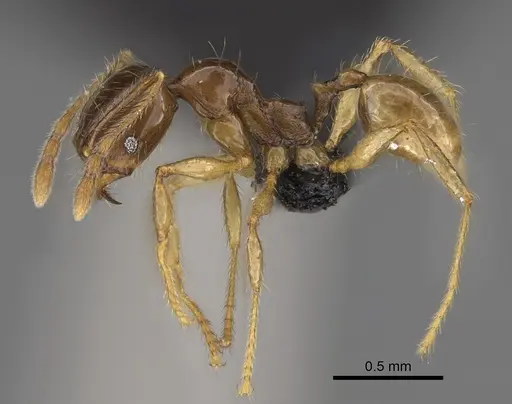
CASENT0487153
View on AntWeb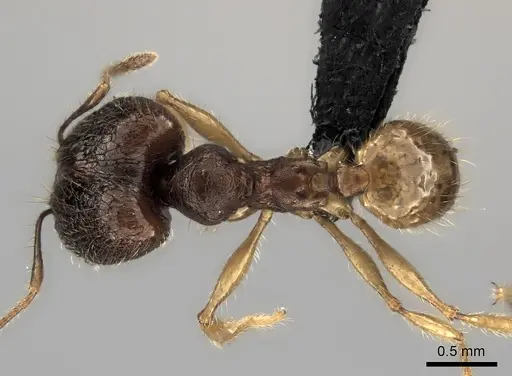
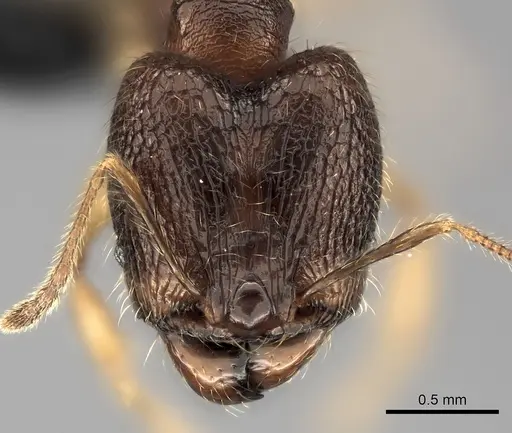
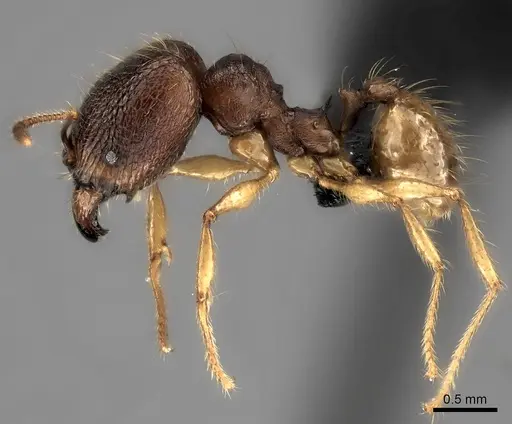
CASENT0487181
View on AntWeb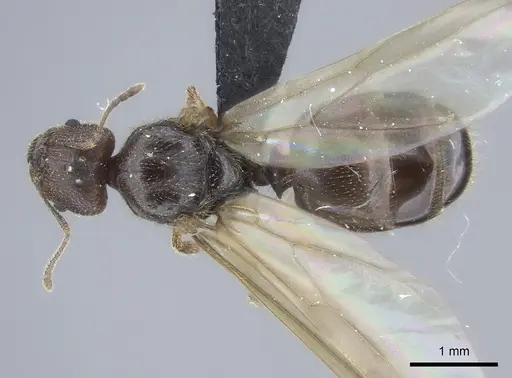
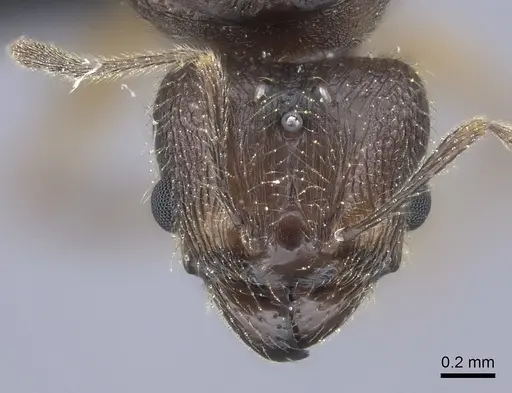
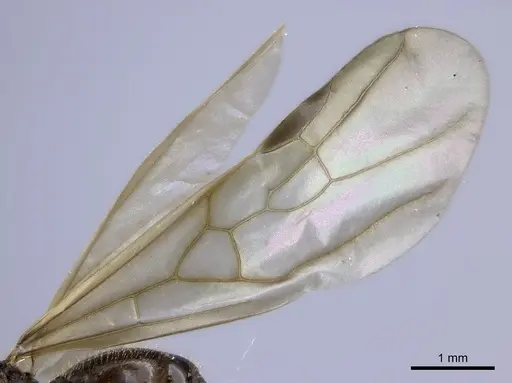
CASENT0487184
View on AntWeb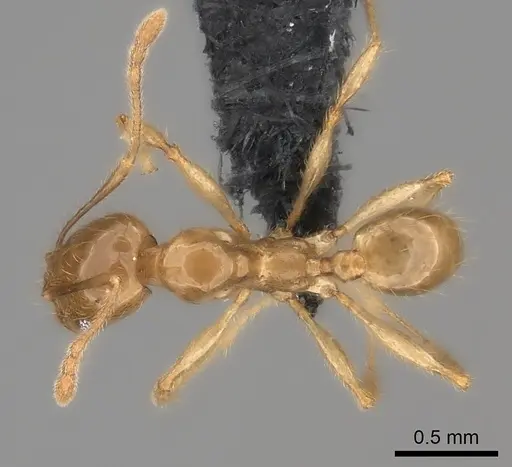
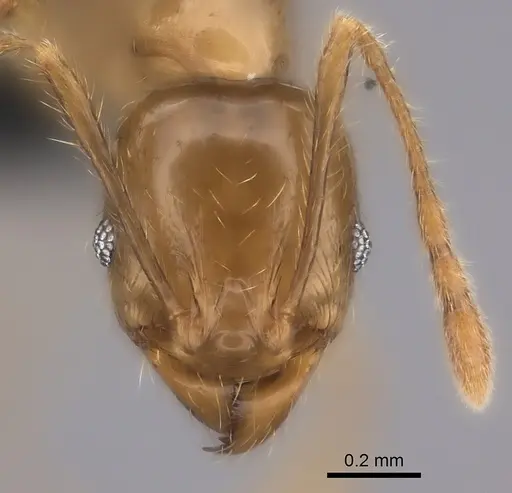
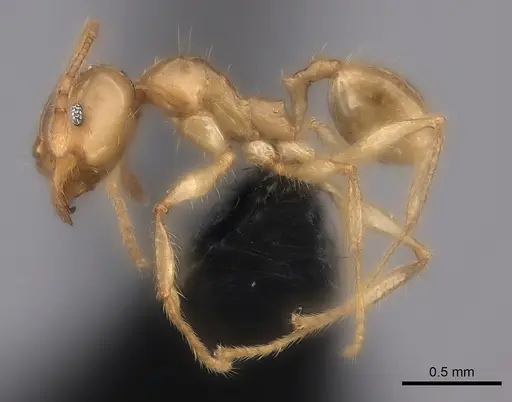
CASENT0809555
View on AntWeb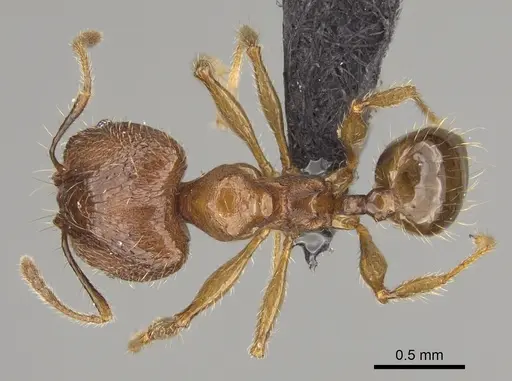
CASENT0923287
View on AntWeb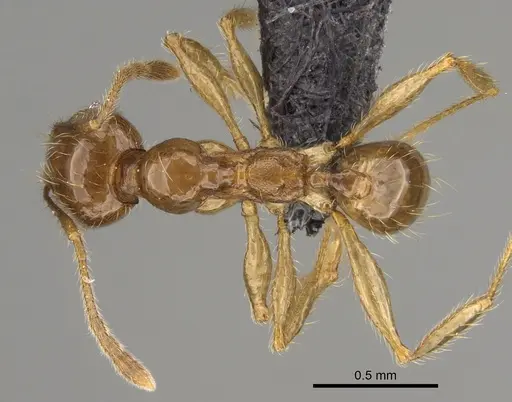
CASENT0923299
View on AntWeb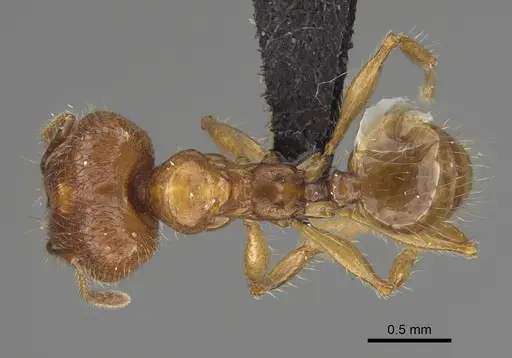
Literature
Loading distribution map...Loading products...