
Pheidole mamore
- Sci. Name
- Pheidole mamore
- Tribe
- Attini
- Subfamily
- Myrmicinae
- Author
- Mann, 1916
- Distribution
- Found in 6 countries
Introduction
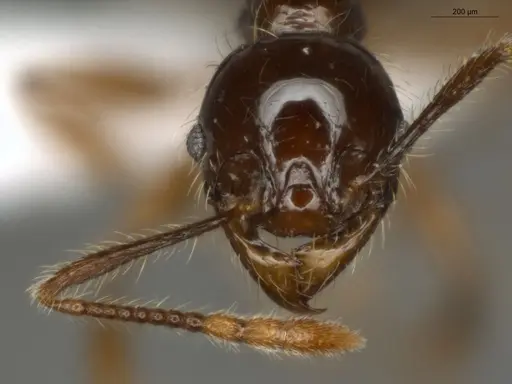
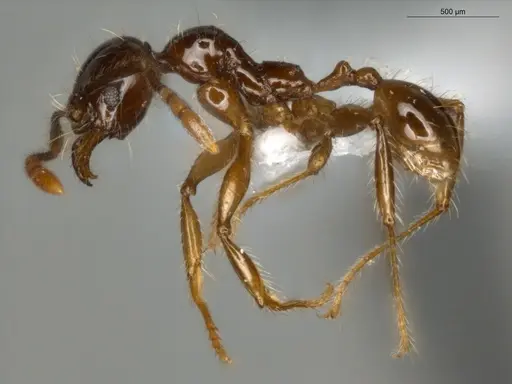
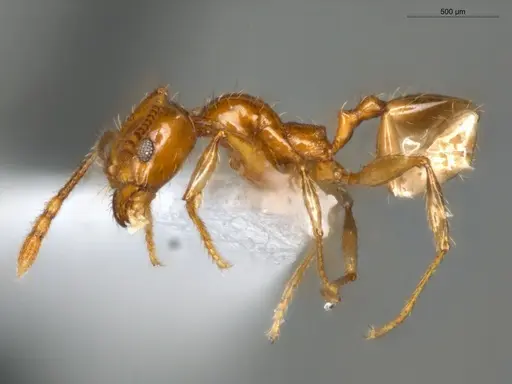
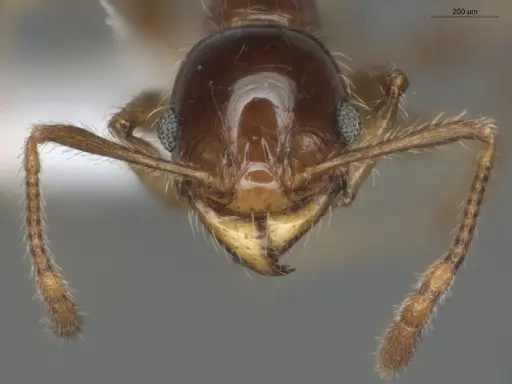
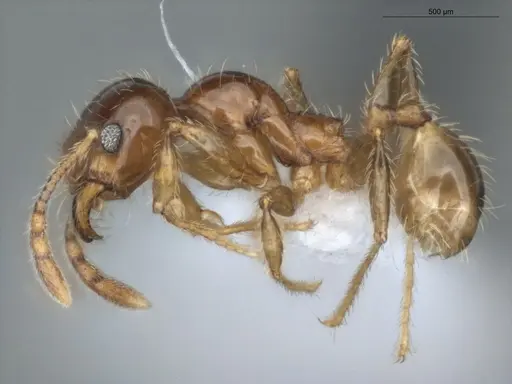
Pheidole mamore is a Neotropical ant species found in the Amazon basin. It features a strongly polymorphic worker caste with distinct major (soldier) and minor workers . Majors are medium to dark reddish-brown with rugoreticulum on the head, while minors are smooth, shining, and plain chocolate brown . The species nests in small twigs and pieces of rotten wood on the forest floor . It was elevated from a subspecies of Pheidole guilelmimuelleri to full species status by Wilson in 2003 . Size data unavailable - inferred from Pheidole genus.
Quick Summary
- Difficulty: Medium
- Origin & Habitat: Amazon basin in South America, Brazil (Rondônia, Amazonas), Peru, Suriname, Guyana, and French Guiana. Colonies nest in small twigs and rotten wood on the floor of primary rainforest [1][2].
- Colony Type: Facultatively polygynous, multiple queens are found in the same nesting twig, though monogyne colonies also occur [1][3].
- Size & Growth:
- Queen: Size data unavailable.
- Worker: Size data unavailable, inferred from Pheidole genus (~5-8mm for majors, ~3-4mm for minors).
- Colony: Up to 169 workers [1].
- Growth: Moderate
- Development: 6-10 weeks, estimated based on typical Pheidole genus patterns in tropical conditions (Development times not directly studied for this species, estimates based on related Pheidole species in similar habitats)
- Antkeeping:
- Temperature: 24-28°C, tropical Amazonian ants requiring warm conditions year-round. A gentle gradient is recommended with one side slightly warmer.
- Humidity: High humidity required. Keep the nest substrate consistently moist but not waterlogged. Provide a water tube for drinking water.
- Diapause: No, as a tropical species, they do not require hibernation. Maintain warm conditions year-round.
- Nesting: In nature they nest in small twigs (1.2-1.4cm diameter) and rotten wood on the forest floor [1]. In captivity, use Y-tong, plaster, soil nests, or 3D-printed nests with small chambers. Avoid large open spaces. Keep nesting material moist.
- Behavior: Active foragers. Majors (soldiers) guard the nest and process larger food items, while minors handle most foraging and brood care. They are not overly aggressive but will defend the colony vigorously if threatened. Escape prevention is critical due to their small size, use fine mesh barriers. They are ground-nesting and likely forage on the forest floor [1].
- Common Issues: escape prevention is critical, their very small size means they can squeeze through standard barriers, colonies are relatively small (up to 169 workers) so growth may seem slow to impatient keepers, high humidity requirements can lead to mold if ventilation is poor, multiple queens may cause initial tension, monitor during colony integration, wild-caught colonies may have parasites that affect captive survival
Housing and Nest Setup
Pheidole mamore naturally nests in small twigs and pieces of rotten wood on the rainforest floor, typically in twigs with diameters of 1.2-1.4cm [1]. For captive care, provide a nest with chambers appropriately sized for their small colony size. Y-tong nests, plaster nests, soil nests, or 3D-printed nests work well. The key is matching chamber size to colony size, these ants don't need large spaces. Keep the nesting material consistently moist but never waterlogged. A small water tube connected to the nest helps maintain humidity and provides drinking water. Because of their tiny size, ensure all connections and barriers are tight-fitting to prevent escapes.
Feeding and Diet
Like other Pheidole species, Pheidole mamore is omnivorous with a preference for protein sources. In their natural habitat, they forage for small insects and other arthropods on the forest floor. Offer protein foods like small crickets, fruit flies, mealworms, or other appropriately-sized insects 2-3 times per week. They will also accept sugar sources such as honey water or sugar water, though protein should form the bulk of their diet. Remove uneaten prey after 24-48 hours to prevent mold. Fresh water should always be available. [1]
Temperature and Humidity
As Amazonian rainforest ants, Pheidole mamore requires warm and humid conditions. Maintain temperatures between 24-28°C year-round, they do not tolerate cool conditions. A heating cable on one side of the nest can create a gentle temperature gradient if your room temperature is below this range. Place the heating on top of the nest, not underneath, to avoid drying out the substrate. Humidity should be high, the nest material should feel consistently damp to the touch. These ants come from a perpetually humid forest environment, so dry conditions will stress them and slow colony development. However, balance humidity with adequate ventilation to prevent mold growth. [1]
Colony Structure and Development
This species exhibits facultatively polygynous colony structure in the wild, with multiple queens (1-2 observed) found in the same nesting twig [1]. However, monogyne colonies are also possible [3]. Colonies are relatively small compared to many Pheidole species, averaging around 50 workers with 0-119 soldiers (majors). The colony size range is up to 169 workers [1]. They have a strongly polymorphic worker caste, majors (soldiers) are significantly larger and serve as defenders and food processors, while minors handle most foraging and brood care. This division of labor is a key characteristic of the genus Pheidole.
Behavior and Defense
Pheidole mamore displays typical Pheidole behavior with clear caste differentiation. Minor workers handle most daily activities including foraging, brood care, and nest maintenance, while major workers (soldiers) specialize in defense and processing larger food items. When the nest is disturbed, majors will rush to defend while minors evacuate brood. They are not particularly aggressive toward humans but will bite if handled roughly. Their small size makes them adept at finding escape routes, use fine mesh (at least 0.5mm) on all openings and consider applying fluon to barrier edges. The colony forages actively on the ground surface, searching for small prey and sweet substances. As a Myrmicinae ant, it possesses a functional stinger, though the sting is rarely noticeable to humans due to their small size. [1]
Frequently Asked Questions
How long does it take for Pheidole mamore to produce first workers?
Expect 6-10 weeks from egg to first worker under optimal conditions (24-28°C). This is based on typical Pheidole genus development patterns, as specific development times have not been documented for this species. The first workers (nanitics) will be smaller than normal workers but should quickly be replaced by larger individuals as the colony grows.
Can I keep multiple Pheidole mamore queens together?
Yes, this species is naturally polygynous, multiple queens are commonly found in the same nest twig in the wild [1]. However, when combining unrelated queens, introduce them gradually and monitor for aggression. Some keepers prefer to start with a single queen to avoid complications, but multi-queen colonies are natural for this species.
What size colony does Pheidole mamore reach?
Colonies are relatively small, typically reaching up to 169 workers [1]. This is smaller than many other Pheidole species. The presence of major workers (soldiers) varies, colonies may have 0-119 soldiers depending on colony size and age.
What do Pheidole mamore eat?
They are omnivorous. Offer small insects (fruit flies, pinhead crickets, small mealworms) as a protein source 2-3 times per week, and sugar water or honey water as an energy source. Remove uneaten food after 24-48 hours to prevent mold.
Do Pheidole mamore need hibernation?
No, as tropical Amazonian ants, they do not require hibernation. Keep them warm year-round at 24-28°C. Cool temperatures will stress them and may kill the colony.
Are Pheidole mamore good for beginners?
They are moderate difficulty. The main challenges are maintaining high humidity and preventing escapes due to their tiny size. If you can maintain warm, humid conditions and use proper escape prevention, they are manageable for intermediate antkeepers.
When should I move Pheidole mamore to a formicarium?
Wait until the colony has at least 20-30 workers before moving to a formicarium. A test tube setup works well for founding colonies and incipient stages. Move to a small formicarium once the colony outgrows the test tube or has established a steady population.
Why are my Pheidole mamore dying?
Common causes include: too low temperature (must stay above 24°C), too dry conditions (need high humidity), poor escape prevention allowing escapes, or parasites from wild-caught colonies. Check your temperature and humidity levels first. If the colony was wild-caught, parasites are a common issue.
What is the best nest type for Pheidole mamore?
Small nests with appropriately-sized chambers work best. Y-tong nests, plaster nests, soil nests, or 3D-printed nests work well. The key is matching chamber size to their small colony size, avoid large, open spaces. Keep the nesting material consistently moist.
Report an Issue
The current care sheet is based fully on literature. See inconsistencies, or something that's incorrect? Please , it will be resolved after review from an admin. Contributing to the blogs tab also helps providing information, to make us be able to further improve the caresheets. Thank you for your support!
References

This caresheet is licensed under CC BY-SA 4.0 .
Community Blogs
ECOFOG-MI15-0359-10-S
View on AntWeb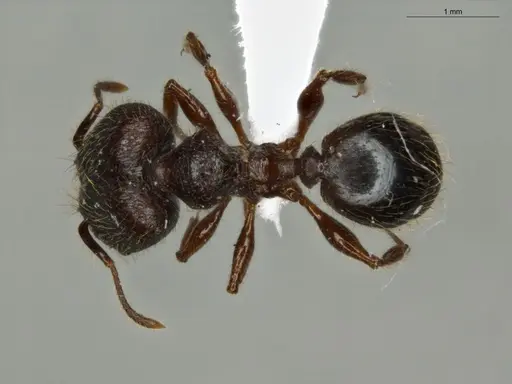
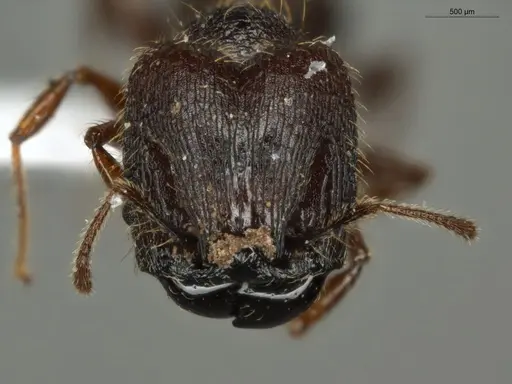
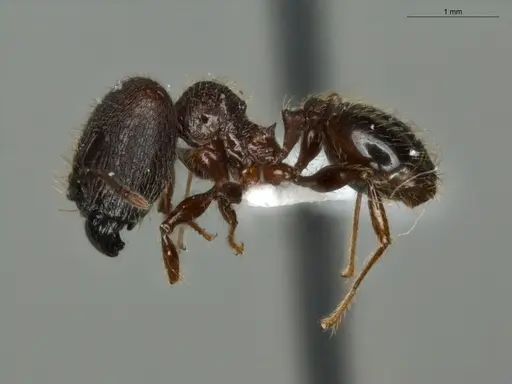
ECOFOG-MI15-0359-10
View on AntWeb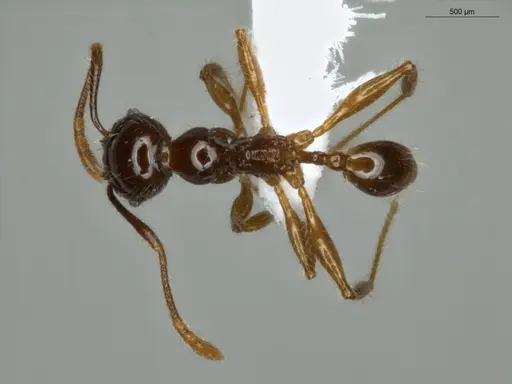
ECOFOG-OI17-0207-05
View on AntWeb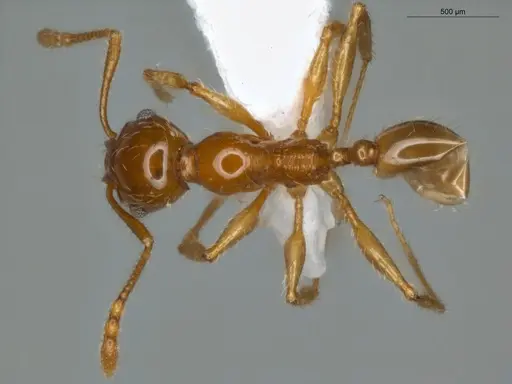
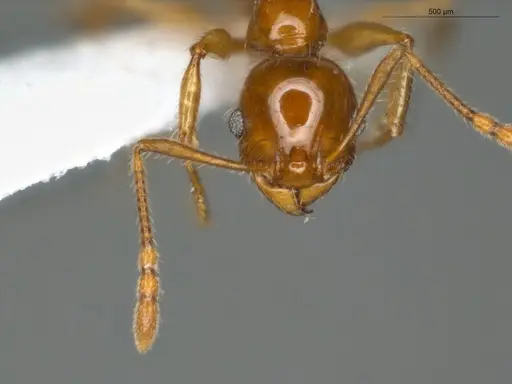
ECOFOG-OI17-0234-05
View on AntWeb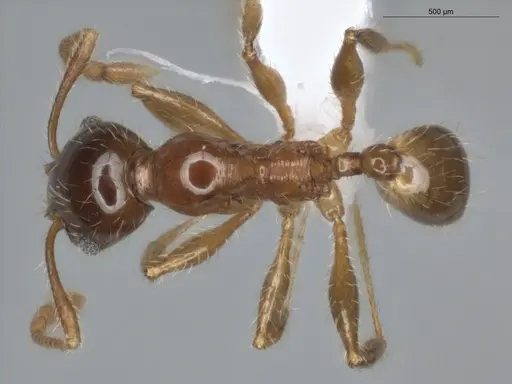
Literature
Loading distribution map...Loading products...