
Pheidole makirovana
- Sci. Name
- Pheidole makirovana
- Tribe
- Attini
- Subfamily
- Myrmicinae
- Author
- Salata & Fisher, 2020
- Distribution
- Found in 1 countries
Introduction
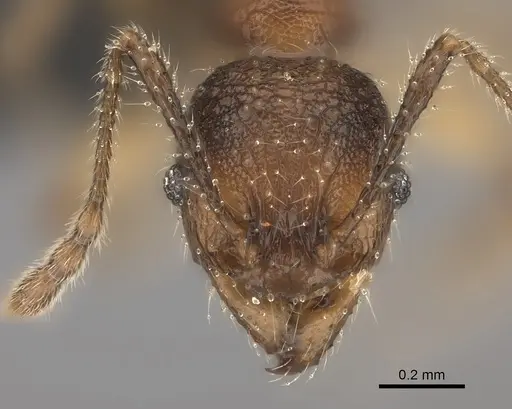
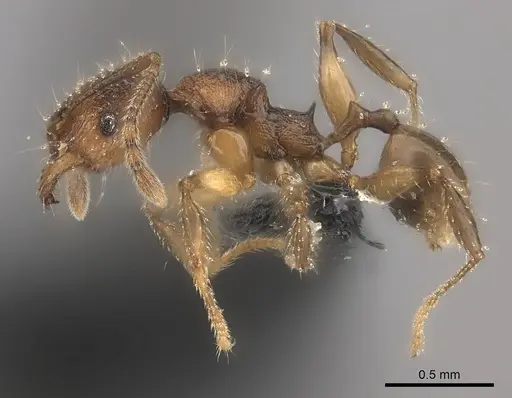
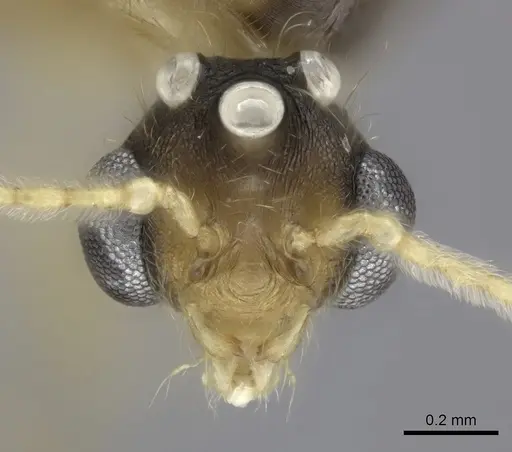
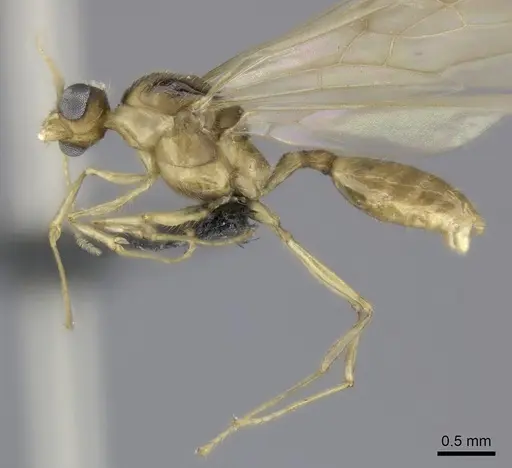
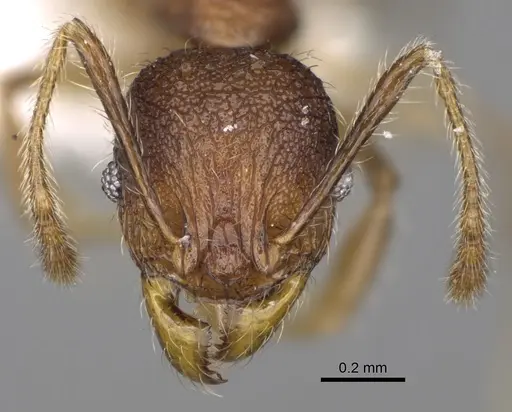
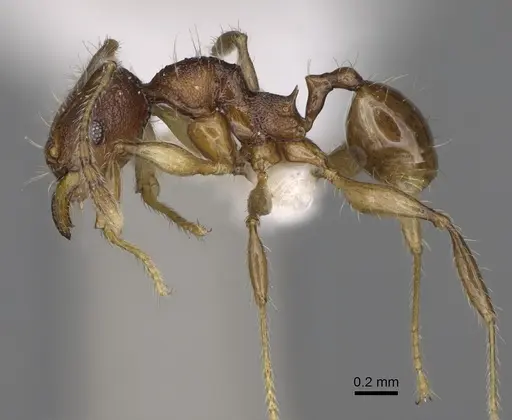
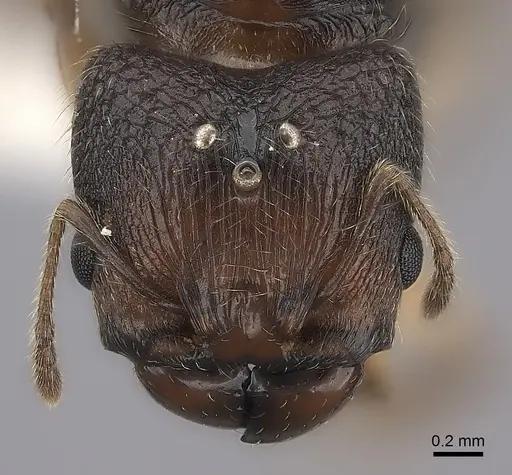
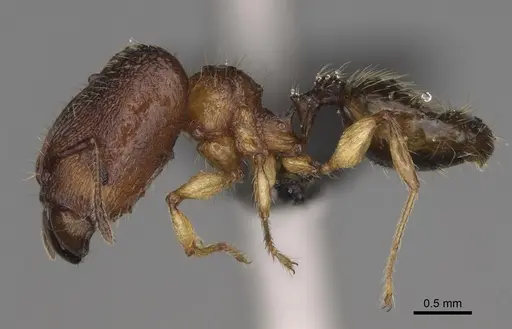
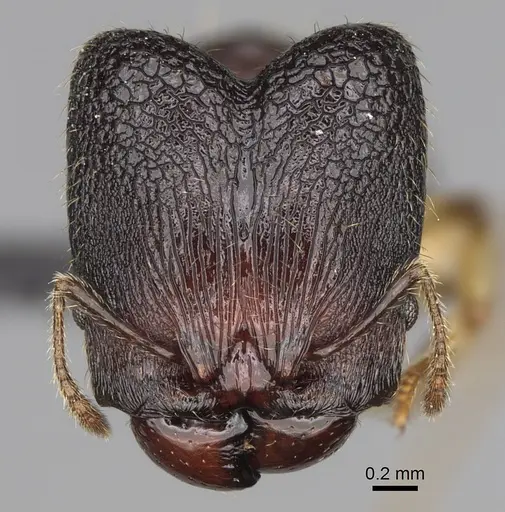
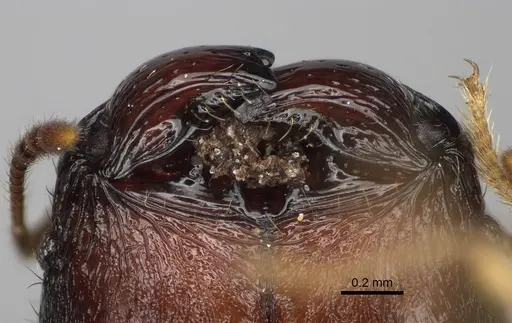
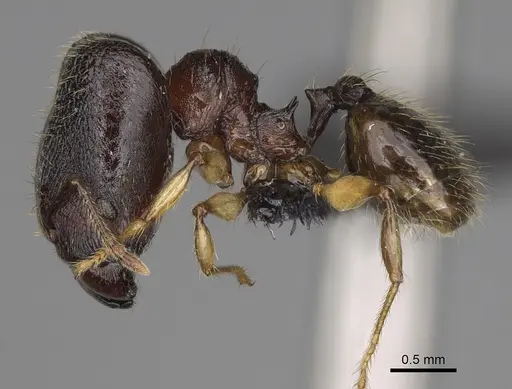
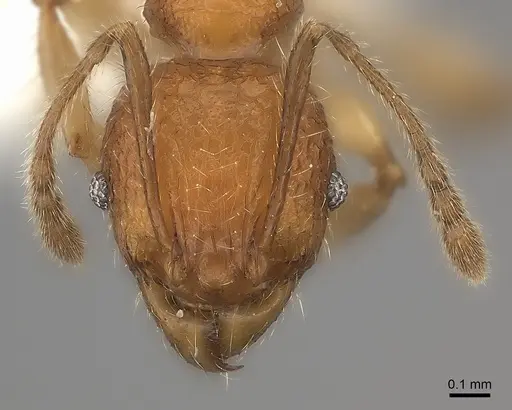
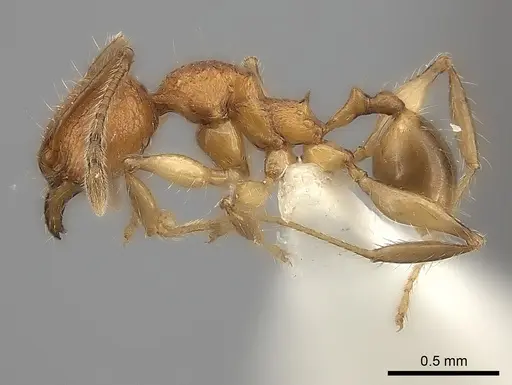
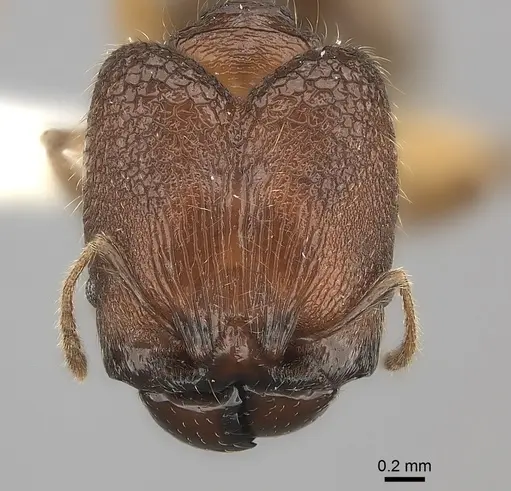
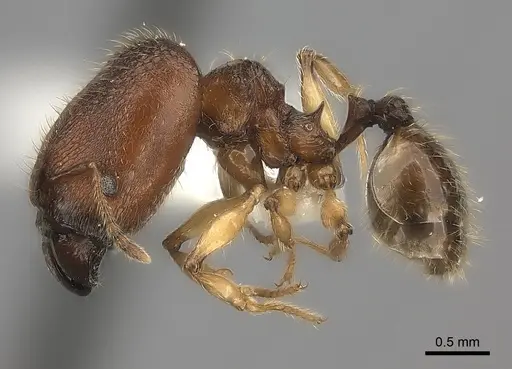
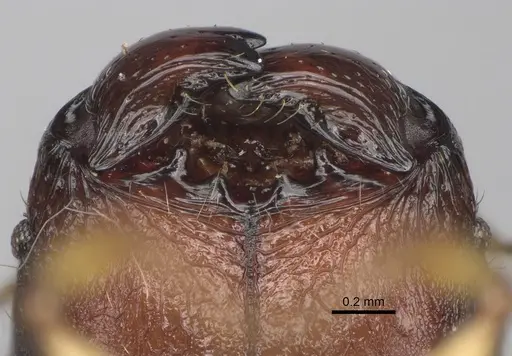
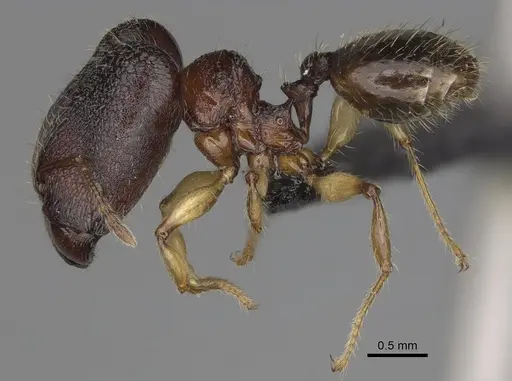
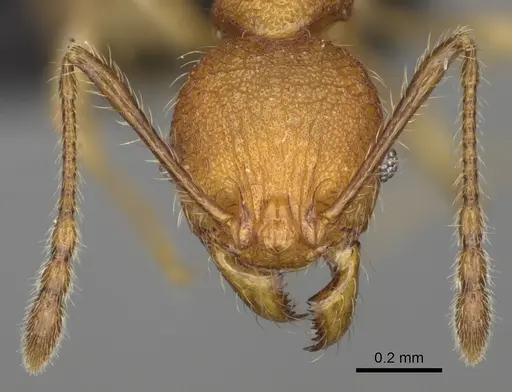
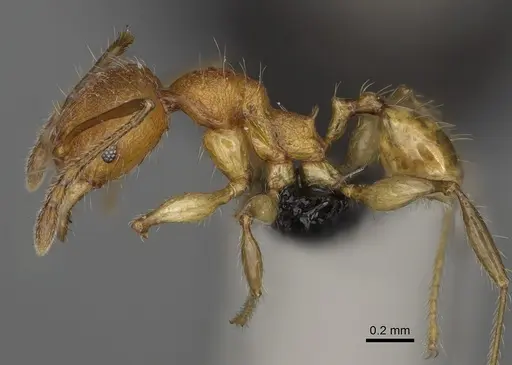
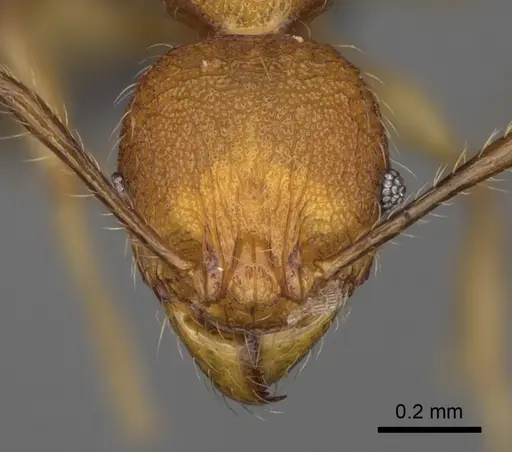
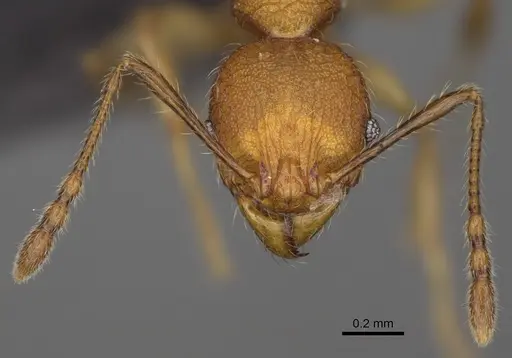
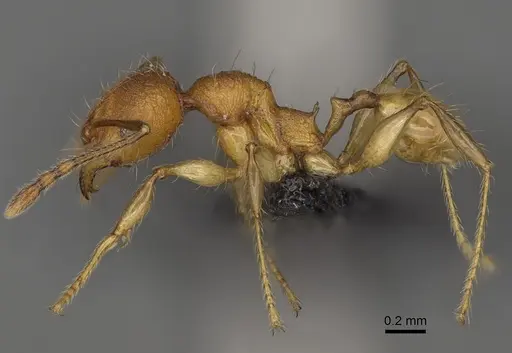
Pheidole makirovana is a small ant species native to Madagascar, specifically the Makirovana Forest in Antsiranana. Major workers have a rectangular head that slightly widens posteriorly, with brown to dark brown coloration, while minor workers have a foveolate head and yellowish brown to brown coloration . The species belongs to the Pheidole curvistriata species group and was described in 2020 . This species inhabits transitional humid forest, rainforest, and montane rainforest at elevations between 450-1200 meters, nesting in rotten logs and twigs on the ground .
Quick Summary
- Difficulty: Medium
- Origin & Habitat: Makirovana Forest, Antsiranana region, northern Madagascar. Found in transitional humid forest, rainforest, and montane rainforest at 450-1200m elevation. Nests in rotten logs and rotten twigs on the ground [1].
- Colony Type: Colony structure is unconfirmed for this species. No specific data on queen number or social structure.
- Size & Growth:
- Queen: Size data unavailable [1]
- Worker: Size data unavailable for full body length [1]
- Colony: Unknown [1]
- Growth: Unknown
- Development: Estimated 6-8 weeks based on typical Pheidole development patterns at optimal temperature (Direct development data unavailable. Estimates based on genus-level patterns for Pheidole in Madagascar.)
- Antkeeping:
- Temperature: Temperature needs are unclear, start around 22-25°C and observe, based on natural habitat elevation [1]
- Humidity: Keep nest substrate consistently moist but not waterlogged, as they nest in humid forests [1]
- Diapause: Unknown, no research on seasonal behavior [1]
- Nesting: Provide rotting wood pieces, cork, or naturalistic setup with damp substrate. They naturally nest in rotten logs and twigs [1]
- Behavior: Pheidole makirovana has major workers with a functional sting, which can deliver a mild sting if provoked. Workers are active foragers, with minors handling most foraging duties. Minor workers are very small, so escape prevention is important. They are omnivorous [1].
- Common Issues: high humidity maintenance is critical, drying out causes colony collapse, newly described species means limited captive breeding information, wild-caught colonies may struggle, rotten wood nesting preference requires specific setup, standard test tubes alone may not be ideal, small minor workers may have difficulty with larger prey items, colony size unknown so growth expectations are uncertain
Housing and Nest Setup
Pheidole makirovana naturally nests in rotten logs and rotten twigs on the forest floor, indicating a preference for damp, decaying wood. In captivity, provide a naturalistic setup with pieces of cork, rotting wood, or a well-moistened plaster or Y-tong formicarium. The nest material should be able to hold moisture without becoming waterlogged. A hybrid approach works well: a test tube setup for the founding chamber connected to a naturalistic area with damp substrate. Ensure the outworld provides easy access to food while the nest area maintains high humidity. Because minor workers are very small, ensure all connections between nest areas are secure and free of gaps that could allow escapes [1].
Feeding and Diet
Pheidole ants are omnivorous and will accept a varied diet. Offer protein sources such as small insects (fruit flies, pinhead crickets, mealworms), and sugar sources including honey water or sugar water. In their natural rainforest habitat, they likely forage for small arthropods. Feed minors small prey items they can handle, and allow majors to process larger pieces. Provide a constant sugar water source and protein 2-3 times per week. Remove uneaten prey after 24 hours to prevent mold.
Temperature and Humidity
This species comes from mid-elevation rainforest in northern Madagascar (450-1200m), so they prefer warm but not extreme temperatures. Keep the nest at roughly 22-25°C with a slight gradient if possible. Avoid temperatures above 30°C as this can stress the colony. Humidity is critical, maintain consistently moist substrate without waterlogging. Use a water reservoir or mist regularly to maintain moisture [1].
Colony Development
As a recently described species (2020), there is limited captive breeding information. Queens likely seal themselves in a chamber to found colonies, but founding behavior is unconfirmed. Expect the first nanitic workers to appear after 6-8 weeks at optimal temperature, though this is estimated based on typical Pheidole development. Initial colony growth will be slow as the queen focuses on producing workers. Once the first majors appear, colony development typically accelerates.
Behavior and Temperament
Pheidole makirovana exhibits the typical Pheidole colony structure with distinct major and minor worker castes. Minor workers handle foraging, brood care, and general nest maintenance, while major workers defend the nest and process large food items. Majors have a functional sting and can deliver a mild sting if threatened, though they are not aggressive toward keepers. The species is not known to be invasive or particularly problematic [1].
Frequently Asked Questions
How long does it take for Pheidole makirovana to produce first workers?
Based on typical Pheidole development patterns, expect first workers (nanitics) to emerge in 6-8 weeks after the queen lays eggs, assuming optimal temperature of 22-25°C. This is an estimate since this species was only described in 2020 and specific development data is not yet available.
What do Pheidole makirovana ants eat?
They are omnivorous. Offer small insects like fruit flies or pinhead crickets for protein, and provide constant access to sugar water or honey. They will also eat seeds and other organic matter. Minor workers handle most foraging, so keep prey items small enough for them to manage.
What temperature and humidity do Pheidole makirovana need?
Keep nest temperature around 22-25°C with consistently moist substrate. Their natural habitat in mid-elevation rainforest requires warm and humid conditions. Avoid temperatures above 30°C and never let the nest dry out [1].
Are Pheidole makirovana ants good for beginners?
This species is rated as medium difficulty. While not the most challenging ant to keep, the specific humidity requirements and limited information as a newly described species make it better suited for keepers with some experience. Beginners should ensure they can maintain consistent high humidity before attempting this species.
What type of nest is best for Pheidole makirovana?
Naturalistic setups with damp cork, rotting wood pieces, or plaster nests that hold moisture work best. They naturally nest in rotten logs and twigs, so the nest material should mimic this. Y-tong nests with high humidity chambers are also suitable. Avoid dry setups [1].
How big do Pheidole makirovana colonies get?
Colony size has not been documented in scientific literature. Based on typical Pheidole species, colonies likely reach several hundred to a few thousand workers over time.
Can I keep multiple queens together?
The colony structure of this species is unconfirmed. Most Pheidole species are monogyne (single queen), though some can be polygyne. Without specific data for P. makirovana, it is safest to assume single-queen colonies and not combine unrelated foundress queens.
Does Pheidole makirovana need hibernation?
Diapause requirements are unknown. The mild climate of their Madagascar habitat at 450-1200m elevation suggests they may not need true hibernation. A slight cooling period during winter months may be beneficial but is not required [1].
Where is Pheidole makirovana found in the wild?
This species is endemic to the Makirovana Forest in the Antsiranana region of northern Madagascar. It lives in transitional humid forest, rainforest, and montane rainforest at elevations between 450-1200 meters. Nests are found in rotten logs and twigs on the ground [1].
Report an Issue
The current care sheet is based fully on literature. See inconsistencies, or something that's incorrect? Please , it will be resolved after review from an admin. Contributing to the blogs tab also helps providing information, to make us be able to further improve the caresheets. Thank you for your support!
References

This caresheet is licensed under CC BY-SA 4.0 .
Community Blogs
CASENT0150555
View on AntWeb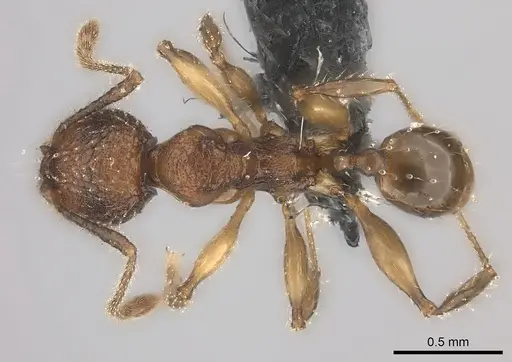
CASENT0150556
View on AntWeb
CASENT0198558
View on AntWeb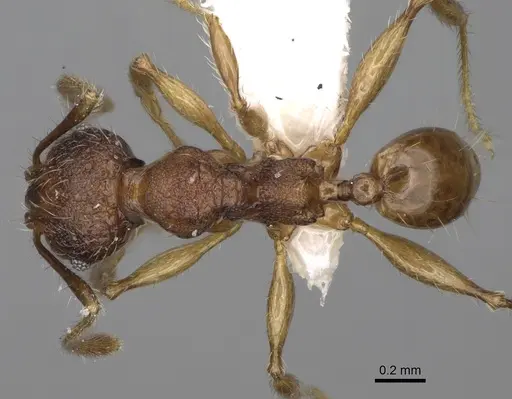
CASENT0198572
View on AntWeb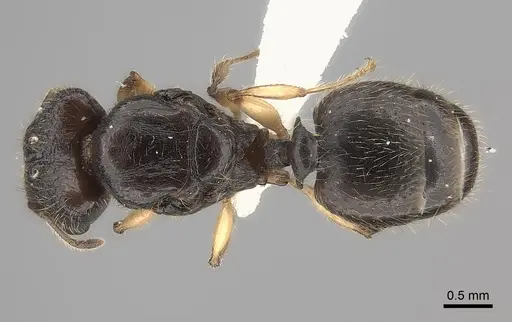
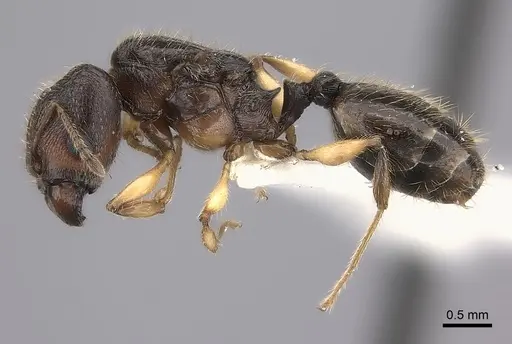
CASENT0198898
View on AntWeb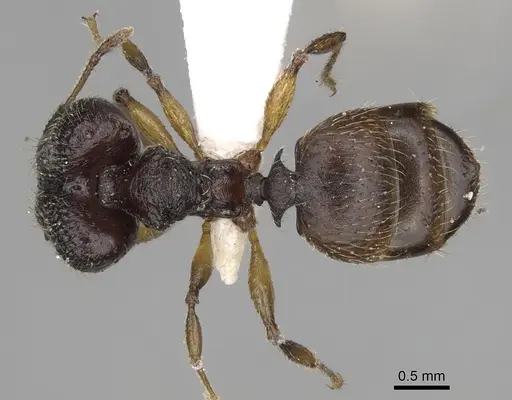
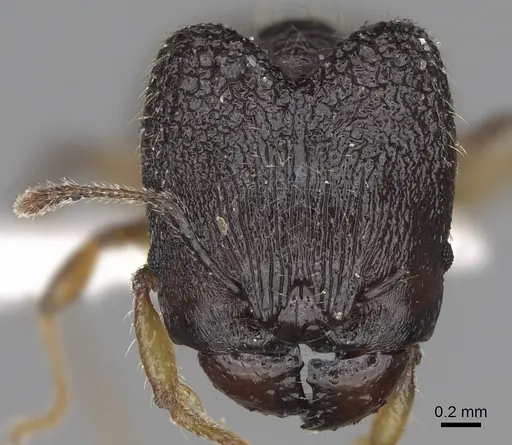
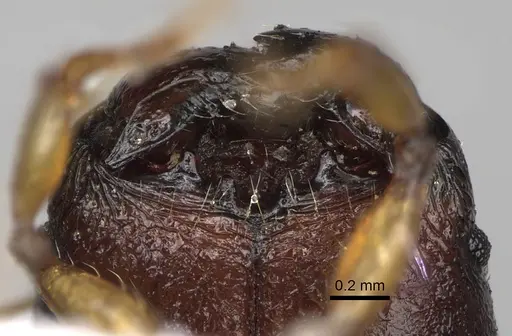
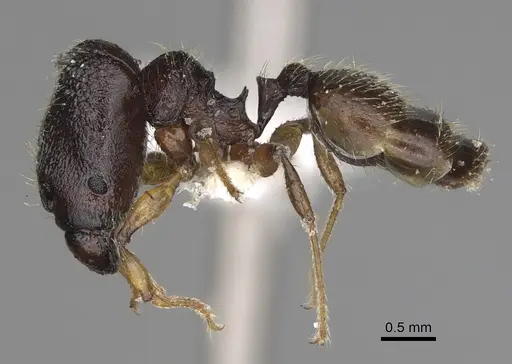
CASENT0231036
View on AntWeb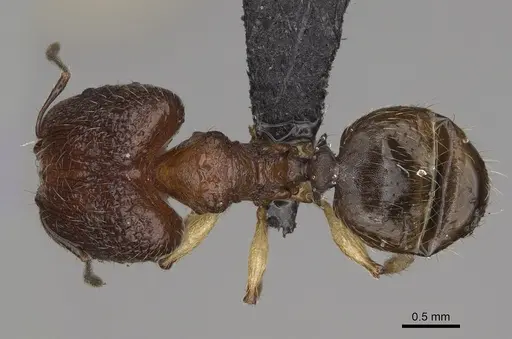
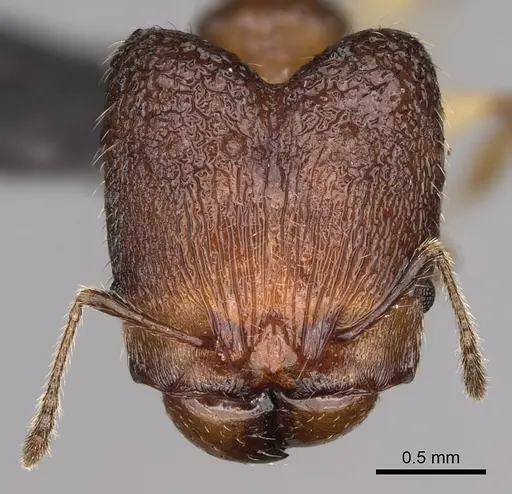
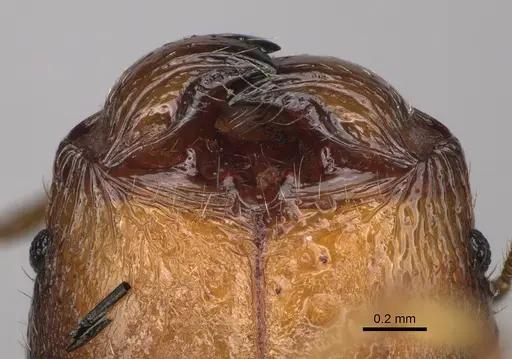
CASENT0231059
View on AntWeb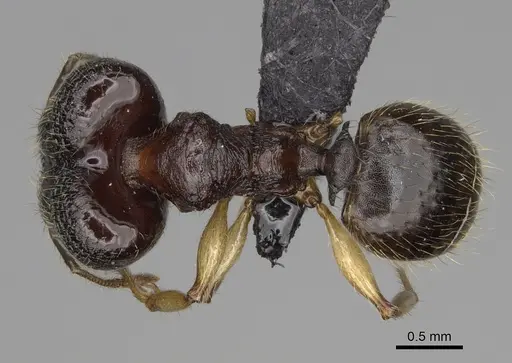
CASENT0235044
View on AntWeb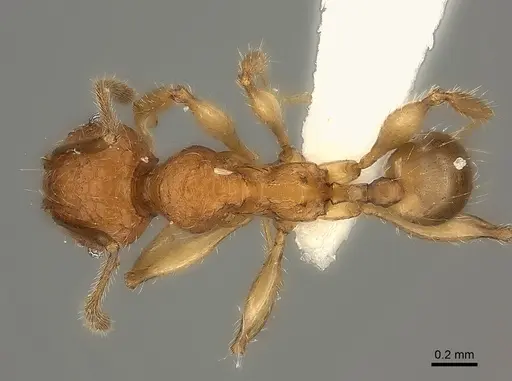
CASENT0235045
View on AntWeb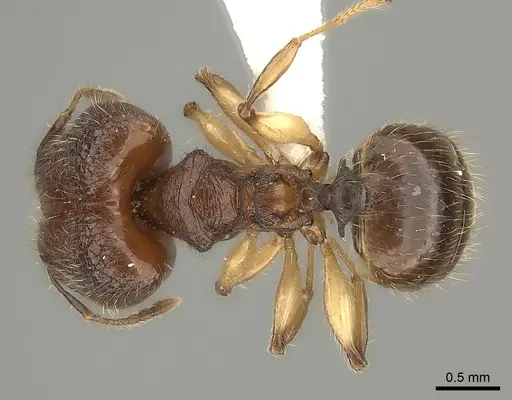
CASENT0495016
View on AntWeb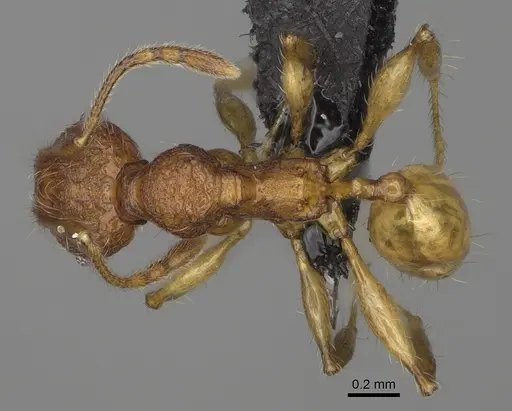
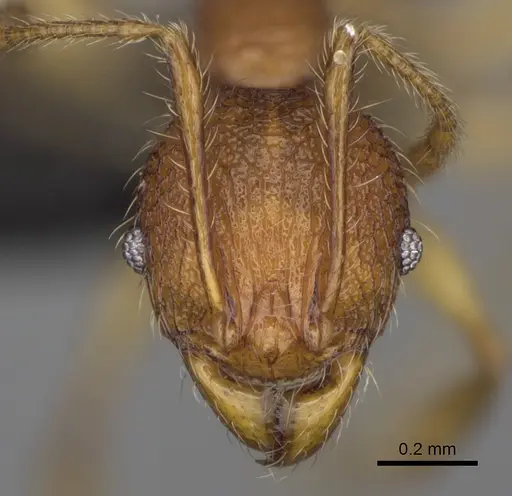
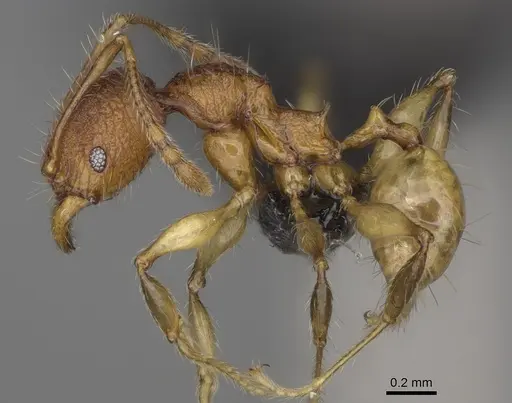
CASENT0495019
View on AntWeb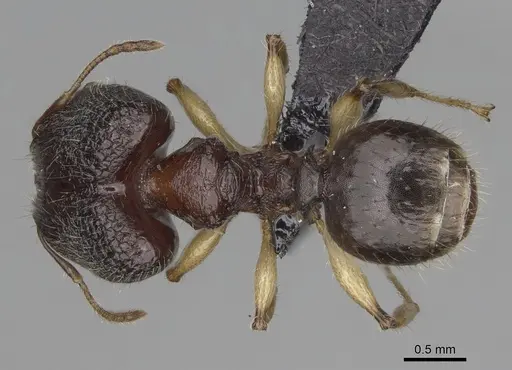
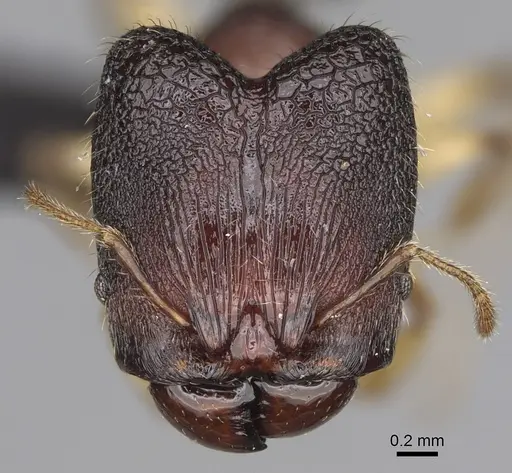
CASENT0923174
View on AntWeb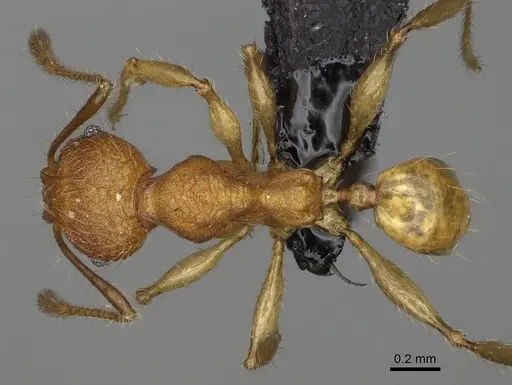
CASENT0923175
View on AntWeb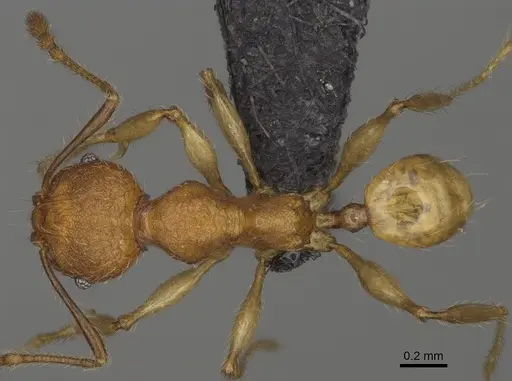
Literature
Loading distribution map...Loading products...