
Pheidole makaensis
- Sci. Name
- Pheidole makaensis
- Tribe
- Attini
- Subfamily
- Myrmicinae
- Author
- Salata & Fisher, 2020
- Distribution
- Found in 1 countries
Introduction
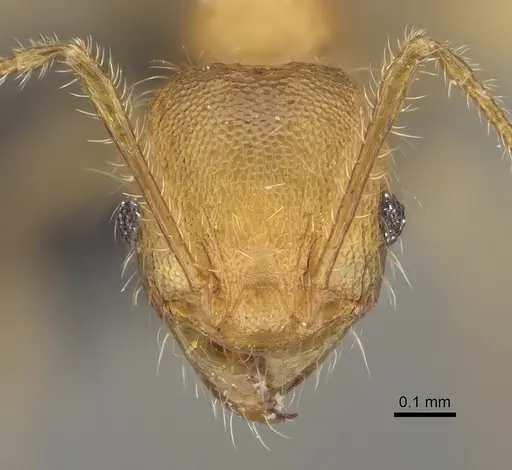
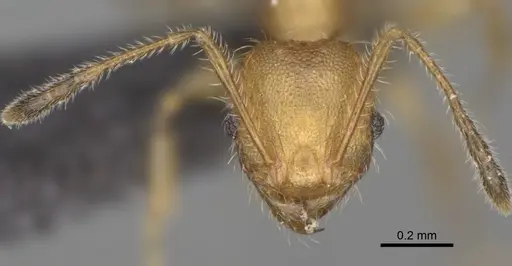
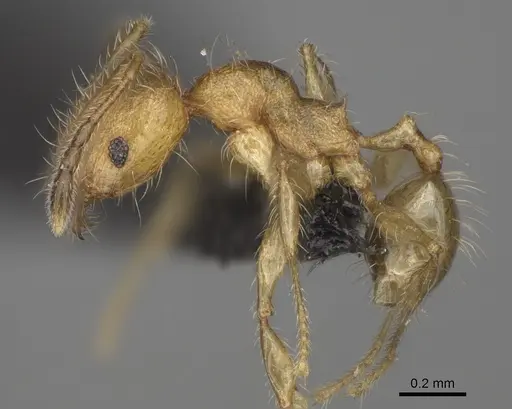
Pheidole makaensis is a small ant species from Madagascar, belonging to the makaensis group. Major workers have an elongated head covered with very long erect hairs and a reddish-brown body, while minor workers are entirely yellow. They nest in dead twigs above ground in gallery forests with bamboo at elevations around 500 meters . This species is distinguished by its major workers' unique head structure with closely spaced inner and outer hypostomal teeth connected by a concavity, which helps differentiate it from similar species like Pheidole avaratra .
Quick Summary
- Difficulty: Medium
- Origin & Habitat: Makay Mountains, Toliara region, Madagascar, gallery forest with bamboo at 500m elevation [1][2]
- Colony Type: Colony structure is unconfirmed for this species. Pheidole species are typically single-queen (monogyne) colonies, but specific data for Pheidole makaensis is lacking.
- Size & Growth:
- Queen: Size data unavailable, inferred from Pheidole genus (~4-6mm)
- Worker: Size data unavailable, inferred from Pheidole genus (majors ~2-3mm, minors ~1-2mm)
- Colony: Unknown, no colony size data available. Related Pheidole species typically reach up to several thousand workers.
- Growth: Moderate, inferred from typical Pheidole development patterns
- Development: Estimated 6-10 weeks based on typical Pheidole development at tropical temperatures (Development time is estimated, actual timing may vary based on temperature and colony conditions.)
- Antkeeping:
- Temperature: Keep warm, roughly 24-28°C, based on tropical habitat inference
- Humidity: Provide a humidity gradient, mostly dry nest chamber with one small moist area, as they nest in dry twigs [1][2]
- Diapause: Unknown, as a tropical species, they likely do not require true diapause but may slow down during cooler periods.
- Nesting: Use Y-tong, plaster, or soil nests with narrow chambers to mimic dead twigs [1]. Avoid acrylic nests.
- Behavior: Pheidole makaensis is relatively calm, typical of the genus. Major workers have large heads for defense and seed processing, while minors handle daily tasks. They are not highly aggressive but will defend the colony. Escape risk is moderate due to small size, fine mesh barriers are recommended. Defense mechanism is a sting, as typical for Myrmicinae.
- Common Issues: escape prevention needed, minors are very small and can slip through standard barriers, humidity management, they prefer drier conditions, so overwatering can be problematic, development data unknown, exact egg-to-worker timeline has not been studied
Housing and Nest Setup
Pheidole makaensis naturally nests in dead twigs above ground. For captivity, use Y-tong, plaster, or soil nests with narrow chambers to mimic this environment [1]. Avoid acrylic nests, instead, provide enclosed areas suitable for their small size. The nest should have appropriately sized chambers for majors and minors, with an outworld for foraging that is easy to clean [2].
Feeding and Diet
Like most Pheidole species, these ants are omnivorous. Offer protein sources like small insects (e.g., fruit flies) 2-3 times per week and sugar sources like honey water available at all times. Remove uneaten food after 24-48 hours to prevent mold. Food items should be appropriately sized for their small workers.
Temperature and Seasonal Care
As a tropical species from Madagascar, maintain warm conditions around 24-28°C for optimal growth. Room temperature is acceptable, but a heating cable on one side can create a gradient for self-regulation. Avoid temperatures below 20°C for extended periods. No true diapause is documented, but activity may slow during cooler periods.
Humidity Management
This species nests in dry twigs, indicating a preference for drier conditions. Provide a humidity gradient with a mostly dry nest chamber and one small moist area [1][2]. Substrate should feel dry to slightly damp, never waterlogged. Overwatering is a common mistake, monitor condensation and adjust as needed.
Colony Development and Growth
Colonies develop through egg, larva, pupa, and adult stages. The first generation of workers may be smaller. Based on typical Pheidole patterns, expect 6-10 weeks from egg to first worker at optimal temperatures. Growth is moderate once established, with majors appearing as the colony grows.
Behavior and Temperament
Pheidole makaensis is relatively calm, with majors handling defense and minors managing daily tasks. They are diurnal and forage actively. Defense involves a sting, typical for Myrmicinae. Escape risk is moderate due to small worker size, use fine mesh barriers to prevent escapes [1].
Frequently Asked Questions
How long does it take for Pheidole makaensis to produce first workers?
Estimated 6-10 weeks from egg to first worker at optimal temperatures (24-28°C), based on typical Pheidole development patterns.
What do Pheidole makaensis ants eat?
They are omnivorous. Offer small insects for protein 2-3 times per week and sugar sources like honey water available at all times.
What temperature do Pheidole makaensis ants need?
Keep them at roughly 24-28°C, based on their tropical habitat inference.
Are Pheidole makaensis ants good for beginners?
This species is rated as Medium difficulty. They have specific humidity requirements and may be difficult to acquire, but are manageable with some experience [1].
How big do Pheidole makaensis colonies get?
Colony size is unknown for this species. Related Pheidole species typically reach up to several thousand workers over several years.
What type of nest is best for Pheidole makaensis?
They naturally nest in dead twigs, so use Y-tong, plaster, or soil nests with narrow chambers. Maintain a humidity gradient with mostly dry conditions [1][2].
Report an Issue
The current care sheet is based fully on literature. See inconsistencies, or something that's incorrect? Please , it will be resolved after review from an admin. Contributing to the blogs tab also helps providing information, to make us be able to further improve the caresheets. Thank you for your support!
References

This caresheet is licensed under CC BY-SA 4.0 .
Community Blogs
CASENT0205745
View on AntWeb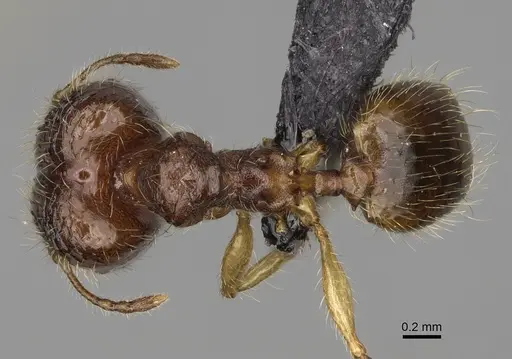
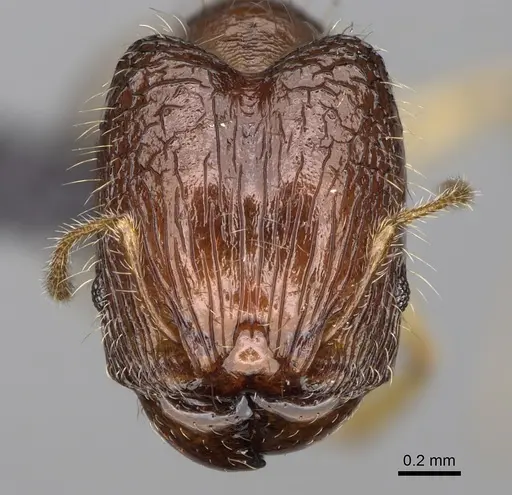
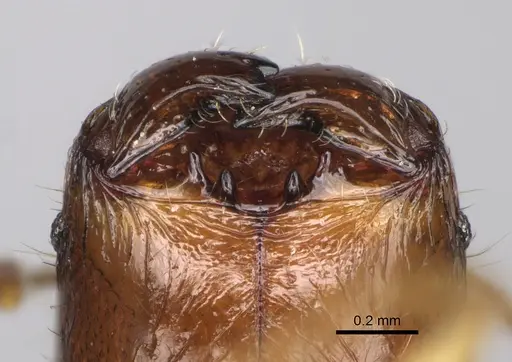
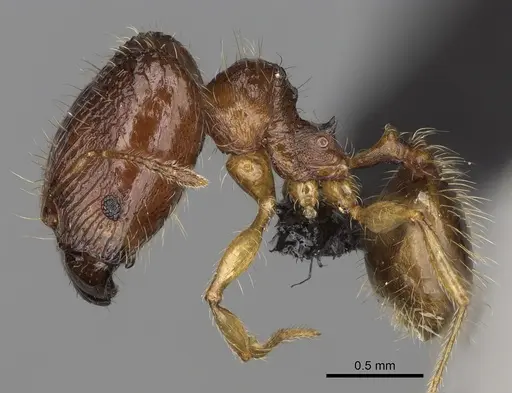
CASENT0923188
View on AntWeb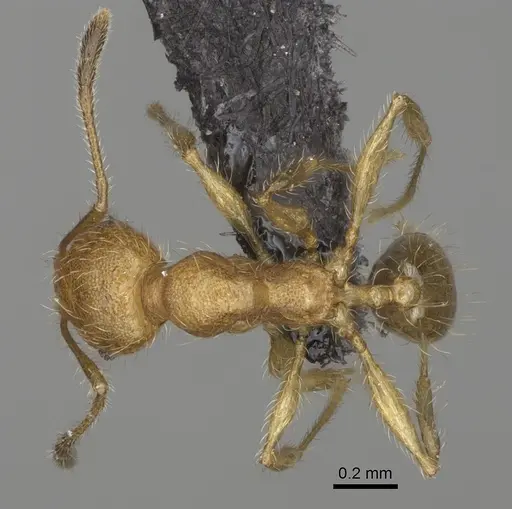
Literature
Loading distribution map...Loading products...