
Pheidole maizina
- Sci. Name
- Pheidole maizina
- Tribe
- Attini
- Subfamily
- Myrmicinae
- Author
- Salata & Fisher, 2020
- Distribution
- Found in 1 countries
Introduction
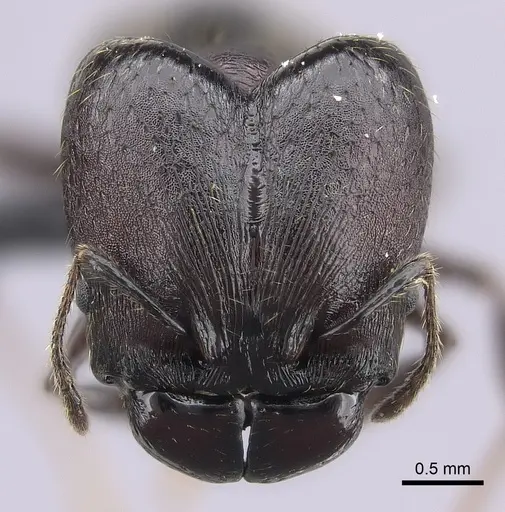
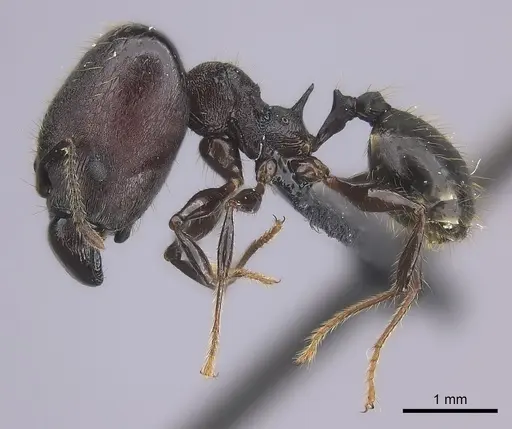
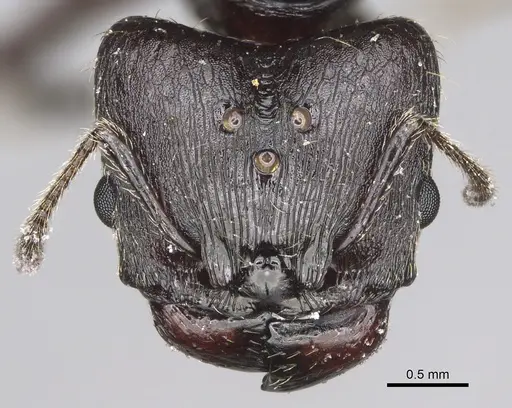
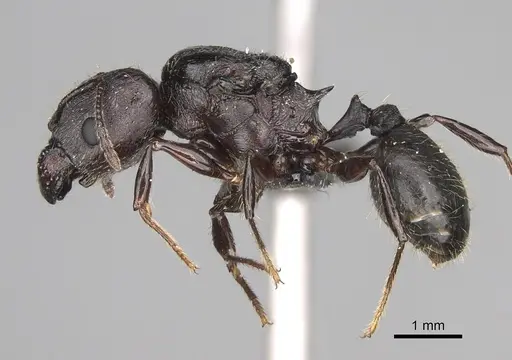
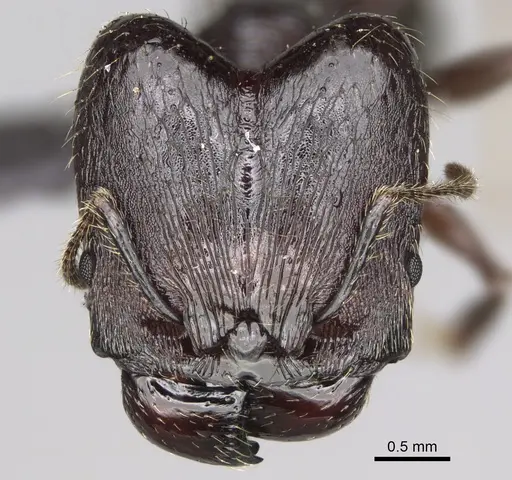
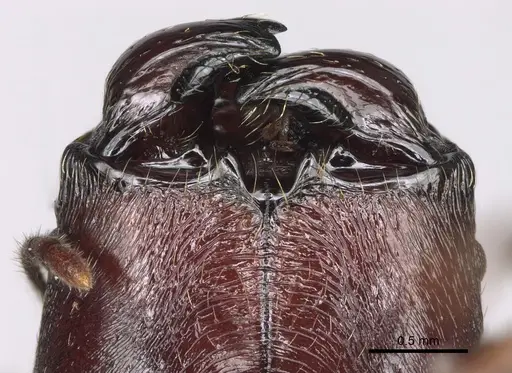
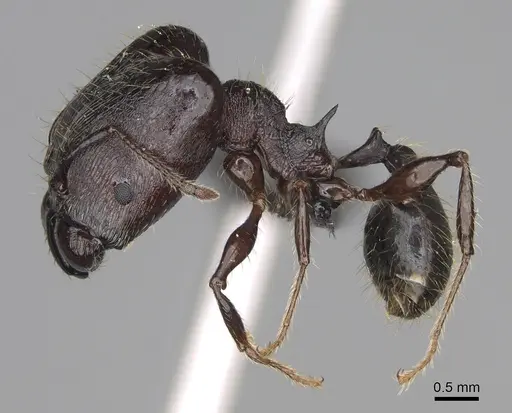
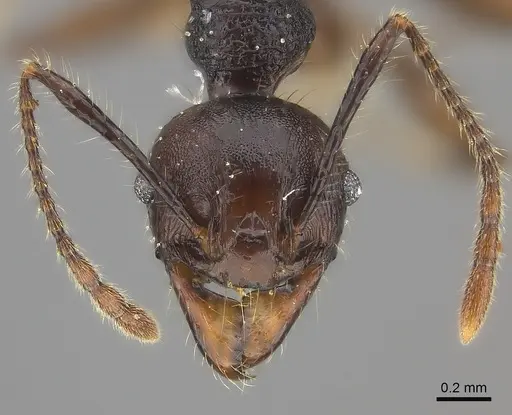
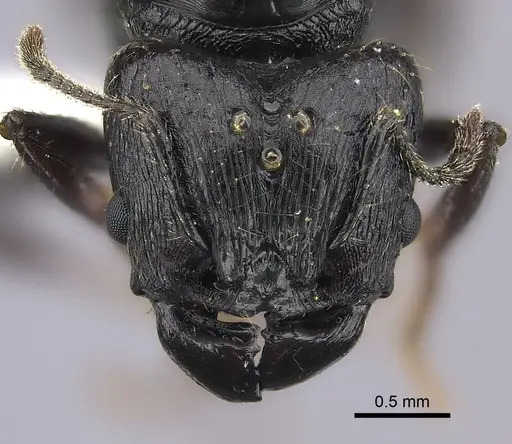
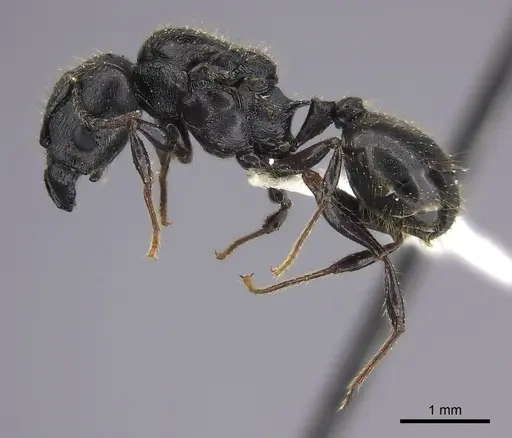
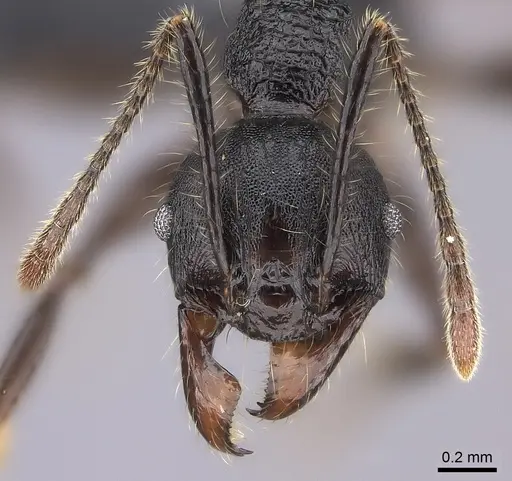
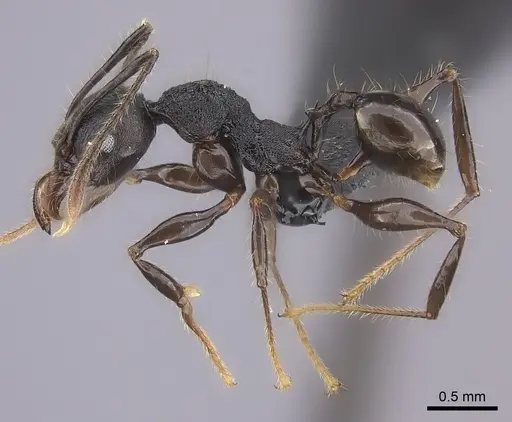
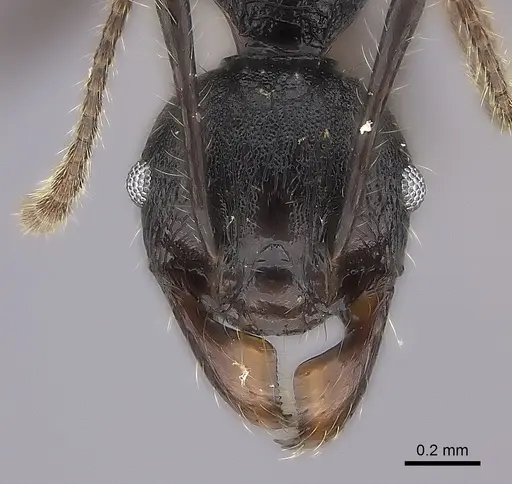
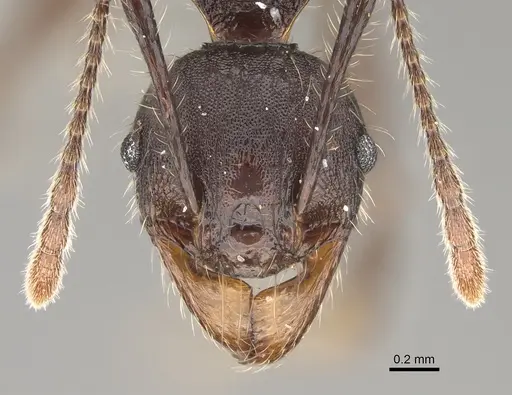
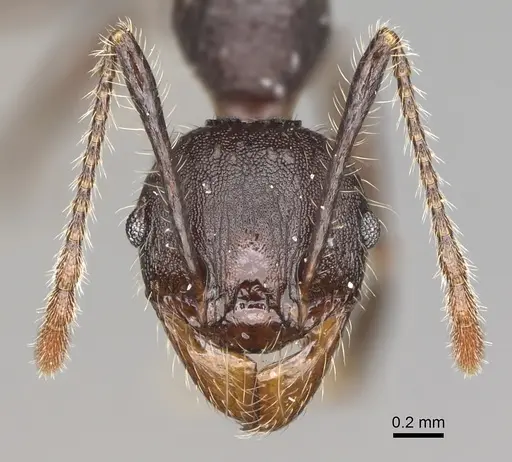
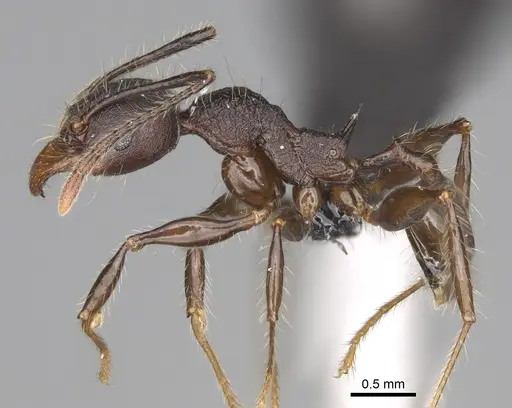
Pheidole maizina is a recently described ant species from Madagascar, discovered in 2020. It belongs to the Pheidole scabrata complex within the longispinosa species group. The body is dark brown to black, which reflects the species name meaning 'dark' in Malagasy . This species was collected in northeastern Madagascar at elevations between 400-1200 meters in rainforest, montane rainforest, and transitional humid forest environments . Nests are located in rotten logs, stumps, and decaying sticks on the forest floor . As a newly described species, specific details about colony behavior and development are not yet documented in scientific literature.
Quick Summary
- Difficulty: Medium
- Origin & Habitat: Northeastern Madagascar, Toamasina region (Réserve Spéciale Ambatovaky), at 400-1200m elevation in rainforest, montane rainforest, and transitional humid forest [1].
- Colony Type: Colony structure unconfirmed, based on Pheidole genus patterns, likely monogyne (single queen), but not documented for this species.
- Size & Growth:
- Queen: size data unavailable, no total length measurements provided in research
- Worker: size data unavailable, no total length measurements provided in research
- Colony: Unknown, no colony size data available
- Growth: Unknown, no development data available
- Development: Unknown, no direct measurements. Based on typical Pheidole patterns, expect 6-10 weeks at optimal temperature. (Inferred from genus-level data, actual timeline may vary with conditions.)
- Antkeeping:
- Temperature: Inferred from habitat: aim for 22-26°C, based on Madagascar rainforest origin [1]. Start around 24°C and adjust based on colony activity.
- Humidity: Inferred: rainforest species likely need high humidity. Keep nest substrate consistently moist but not waterlogged. Provide a water tube and mist the outworld regularly.
- Diapause: Unknown, no data on overwintering. Madagascar has a mild climate, so hibernation may not be required.
- Nesting: Natural nesting in rotten wood [1]. In captivity, use rotting wood, cork, or Y-tong/plaster nests with high humidity.
- Behavior: Temperament unconfirmed, Pheidole species are generally non-aggressive but defend nests vigorously. Major workers have powerful mandibles for defense. Escape risk is moderate due to small minor workers, use fine mesh on outworlds and barriers on test tubes.
- Common Issues: new species with no established care protocols, making keeping experimental, escape prevention critical due to small minor workers that can squeeze through barriers, humidity control essential, too dry causes desiccation, too wet causes mold, diet acceptance unconfirmed, may require experimentation with foods, wild-caught colonies may carry unidentified parasites or diseases
Nest Preferences
In the wild, Pheidole maizina nests exclusively in rotting wood, such as logs, stumps, and decaying sticks on the forest floor [1]. This aligns with typical Pheidole behavior where many species prefer dead wood over soil. For captive care, provide a naturalistic setup with rotting wood pieces or cork, or use a Y-tong or plaster nest to control humidity. Keep the nest humid but with ventilation to prevent mold. A water tube connected to the nest helps maintain moisture levels.
Feeding and Diet
The specific diet of Pheidole maizina is not documented. Based on typical Pheidole behavior, they likely accept seeds, small insects, and sugar sources. Offer protein like mealworms or crickets 2-3 times weekly, seeds such as millet, and constant sugar water. Remove uneaten food after 24-48 hours to prevent mold. Be prepared to experiment with different foods since this species has no captive care history.
Temperature and Care
Pheidole maizina was collected in rainforest habitats at 400-1200m elevation [1]. Aim for temperatures of 22-26°C, starting around 24°C. Use a heating cable on one side of the nest to create a gradient, allowing ants to choose their preferred temperature. Monitor colony activity: if they cluster near heat, increase slightly, if they avoid it, reduce heat. Humidity is critical, keep substrate moist but not waterlogged, and mist the outworld regularly.
Behavior and Temperament
Specific behavioral traits are unconfirmed, but Pheidole species have distinct major and minor workers. Majors have large heads for defense, while minors handle foraging and brood care. They are generally non-aggressive toward humans but defend nests vigorously. For escape prevention, use fluon on test tube rims and fine mesh on outworlds due to small minor workers.
Colony Establishment and Growth
Colony founding and development are not documented for this species. Based on typical Pheidole patterns, queens may seal themselves in a chamber (claustral founding) using stored fat reserves, but this is unconfirmed. First workers may be smaller, and growth could accelerate after 20-30 workers. Be patient during founding, as growth rates are uncertain for this new species.
Frequently Asked Questions
How long does it take for Pheidole maizina to have first workers?
Unknown, no direct data. Based on typical Pheidole patterns, expect 6-10 weeks from egg to worker at optimal temperature around 24°C.
What do Pheidole maizina ants eat?
Specific diet is unconfirmed. Based on typical Pheidole behavior, they likely accept seeds, insects, and sugar sources. Offer protein 2-3 times weekly and constant sugar water.
What temperature do Pheidole maizina ants need?
Based on their Madagascar rainforest origin, aim for 22-26°C [1]. Start around 24°C and adjust based on colony behavior.
Are Pheidole maizina ants good for beginners?
This is a newly described species with no established care protocols, making it experimental. Beginners should start with species that have well-documented requirements.
Do Pheidole maizina ants need hibernation?
Unknown, no data on overwintering. Madagascar has a mild climate, so hibernation may not be required, but a slight cooling period in winter could be beneficial.
What size nest do Pheidole maizina ants need?
In the wild, they nest in rotten wood [1]. In captivity, start with a test tube for founding, then move to a larger nest with rotting wood or Y-tong/plaster as the colony grows.
How big do Pheidole maizina colonies get?
Unknown, no colony size data is available for this species.
Can I keep multiple Pheidole maizina queens together?
Unknown, colony structure is unconfirmed. Pheidole species are typically monogyne, but do not combine queens without evidence of tolerance for pleometrosis.
Why is my Pheidole maizina colony dying?
Common issues include incorrect humidity, improper temperature, or stress from disturbance. Document your conditions and adjust gradually, as this species may not survive in captivity without specific research.
Report an Issue
The current care sheet is based fully on literature. See inconsistencies, or something that's incorrect? Please , it will be resolved after review from an admin. Contributing to the blogs tab also helps providing information, to make us be able to further improve the caresheets. Thank you for your support!
References

This caresheet is licensed under CC BY-SA 4.0 .
Community Blogs
CASENT0134242
View on AntWeb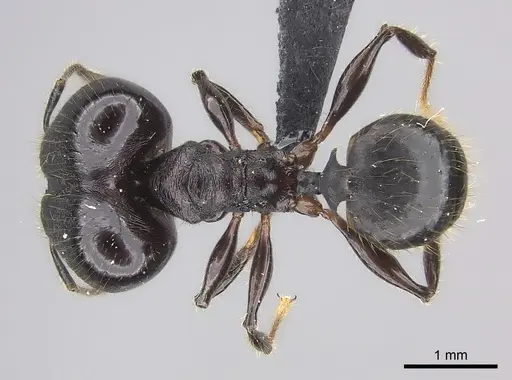
CASENT0162230
View on AntWeb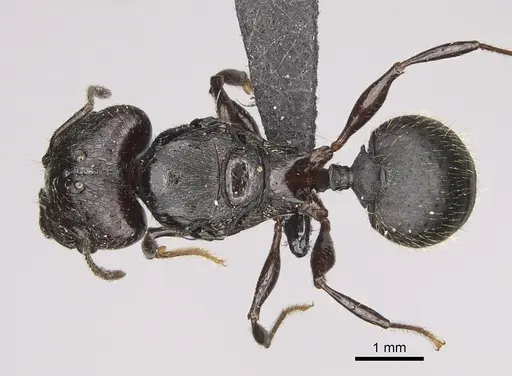
CASENT0162231
View on AntWeb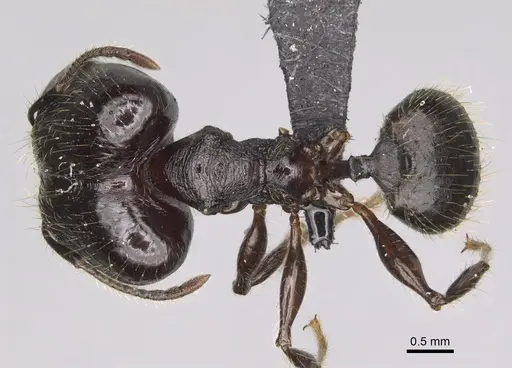
CASENT0198394
View on AntWeb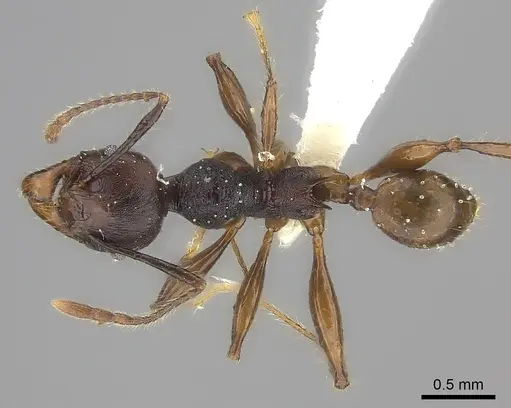
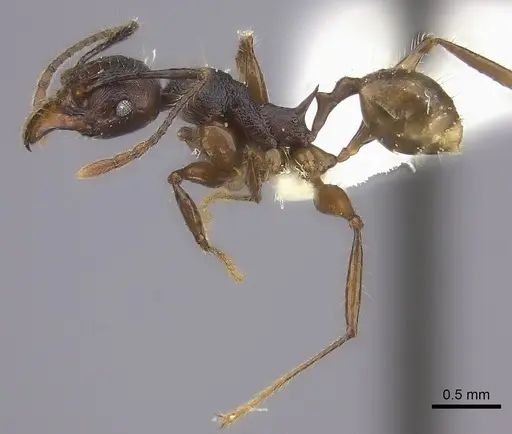
CASENT0235113
View on AntWeb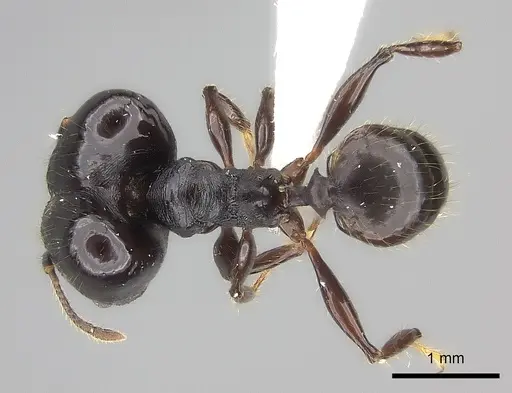
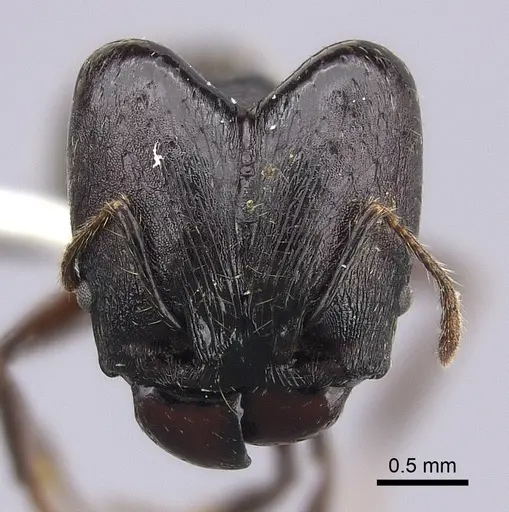
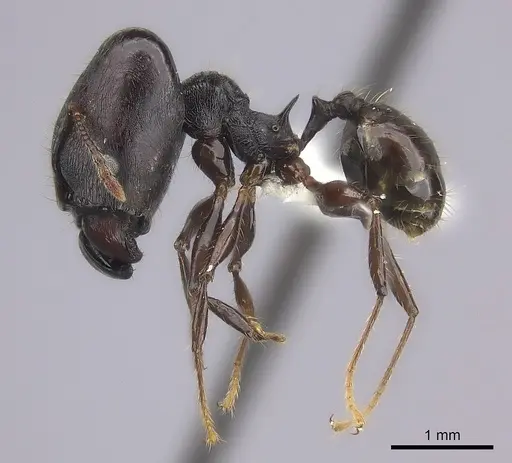
CASENT0235114
View on AntWeb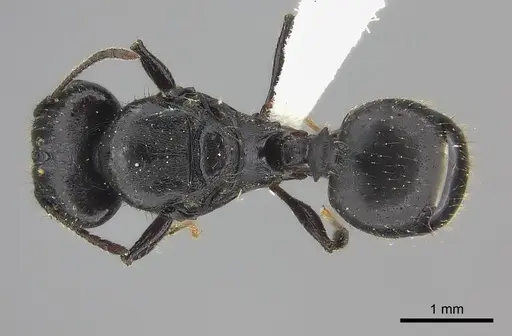
CASENT0235121
View on AntWeb
CASENT0235138
View on AntWeb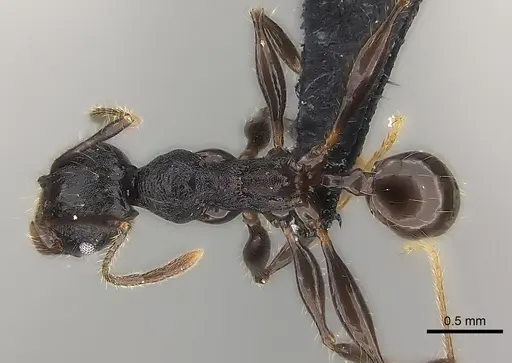
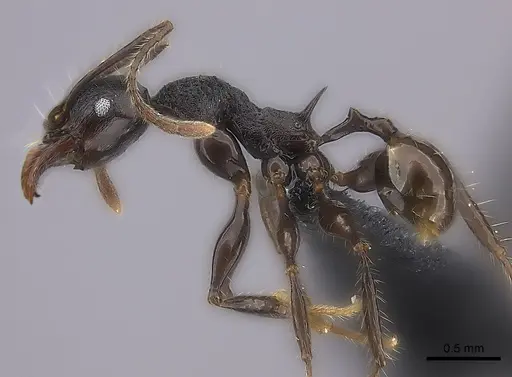
CASENT0496347
View on AntWeb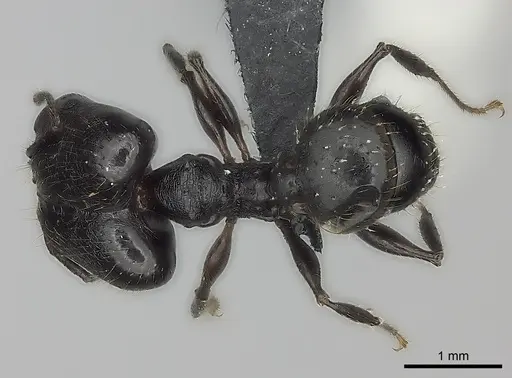
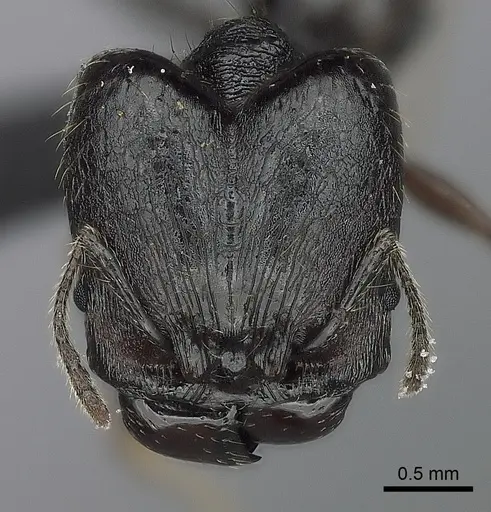
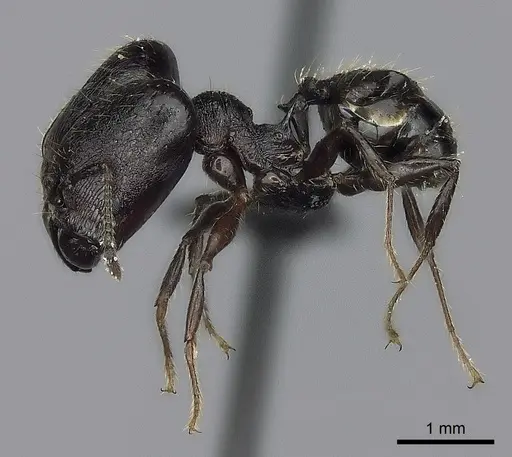
CASENT0923223
View on AntWeb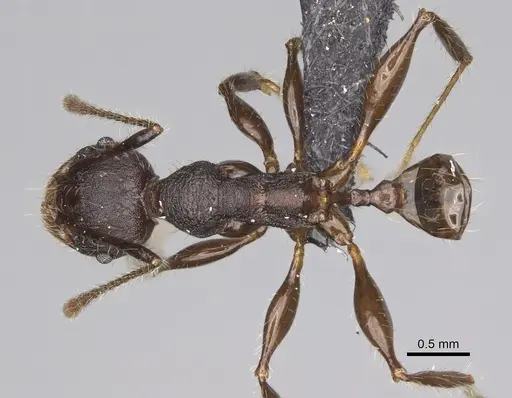
Literature
Loading distribution map...Loading products...