
Pheidole mahamavo
- Sci. Name
- Pheidole mahamavo
- Tribe
- Attini
- Subfamily
- Myrmicinae
- Author
- Salata & Fisher, 2020
- Distribution
- Found in 1 countries
Introduction
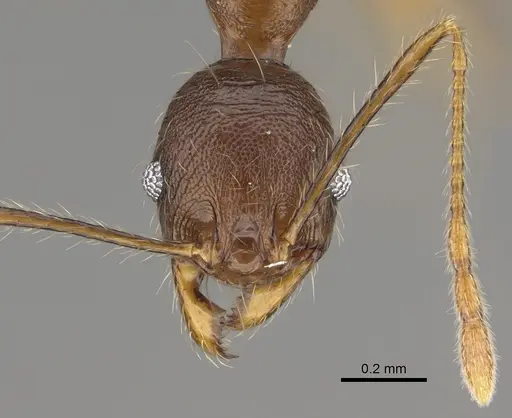
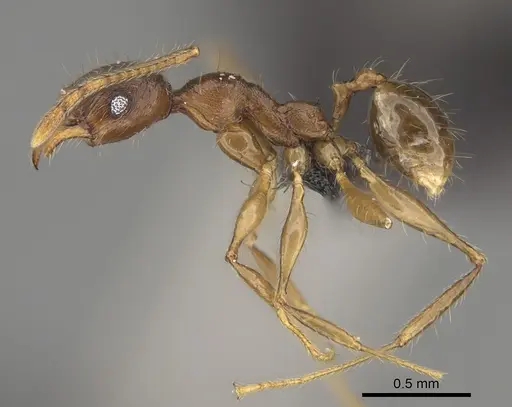
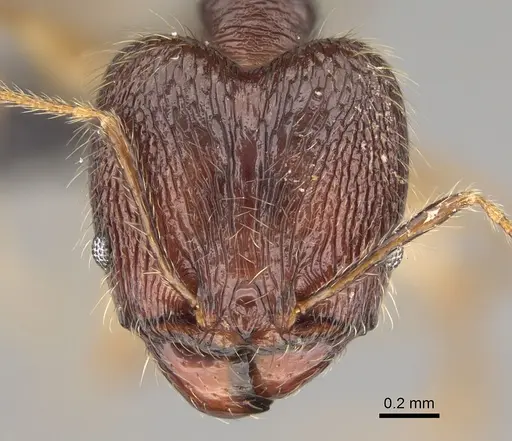
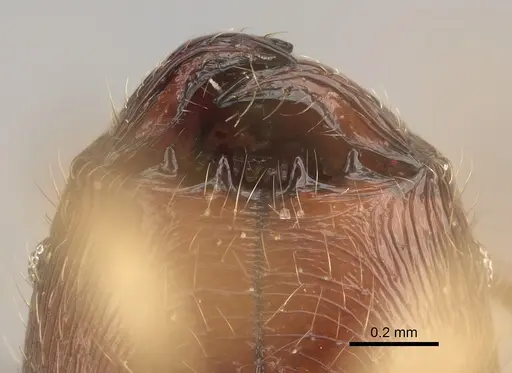
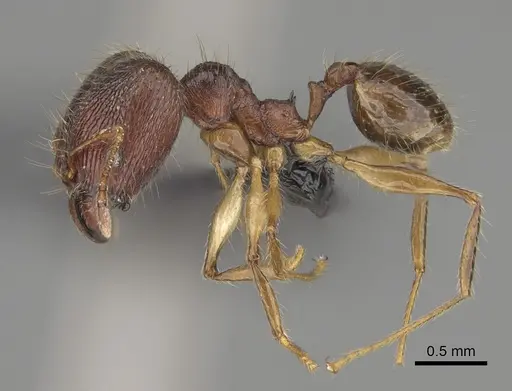
Pheidole mahamavo is a species of ant from southern Madagascar, described in 2020. It belongs to the Pheidole sikorae group. Major and minor workers are brown. It inhabits montane rainforest at 900m elevation, nesting in leaf litter . Total body length data is unavailable from the research. This species is notable for its montane rainforest origin, suggesting it prefers cooler, humid conditions. It can be identified by specific rugae patterns on the heads of major workers .
Quick Summary
- Difficulty: Medium
- Origin & Habitat: Southern Madagascar (Toliara region), Parc National d'Andohahela at 900m elevation in montane rainforest. Nests in leaf litter on the forest floor [1].
- Colony Type: Unconfirmed, colony structure has not been directly studied for this species.
- Size & Growth:
- Queen: Size data unavailable, no queen specimens have been described. Inferred from Pheidole genus, queens are likely around 5-7mm in total length.
- Worker: Total body length data unavailable for workers. Minor workers are very small, major workers are larger, but specific measurements are not provided in the research.
- Colony: Unknown, no colony size data exists for this species.
- Growth: Unknown, no development timing data exists.
- Development: Unknown, no specific data for this species. (Development time is unconfirmed.)
- Antkeeping:
- Temperature: Based on montane rainforest origin, keep temperatures cool, around 20-24°C. Avoid overheating [1].
- Humidity: Keep nest substrate consistently moist but not waterlogged, as this species nests in leaf litter in humid forests [1].
- Diapause: Unknown, no data on overwintering requirements.
- Nesting: Natural nesting in leaf litter suggests they do well in naturalistic setups with moist substrate. Y-tong or plaster nests work well [1].
- Behavior: Pheidole species are generally non-aggressive. They have functional stingers but are too small to cause pain to humans. Escape risk is moderate due to small size, use standard barrier methods. They are ground-nesting and likely forage in leaf litter.
- Common Issues: high humidity requirements mean mold can develop if ventilation is poor, ensure some airflow while maintaining moisture, tiny minor workers can escape through standard barriers if not careful, use fine mesh barriers, maintaining proper humidity is critical to prevent mold and colony stress, temperature must be kept cool to avoid overheating, as this species is adapted to montane conditions
Natural History and Origin
Pheidole mahamavo was described in 2020 from specimens collected in southern Madagascar. The type locality is Parc National d'Andohahela, at 900 meters elevation in montane rainforest. The species nests in leaf litter on the forest floor [1]. This reflects the island's ant diversity and the preference for humid, cool habitats.
Housing and Nest Setup
For this leaf-litter dwelling species, naturalistic setups with moist substrate work well. A Y-tong nest with appropriately sized chambers or a plaster nest can maintain humidity. Provide a moisture gradient so ants can regulate their own conditions. Because minor workers are very small, ensure outworld barriers have no gaps. Standard test tube setups work for founding colonies, but monitor for escapes [1].
Feeding and Diet
Like most Pheidole species, these ants are opportunistic omnivores. In captivity, offer a varied diet: protein sources like small crickets or fruit flies, along with sugar sources like honey water. Feed protein 2-3 times per week and keep a constant sugar water source available. Remove uneaten prey after 24-48 hours to prevent mold.
Temperature and Humidity
Based on montane origin, aim for 20-24°C as a starting point, avoid temperatures above 28°C. Humidity is critical, keep nest substrate damp but not waterlogged. A water tube connected to the nest provides a reliable humidity source. Combine this with adequate ventilation to prevent mold problems [1].
Growth and Development
No specific development data exists for this species. Growth rate is unknown. Pheidole colonies typically have distinct major and minor castes, but timing for caste appearance is unconfirmed for this species.
Frequently Asked Questions
How long does it take for Pheidole mahamavo to produce first workers?
Development time is unconfirmed for this specific species. No data exists on egg-to-worker timing [1].
What temperature do Pheidole mahamavo ants need?
Based on their montane rainforest origin, they prefer cooler conditions around 20-24°C. Avoid overheating [1].
Are Pheidole mahamavo ants good for beginners?
This species is rated as medium difficulty. Limited specific care information is available since it was described in 2020. Experience with small ants is helpful.
How big do Pheidole mahamavo colonies get?
Colony size is unknown, no data exists for this species.
What do I feed Pheidole mahamavo ants?
Offer a varied diet: small protein sources like fruit flies or crickets 2-3 times per week, plus constant access to sugar water. Remove uneaten prey after 24-48 hours.
Can I keep multiple Pheidole mahamavo queens together?
Colony structure is unconfirmed for this species. Most Pheidole are single-queen colonies, but combining queens is not recommended without evidence.
Do Pheidole mahamavo ants need hibernation?
Diapause requirements are unknown. As a Madagascar montane species, they may have reduced overwintering needs.
Why is my Pheidole mahamavo colony dying?
Common causes include temperature too high, humidity too low or too high, poor escape prevention, or inadequate diet. Review these factors and adjust accordingly.
When should I move my colony to a formicarium?
For founding colonies, keep them in a test tube setup until the colony has enough workers and the test tube is crowded. Then move to a small formicarium or nest.
Report an Issue
The current care sheet is based fully on literature. See inconsistencies, or something that's incorrect? Please , it will be resolved after review from an admin. Contributing to the blogs tab also helps providing information, to make us be able to further improve the caresheets. Thank you for your support!
References

This caresheet is licensed under CC BY-SA 4.0 .
Community Blogs
CASENT0455922
View on AntWeb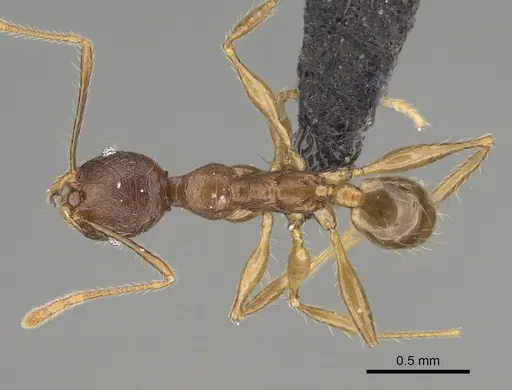
CASENT0923292
View on AntWeb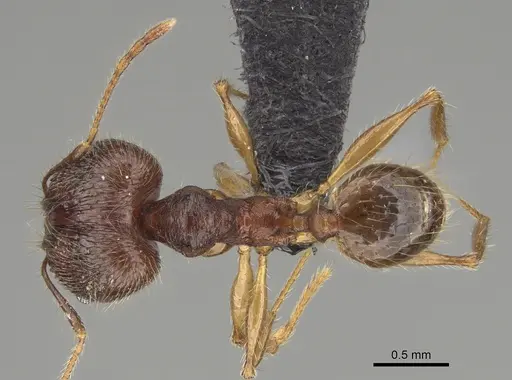
Literature
Loading distribution map...Loading products...