
Pheidole magna
- Sci. Name
- Pheidole magna
- Tribe
- Attini
- Subfamily
- Myrmicinae
- Author
- Eguchi, 2006
- Distribution
- Found in 1 countries
Introduction
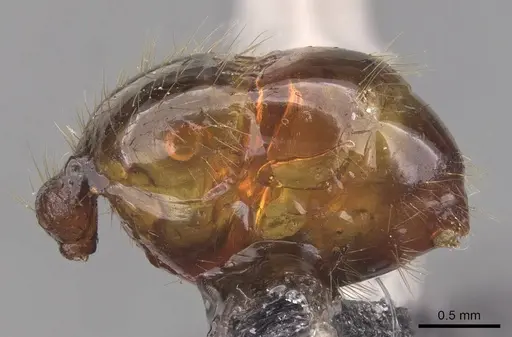
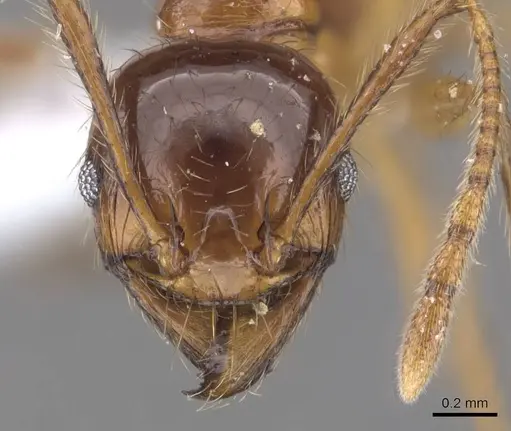
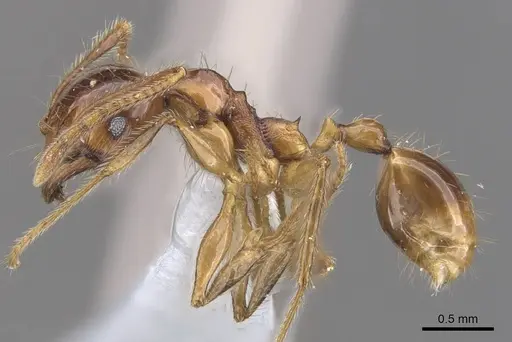
Pheidole magna is a large-bodied ant species native to northern Vietnam. It occurs at high altitudes (1000m+) in both open habitats and forests, nesting in soil and rotting logs . A notable trait is that major workers function as repletes, storing liquid food in their abdomens to share with the colony .
Quick Summary
- Difficulty: Medium
- Origin & Habitat: Northern Vietnam, high altitudes (1000m+) in open to forested areas, nesting in soil and rotting logs [1][2].
- Colony Type: Colony structure is unconfirmed from available literature.
- Size & Growth:
- Queen: Size data unavailable, no total length measurements in literature.
- Worker: Size data unavailable, no total length measurements in literature.
- Colony: Colony size not documented, estimated based on typical Pheidole patterns.
- Growth: Moderate, inferred from genus patterns.
- Development: Unconfirmed, estimated 6-10 weeks at room temperature based on typical Pheidole development. (This is an estimate, species-specific data is not available.)
- Antkeeping:
- Temperature: Keep cooler than tropical ants, around 18-22°C, based on high-altitude origin.
- Humidity: Keep nest substrate moist but not waterlogged, with drier areas available, as they nest in soil and rotting logs [1].
- Diapause: Diapause requirements are unconfirmed. As a high-altitude species, a winter rest period may be beneficial.
- Nesting: Use naturalistic setups with soil substrate or Y-tong/plaster nests, providing space for majors to function as repletes [1].
- Behavior: This species is generally calm. Major workers serve as repletes, storing liquid food. Escape risk is moderate due to small minors, use fine mesh barriers.
- Common Issues: overheating can be fatal, keep below 22°C., improper humidity can cause issues, maintain moist but not waterlogged substrate., small minors can escape, use fine mesh barriers., wild-caught colonies may have parasites, source from reputable breeders.
Nest Preferences and Housing
In nature, Pheidole magna nests in soil and rotting logs [1]. You can use a naturalistic setup with soil substrate or a Y-tong/plaster nest that maintains appropriate humidity. Provide a moist substrate with some drier areas to mimic their forest floor environment. Since majors serve as repletes, ensure space for them to store liquid food [1].
Feeding and Diet
Like other Pheidole species, these ants are omnivorous. Offer protein sources like small insects regularly. Since majors function as repletes, they can accept liquid sugar sources like sugar water or honey water. Feed protein 2-3 times per week and keep a sugar source available. Remove uneaten food promptly to prevent mold.
Temperature and Seasonal Care
This is a high-altitude species, so keep them cooler than typical tropical ants. Aim for 18-22°C and avoid overheating. During winter, consider a reduced temperature period to simulate natural seasonal cycles, but diapause requirements are unconfirmed.
Behavior and Colony Dynamics
The most distinctive trait is that major workers serve as repletes, storing liquid food to share with the colony [1]. Colonies are generally calm and not aggressive. Foraging activity is moderate, with workers collecting food resources.
Growth and Development
Colony growth is expected to be moderate. First workers may take 6-10 weeks to develop based on typical Pheidole patterns. Patience is important, as colonies often take time to establish.
Frequently Asked Questions
How long does it take for Pheidole magna to get first workers?
The exact timeline is unconfirmed, but based on typical Pheidole development, expect 6-10 weeks from egg to first worker at room temperature.
What do Pheidole magna ants eat?
They are omnivorous. Offer protein like small insects 2-3 times per week. Since majors function as repletes, they can accept sugar water or honey water.
What temperature do Pheidole magna ants need?
Keep them around 18-22°C, as they prefer cooler conditions due to their high-altitude origin.
Do Pheidole magna ants need hibernation?
Diapause is unconfirmed, but a winter rest period may be beneficial given their high-altitude habitat.
Are Pheidole magna good for beginners?
They are rated Medium difficulty. Challenges include cooler temperature needs and potential slower growth. Beginners should ensure they can provide appropriate conditions.
How big do Pheidole magna colonies get?
Colony size is not documented. Based on typical Pheidole patterns, they may reach several hundred workers at maturity.
Can I keep multiple Pheidole magna queens together?
Colony structure is unconfirmed, and Pheidole are typically single-queen colonies. Combining unrelated queens is not recommended.
What size nest do Pheidole magna need?
Use a nest with chambers sized for their large majors to move through comfortably. A Y-tong or plaster nest with soil-like moisture retention works well [1].
Why are my Pheidole magna dying?
Common causes include overheating, improper humidity, lack of winter rest, or parasites from wild-caught colonies. Ensure cool, stable conditions and appropriate moisture.
Report an Issue
The current care sheet is based fully on literature. See inconsistencies, or something that's incorrect? Please , it will be resolved after review from an admin. Contributing to the blogs tab also helps providing information, to make us be able to further improve the caresheets. Thank you for your support!
References

This caresheet is licensed under CC BY-SA 4.0 .
Community Blogs
CASENT0905883
View on AntWeb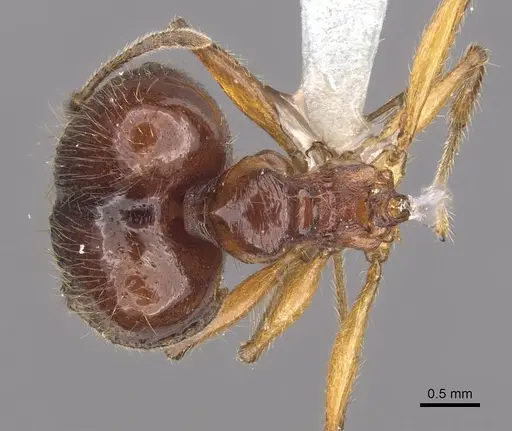
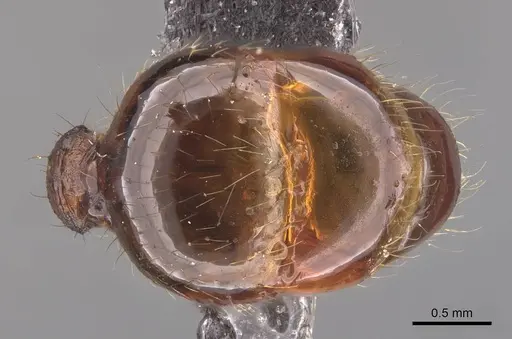
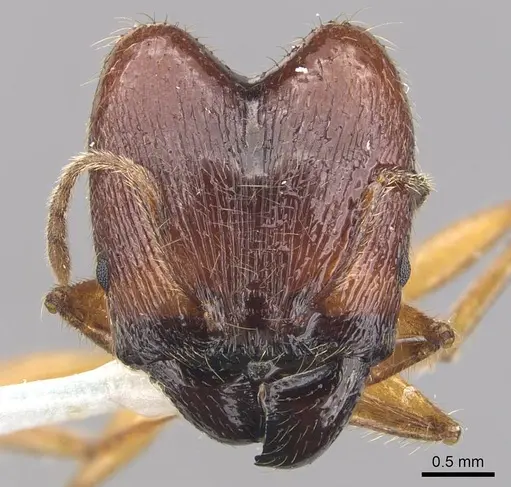
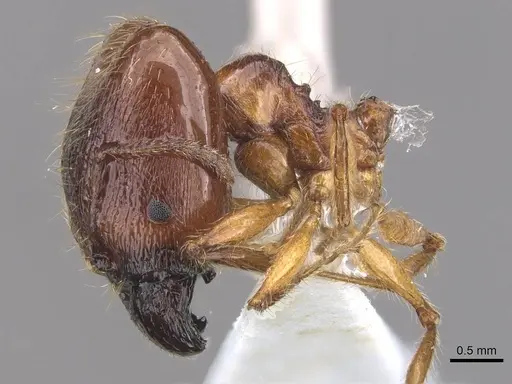
CASENT0905884
View on AntWeb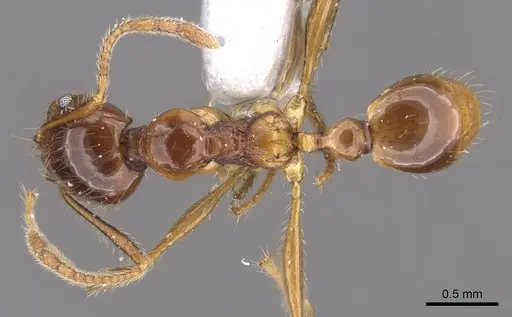
Literature
Loading distribution map...Loading products...