
Pheidole lutea
- Sci. Name
- Pheidole lutea
- Tribe
- Attini
- Subfamily
- Myrmicinae
- Author
- Salata & Fisher, 2020
- Distribution
- Found in 1 countries
Introduction
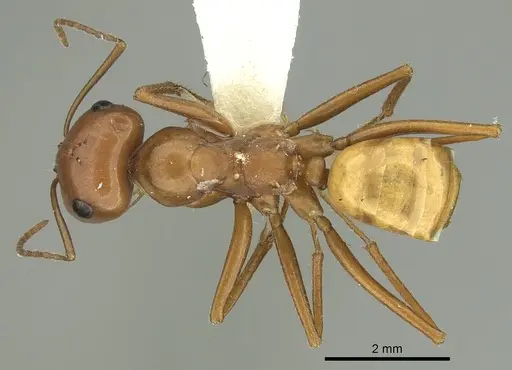
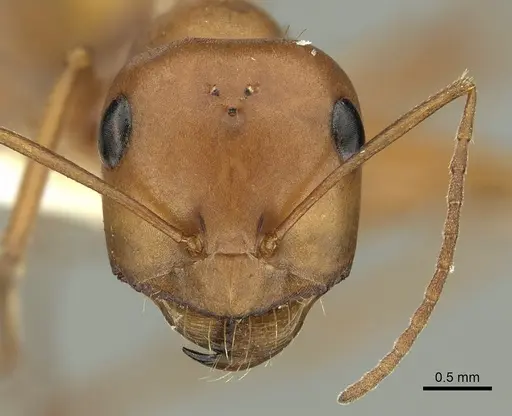
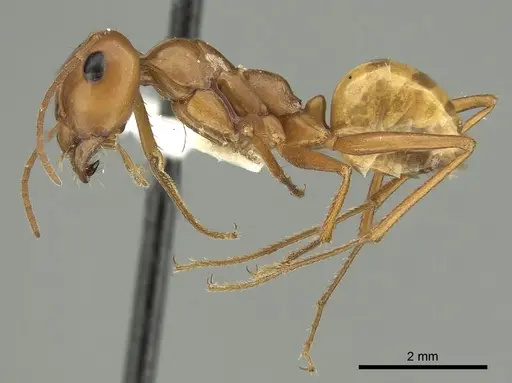
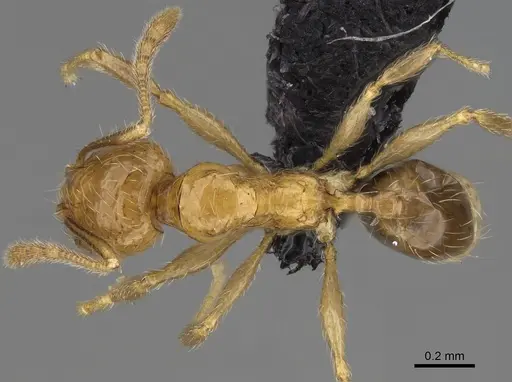
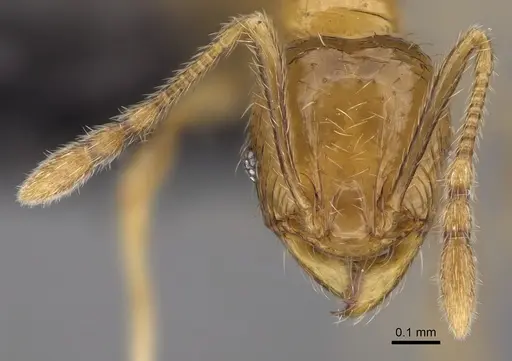
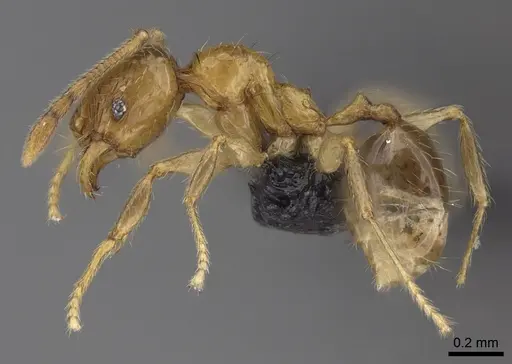
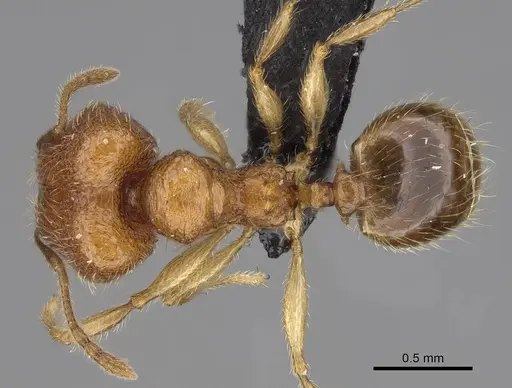
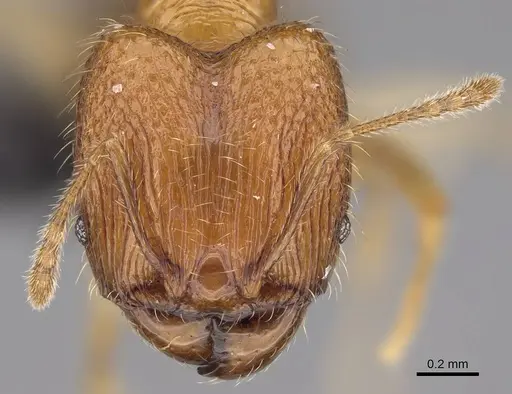
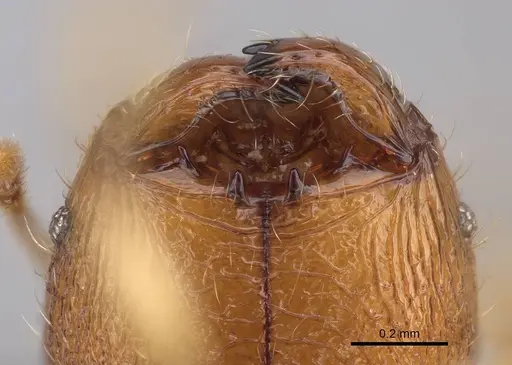
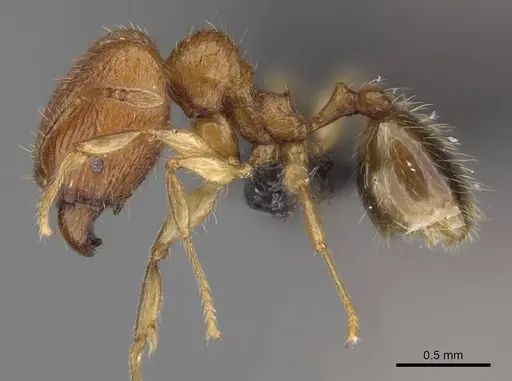
Pheidole lutea is a tiny ant species from Madagascar, first described in 2020. Minor workers are yellow, while major workers are orange to bright brown, showing classic Pheidole dimorphism with large-headed majors and small minors . The species is found in gallery forest at 725m elevation, nesting in rotten logs . It belongs to the Pheidole lutea group and is named after the Latin word for yellow, referring to its coloration .
Quick Summary
- Difficulty: Medium
- Origin & Habitat: Madagascar, Fianarantsoa region in Parc National d'Isalo, gallery forest at 725m elevation, nesting in rotten logs [1].
- Colony Type: Colony structure is unconfirmed, no data on queen number or social structure [1].
- Size & Growth:
- Queen: Not documented, no queen specimens described [1].
- Worker: Size data unavailable, no total length measurements in context. Inferred from Pheidole genus, workers are typically small, but specific size for P. lutea is not provided [1].
- Colony: Unknown, no colony size data exists.
- Growth: Unknown, estimated moderate based on genus patterns.
- Development: Estimated 6-8 weeks based on typical Pheidole development at tropical temperatures. (This is an estimate, no direct development data exists for this species.)
- Antkeeping:
- Temperature: Keep warm, around 24-28°C, based on tropical origin.
- Humidity: Keep nest substrate consistently moist but not waterlogged, based on gallery forest habitat.
- Diapause: No diapause expected, tropical species likely active year-round.
- Nesting: Provide nests with rotting wood material, as they nest in rotten logs in the wild [1].
- Behavior: These ants are tiny and generally non-aggressive. Major workers have large heads for seed processing but are not aggressive defenders. Escape risk is high due to their small size, use fine mesh barriers to prevent escapes.
- Common Issues: tiny size makes escape likely without fine mesh barriers, humidity control is important, too dry causes brood loss, limited information available since species was described in 2020
Housing and Nest Setup
Pheidole lutea nests in rotten logs in the wild, so provide a nest with rotting wood material or wood-themed setups like Y-tong or plaster nests [1]. Chambers should be scaled to their tiny size, use fine passages to prevent escapes. Connect a water tower or test tube for humidity control. Since they are small, standard test tube setups may work for founding colonies, but ensure tight lids and fine mesh on outworld covers.
Feeding and Diet
Like other Pheidole species, P. lutea is likely an opportunistic feeder. Offer small live prey like fruit flies or pinhead crickets, and carbohydrate sources like sugar water or honey. Food should be appropriately sized for their tiny workers. Feed protein 2-3 times per week and keep sugar water available.
Temperature and Humidity
As a tropical species, keep temperatures around 24-28°C to support brood development. Create a temperature gradient with a heating cable on one side. Humidity should be moderate to high, with moist nest substrate to mimic their gallery forest habitat. Monitor condensation and rehydrate as needed.
Colony Development and Expectations
This species was described in 2020,so captive breeding data is limited. Queens have not been documented, and founding behavior is unconfirmed. Based on typical Pheidole patterns, egg to worker development is estimated at 6-8 weeks at tropical temperatures. Growth rate is likely moderate. Be patient with founding colonies, it may take time to see stable growth.
Behavior and Temperament
Pheidole lutea is a peaceful species. Major workers are not aggressive defenders, and minor workers handle daily tasks. Their tiny size means they pose no sting danger to humans, but escape prevention is critical. Use Fluon on rims and fine mesh on covers to prevent escapes. Defense mechanism is a sting, as typical for Myrmicinae ants.
Frequently Asked Questions
How long does it take for Pheidole lutea to produce first workers?
Estimated 6-8 weeks from egg to first worker at optimal tropical temperatures (24-28°C). This is based on typical Pheidole development patterns since no specific data exists for this species.
What do Pheidole lutea ants eat?
They likely accept small live prey like fruit flies or pinhead crickets, and carbohydrate sources like sugar water or honey. Food should be appropriately sized for their tiny workers.
What temperature do Pheidole lutea ants need?
Keep them warm at 24-28°C, based on their tropical Madagascar origin.
Are Pheidole lutea good for beginners?
They are moderate difficulty. The main challenges are their tiny size (escape prevention is critical) and limited care information since the species is newly described.
How big do Pheidole lutea colonies get?
Colony size is unknown, no published data exists for this species.
Do Pheidole lutea need hibernation?
No, as a tropical species, they likely remain active year-round with no diapause needed.
What type of nest is best for Pheidole lutea?
Nests with rotting wood material work well, as they nest in rotten logs in the wild [1]. Y-tong or plaster nests are suitable.
Can I keep multiple Pheidole lutea queens together?
This has not been documented. Colony structure is unconfirmed, and it is not recommended to combine queens without evidence they will accept each other.
Why are my Pheidole lutea escaping?
Their tiny size means they can squeeze through small gaps. Use fine mesh, Fluon on rim edges, and tight-fitting lids to prevent escapes.
Report an Issue
The current care sheet is based fully on literature. See inconsistencies, or something that's incorrect? Please , it will be resolved after review from an admin. Contributing to the blogs tab also helps providing information, to make us be able to further improve the caresheets. Thank you for your support!
References

This caresheet is licensed under CC BY-SA 4.0 .
Community Blogs
Literature
Loading distribution map...Loading products...