
Pheidole longispinosa
- Sci. Name
- Pheidole longispinosa
- Tribe
- Attini
- Subfamily
- Myrmicinae
- Author
- Forel, 1891
- Distribution
- Found in 2 countries
Introduction
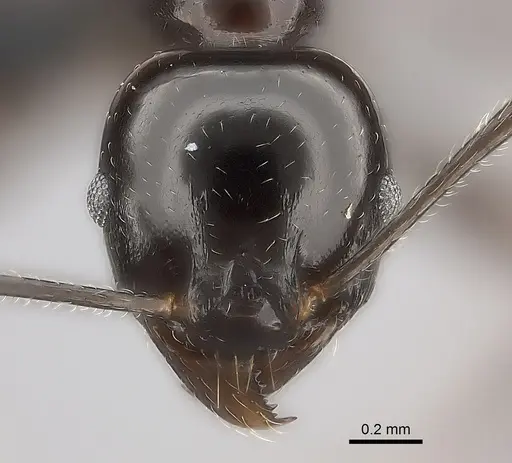
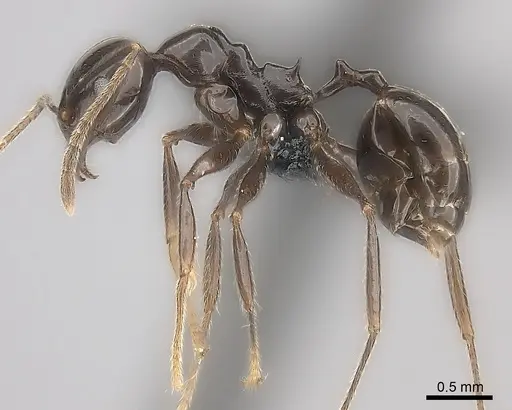
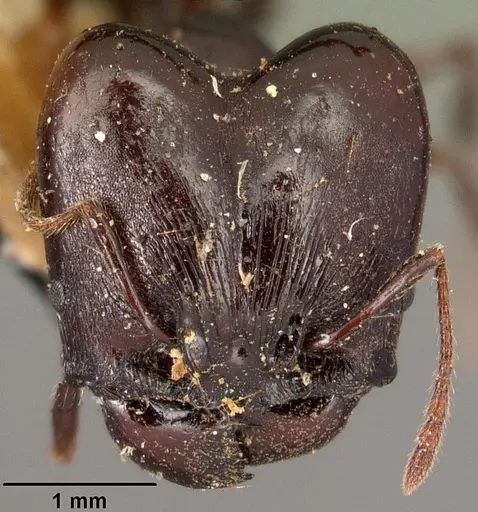
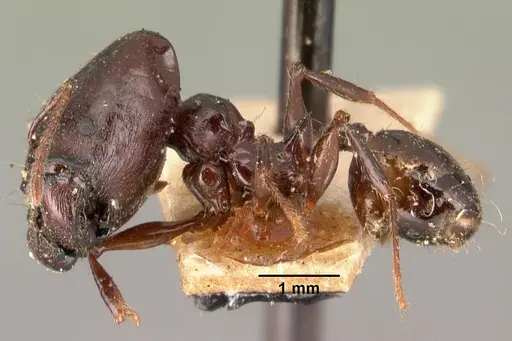
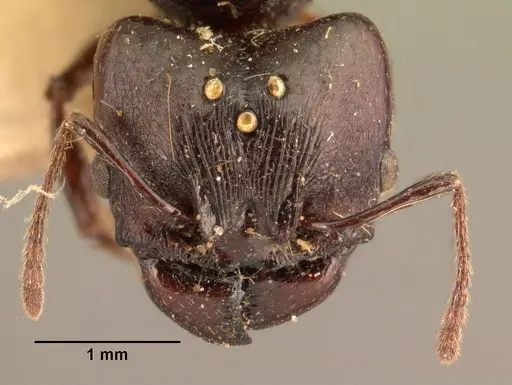
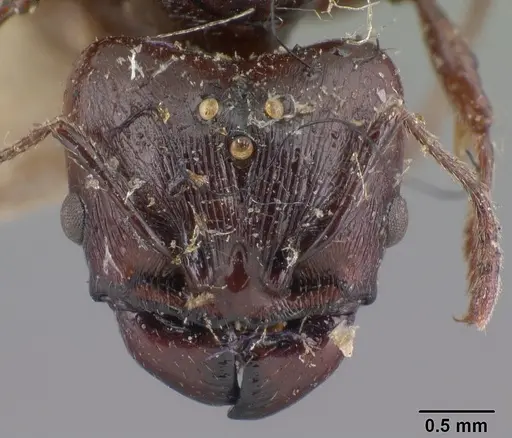
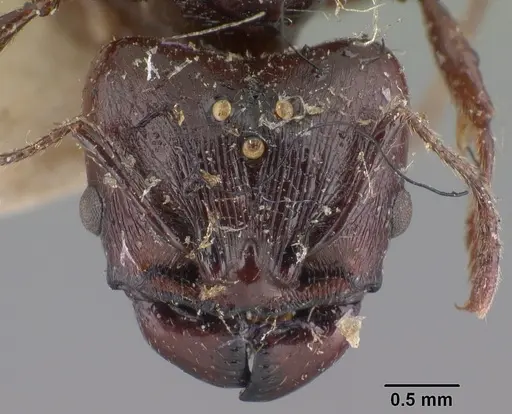
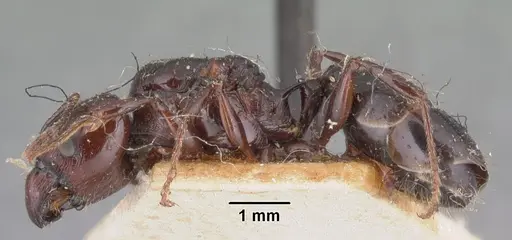
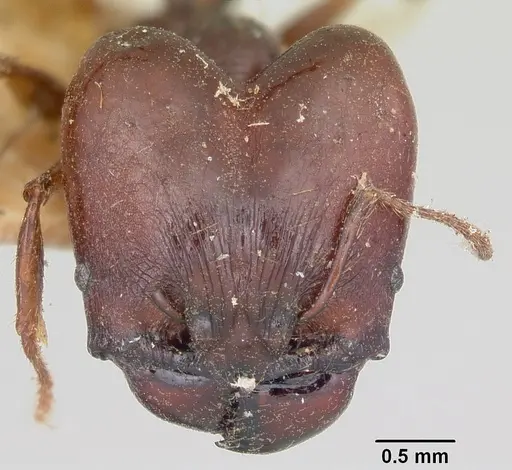
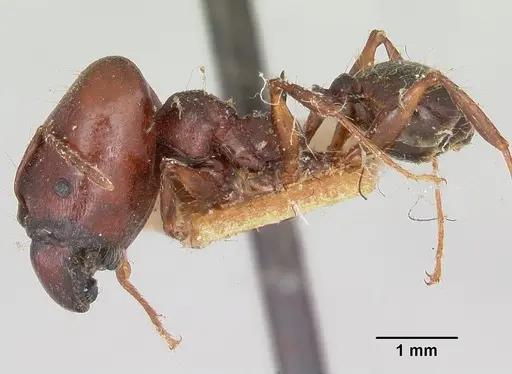
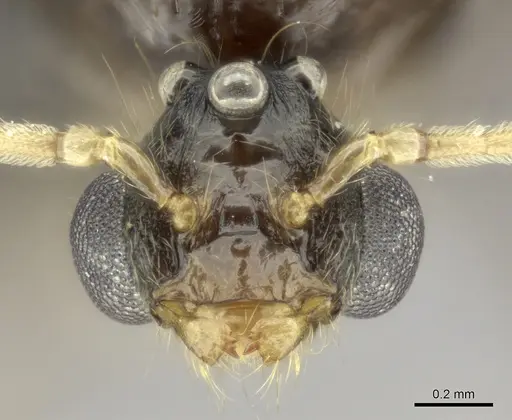
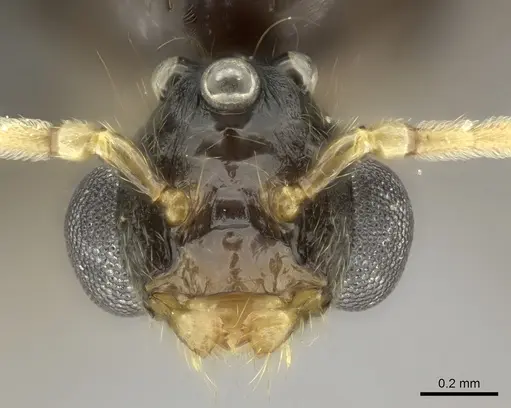
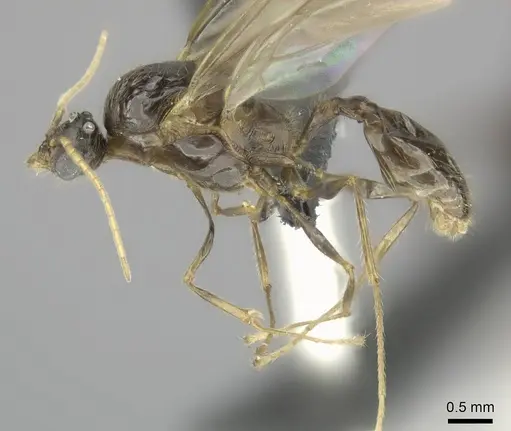
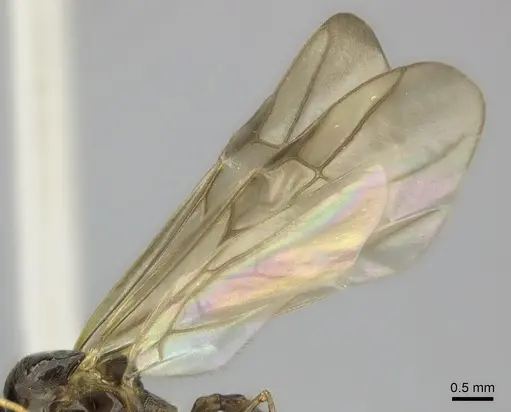
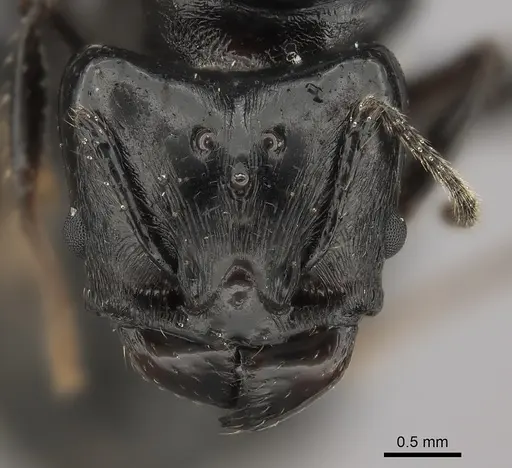
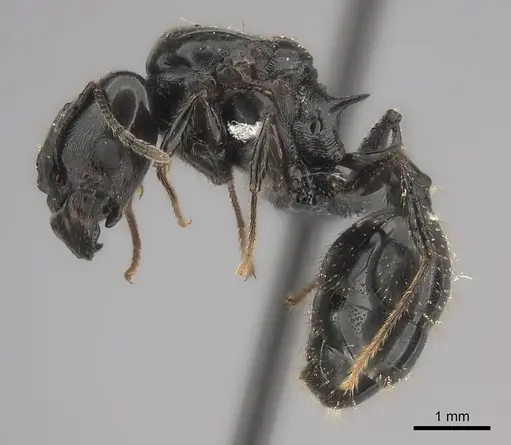
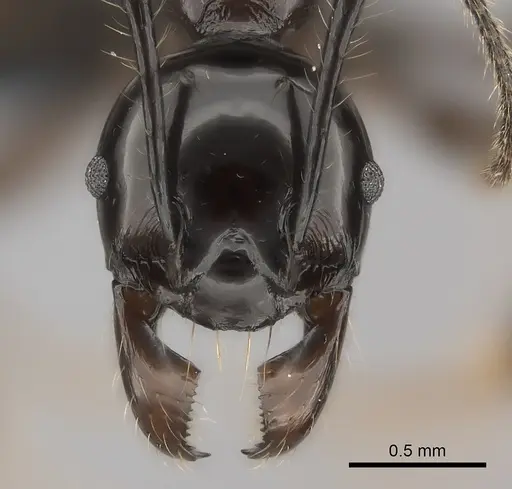
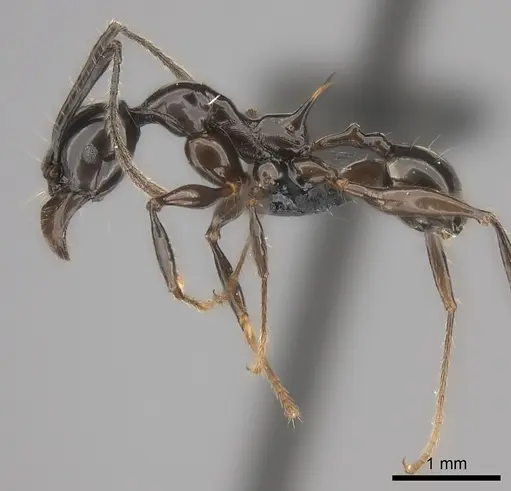
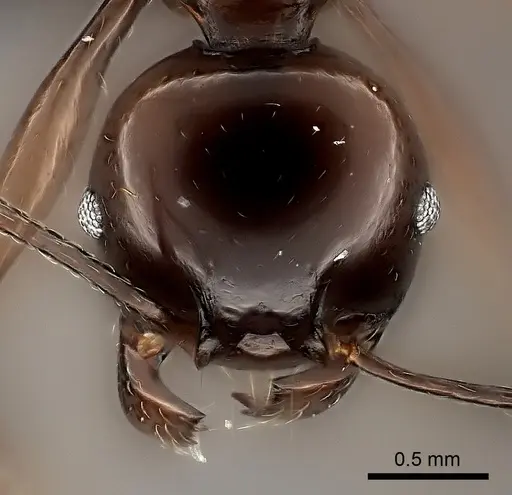
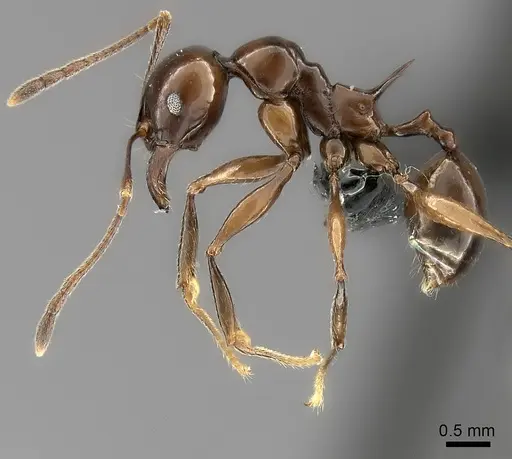
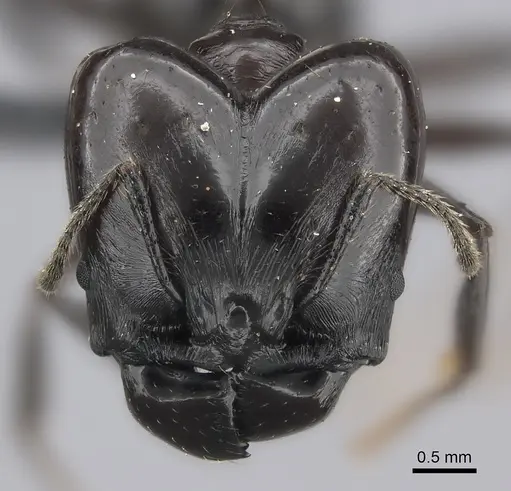
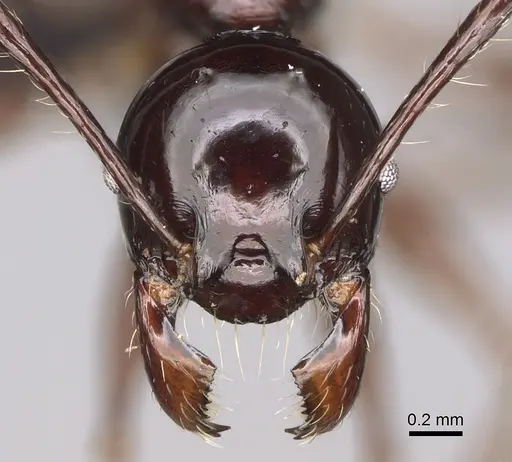
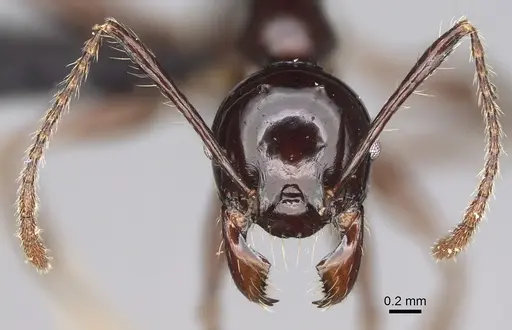
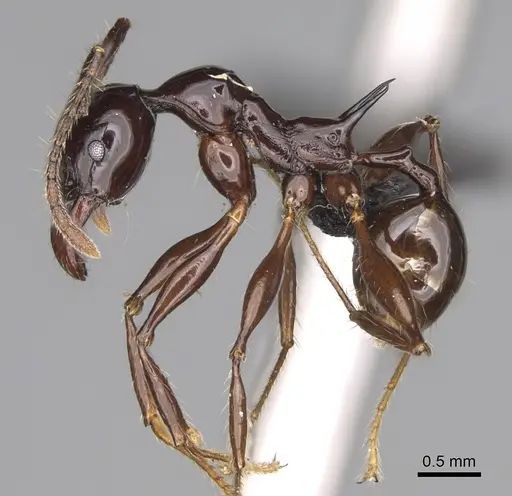
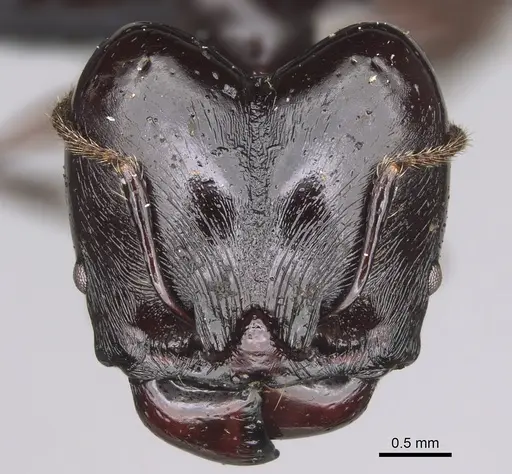
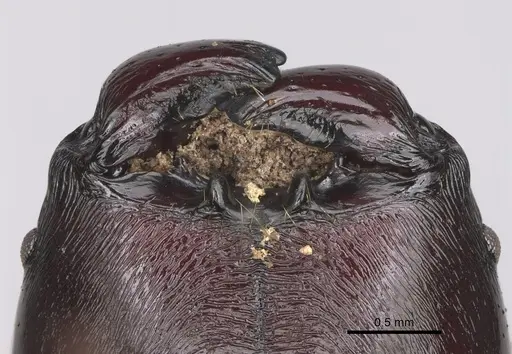
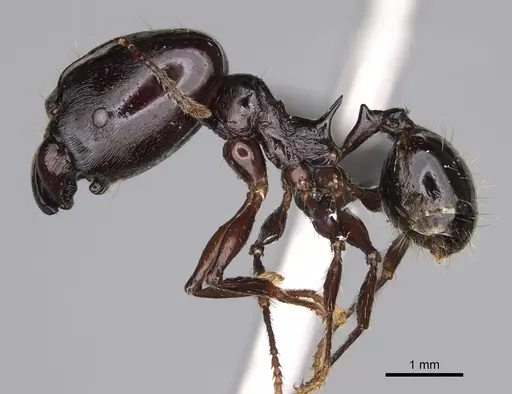
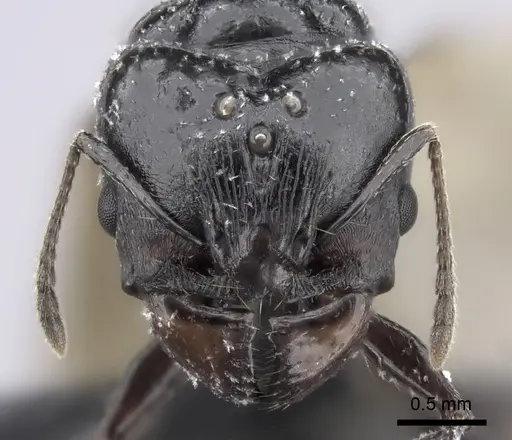
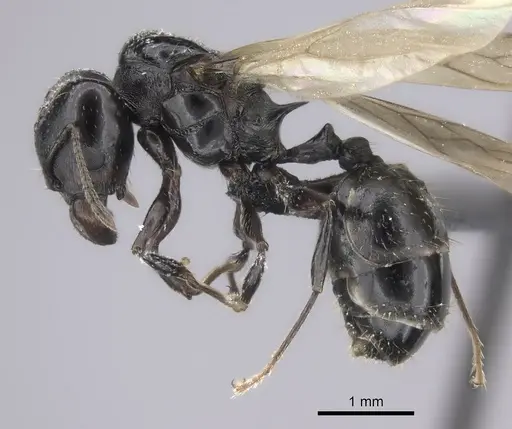
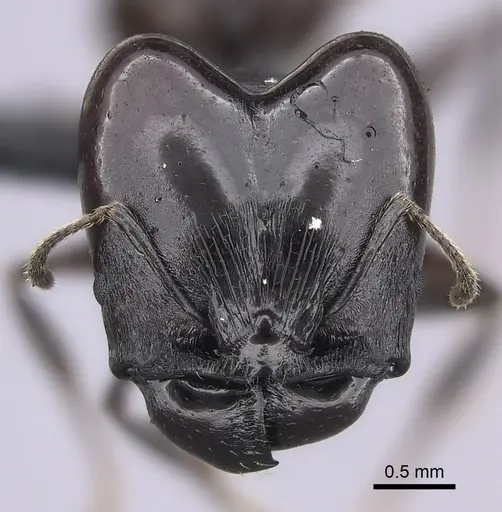
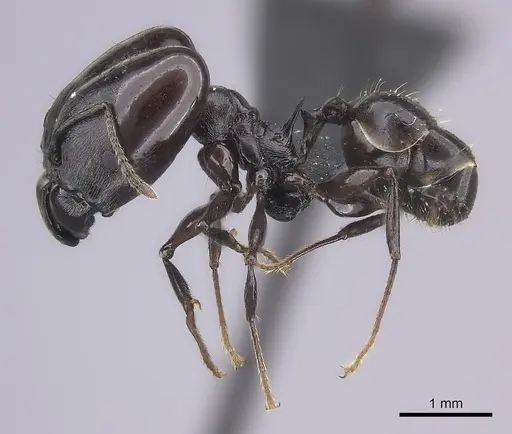
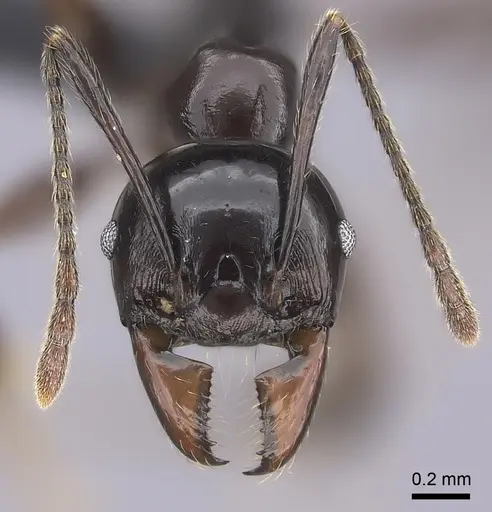
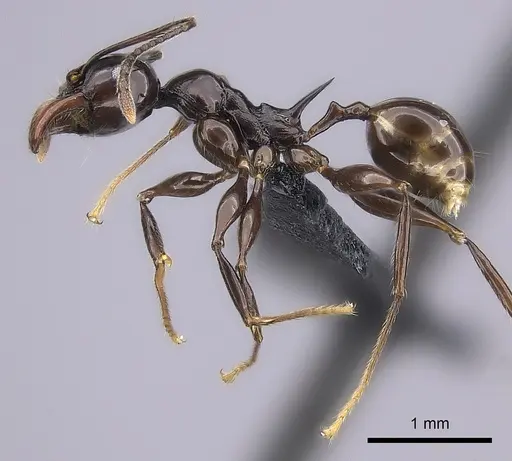
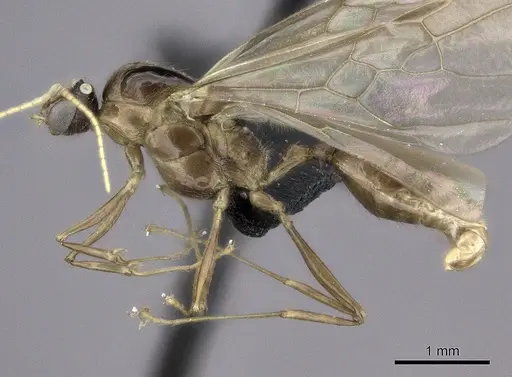
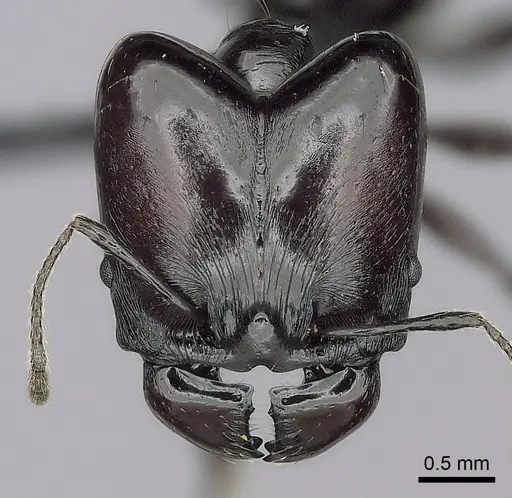
Pheidole longispinosa is a large ant species native to Madagascar. Majors have massive heads with very long propodeal spines, while minors are smaller and sleeker. Body size data is unavailable, but major workers have head lengths of 2.62-3.00 mm . The species is brown to dark brown and found in montane rainforest, shrubland, thicket, tropical dry forest, and urban areas at elevations of 80-1680 m . Colonies nest in rotten logs, tree stumps, soil, and rock crevasses . This species is a dominant predator in its native habitat, known for aggressive defense of territory, raiding rival ant colonies, and sophisticated behaviors like rescue of trapped nestmates and collective decision-making on prey .
Quick Summary
- Difficulty: Medium
- Origin & Habitat: Madagascar, in montane rainforest, shrubland, thicket, tropical dry forest, and urban areas at 80-1680 m elevation [1][2]. Nests in rotten logs, tree stumps, soil, and rock crevasses [1].
- Colony Type: Unconfirmed, no specific research on colony structure for this species.
- Size & Growth:
- Queen: size data unavailable
- Worker: size data unavailable
- Colony: Up to 1010 workers [3]
- Growth: Moderate, inferred from Pheidole genus patterns
- Development: Estimated 6-8 weeks at optimal temperature, inferred from Pheidole genus patterns (Development time may vary with temperature and feeding.)
- Antkeeping:
- Temperature: Keep at 22-26°C. This species is from rainforest habitat, so avoid temperatures below 18°C.
- Humidity: Keep substrate consistently moist but not waterlogged, mimicking rotting log habitat [1][2].
- Diapause: No, as a tropical species, diapause is not required.
- Nesting: Y-tong nests with soil or wood chambers, or naturalistic setups with damp material [2].
- Behavior: Aggressive and dominant. Workers attack intruders, including larger ants. Majors participate in combat and prey retrieval. Rescue behavior observed [2].
- Common Issues: tropical species may struggle in cool rooms, monitor temperature closely., aggressive toward other ant colonies, keep well separated., requires high humidity, dry conditions will cause decline., large colony size potential means expanding housing needed., wild-caught colonies may carry parasites, quarantine initially.
Housing and Nest Setup
Use Y-tong nests with soil or wood chambers, or naturalistic setups that mimic rotting log habitat. Provide moist, organic material for tunneling. A test tube setup works for founding colonies, but move to larger housing as the colony grows. Majors need adequate chamber space. Maintain humidity with a water tube or moisture reservoir [2].
Feeding and Diet
This species is predatory and needs protein-rich foods like mealworms, small crickets, and fruit flies. Offer sugar sources like honey or sugar water. Feed protein 2-3 times per week with sugar constantly available. Remove uneaten prey after 24-48 hours to prevent mold [2].
Temperature and Humidity
Maintain temperatures between 22-26°C. Use a heating cable for a gentle gradient if room is cool. Humidity is critical, keep substrate consistently moist but not waterlogged [1][2].
Behavior and Colony Dynamics
Workers are highly territorial and attack intruders. Majors join combat and dismember large prey. Rescue behavior is observed, trapped workers alert nestmates via vibrations, and rescuers cut them free [2]. Conferring behavior occurs when deciding to attack difficult prey [2].
Growth and Development
Colony growth is moderate. First workers (nanitics) emerge in about 6-8 weeks at optimal temperature, inferred from Pheidole genus patterns. Colonies can reach up to 1010 workers in the wild [3]. Transition to formicarium when colony has 30-50 workers or space runs out.
Seasonal Care and Overwintering
As a tropical species, no diapause is required. Monitor activity in cooler months and maintain stable temperatures year-round.
Frequently Asked Questions
How long does it take for Pheidole longispinosa to produce first workers?
Expect first workers in about 6-8 weeks from egg laying at optimal temperature, inferred from Pheidole genus patterns.
What do Pheidole longispinosa ants eat?
They need protein-rich foods like small insects and sugar sources. Feed protein 2-3 times per week with sugar constantly available [2].
Are Pheidole longispinosa ants aggressive?
Yes, they are dominant and will attack intruding ants, including larger predators [2].
What temperature do Pheidole longispinosa ants need?
Keep them at 22-26°C, avoiding temperatures below 18°C.
Do Pheidole longispinosa ants need hibernation?
No, as a tropical species, diapause is not required.
How big do Pheidole longispinosa colonies get?
Up to 1010 workers in mature colonies based on wild observations [3].
What size are Pheidole longispinosa workers?
Body size data is unavailable, but major workers have head lengths of 2.62-3.00 mm [1].
Can I keep multiple Pheidole longispinosa queens together?
Colony type is unconfirmed, so it is not recommended to combine queens without evidence.
What humidity level do Pheidole longispinosa ants need?
Keep substrate consistently moist but not waterlogged, mimicking their natural habitat [1][2].
Are Pheidole longispinosa ants good for beginners?
Medium difficulty due to humidity needs and aggressive nature, but manageable for intermediate keepers.
When should I move Pheidole longispinosa to a formicarium?
Move when the colony reaches 30-50 workers or shows signs of space constraints.
Report an Issue
The current care sheet is based fully on literature. See inconsistencies, or something that's incorrect? Please , it will be resolved after review from an admin. Contributing to the blogs tab also helps providing information, to make us be able to further improve the caresheets. Thank you for your support!
References

This caresheet is licensed under CC BY-SA 4.0 .
Community Blogs
CASENT0048755
View on AntWeb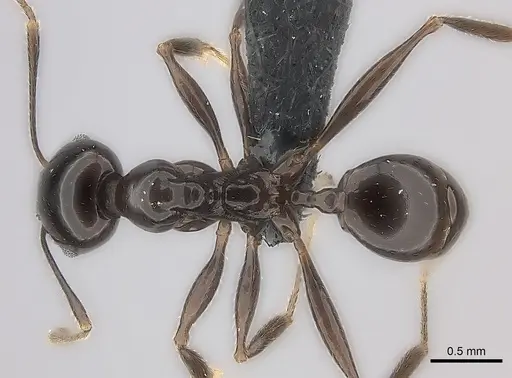
CASENT0101419
View on AntWeb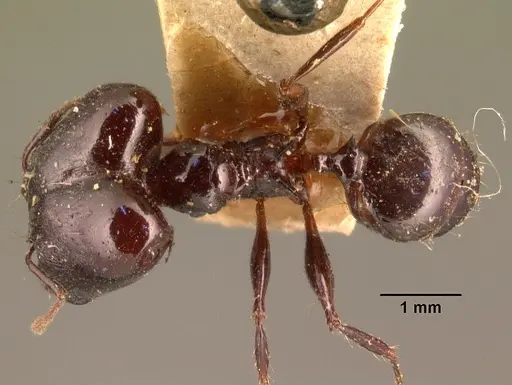
CASENT0101420
View on AntWeb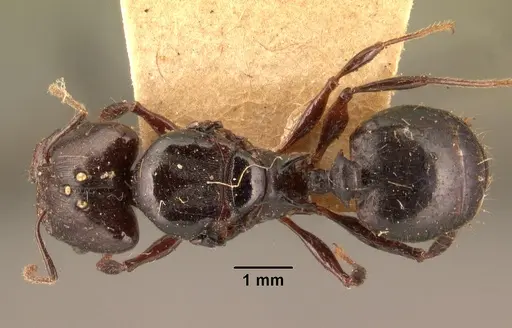
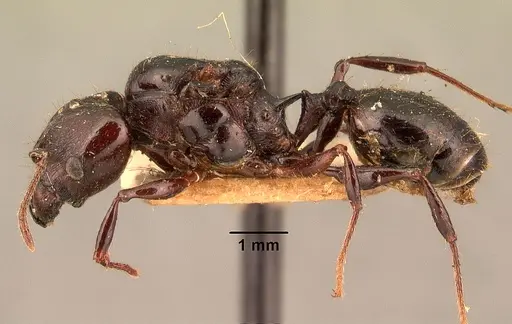
CASENT0101598
View on AntWeb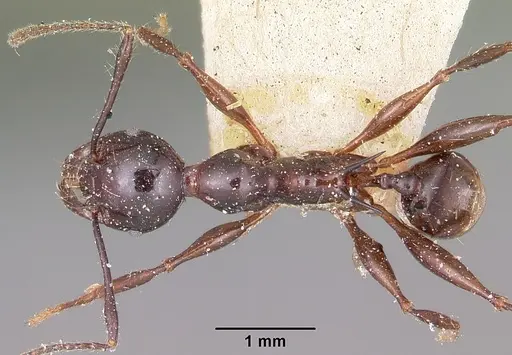
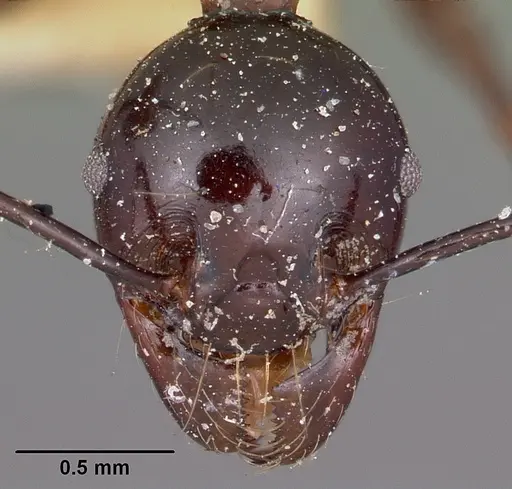
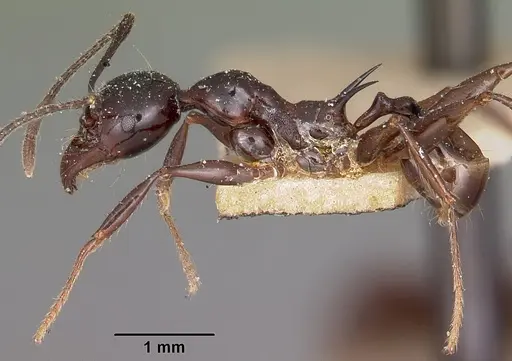
CASENT0101657
View on AntWeb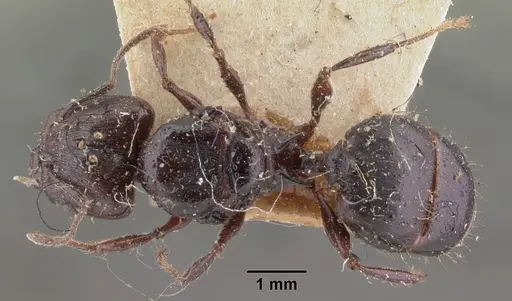
CASENT0101682
View on AntWeb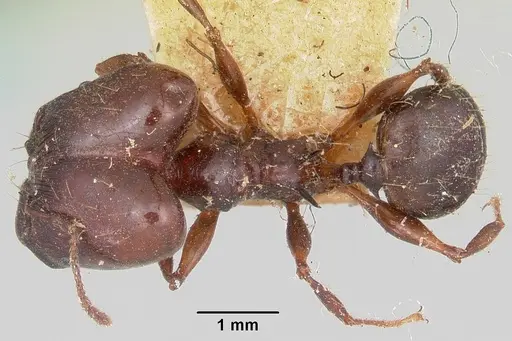
CASENT0148994
View on AntWeb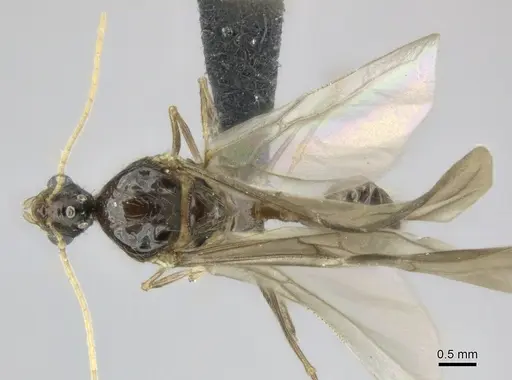
CASENT0148995
View on AntWeb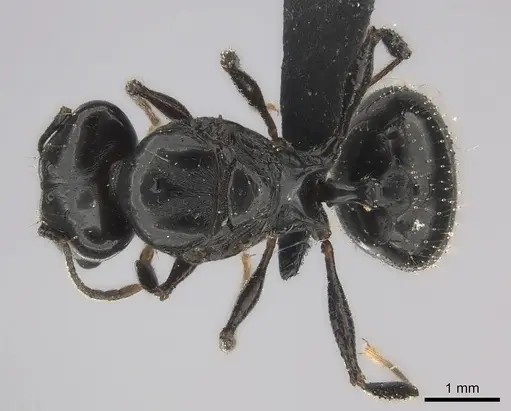
CASENT0148996
View on AntWeb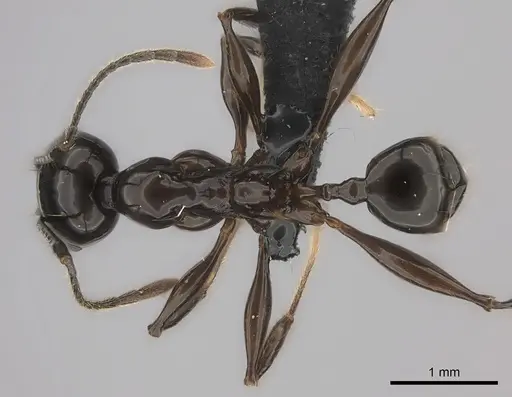
CASENT0198112
View on AntWeb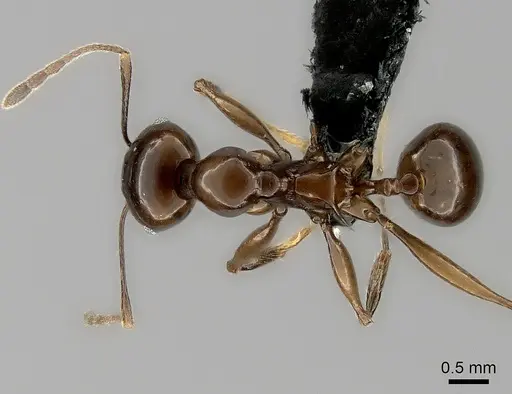
CASENT0235023
View on AntWeb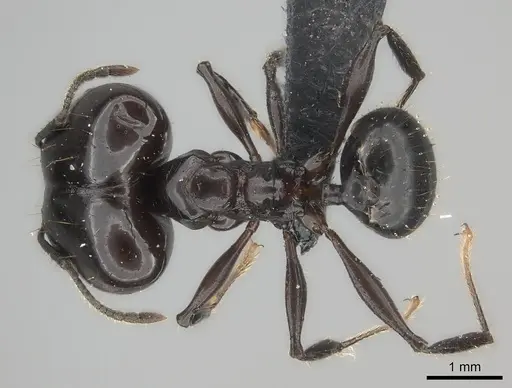
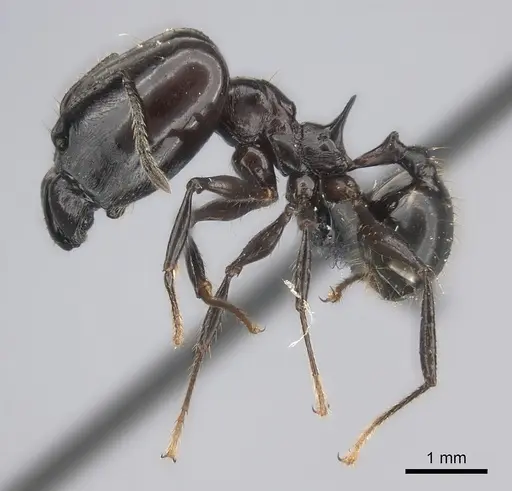
CASENT0235139
View on AntWeb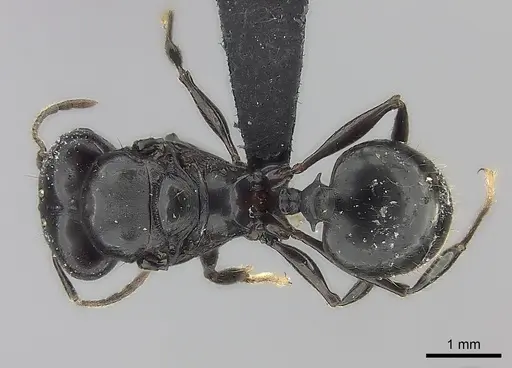
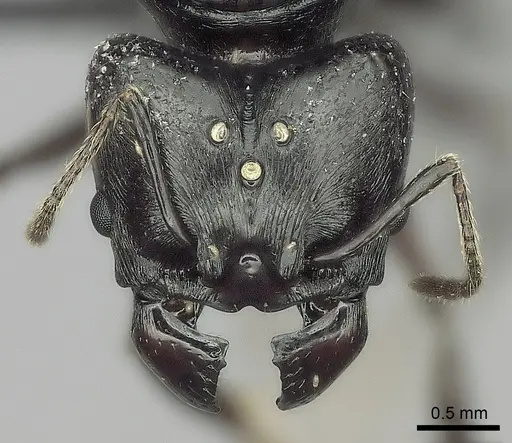
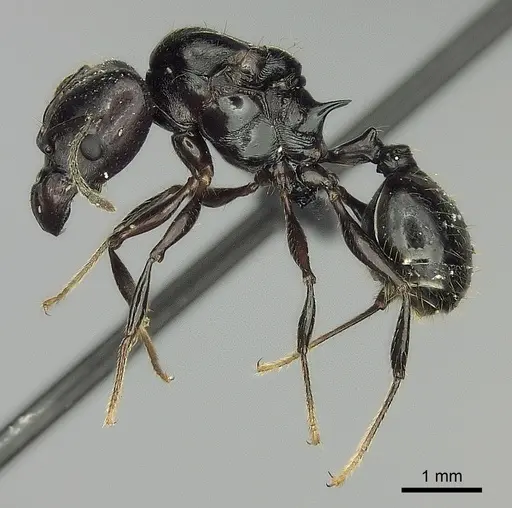
CASENT0451282
View on AntWeb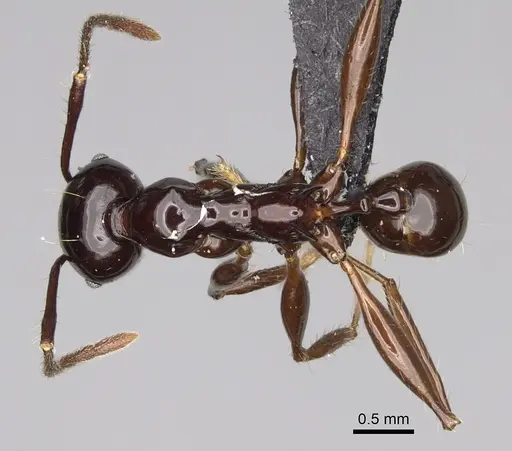
CASENT0451284
View on AntWeb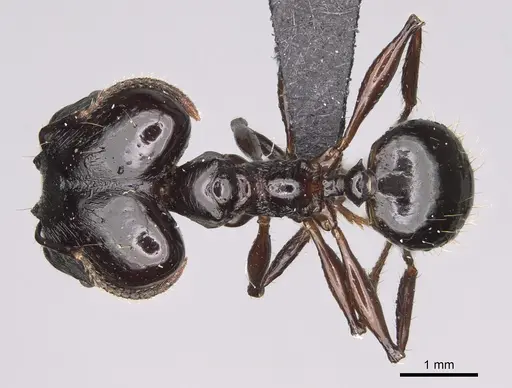
CASENT0455924
View on AntWeb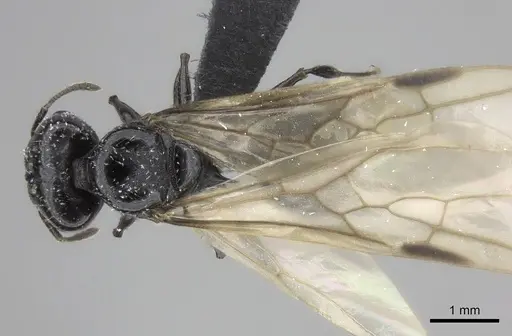
CASENT0455925
View on AntWeb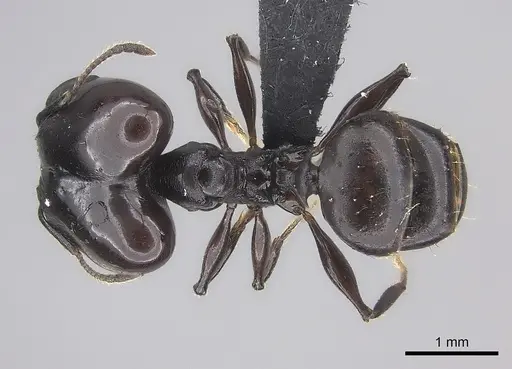
CASENT0455927
View on AntWeb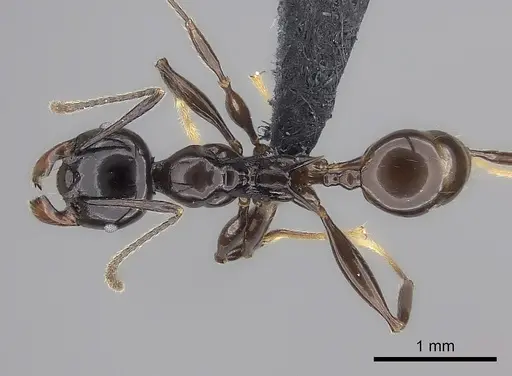
CASENT0455929
View on AntWeb
CASENT0498116
View on AntWeb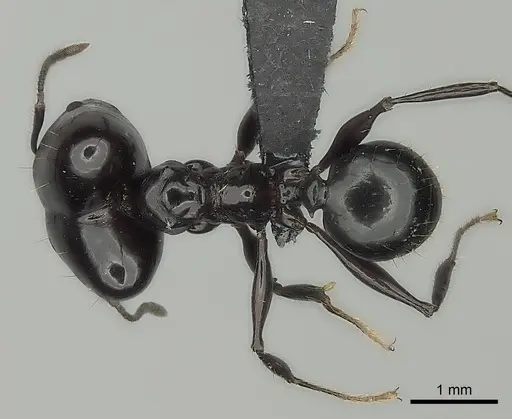
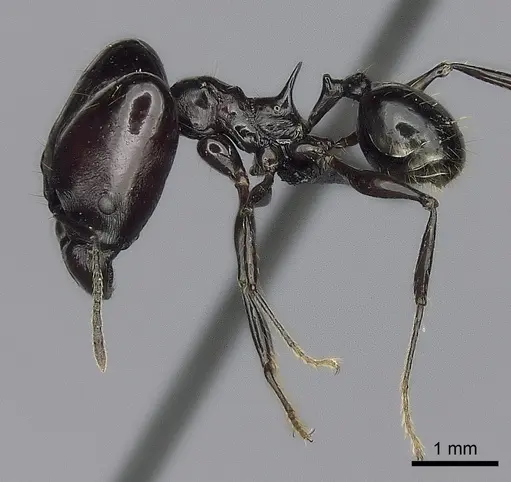
CASENT0923202
View on AntWeb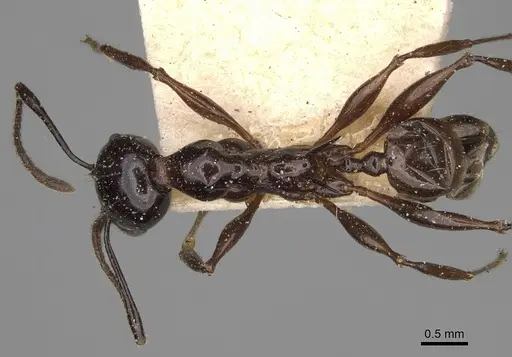
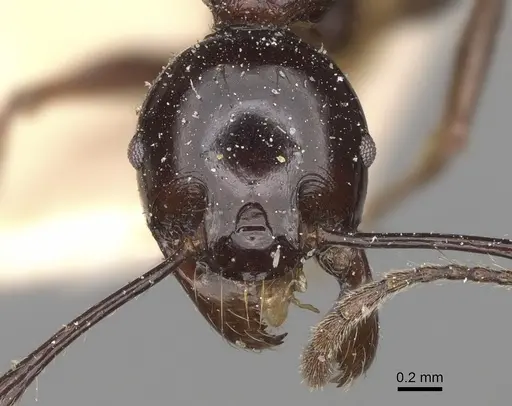
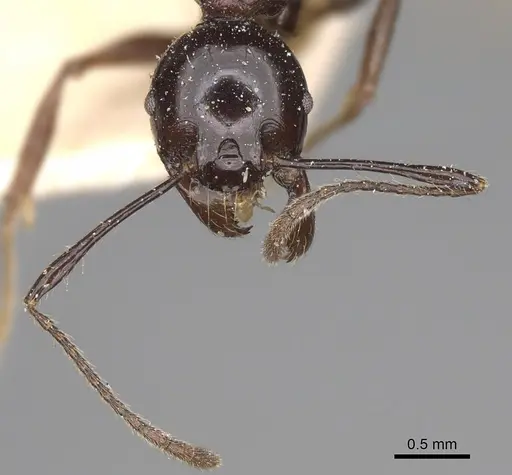
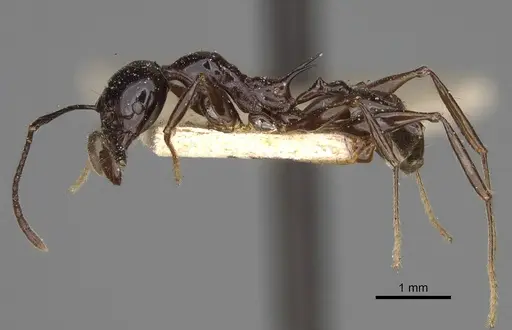
CASENT0923203
View on AntWeb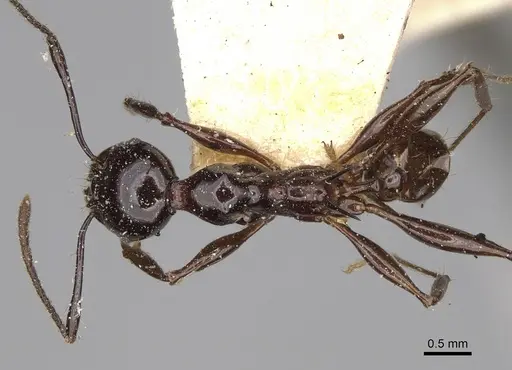
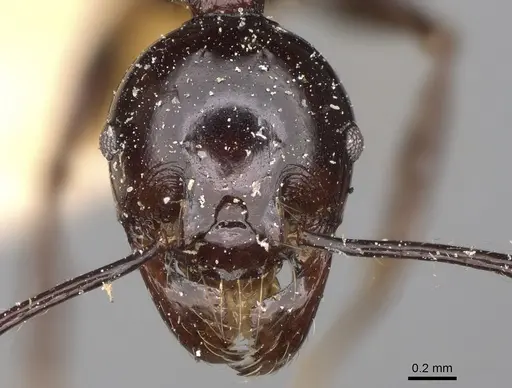
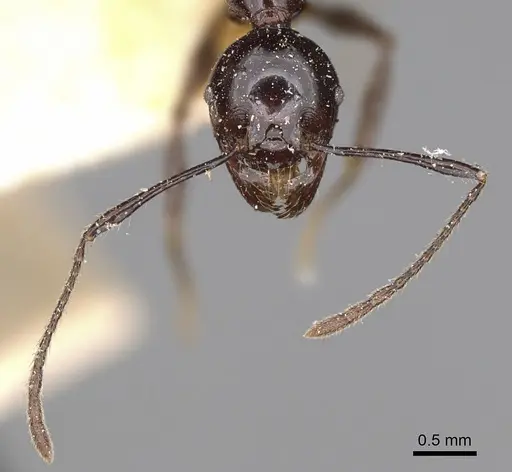
Literature
Loading distribution map...Loading products...