
Pheidole longiscapa
- Sci. Name
- Pheidole longiscapa
- Tribe
- Attini
- Subfamily
- Myrmicinae
- Author
- Forel, 1901
- Distribution
- Found in 8 countries
Introduction
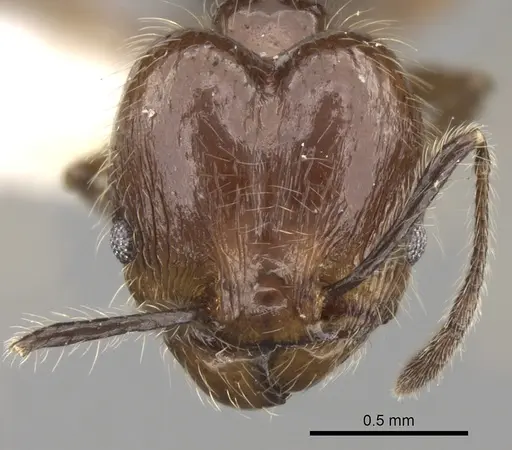
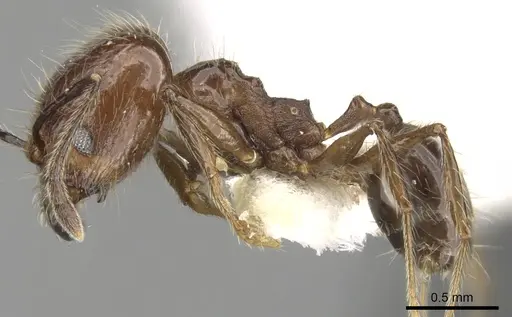
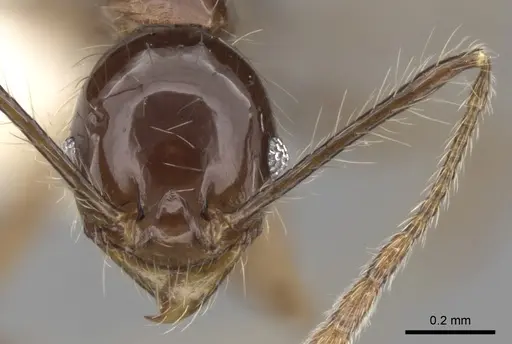
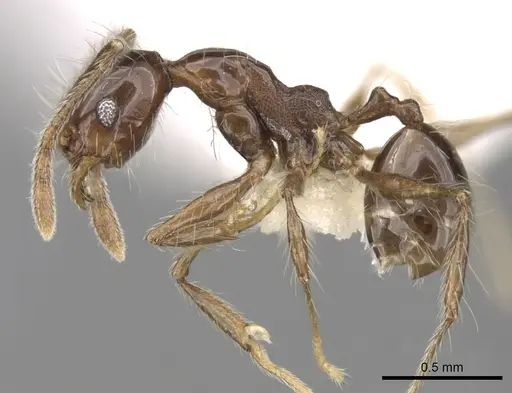
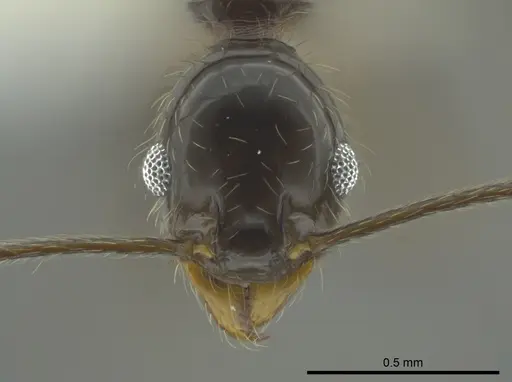
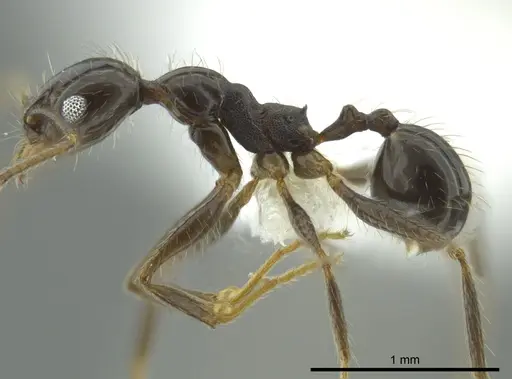
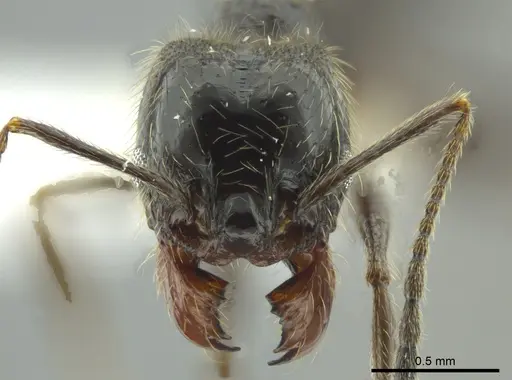
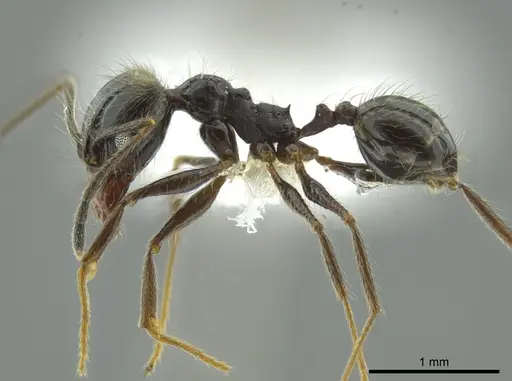
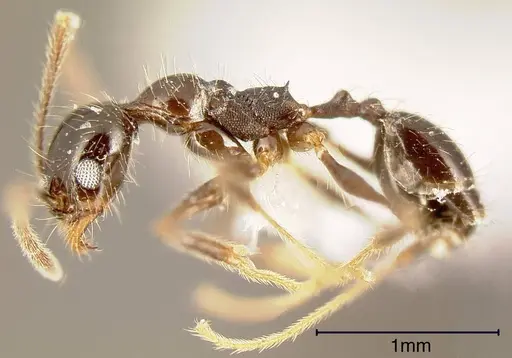
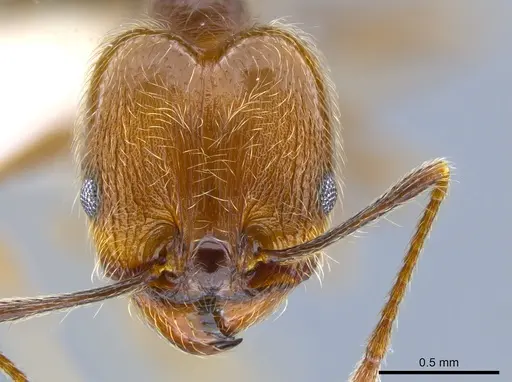
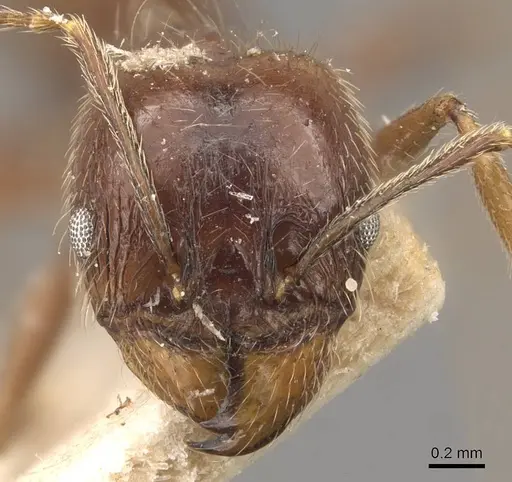
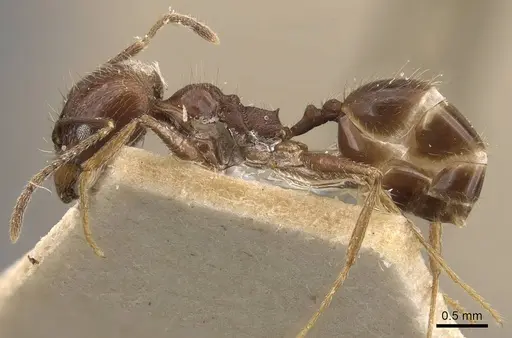
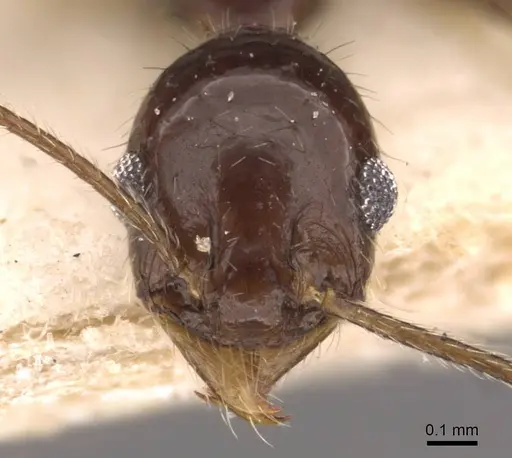
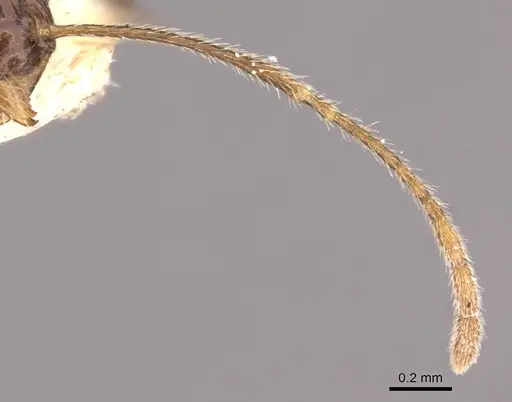
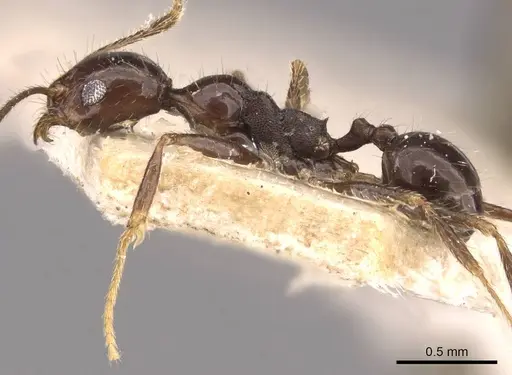
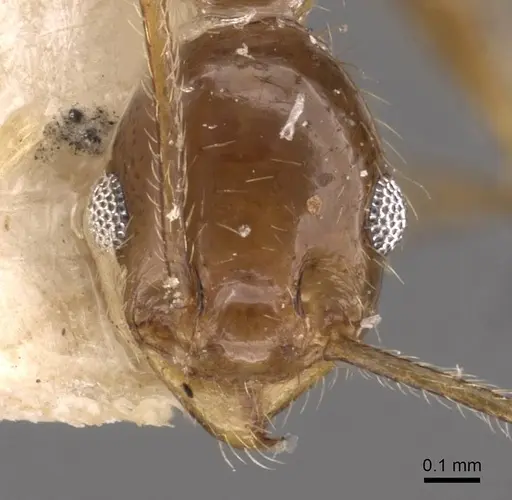
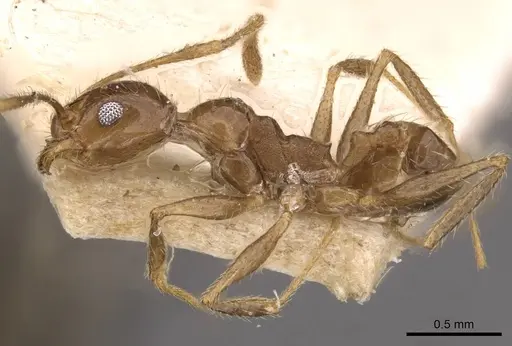
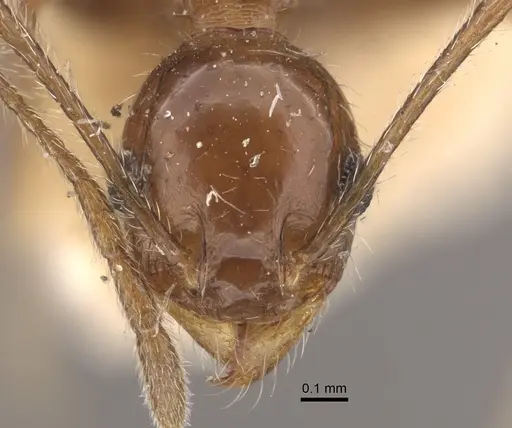
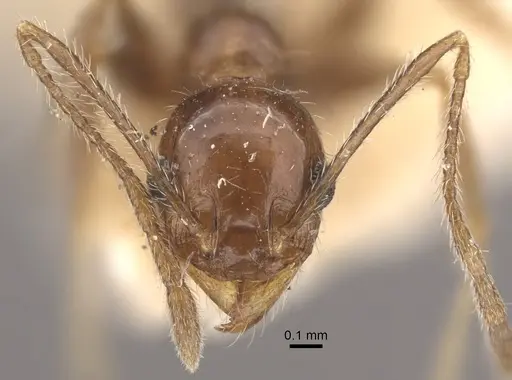
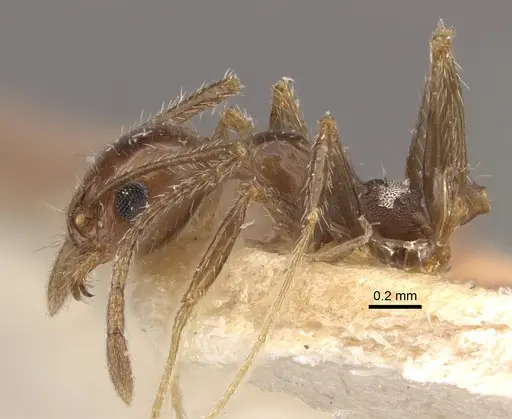
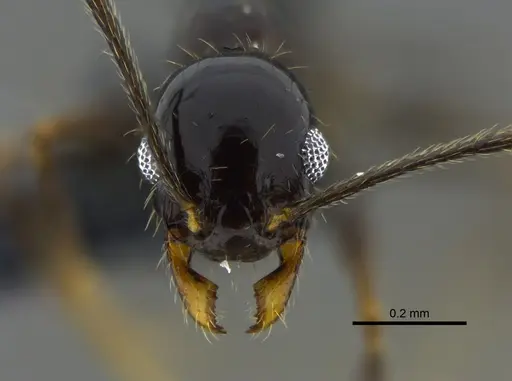
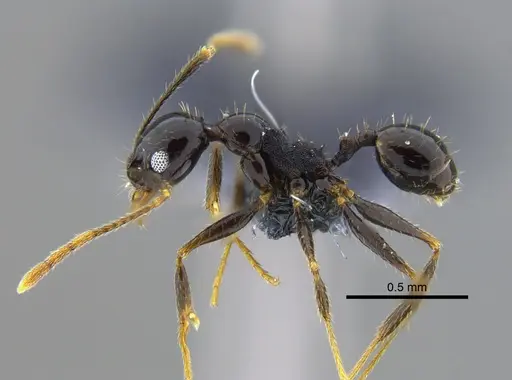
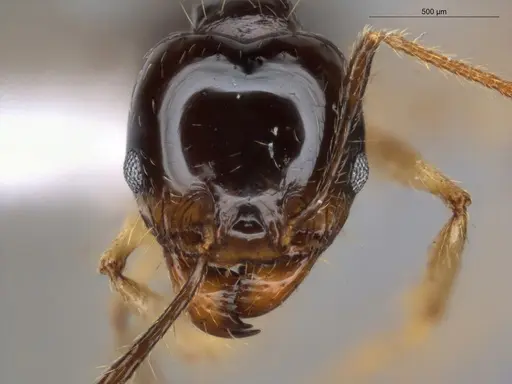
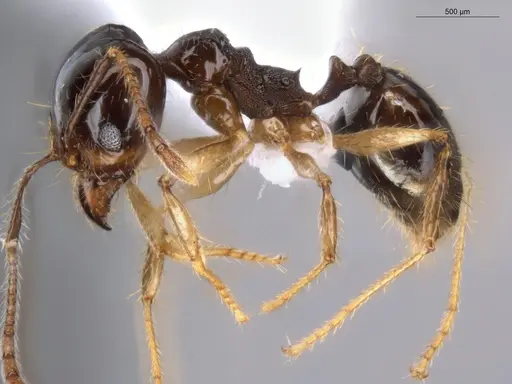
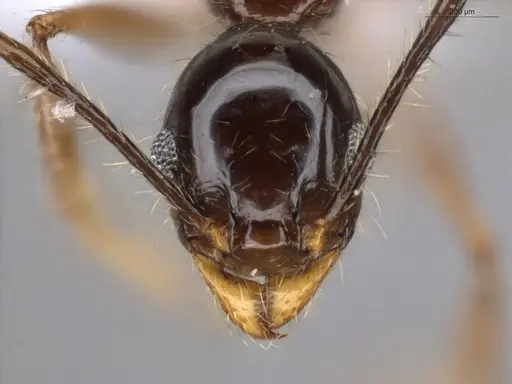
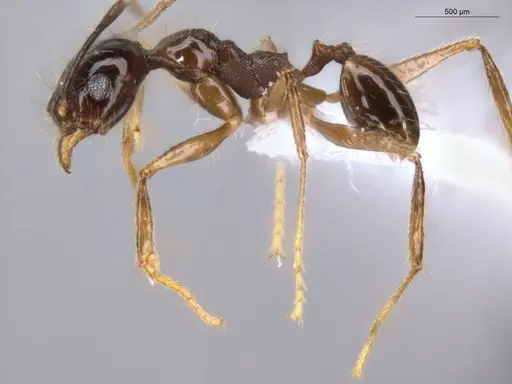
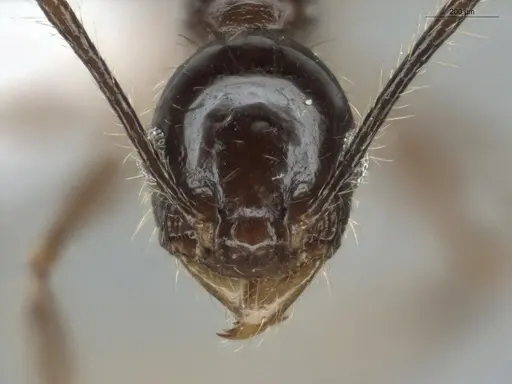
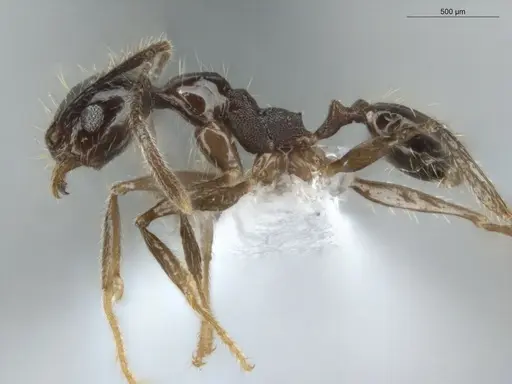
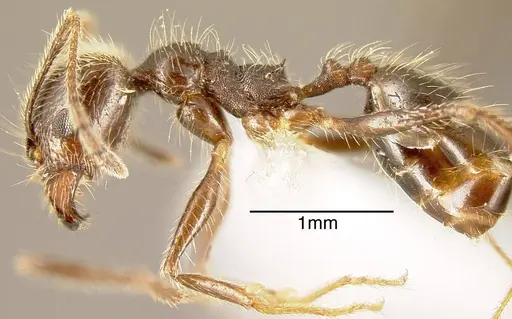
Pheidole longiscapa is a small ant in the diligens group. Major workers have long propodeal spines and a mostly smooth body, while minor workers are smaller. Color is typically yellow, with some variation. It occurs from Nicaragua to Colombia and eastward to French Guiana, in habitats such as mature rainforest, tropical dry forest, and beach vegetation . This species is notable for its adaptability, including colonies found on isolated rock islands separated from the mainland by shallow water .
Quick Summary
- Difficulty: Easy
- Origin & Habitat: Neotropical species from Nicaragua to French Guiana, inhabiting rainforest, dry forest, and beach areas [2].
- Colony Type: Based on Pheidole patterns, likely monogyne (single-queen colonies).
- Size & Growth:
- Queen: ~7 mm, inferred from Pheidole genus
- Worker: ~2-3 mm, inferred from Pheidole genus
- Colony: Unknown
- Growth: Moderate, inferred from Pheidole genus
- Development: 6-8 weeks, inferred from Pheidole genus (Development time may vary with temperature)
- Antkeeping:
- Temperature: Keep warm, roughly 24-28°C, with a temperature gradient [2].
- Humidity: Keep substrate consistently moist but not waterlogged [2].
- Diapause: No, tropical species, no hibernation needed [2].
- Nesting: In nature, nests in soil, under stones, or in rotting wood. In captivity, use Y-tong, plaster, or soil nests [2].
- Behavior: Pheidole longiscapa is relatively calm. Minor workers forage, major workers defend the nest. They are generalist foragers and primarily nocturnal [2].
- Common Issues: tropical species requires consistent warmth, cold drafts can stress or kill colonies, small colony size means founders are vulnerable, avoid disturbing founding queens, overfeeding can lead to mold in nest setups, remove uneaten food promptly, wild-caught colonies may carry parasites that can devastate captive colonies
Housing and Nest Setup
Pheidole longiscapa can be housed in various setups. For founding queens and small colonies, a test tube setup works well. As the colony grows, consider moving to a Y-tong (AAC) nest, plaster nest, or naturalistic formicarium. These ants prefer humid nest conditions but need ventilation to prevent mold. A water tube in the outworld ensures fresh water access. Avoid cool areas or air conditioning vents [2].
Feeding and Diet
Pheidole longiscapa is a generalist feeder. Offer protein sources like small insects (fruit flies, pinhead crickets) and seeds. Provide sugar water, honey, or diluted maple syrup as energy. Feed protein 2-3 times per week for established colonies, and keep sugar water available at all times. Remove uneaten food within 24-48 hours to prevent mold [2].
Temperature and Seasonal Care
As a Neotropical species, Pheidole longiscapa requires warm temperatures year-round. Keep the nest area at 24-28°C for optimal brood development. Temperatures below 20°C can slow development and harm the colony. Use a heating cable or mat on one side to create a gradient. No diapause is needed, maintain consistent warmth [2].
Colony Development and Growth
Pheidole longiscapa likely follows claustral founding, but this is unconfirmed. First workers emerge around 6-8 weeks after founding, depending on temperature. Colony growth is slow at first but accelerates with more workers. Major workers develop as the colony grows. Be patient with founding colonies [2].
Behavior and Temperament
Pheidole longiscapa displays typical Pheidole behavior: calm minor workers forage, while major workers defend the nest. They are primarily nocturnal foragers. In captivity, they adapt well and become active once the colony reaches 20-30 workers. Watch for escape attempts, as they can squeeze through small gaps [2].
Frequently Asked Questions
How long does it take for Pheidole longiscapa to raise first workers?
Expect first workers to emerge around 6-8 weeks after the queen lays eggs, assuming optimal temperature (24-28°C). This is inferred from Pheidole genus patterns [2].
What do Pheidole longiscapa ants eat?
They are generalist feeders. Offer small insects as protein and keep sugar water or honey available. They also collect seeds. Remove uneaten food promptly to prevent mold [2].
Do Pheidole longiscapa ants need hibernation?
No. As a tropical species, they do not require hibernation. Keep them warm year-round at 24-28°C [2].
How big do Pheidole longiscapa colonies get?
Colony size is unknown for this species. Typical Pheidole colonies can reach several hundred workers, but no specific data is available [2].
Can I keep multiple Pheidole longiscapa queens together?
This species is likely monogyne, meaning colonies have a single queen. Combining unrelated queens may result in fighting. Only keep one queen per colony [2].
What temperature is best for Pheidole longiscapa?
Keep nest temperatures at 24-28°C with a gradient. Avoid temperatures below 20°C, as this can slow development and harm the colony [2].
Are Pheidole longiscapa ants good for beginners?
Yes, this species is considered easy to keep. They are relatively calm, accept a wide variety of foods, and don't require hibernation. Main challenges are maintaining warmth and humidity [2].
When should I move my colony to a formicarium?
Move to a larger nest when the colony reaches 50-100 workers or the test tube becomes crowded. Ensure the new setup has appropriate humidity and a connected outworld [2].
Why are my Pheidole longiscapa workers dying?
Common causes include cold stress (below 20°C), too dry or wet conditions, mold from overfeeding, or parasites from wild-caught colonies. Check temperature and humidity first [2].
Report an Issue
The current care sheet is based fully on literature. See inconsistencies, or something that's incorrect? Please , it will be resolved after review from an admin. Contributing to the blogs tab also helps providing information, to make us be able to further improve the caresheets. Thank you for your support!
References

This caresheet is licensed under CC BY-SA 4.0 .
Community Blogs
CASENT0281758
View on AntWeb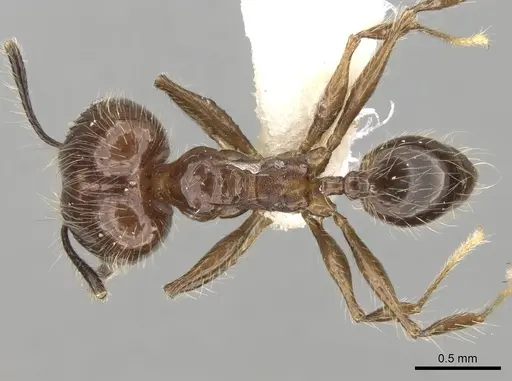
CASENT0281759
View on AntWeb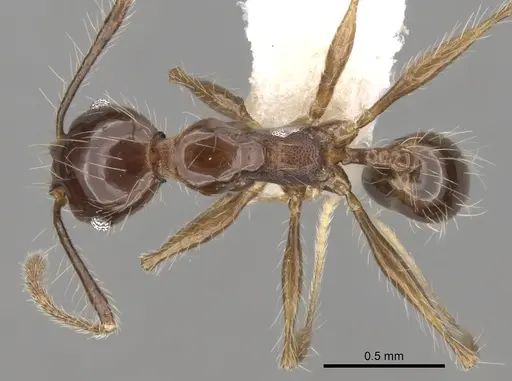
CASENT0625349
View on AntWeb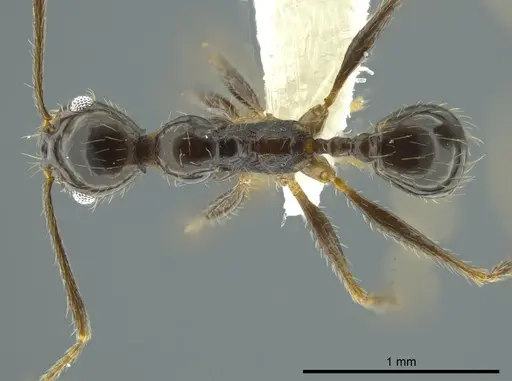
CASENT0625352
View on AntWeb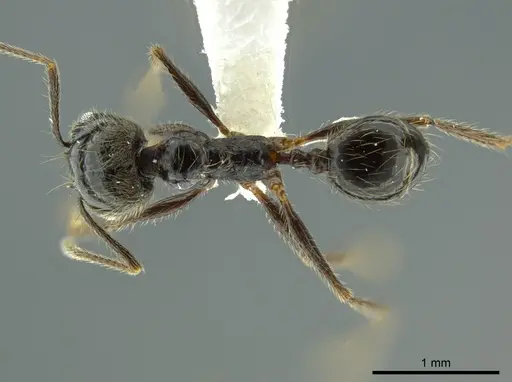
CASENT0635456
View on AntWeb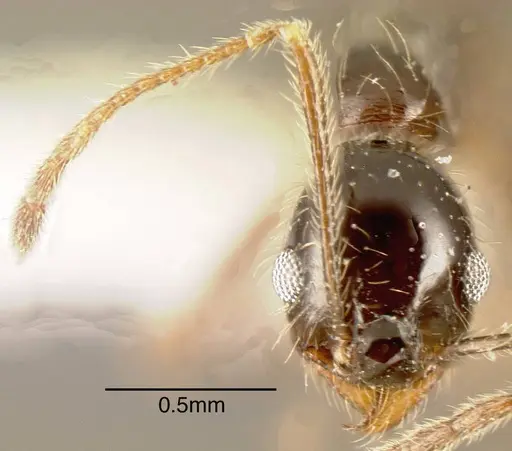
CASENT0646207
View on AntWeb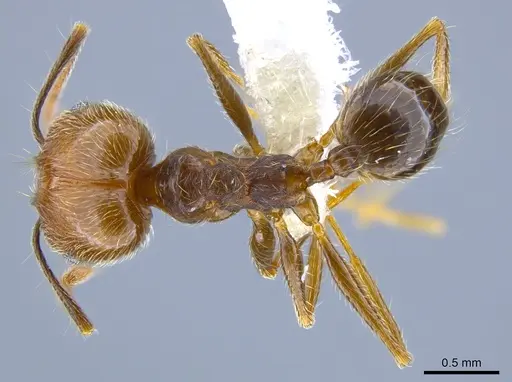
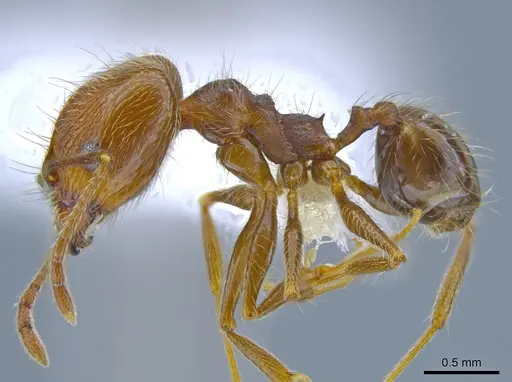
CASENT0901602
View on AntWeb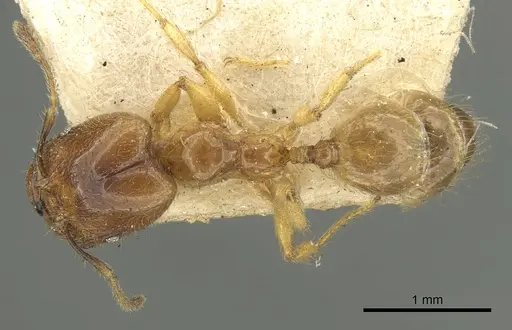
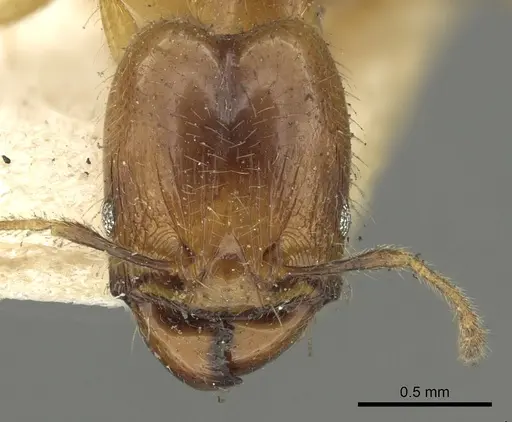
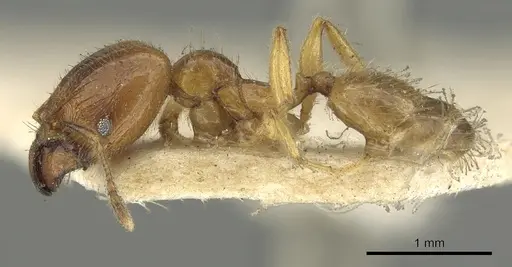
CASENT0908183
View on AntWeb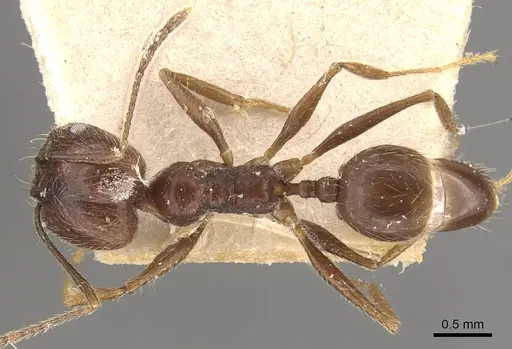
CASENT0908184
View on AntWeb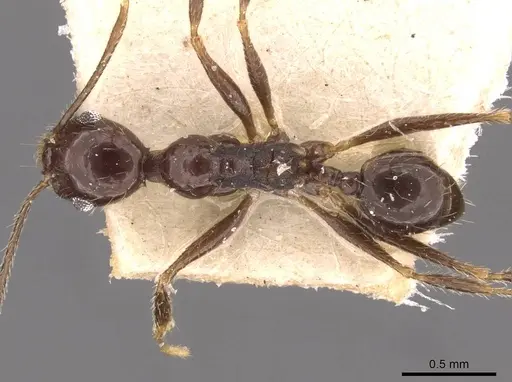
CASENT0908185
View on AntWeb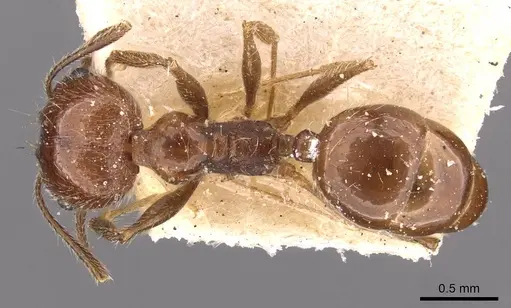
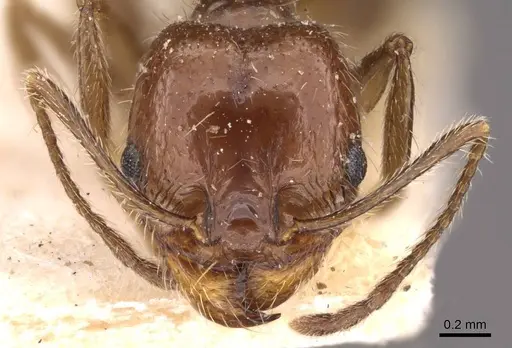
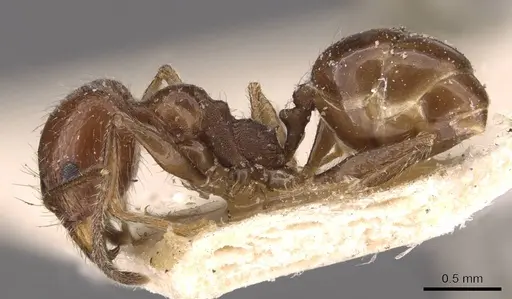
CASENT0908186
View on AntWeb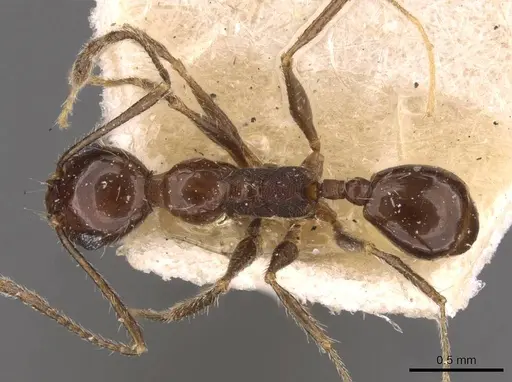
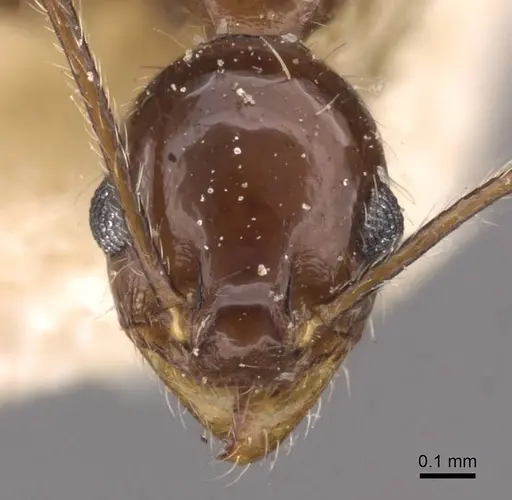
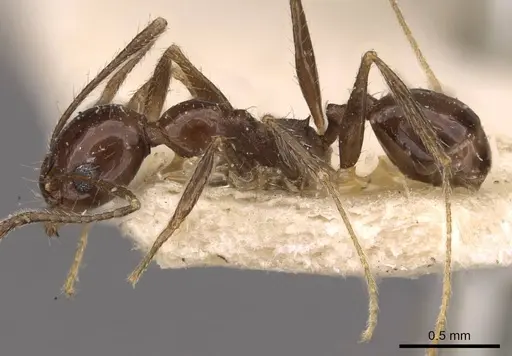
CASENT0908187
View on AntWeb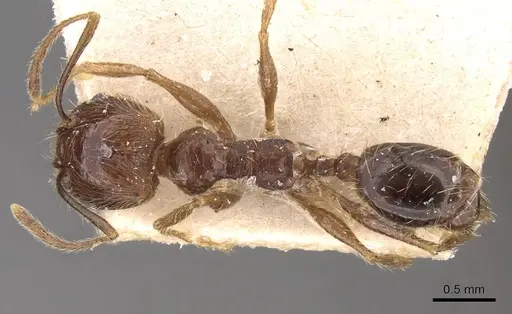
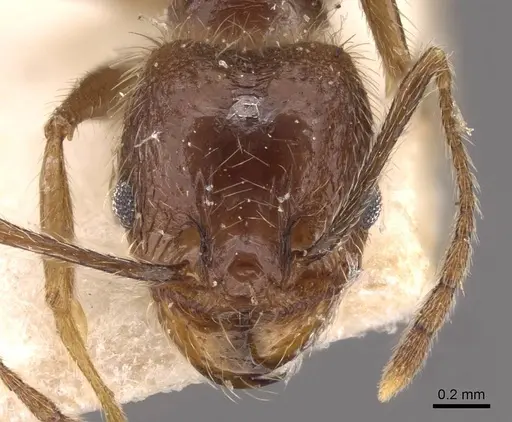
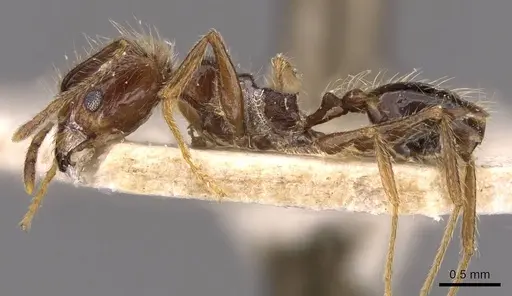
CASENT0908188
View on AntWeb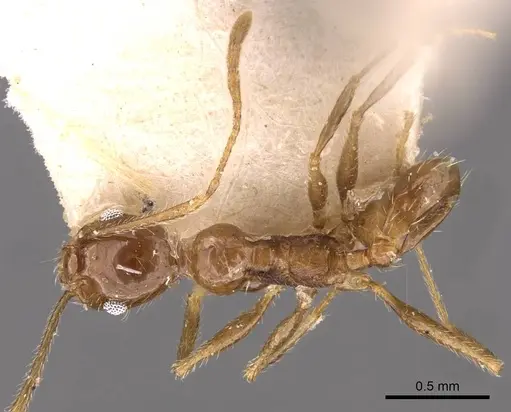
CASENT0917775
View on AntWeb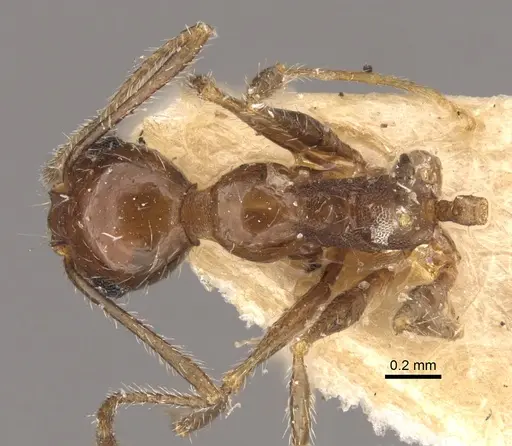
CBUMAGENT42030
View on AntWeb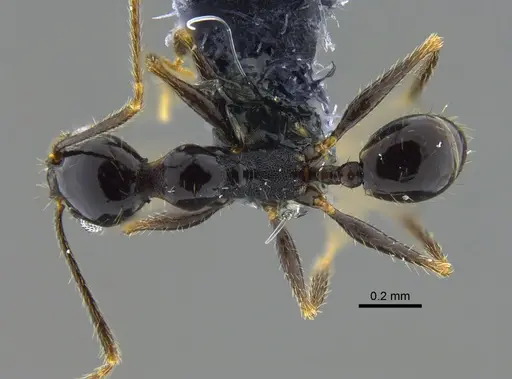
ECOFOG-GAL18-0186-57-S
View on AntWeb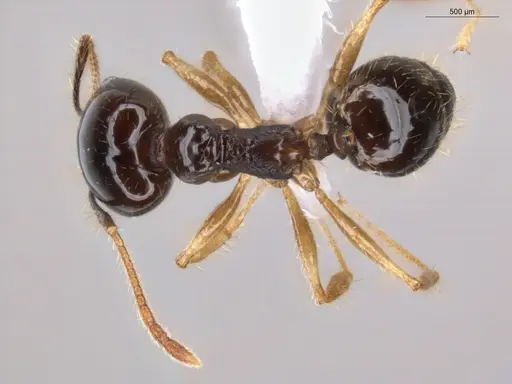
ECOFOG-GAL18-0186-57
View on AntWeb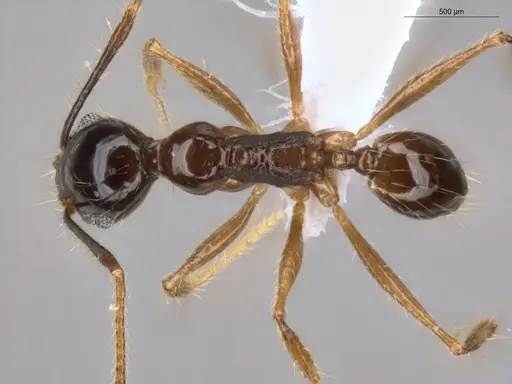
ECOFOG-IT14-0427-45
View on AntWeb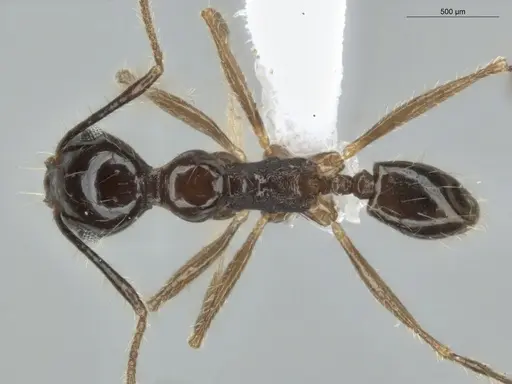
JTLC000001486
View on AntWeb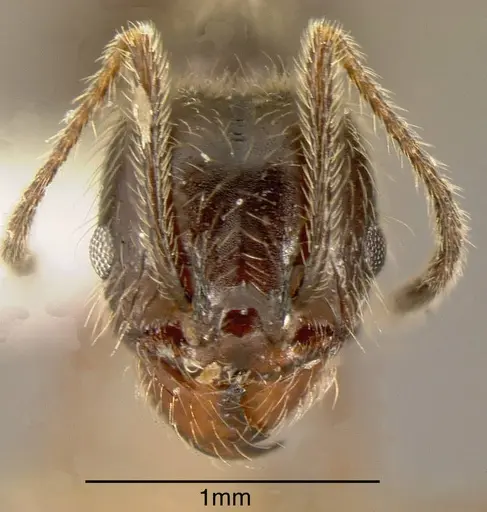
Literature
Loading distribution map...Loading products...