
Pheidole longior
- Sci. Name
- Pheidole longior
- Tribe
- Attini
- Subfamily
- Myrmicinae
- Author
- Santschi, 1933
- Distribution
- Found in 1 countries
Introduction
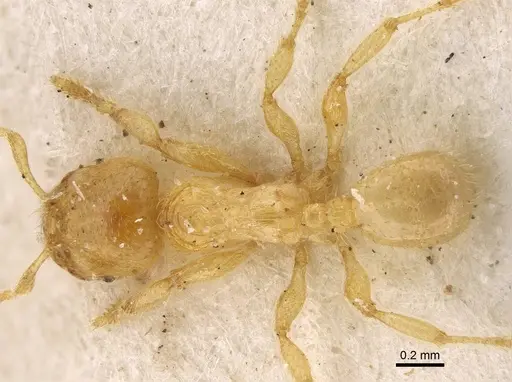
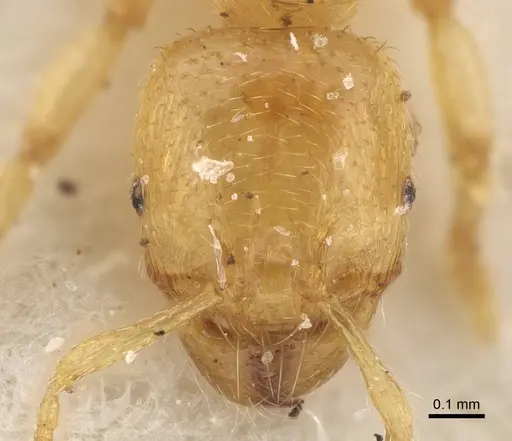
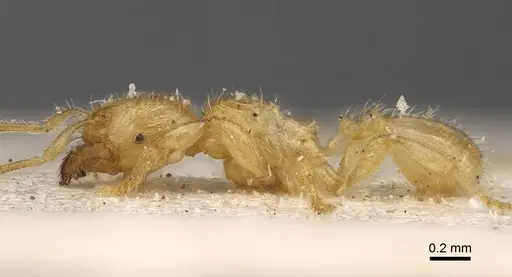
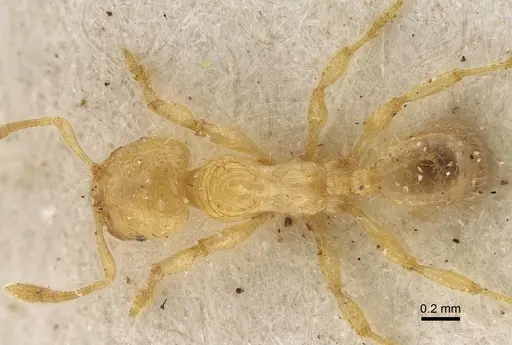
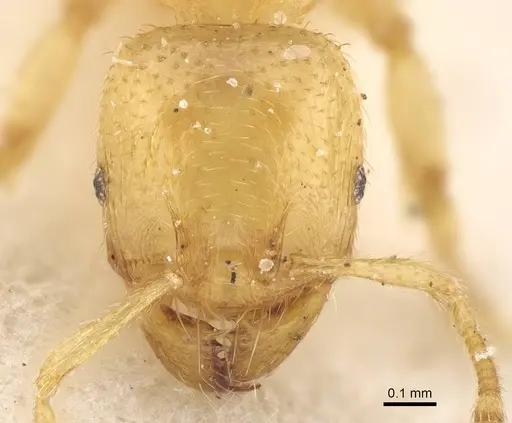
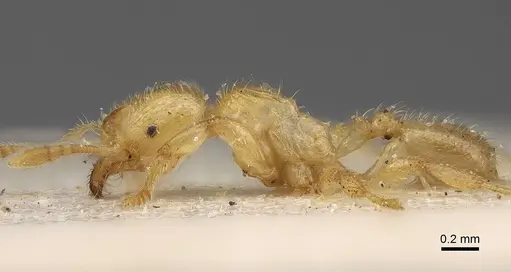
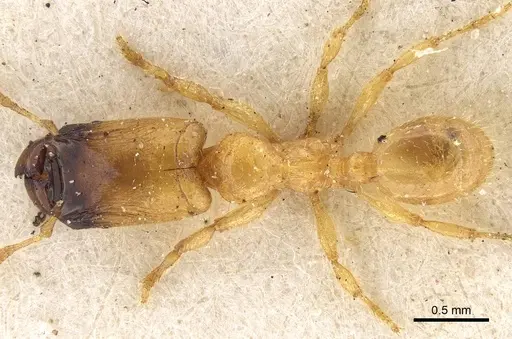
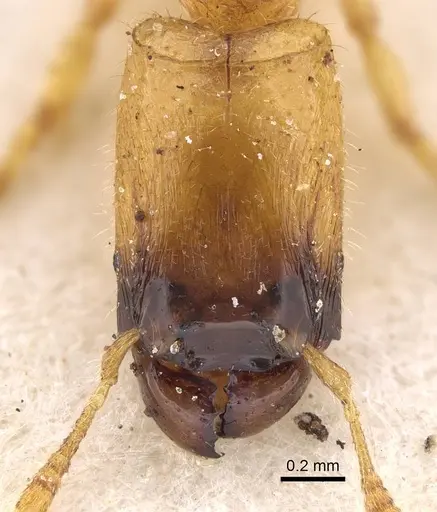
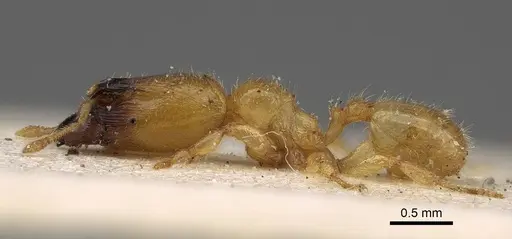
Pheidole longior is a small Neotropical ant species native to the Misiones province in northern Argentina . The genus Pheidole is known for its two-worker caste system with large majors and small minors, but body size data for this species is unavailable as only head measurements are described from type specimens . Major workers have an elongated head and bicolored pattern, while minors are uniformly pale yellow . This species is only known from type specimens, and its biology remains unstudied in scientific literature .
Quick Summary
- Difficulty: Medium
- Origin & Habitat: Native to Misiones province, Argentina, in subtropical humid forests [1]. As a Generalized Myrmicinae, it likely nests in soil or under stones in forest edge habitats [1].
- Colony Type: Unconfirmed, no published data on colony structure. Based on typical Pheidole patterns, likely single-queen colonies, but this is not confirmed.
- Size & Growth:
- Queen: Size data unavailable, no body length measurements described.
- Worker: Size data unavailable, only head measurements are known from type specimens [2].
- Colony: Unknown, no colony size data available.
- Growth: Unknown, no direct observations.
- Development: Unknown, no species-specific data available. (Based on typical Pheidole development, it may take several weeks at warm temperatures, but this is an estimate.)
- Antkeeping:
- Temperature: Keep warm, roughly 24-28°C, based on subtropical habitat [1]. A temperature gradient is recommended.
- Humidity: Keep nest substrate consistently moist but not waterlogged, based on forest habitat [1].
- Diapause: Unknown, Misiones has mild winters, but no data on diapause requirements.
- Nesting: Standard Pheidole setups like Y-tong or plaster nests are suitable [2].
- Behavior: Temperament is unconfirmed, but based on typical Pheidole patterns, minor workers handle tasks while majors defend. Escape risk is high due to small worker size.
- Common Issues: escape prevention is critical due to small worker size., temperature and humidity must be monitored as little is known about specific requirements., growth rate is unknown, so avoid overfeeding or overhydrating to prevent mold.
Understanding the Knowledge Gap
Pheidole longior is only known from type specimens, and no scientific research has documented its biology or captive care requirements [2]. This means you'll need to be observant and adjust care based on colony behavior. Start with the guidance below and modify as needed.
Nest Setup and Housing
Use versatile setups like Y-tong (AAC) nests or plaster nests for observation. Test tube setups with moist cotton work for founding colonies. Ensure the outworld is escape-proof due to small worker size. Apply Fluon or use tight-fitting lids to prevent escapes.
Feeding and Diet
Offer a varied diet including seeds, small insects, and occasional sugar sources. Start with small amounts and note consumption. Remove uneaten fresh food within 24-48 hours to prevent mold.
Temperature and Seasonal Care
Maintain warm conditions around 24-28°C with a temperature gradient. No diapause is required based on mild winters in Misiones, but this is unconfirmed [1].
Colony Development and Patience
Growth rate is unknown, so avoid overfeeding or overhydrating. Colonies may take time to develop, and patience is required.
Frequently Asked Questions
How long does it take for Pheidole longior to produce first workers?
Unknown, no species-specific data exists. Based on typical Pheidole development, it may take several weeks at warm temperatures, but this is an estimate.
What do Pheidole longior ants eat?
Likely accept seeds, small insects, and occasional sugar sources. Offer a varied diet and remove uneaten food promptly.
Can I keep multiple Pheidole longior queens together?
This has not been documented. Based on typical Pheidole behavior, single-queen colonies are common, but combining queens is not recommended without evidence.
What temperature do Pheidole longior ants need?
Keep them warm at 24-28°C, based on their subtropical habitat [1].
Are Pheidole longior good for beginners?
This species is rated Medium difficulty due to limited knowledge. You'll need to observe and adjust care based on colony behavior.
How big do Pheidole longior colonies get?
Colony size is unknown for this species. Most Pheidole colonies reach several hundred to a few thousand workers over years, but no data exists for P. longior.
Do Pheidole longior need hibernation?
Unknown, Misiones has mild winters, so a true hibernation may not be required, but no data exists.
Why are my Pheidole longior dying?
Common issues include incorrect temperature or humidity, mold from overfeeding, or escape-related losses. Adjust parameters gradually and monitor colony health.
When should I move my colony to a formicarium?
Wait until the colony has several workers and the test tube feels cramped. Pheidole often do better staying in test tubes longer.
Report an Issue
The current care sheet is based fully on literature. See inconsistencies, or something that's incorrect? Please , it will be resolved after review from an admin. Contributing to the blogs tab also helps providing information, to make us be able to further improve the caresheets. Thank you for your support!
References

This caresheet is licensed under CC BY-SA 4.0 .
Community Blogs
Literature
Loading distribution map...Loading products...