
Pheidole lokitae
- Sci. Name
- Pheidole lokitae
- Tribe
- Attini
- Subfamily
- Myrmicinae
- Author
- Forel, 1913
- Distribution
- Found in 2 countries
Introduction
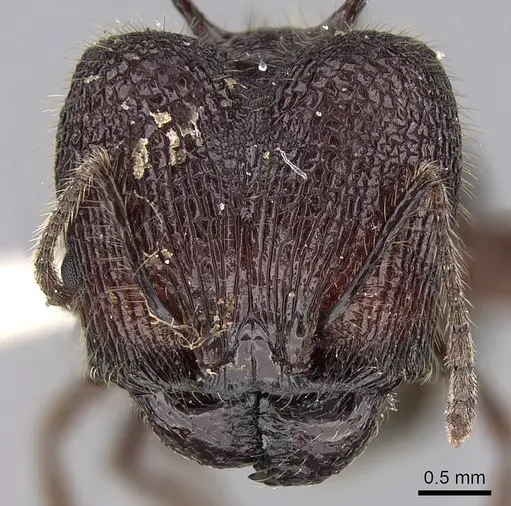
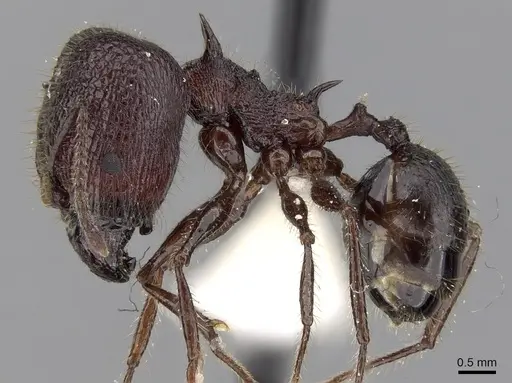
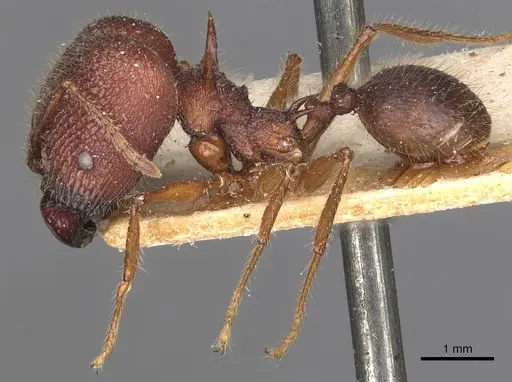
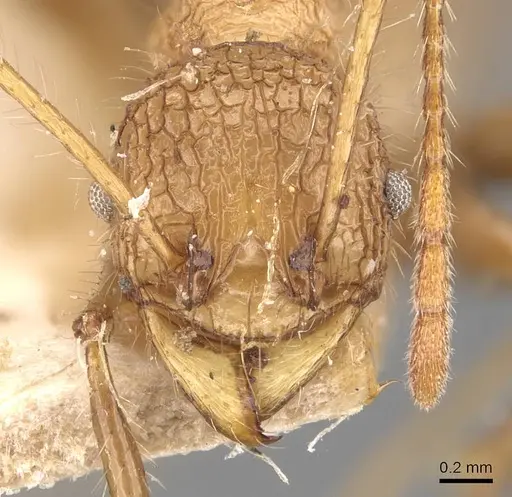
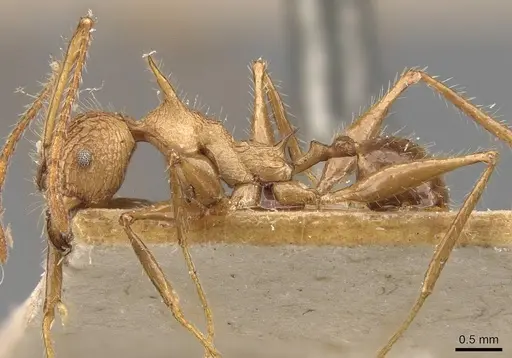
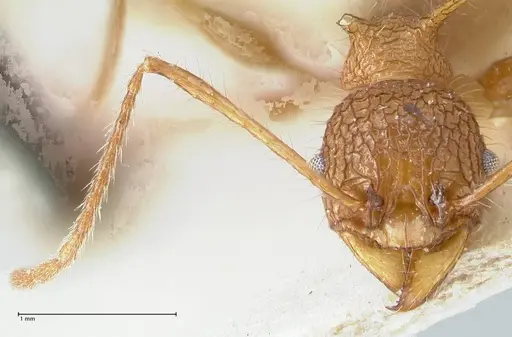
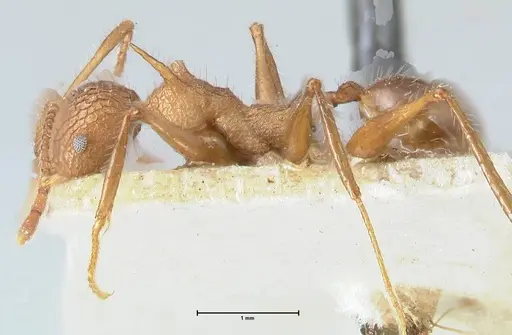
Pheidole lokitae is a dimorphic ant species in the quadricuspis group, found in Sumatra, Borneo, Malaysia, and the Philippines at elevations around 1000 m . Major workers are 6.0-6.3 mm long, and minors are 4.0-4.4 mm long, with dark reddish-brown bodies . The species is recognized by its spiny promesonotum in both castes , but its biology is completely unstudied in scientific literature .
Quick Summary
- Difficulty: Medium
- Origin & Habitat: Indomalaya region, Sumatra, Borneo, Malaysia (Sabah, Crocker Range), and Philippines at approximately 1000 m elevation [1]. This is a tropical forest species from Southeast Asia.
- Colony Type: Colony structure is unconfirmed for this species. Most Pheidole species are monogyne (single queen), but some can be polygyne. The genus is known for having major and minor worker castes.
- Size & Growth:
- Queen: size unknown, inferred from Pheidole genus (~10-12 mm)
- Worker: Major: 6.0-6.3 mm, Minor: 4.0-4.4 mm [2]
- Colony: Estimated up to a few thousand workers based on genus patterns
- Growth: Moderate, inferred from genus patterns
- Development: Estimated 6-10 weeks based on genus patterns (Development time is unconfirmed for this species. Estimates based on genus-level data for similar tropical Pheidole species.)
- Antkeeping:
- Temperature: Tropical species, keep at 24-28°C. A gentle gradient allowing warmer and cooler areas is recommended. Room temperature in most homes may be adequate, but a heating cable on one side of the nest can help maintain optimal range.
- Humidity: Requires moderate to high humidity, typical of tropical forest floor ants. Keep nest substrate consistently moist but not waterlogged. Provide a water tube as a drinking source.
- Diapause: Unknown, tropical species may not require true hibernation but may slow down during cooler seasons. Monitor colony activity and reduce feeding if they become less active.
- Nesting: In nature they likely nest in soil or rotting wood in forest floor habitats. In captivity, a Y-tong (AAC) nest or plaster nest works well. The species has long propodeal spines so ensure chambers are appropriately sized. A test tube setup can work for founding colonies.
- Behavior: Pheidole species are generally non-aggressive but will defend their nest. Majors are specialized for seed-processing and defense rather than foraging. Workers are active foragers that harvest seeds and hunt small insects. The species has good escape prevention needs due to their moderate size, standard barriers like Fluon work well. They are not known to be particularly aggressive toward keepers.
- Common Issues: improper humidity levels can lead to dehydration or mold., temperature extremes can cause colony stress., overfeeding can result in mold growth., inadequate escape prevention can allow foragers to escape.
Species Identification and Morphology
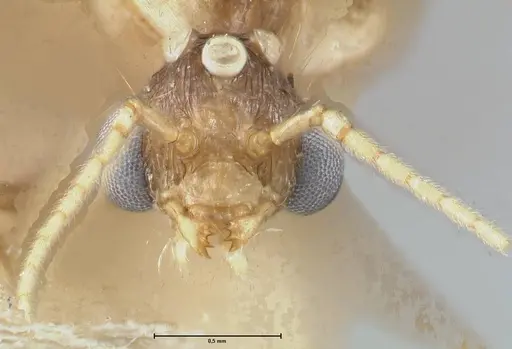
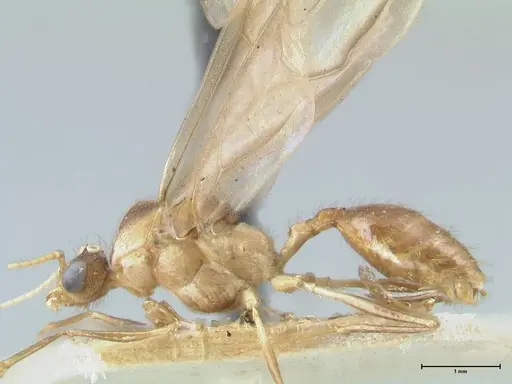
Pheidole lokitae is a distinctive species within the quadricuspis group, recognizable by several key morphological features. The major workers have a promesonotal dome with a conspicuous transverse ridge on its posterior slope, and the ventral face of the petiole lacks a longitudinal carina, these characters help distinguish it from close relatives like P. leloi [1]. The minor workers are characterized by extremely long propodeal spines and a petiolar node that appears blunt at the apex when viewed from the side [1]. Both castes have a pair of long, acute spines on the promesonotum, which is a defining characteristic of the quadricuspis species group. The body coloration is dark reddish-brown with darker mandibles and gaster in majors, while legs are slightly lighter than the alitrunk [2]. The species belongs to the subgenus Pheidolacanthinus and is part of the P. quadricuspis clade (QDC) based on genetic analysis [3][4].
Natural History and Distribution
Pheidole lokitae is known from the Indomalaya region, specifically Sumatra, Borneo, Malaysia (particularly Sabah and the Crocker Range), and the Philippines [1][2]. The type locality is Sumatra where the species was first described [2]. Specimens have been collected at approximately 1000 m elevation, suggesting this species prefers higher-altitude tropical forest habitats rather than lowland areas [1]. The species is closely related to several other Borneo-based Pheidole including P. quadrensis, P. quadricuspis, P. sperata, P. acantha, and P. spinicornis, with which it shares the characteristic spiny promesonotum [2]. Unfortunately, nothing is known about the biology of this species, there is no data on nesting habits, foraging behavior, diet preferences, or reproductive biology in the wild [2].
Housing and Nest Setup
For captive care, provide a nest environment that mimics their natural forest floor habitat. A Y-tong (AAC) nest or plaster formicarium works well for established colonies, providing chambers that can maintain humidity. The nest should have appropriately sized chambers, not too large, as Pheidole prefer snug spaces. For founding colonies, a standard test tube setup with a water reservoir works well. Ensure the nest material can retain moisture without becoming waterlogged. A water tube should always be available as a drinking source. Since this is a dimorphic species with majors reaching 6 mm, standard escape prevention measures using Fluon or similar barriers on the rim of the outworld are effective. Provide an outworld space connected to the nest where foragers can move and where you can offer food.
Feeding and Diet
Pheidole species are typically omnivorous, harvesting seeds and hunting small insects. In captivity, offer a varied diet including protein sources like small crickets, mealworms, or other small insects twice weekly. Sugar sources are generally accepted, you can offer honey water or sugar water, though some Pheidole species show weak sugar acceptance. Seeds may be accepted but are more commonly processed by the major workers. Fresh fruit can occasionally be offered. Since the biology of this specific species is unknown, observe your colony's preferences and adjust accordingly. Remove uneaten food after 24-48 hours to prevent mold. Always ensure clean water is available.
Temperature and Humidity Requirements
As a tropical species from Southeast Asia, maintain temperatures in the range of 24-28°C. The 1000 m elevation origin suggests they may prefer slightly cooler conditions than typical lowland tropical ants, so monitor for signs of overheating such as workers clustering away from heat sources. A temperature gradient allowing the colony to choose their preferred zone is ideal. For humidity, aim for moderate to high levels consistent with tropical forest conditions. Keep the nest substrate consistently moist but not waterlogged, the substrate should feel damp to the touch. Mist the nest area occasionally but avoid creating standing water. Good ventilation is important to prevent mold while maintaining humidity.
Colony Development and Growth
The development timeline for P. lokitae is unconfirmed in scientific literature. Based on typical Pheidole genus patterns, expect development from egg to first worker (nanitics) to take approximately 6-10 weeks at optimal temperature (around 26°C). The first workers will be smaller than normal workers (nanitics) and the colony will grow gradually as more workers emerge. Pheidole colonies can eventually reach several hundred to a few thousand workers, though the maximum colony size for this specific species is unknown. Growth rate is typically moderate, faster than some slow-growing genera like Camponotus but not as rapid as some opportunistic species. Be patient with founding colonies, as they may take several months to establish firmly. The presence of major workers typically appears after the colony reaches several dozen workers.
Frequently Asked Questions
How long does it take for Pheidole lokitae to produce first workers?
The exact timeline is unconfirmed for this species [2]. Based on typical Pheidole development patterns, expect 6-10 weeks from egg to first worker at optimal temperature.
What do Pheidole lokitae ants eat?
Nothing is known about the specific diet of P. lokitae [2]. Based on related Pheidole species, they are likely omnivorous, eating seeds and insects. Observe your colony for preferences.
What temperature is best for Pheidole lokitae?
No specific temperature data is available for this species. Based on its tropical origin, keep at 24-28°C with a gradient.
Are Pheidole lokitae good for beginners?
This species is rated as Medium difficulty. Since biology is unconfirmed, beginners should be prepared to adapt based on colony behavior.
How big do Pheidole lokitae colonies get?
Colony size is unconfirmed for this species. Based on typical Pheidole patterns, colonies can reach up to a few thousand workers.
What type of nest should I use for Pheidole lokitae?
No specific nest preference is known. Based on genus patterns, Y-tong or plaster nests work well for established colonies, and test tubes for founding.
Do Pheidole lokitae need hibernation?
Diapause requirements are unknown for this species. As a tropical species, they likely do not require hibernation.
Can I keep multiple queens together?
Colony structure is unconfirmed. Most Pheidole are monogyne, but some can be polygyne. It is not recommended to combine unrelated queens.
Why are my Pheidole lokitae dying?
Common issues include improper humidity, temperature extremes, overfeeding, and poor escape prevention. Since biology is unconfirmed, observe your colony closely.
Report an Issue
The current care sheet is based fully on literature. See inconsistencies, or something that's incorrect? Please , it will be resolved after review from an admin. Contributing to the blogs tab also helps providing information, to make us be able to further improve the caresheets. Thank you for your support!
References

This caresheet is licensed under CC BY-SA 4.0 .
Community Blogs
CASENT0281702
View on AntWeb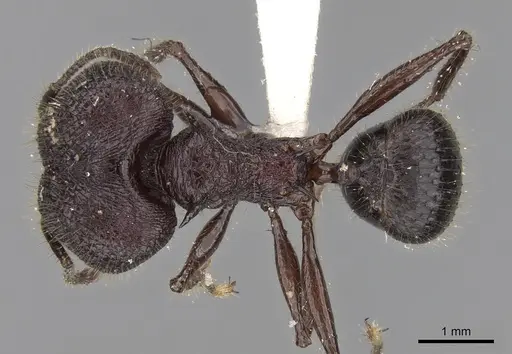
CASENT0281703
View on AntWeb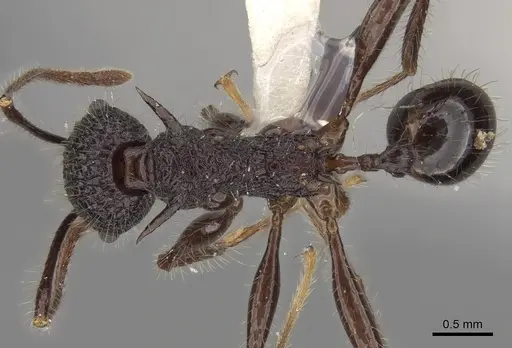
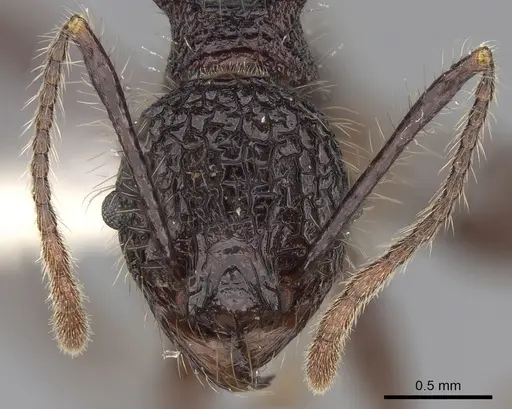
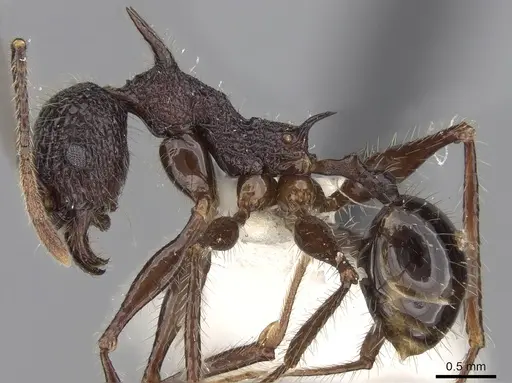
CASENT0907766
View on AntWeb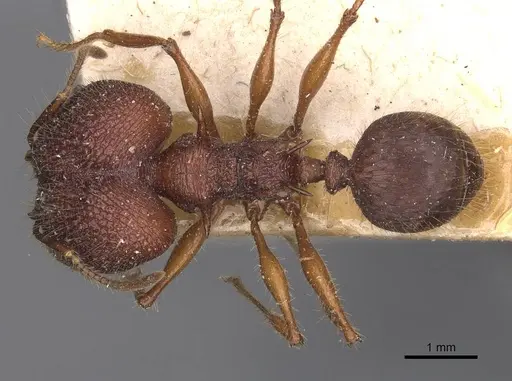
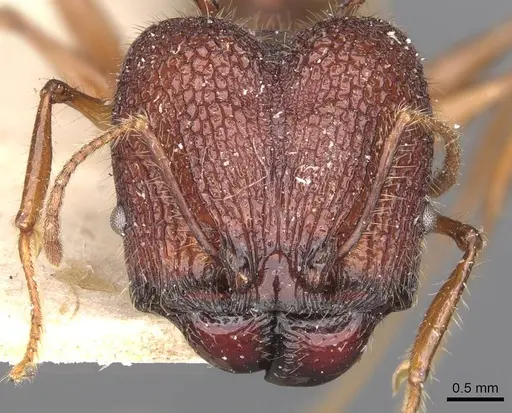
CASENT0907767
View on AntWeb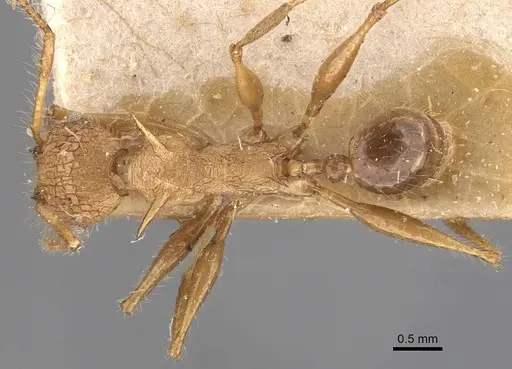
FOCOL1563
View on AntWeb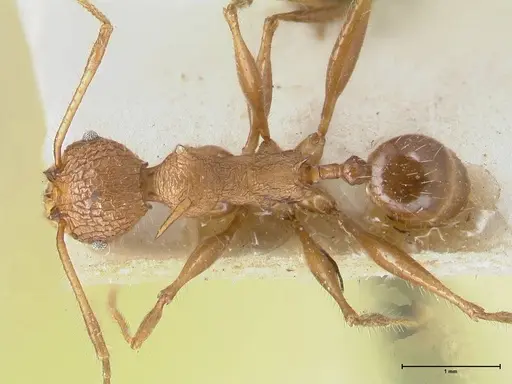
FOCOL1564
View on AntWeb
Literature
Loading distribution map...Loading products...