
Liengmei's House ant
Pheidole liengmei
- Sci. Name
- Pheidole liengmei
- Tribe
- Attini
- Subfamily
- Myrmicinae
- Author
- Forel, 1894
- Common Name
- Liengmei's House ant
- Distribution
- Found in 7 countries
Introduction
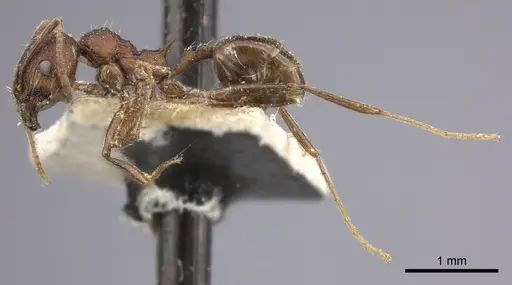
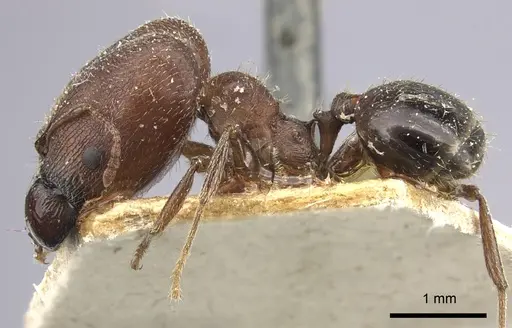
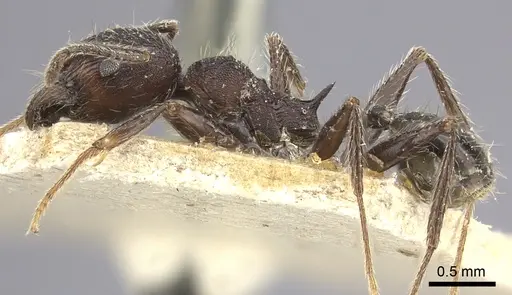
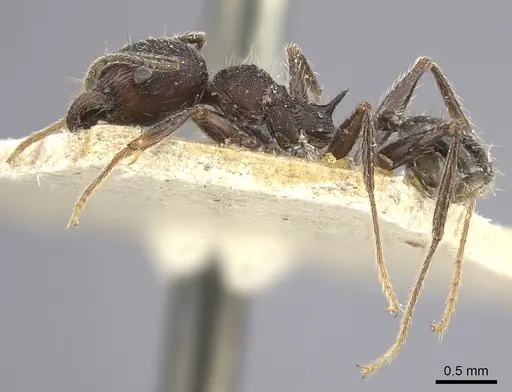
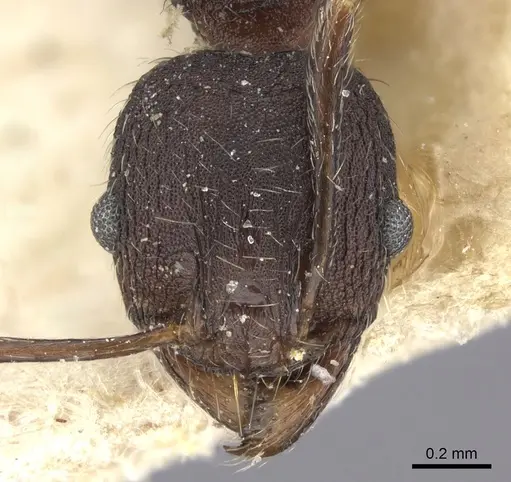
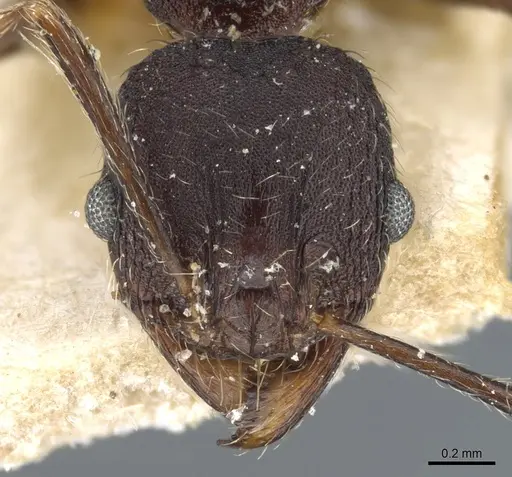
Pheidole liengmei is found in the Afrotropical region, including Mozambique, the Democratic Republic of Congo, Nigeria, and recently recorded in Rwanda's Akagera National Park . It belongs to the Pheidole excellens species group and has three subspecies: malindana, micrartifex, and shinsendensis . Size data is not available from the research context, but based on Pheidole genus patterns, workers are typically 2-6 mm in length and queens around 8-10 mm . This species was first recorded in Rwanda in Akagera National Park, highlighting its presence in new areas within the Afrotropical region .
Quick Summary
- Difficulty: Easy
- Origin & Habitat: Afrotropical region, Mozambique, Democratic Republic of Congo, Nigeria, and Rwanda [1][2]. Inhabits tropical environments [3].
- Colony Type: Based on Pheidole patterns, likely monogyne (single-queen colonies) [3].
- Size & Growth:
- Queen: ~8-10 mm, inferred from Pheidole genus [3]
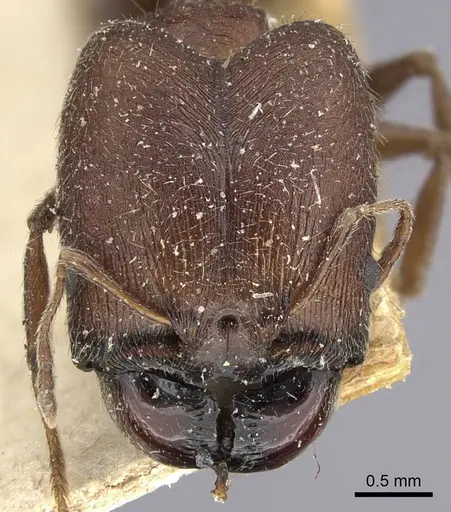
- Worker: Workers range from 2-6 mm in length, with majors having enlarged heads [3]
- Colony: Up to several thousand workers, inferred from typical Pheidole growth patterns [3]
- Growth: Moderate to fast, inferred [3]
- Development: Estimated 6-8 weeks at optimal temperatures, inferred [3] (Development is temperature-dependent, warmer conditions accelerate growth [3])
- Antkeeping:
- Temperature: Keep at 24-28°C. As a tropical species, they prefer warm conditions. A heating cable on one side of the nest creates a suitable gradient [3].
- Humidity: Keep the nest substrate consistently moist but not waterlogged. Provide a water tube for drinking water [3].
- Diapause: No, being a tropical species, they do not require hibernation. Maintain warm conditions year-round [3].
- Nesting: Natural nesting occurs in soil and rotting wood. In captivity, a Y-tong (AAC) nest or plaster nest works well. Provide moist substrate [3].
- Behavior: Pheidole liengmei is generally peaceful but will defend the colony if threatened. Major workers can deliver a mild bite with their powerful jaws [3]. They are active foragers that primarily collect seeds and small insects. Escape risk is moderate, standard barriers are usually sufficient, but watch for escapes during feeding.
- Common Issues: colonies may stall if temperatures drop below 22°C, keep them warm [3], overfeeding can lead to mold in the nest, remove uneaten food promptly [3], major workers develop slowly, don't be alarmed if early colonies are all minors [3], wild-caught colonies may have parasites, quarantine and observe new colonies [3], seed-eating ants need grit or small particles to help majors process hard seeds [3]
Housing and Nest Setup
Pheidole liengmei can be housed in standard ant keeping setups. A Y-tong (AAC) nest or plaster nest works well for this species, providing chambers that can maintain humidity. Since they are tropical ants, avoid setups that dry out quickly. A test tube setup works for founding colonies, place the queen in a test tube with a water reservoir and keep it dark and warm. Once the colony reaches 20-30 workers, you can consider moving them to a formicarium. Provide an outworld for foraging that is escape-proof. Because major workers have large heads, ensure any connections between nest and outworld are wide enough to prevent blockages [3].
Feeding and Diet
Pheidole liengmei is a typical Pheidole species, primarily granivorous but also accepts protein sources. Offer a mix of seeds (millet, chia, sesame, small bird seed) that the major workers can process with their specialized heads. Protein should come from small insects like fruit flies, small mealworms, or cricket pieces. Sugar water or honey can be offered occasionally, though granivorous Pheidole species often prefer seeds. Feed every 2-3 days, removing any uneaten food to prevent mold. The presence of major workers is a sign the colony is doing well, they only develop when the colony has sufficient resources to invest in specialized workers [3].
Temperature and Seasonal Care
As a tropical Afrotropical species, Pheidole liengmei requires warm conditions year-round. Maintain temperatures between 24-28°C for optimal brood development. Temperatures below 22°C can slow or stall colony growth. A small heating cable placed on one end of the nest can create a temperature gradient, allowing the ants to self-regulate. No hibernation or diapause is required, this is a year-round active species. Room temperature within the recommended range is acceptable, but monitor during winter months when central heating might lower humidity more than usual [3].
Colony Development and Growth
Pheidole colonies follow a predictable growth pattern. The claustral queen seals herself in a chamber and raises the first brood alone on stored fat reserves. These first workers (nanitics) are typically smaller than normal workers. Once the first workers emerge, the queen stops foraging and focuses entirely on egg-laying. The colony then grows exponentially, minor workers handle most tasks while major workers (soldiers) develop over time to help with seed processing and colony defense. A healthy colony can reach several thousand workers over 2-3 years. Major worker development is resource-dependent, a well-fed colony will produce majors faster [3].
Behavior and Defense
Pheidole liengmei is not particularly aggressive but will defend the colony if the nest is threatened. Major workers can deliver a mild bite with their powerful jaws [3]. They are primarily seed-eaters but will scavenge on small insects. Foraging activity is typically diurnal, with workers emerging to collect seeds and protein. The colony establishes clear foraging trails once established. Minor workers handle most daily tasks while majors focus on seed processing and defense. This species is well-suited for observation, you can watch the interaction between minor and major workers as they process different food types [3].
Frequently Asked Questions
How long does it take for Pheidole liengmei to produce first workers?
First workers typically emerge 6-8 weeks after the queen lays eggs, assuming temperatures are maintained at 25-28°C. The exact timing depends on temperature, warmer conditions speed development while cooler temperatures slow it down [3].
Can I keep multiple Pheidole liengmei queens together?
This species is likely monogyne, so keeping multiple queens may result in fighting. Only one queen per colony is recommended [3].
What do Pheidole liengmei eat?
They are primarily granivorous, offer a variety of small seeds like millet, sesame, and bird seed. They also need protein from small insects like fruit flies, small mealworms, or cricket pieces. Occasional sugar water or honey can be offered [3].
Are Pheidole liengmei good for beginners?
Yes, this is an easy species to keep. They are forgiving of minor care mistakes, don't require hibernation, and are not aggressive [3].
When should I move my colony to a formicarium?
Move from a test tube setup to a formicarium once the colony reaches 20-30 workers and you notice the test tube becoming crowded. Ensure the new setup has appropriate humidity control and escape prevention [3].
Why aren't my Pheidole liengmei producing major workers?
Major worker production is resource-dependent. If the colony is not well-fed or is still small, it will prioritize minor workers. Ensure you are feeding enough protein and seeds, and be patient, majors typically appear once the colony reaches several dozen workers [3].
Do Pheidole liengmei need hibernation?
No, as a tropical species from the Afrotropical region, they do not require hibernation. Keep them warm year-round at 24-28°C [3].
How big do Pheidole liengmei colonies get?
Mature colonies can reach several thousand workers. The development of major workers (soldiers) is a sign of a healthy, growing colony [3].
What temperature is best for Pheidole liengmei?
Keep them at 24-28°C. This tropical species prefers warm conditions. A slight temperature gradient allowing the ants to choose their preferred area is ideal [3].
Why is my colony dying?
Common causes include temperatures below 22°C, too dry conditions, mold from overfeeding, or parasites from wild-caught colonies. Check that temperature and humidity are within range, remove uneaten food promptly, and ensure the colony was healthy when acquired [3].
Report an Issue
The current care sheet is based fully on literature. See inconsistencies, or something that's incorrect? Please , it will be resolved after review from an admin. Contributing to the blogs tab also helps providing information, to make us be able to further improve the caresheets. Thank you for your support!
References

This caresheet is licensed under CC BY-SA 4.0 .
Community Blogs
CASENT0249079
View on AntWeb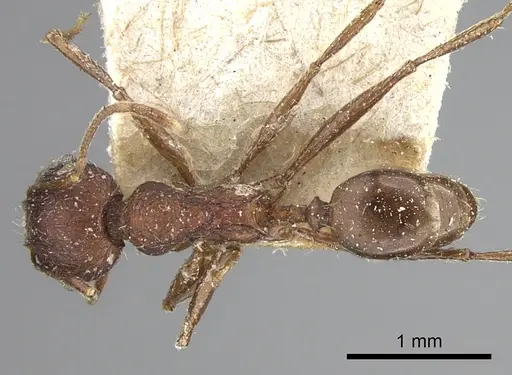
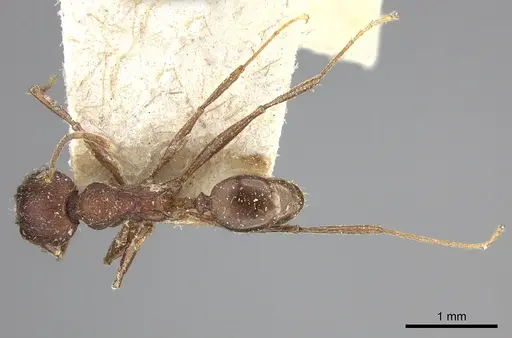
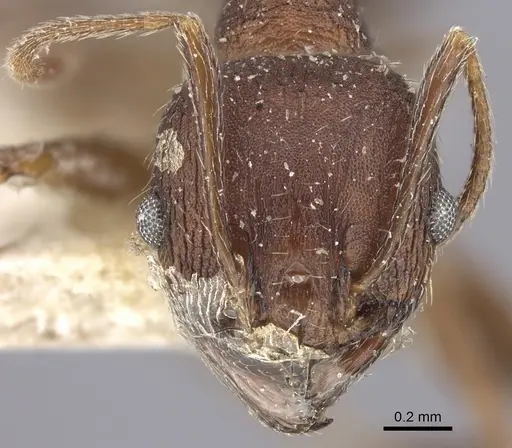
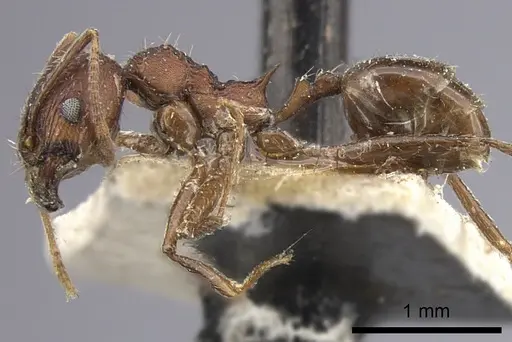
CASENT0249080
View on AntWeb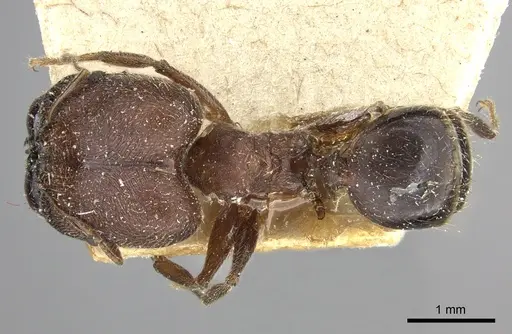
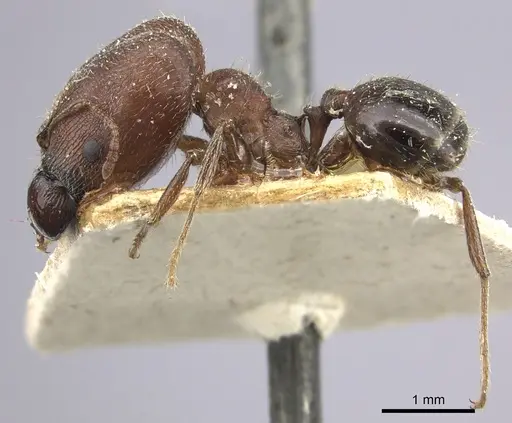
CASENT0249081
View on AntWeb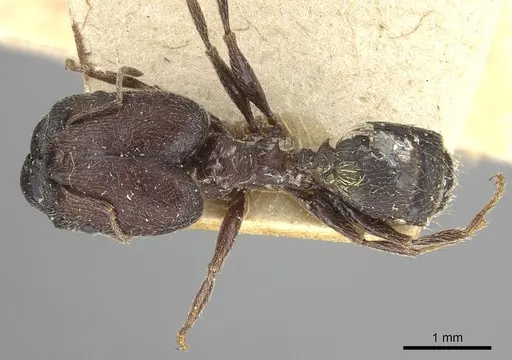
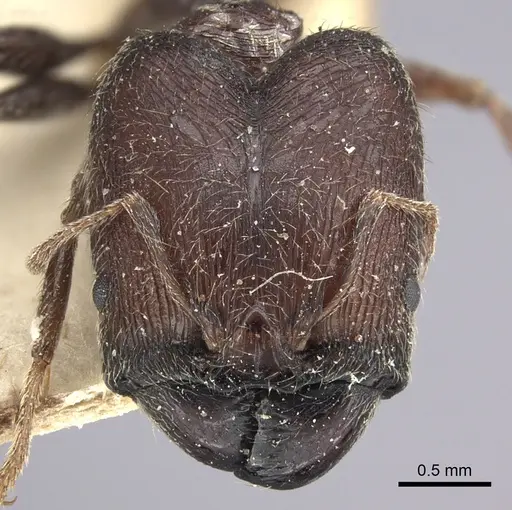
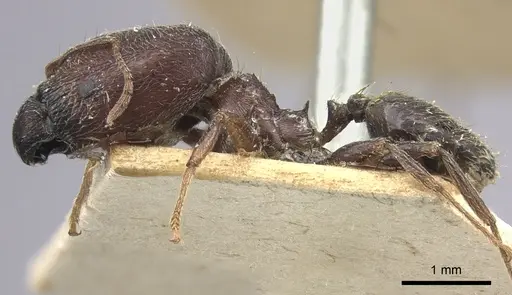
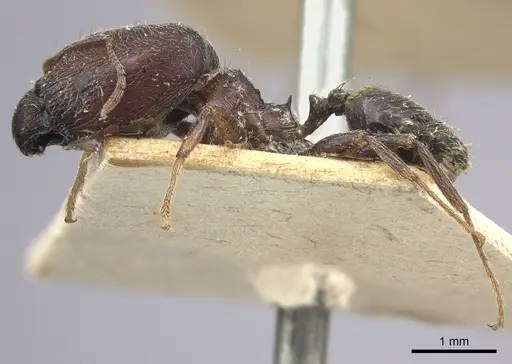
CASENT0249082
View on AntWeb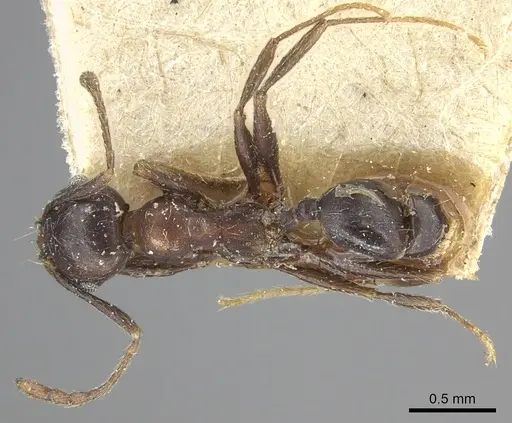
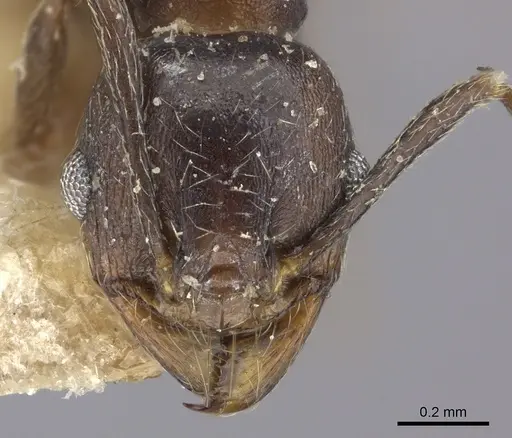
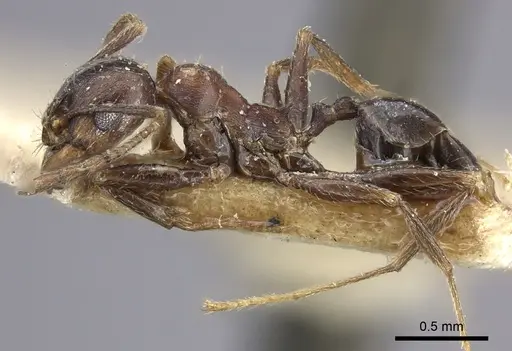
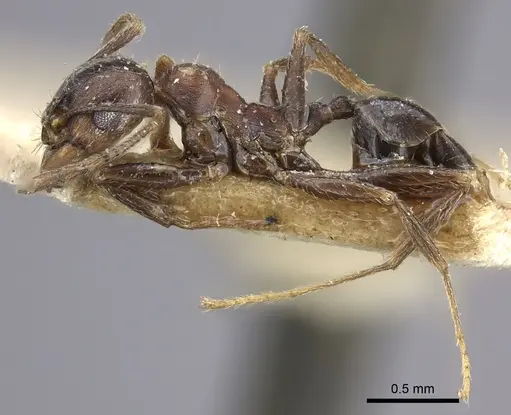
CASENT0249083
View on AntWeb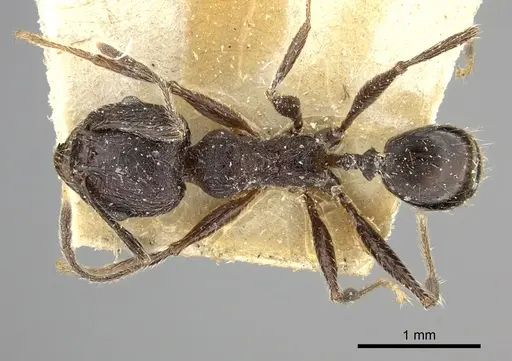
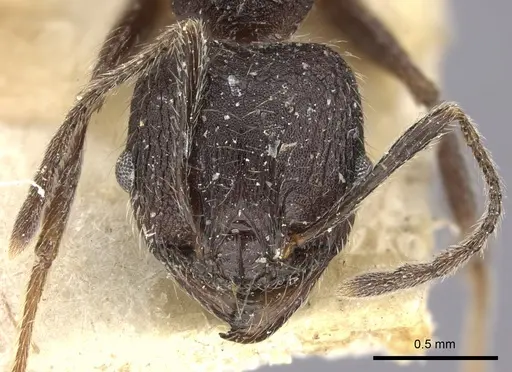
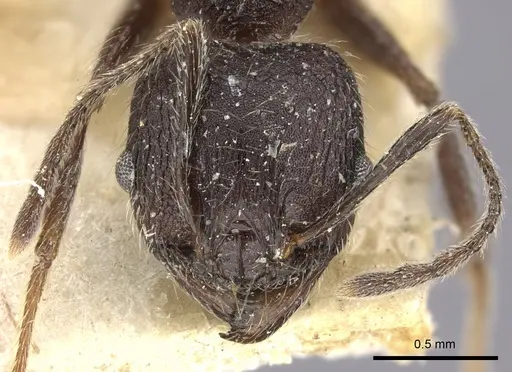
CASENT0249084
View on AntWeb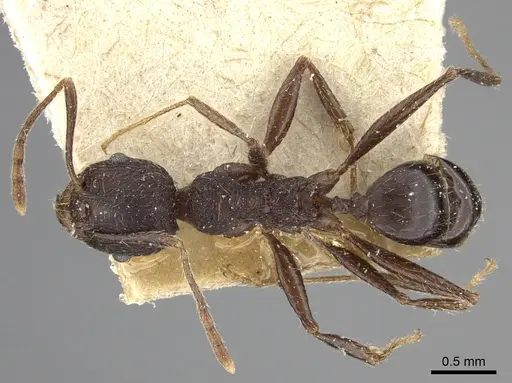
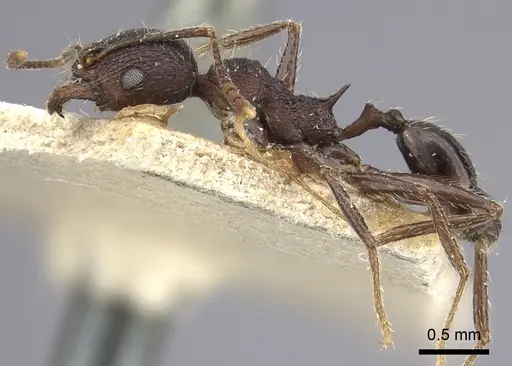
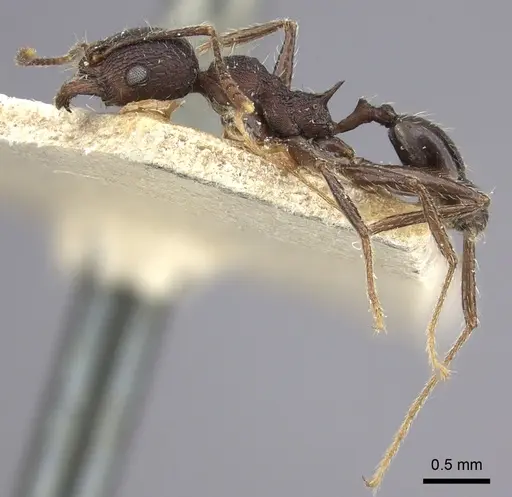
CASENT0283069
View on AntWeb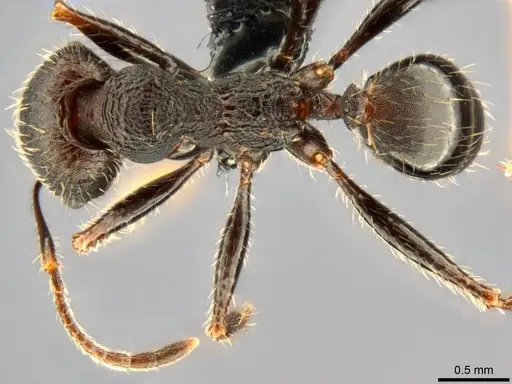
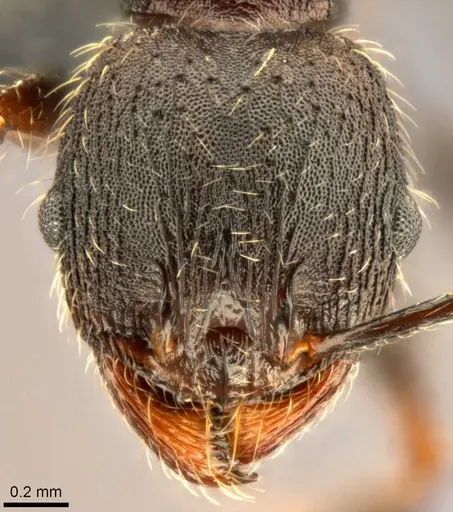
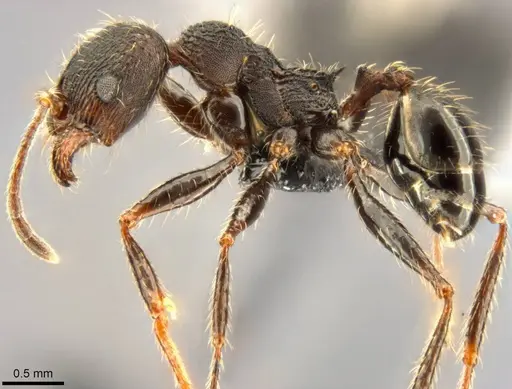
CASENT0786226
View on AntWeb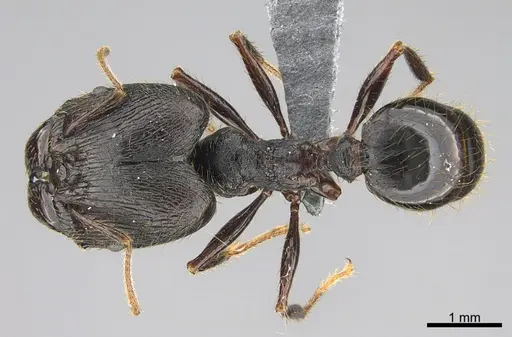
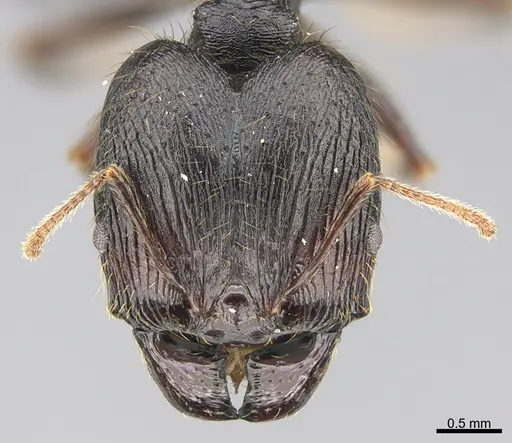
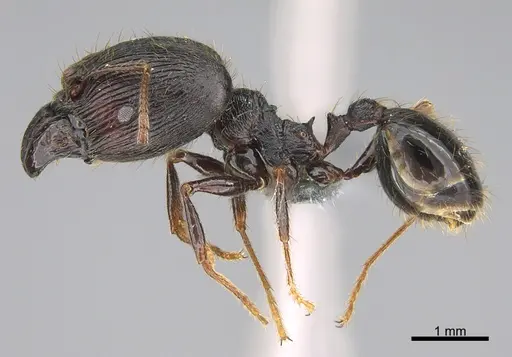
CASENT0901275
View on AntWeb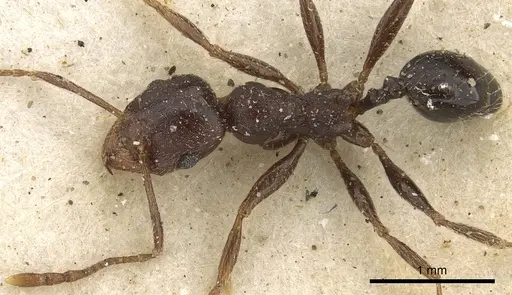
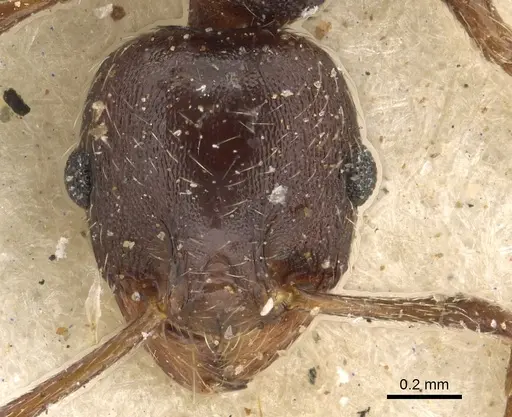
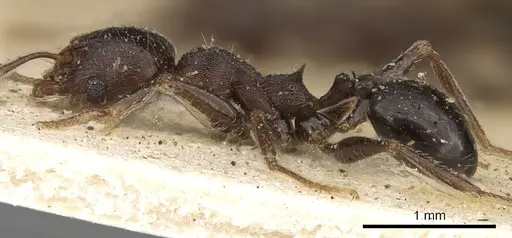
CASENT0901276
View on AntWeb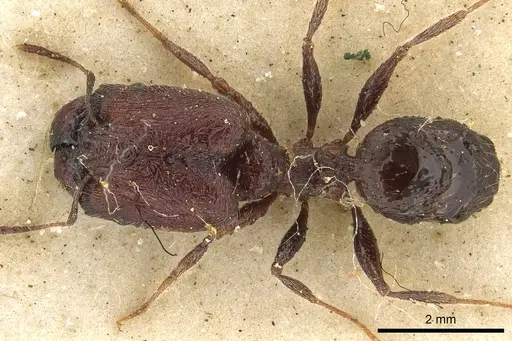
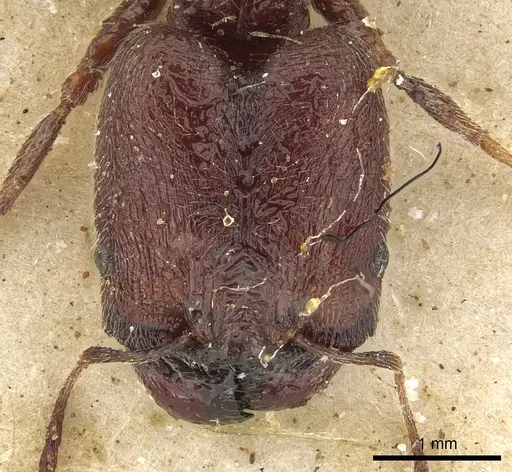
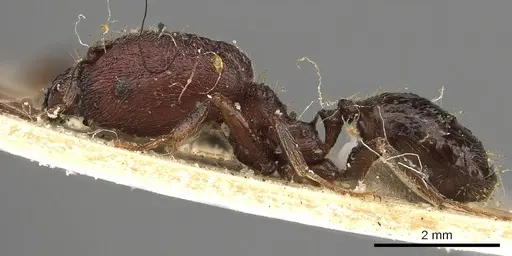
CASENT0904206
View on AntWeb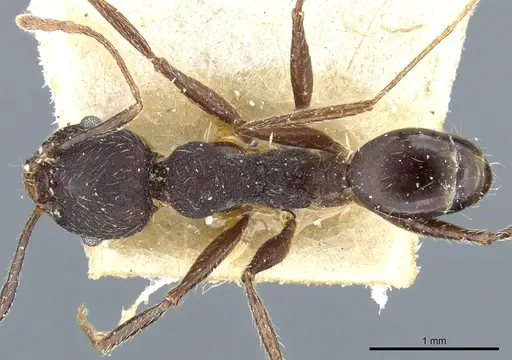
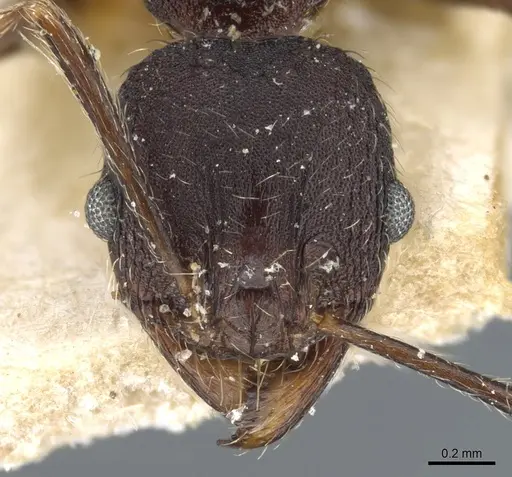
Literature
Loading distribution map...Loading products...