
Pheidole leonina
- Sci. Name
- Pheidole leonina
- Tribe
- Attini
- Subfamily
- Myrmicinae
- Author
- Wilson, 2003
- Distribution
- Found in 2 countries
Introduction
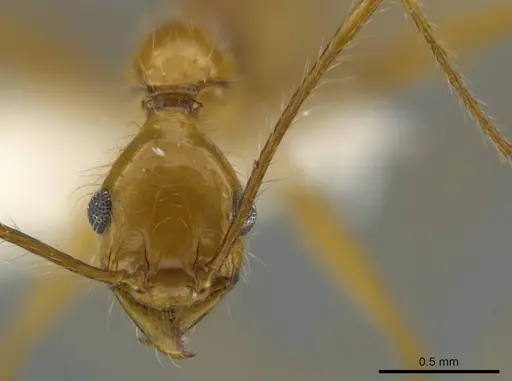
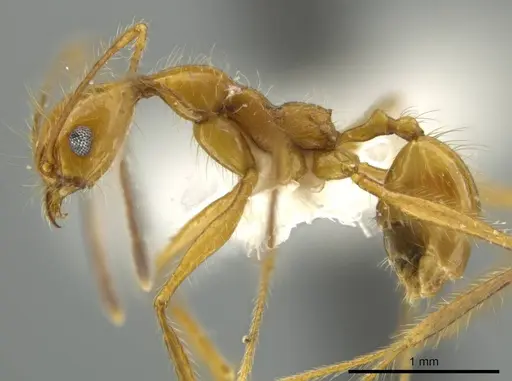
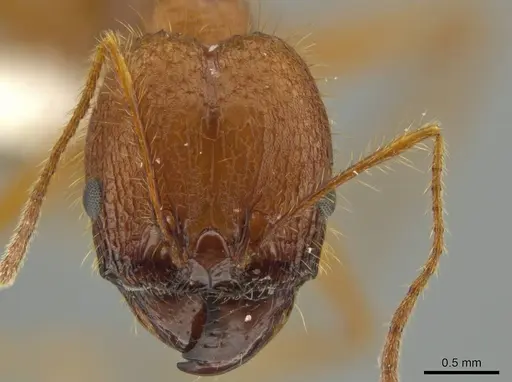
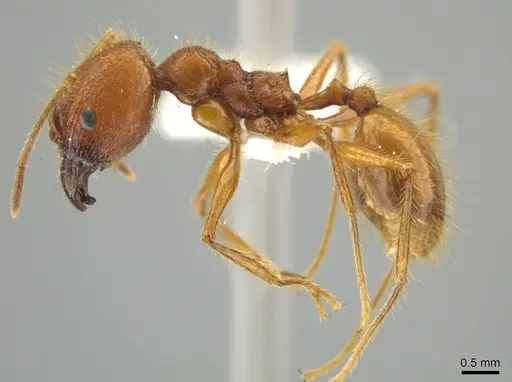
Pheidole leonina is a small ant species in the fallax group, with major workers having an enlarged head and reduced occiput, and minor workers being smaller with reduced propodeal spines. Body size data is unavailable, but based on genus patterns, major workers are estimated around 2-3 mm in length and minor workers around 1-2 mm. This species is found in the Amazon basin, with records from Peru, Brazil (Pará, Acre, Mato Grosso), and Colombia . It inhabits terra firme (non-flooded) forest environments . The species is known for its distinct caste system and has been recorded recruiting to protein sources like dead cockroaches in the wild .
Quick Summary
- Difficulty: Medium
- Origin & Habitat: Amazon basin in South America, terra firme forest in Peru, Brazil, and Colombia [1][2][3][4][5][6].
- Colony Type: Based on Pheidole genus patterns, likely monogyne (single queen).
- Size & Growth:
- Queen: Estimated ~7-9 mm based on related Pheidole species.
- Worker: Estimated ~2-3 mm for majors and ~1-2 mm for minors based on genus patterns.
- Colony: Up to several hundred workers, estimated based on genus patterns.
- Growth: Moderate
- Development: Estimated 6-8 weeks at optimal temperature based on related species. (Development time may vary with temperature and feeding.)
- Antkeeping:
- Temperature: Keep warm around 24-28°C, as they are tropical ants.
- Humidity: Keep substrate consistently moist but not waterlogged, based on terra firme forest conditions.
- Diapause: No, as a tropical species, they do not require hibernation.
- Nesting: Start with a test tube setup for founding colonies. Once established, use Y-tong or plaster nests with tight chambers.
- Behavior: These ants are active foragers that recruit nestmates to food sources, as observed in the wild [7]. Minor workers are very small, so escape prevention is critical. They are not aggressive but will defend their nest.
- Common Issues: tiny minor workers mean escape prevention is critical, they can squeeze through standard barriers., humidity control is important, too wet causes mold, too dry stresses the colony., tropical species cannot tolerate cool temperatures, keep consistently warm., slow colony establishment may cause keepers to overfeed or disturb the nest too often., limited available information means some care aspects are estimates based on genus patterns.
Nest Preferences
In the wild, Pheidole leonina nests in soil or under stones in terra firme Amazon forest environments [7]. They prefer damp but well-drained substrate conditions. For captive care, start with a simple test tube setup for the founding queen. Once the colony reaches 20-30 workers, you can move them to a formicarium. Y-tong or plaster nests work well for this species. They prefer tight chambers and narrow passages scaled to their tiny minor workers.
Feeding and Diet
Pheidole leonina is omnivorous with a preference for protein. In their natural habitat, they recruited to dead cockroach, showing they readily accept protein sources [7]. Feed them small insects like fruit flies, pinhead crickets, or mealworms. They also likely consume honeydew and can accept sugar water or honey occasionally. Major workers can process harder foods with their enlarged heads. Feed protein 2-3 times per week and provide a constant sugar source.
Temperature and Care
As a tropical Amazon species, Pheidole leonina requires warm temperatures around 24-28°C. They cannot tolerate cool conditions and may become sluggish below 22°C. Use a heating cable on one side of the nest to create a temperature gradient. Maintain humidity by keeping the nest substrate moderately moist but not waterlogged. Since they come from a tropical environment, they do not require diapause or hibernation.
Behavior and Temperament
This species shows typical Pheidole behavior with distinct major and minor castes. Minor workers are tiny foragers while majors defend the colony and help process food. They recruit nestmates to food sources through chemical trails, as observed with their recruitment to dead cockroach in the wild [7]. They are not particularly aggressive but will bite if threatened. The main concern for keepers is their very small minor workers, they can escape through standard barriers.
Colony Growth and Development
Pheidole leonina follows the typical Pheidole colony development pattern. The claustral queen seals herself in a chamber and raises the first brood alone using stored fat reserves. First workers are typically smaller than normal workers. Colony growth is moderate, expect several months to reach 50 workers, with faster growth once the first major workers appear. Based on related species, the colony may reach several hundred workers over 1-2 years.
Frequently Asked Questions
How long does it take for Pheidole leonina to produce first workers?
Based on typical Pheidole development, expect first workers in about 6-8 weeks at optimal temperature (24-28°C). This is an estimate based on related species as specific development timing for P. leonina has not been documented.
Can I keep multiple queens together?
Pheidole leonina is likely monogyne (single queen) based on typical genus patterns. Combining unrelated queens is not recommended as they likely will fight. If you capture a founding queen, house her alone in a test tube setup.
What do Pheidole leonina ants eat?
They are omnivorous with a preference for protein. Feed small insects like fruit flies, pinhead crickets, or mealworms 2-3 times per week. They will also accept sugar water or honey. In the wild, they recruited to dead cockroach, showing their protein preference [7].
Are Pheidole leonina good for beginners?
This species is rated as Medium difficulty. They require warm tropical conditions and have very small workers that can escape easily. Some experience with antkeeping is helpful.
What temperature do Pheidole leonina need?
Keep them at 24-28°C. These are tropical Amazon ants that need consistent warmth. Below 22°C they may become sluggish. A small heating cable on one side of the nest can maintain proper temperatures.
When should I move Pheidole leonina to a formicarium?
Move them once the colony reaches 20-30 workers or when the test tube water reservoir runs low. A Y-tong or plaster nest works well. They prefer tight chambers scaled to their small size.
How big do Pheidole leonina colonies get?
Colony size is not documented specifically, but based on genus patterns, they likely reach several hundred workers over 1-2 years.
Do Pheidole leonina need hibernation?
No. As a tropical Amazon species, they do not require diapause or hibernation. Keep them warm year-round at 24-28°C.
Why are my Pheidole leonina escaping?
The minor workers are very small and can squeeze through standard barriers. Use fine mesh on all ventilation holes and ensure all connections are tightly sealed. Check all seams and tube connections regularly.
Report an Issue
The current care sheet is based fully on literature. See inconsistencies, or something that's incorrect? Please , it will be resolved after review from an admin. Contributing to the blogs tab also helps providing information, to make us be able to further improve the caresheets. Thank you for your support!
References

This caresheet is licensed under CC BY-SA 4.0 .
Community Blogs
CASENT0645816
View on AntWeb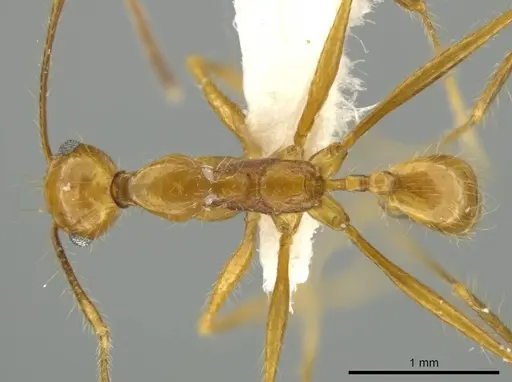
JTLC000016432
View on AntWeb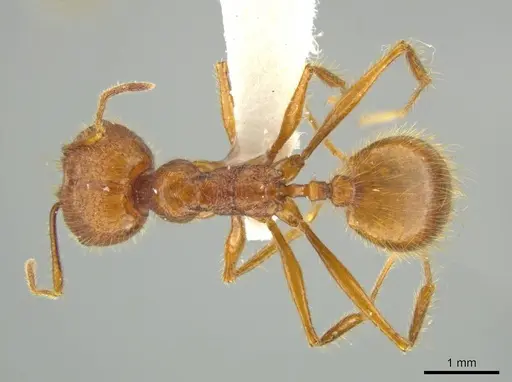
Literature
Loading distribution map...Loading products...