
Pheidole laudatana
- Sci. Name
- Pheidole laudatana
- Tribe
- Attini
- Subfamily
- Myrmicinae
- Author
- Wilson, 2003
- Distribution
- Found in 2 countries
Introduction
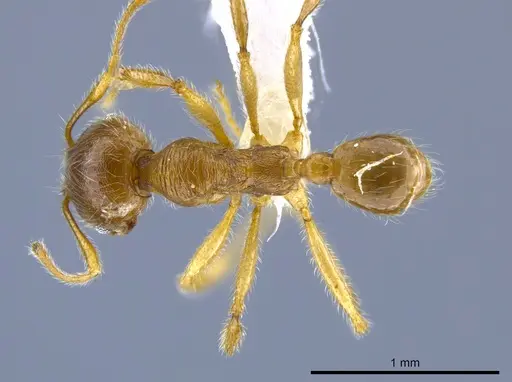
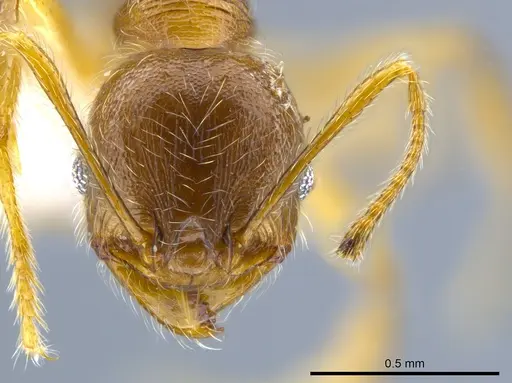
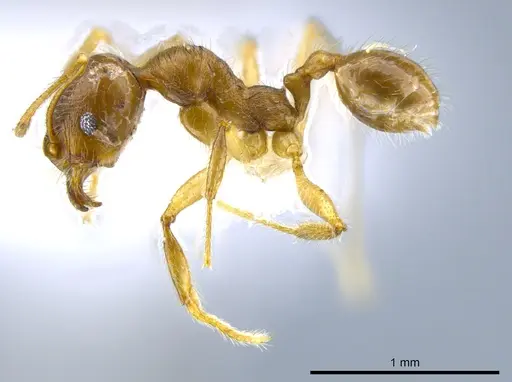
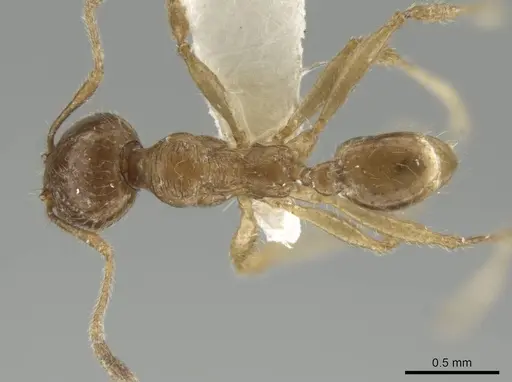
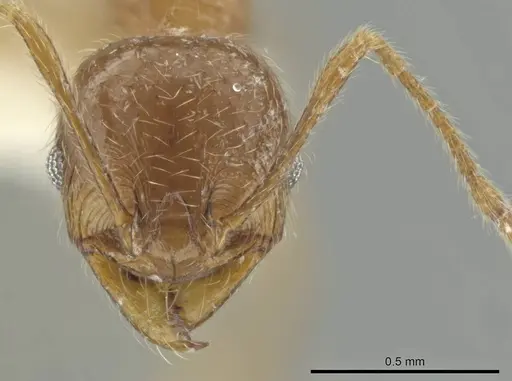
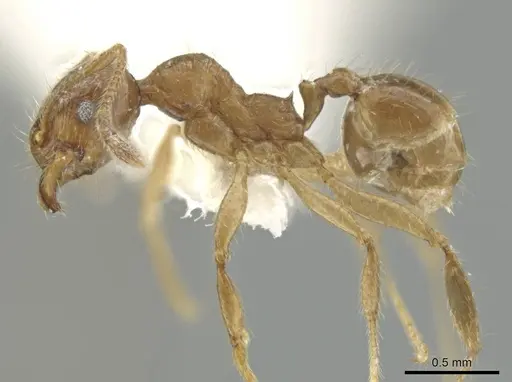
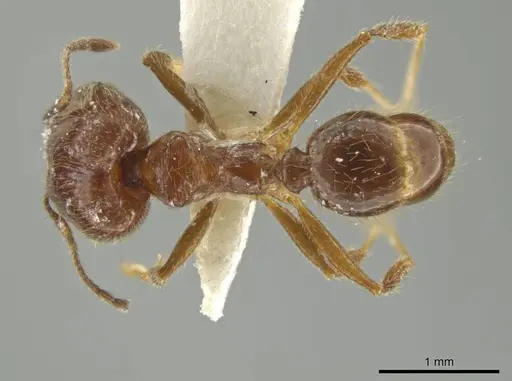
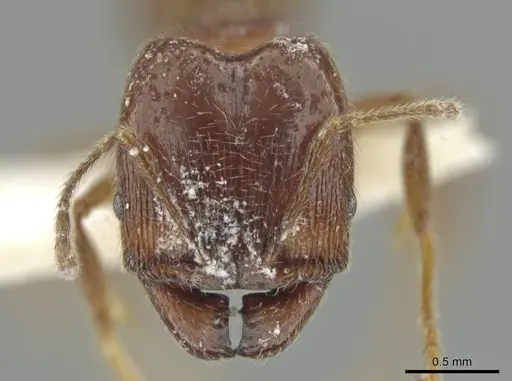
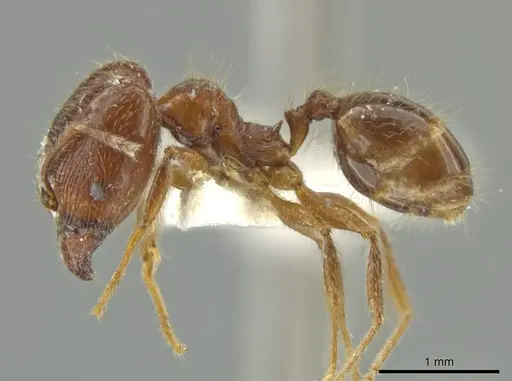
Pheidole laudatana is a small ant native to the Caribbean islands of Dominica and Guadeloupe, found in elfin forests at about 800 meters elevation . Size data unavailable for body length, but major and minor workers are described with head widths . This species belongs to the tristis group and is known for nesting in clay soil with small openings in primary forests .
Quick Summary
- Difficulty: Medium
- Origin & Habitat: Found only on Dominica and Guadeloupe in elfin forest (montane cloud forest) at approximately 800 meters elevation [1].
- Colony Type: Colony structure is unconfirmed. Based on Pheidole genus patterns, likely monogyne (single-queen colonies).
- Size & Growth:
- Queen: Size data unavailable, no total length measurements in context
- Worker: Size data unavailable, no total length measurements in context
- Colony: Unknown for this species, but related Caribbean Pheidole typically form small colonies
- Growth: Moderate, typical for Pheidole genus
- Development: Estimated 6-8 weeks based on typical Pheidole development at warm temperatures (Development time inferred from genus patterns, not directly studied for this species)
- Antkeeping:
- Temperature: Keep at cool, stable conditions around 22-26°C, inferred from elfin forest habitat
- Humidity: Keep nest substrate consistently moist but not waterlogged, as elfin forests are constantly moist [1]
- Diapause: No, tropical species do not require hibernation
- Nesting: Prefer soil nests with small openings, in captivity, use test tube setup for founding colonies, then move to small formicarium with moist soil or plaster [2]
- Behavior: Workers are small and active, escape risk is high due to small size, use fine barriers. Not known to be aggressive toward keepers.
- Common Issues: small colony size means slow development, beginners may lose patience, humidity control is critical, too dry and colonies fail quickly, poorly documented species means care is largely inferred from genus patterns, wild-caught colonies from Caribbean islands may carry unfamiliar parasites, tiny workers can escape through standard barriers if not careful
Natural History and Distribution
Pheidole laudatana is known only from Dominica and Guadeloupe, making it an island-endemic species. The type specimens were collected in elfin forest at approximately 800 meters elevation [1]. This habitat is characterized by constant moisture and cool temperatures. The species was described in 2003 and remains less-studied. Related species in the tristis group nest in clay soil with small openings, and P. laudatana is common in primary forest on Dominica [2].
Housing and Nesting
For founding colonies, use a test tube setup with water and cotton plug. Once the colony has workers, move to a small formicarium with moist soil or plaster. Keep the nest substrate consistently moist but not waterlogged. The elfin forest origin means they prefer cooler, humid conditions, avoid direct heat or sunlight. Pheidole prefer dark nesting sites [2].
Feeding and Diet
Pheidole are omnivorous. Offer sugar water or honey constantly for energy. Provide protein sources like small fruit flies or pinhead crickets every 2-3 days. Remove uneaten prey after 24 hours. Observe colony preferences.
Temperature and Seasonal Care
Based on elfin forest habitat, keep temperatures around 22-26°C. Avoid exceeding 28°C. Room temperature is likely appropriate. No hibernation needed for tropical species. Monitor substrate moisture regularly.
Colony Development
Colonies grow through typical founding sequences: queen lays eggs, raises first brood on stored fat reserves, then workers forage. Initial growth is slow, with first major workers emerging in 6-8 weeks. Growth accelerates with more foragers. Expect steady growth over 1-2 years under good conditions.
Frequently Asked Questions
How long does it take for Pheidole laudatana to get first workers?
First workers typically emerge in 6-8 weeks after egg laying, assuming temperatures around 24-26°C.
What do Pheidole laudatana ants eat?
They are omnivorous. Offer sugar water or honey constantly, and protein like small fruit flies or pinhead crickets 2-3 times per week.
What temperature do Pheidole laudatana ants need?
Keep them at 22-26°C, inferred from elfin forest habitat.
Do Pheidole laudatana ants need hibernation?
No, as a tropical species, they do not require hibernation.
How big do Pheidole laudatana colonies get?
Maximum colony size is unknown, but related species form small colonies.
Can I keep multiple Pheidole laudatana queens together?
Not recommended, as colony structure is unconfirmed and most Pheidole are single-queen.
Are Pheidole laudatana ants good for beginners?
They are moderate difficulty due to humidity needs and slow growth.
When should I move Pheidole laudatana to a formicarium?
Move them once the colony has workers and shows signs of needing more space, such as clustering at the water reservoir.
Why is my Pheidole laudatana colony dying?
Common causes are too dry conditions, temperature stress, or poor queen health. Check humidity first, substrate should feel damp.
Report an Issue
The current care sheet is based fully on literature. See inconsistencies, or something that's incorrect? Please , it will be resolved after review from an admin. Contributing to the blogs tab also helps providing information, to make us be able to further improve the caresheets. Thank you for your support!
References

This caresheet is licensed under CC BY-SA 4.0 .
Community Blogs
Literature
Loading distribution map...Loading products...