
Pheidole lagunculinoda
- Sci. Name
- Pheidole lagunculinoda
- Tribe
- Attini
- Subfamily
- Myrmicinae
- Author
- Longino, 2009
- Distribution
- Found in 1 countries
Introduction
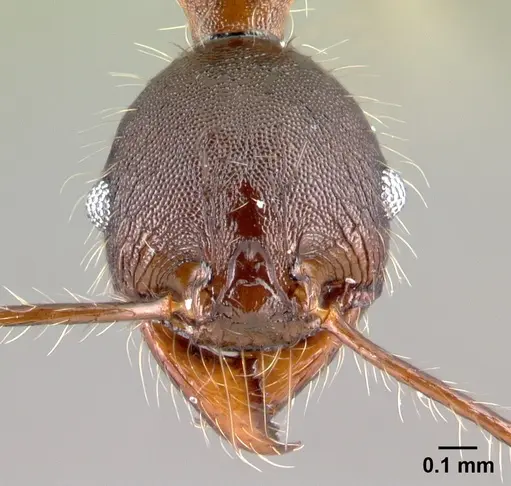
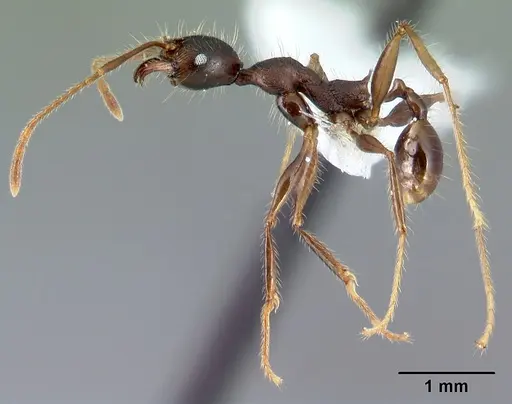
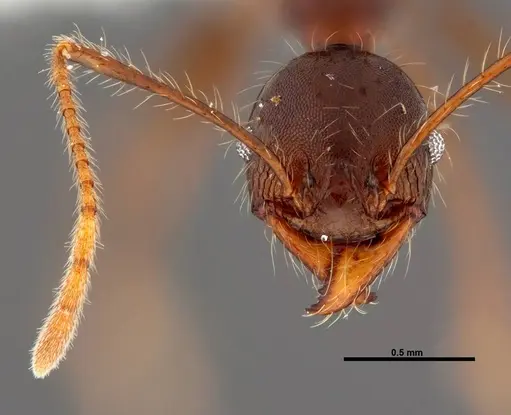
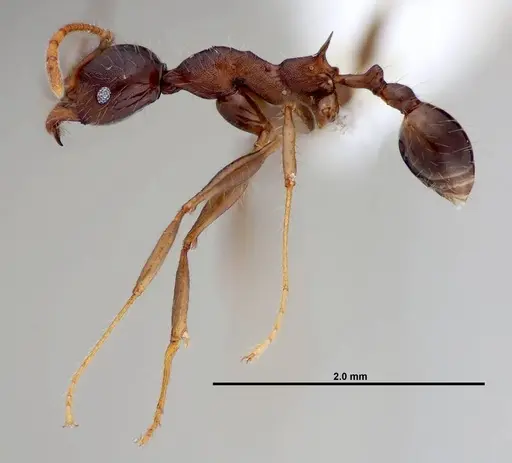
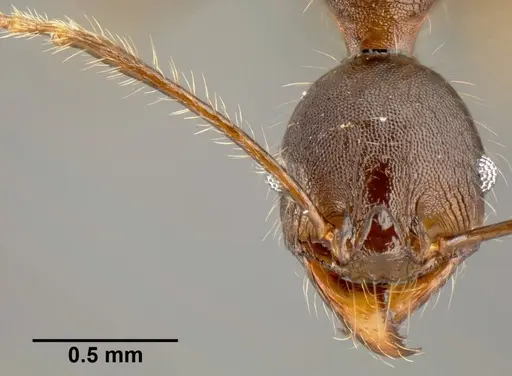
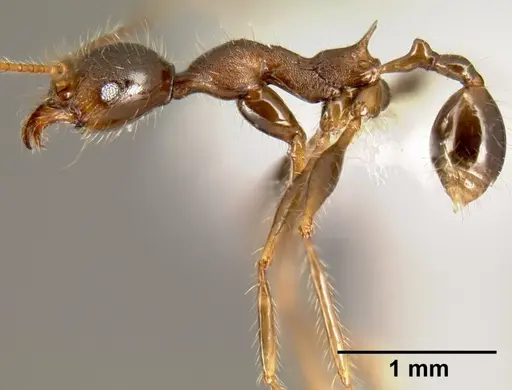
Pheidole lagunculinoda is a recently described Neotropical ant species from the wet forests of southern Mexico and Guatemala . Formally described in 2009 by Longino, it is best known for the distinctive, elongated, flask-shaped postpetiole (the segment between the waist and abdomen) of its minor workers . The species name 'lagunculinoda' means 'flask-knot' in reference to this feature . Direct total body length measurements are not available; minor workers have a head length of 0.82-0.90 mm and major workers (soldiers) have a head length of 2.31 mm . The species occurs in lowland to mid-elevation wet forest habitats, typically below 200 meters elevation . Workers have been collected at bait stations, suggesting active foraging and attraction to food sources .
Quick Summary
- Difficulty: Medium
- Origin & Habitat: Native to southern Mexico (Chiapas) and Guatemala in lowland to mid-elevation wet tropical forest [1][2][3]. This is a recently described species (2009) with limited documented information about its natural history.
- Colony Type: Colony structure is not directly documented. Based on typical Pheidole patterns, colonies are likely single-queen (monogyne). No documented ergatoid (wingless replacement) queens for this specific species.
- Size & Growth:
- Queen: Not documented. Based on typical Pheidole patterns, queens are likely around 5-8 mm total length (inferred).
- Worker: Total body length not directly measured. Minor worker head length 0.82-0.90 mm, major worker head length 2.31 mm [2]. Typical Pheidole workers range from 2-6 mm total length depending on caste (inferred).
- Colony: Several hundred workers (estimated based on related Pheidole species).
- Growth: Moderate (estimated based on typical Pheidole patterns).
- Development: 6-10 weeks estimated based on typical Pheidole patterns at optimal temperature (around 24-27°C). (Development time is not directly studied for this species. This is an estimate based on related species in the genus.)
- Antkeeping:
- Temperature: Keep nest area around 24-27°C (75-80°F). Based on their wet forest origin from lowland tropical Mexico, they prefer warm, stable conditions. A gentle temperature gradient allows workers to regulate their own exposure.
- Humidity: Maintain moderate to high humidity, think damp forest floor. Keep nest substrate consistently moist but not waterlogged. Provide a water source via test tube setup.
- Diapause: Not documented for this species. As a Neotropical species from lowland forest, they likely do not require true hibernation but may reduce activity during cooler periods. Consider a slight cool period (around 18-20°C) in winter rather than full diapause.
- Nesting: In the wild, they are inferred to nest in soil or rotting wood in wet forest habitats. In captivity, standard test tube setups work well for founding colonies. Once established (50+ workers), a Y-tong (AAC) or plaster nest with moisture chambers works well. The flask-shaped postpetiole suggests they may use narrow tunnels, so provide appropriately scaled chambers.
- Behavior: This species has a functional stinger, though it is relatively weak and not medically significant to humans (defense mechanism typical of Myrmicinae/Attini). Major workers can also deliver a noticeable bite with their large mandibles if threatened. Workers are active foragers collected at baits, indicating attraction to both sweet and protein sources [1][2]. Escape risk is high for minor workers because they are very small (head length ~0.8 mm), use standard barrier methods (Fluon) and ensure no gaps in the setup.
- Common Issues: limited information, this is a recently described species with minimal documented care in captivity., humidity management is critical, wet forest species are prone to mold in poorly ventilated nests., major workers develop later than in some genera, don't be alarmed if early colonies are all minors for months., escape risk is high for minor workers due to their tiny size, seal all potential exit points.
Housing and Nest Setup
For founding colonies, use a standard test tube setup with a water reservoir. Fill the tube about one-third with water, plug with a cotton ball, then add the queen. This provides constant humidity without flooding. Keep the tube in darkness during the founding stage. Once the colony reaches about 40-60 workers, you can move them to a formicarium. A Y-tong (AAC) or plaster nest with moisture chambers works well. The key is maintaining damp conditions without stagnation, ensure some ventilation to prevent mold. The flask-shaped postpetiole of minor workers suggests they navigate narrow passages, so avoid overly large chambers initially. Because minor workers are tiny (head length ~0.8 mm), make sure all connections are sealed to prevent escapes. [1][2]
Feeding and Diet
Pheidole lagunculinoda workers have been collected at bait stations in the wild, indicating they readily forage for food [1][2]. In captivity, offer a varied diet: protein sources like small insects (fruit flies, pinhead crickets, mealworms), and sugar sources like honey water or sugar water. Since they were collected at baits, they're likely omnivorous like most Pheidole species. Feed protein 2-3 times per week, and keep a constant sugar water supply. Remove uneaten food after 24-48 hours to prevent mold. Minor workers will handle most foraging and food processing, major workers likely assist in defending the colony and processing larger items.
Temperature and Seasonal Care
As a lowland wet forest species from southern Mexico, Pheidole lagunculinoda prefers warm, humid conditions. Keep the nest area at 24-27°C (75-80°F). You can use a heating cable on one side of the nest to create a gentle gradient, place it on top of the nest, not underneath, to avoid drying out the substrate too quickly. Since they're from a tropical region, they don't require true hibernation. However, you might reduce temperatures slightly during winter months (around 20-22°C) to simulate natural seasonal variation. Avoid temperatures below 18°C for extended periods. Monitor colony behavior, if workers become less active and cluster together, they're indicating preference for warmer conditions. [1][2]
Colony Development and Expectations
Pheidole species have distinct minor and major worker castes. Your first workers (nanitics) will be smaller than normal minors but should appear within 6-10 weeks under optimal conditions (based on typical Pheidole patterns). Major workers typically appear later, sometimes not until the colony reaches 100+ workers. Don't be concerned if your founding colony remains all-minor workers for several months, this is normal for Pheidole. The colony will grow gradually at first, then accelerate once the first batch of workers is established. Major workers (soldiers) develop to help with food processing and colony defense. A healthy mature colony may eventually reach several hundred workers (estimated from related species). [2]
Behavior and Defense
Pheidole lagunculinoda belongs to Myrmicinae/Attini and possesses a functional stinger, though it is not medically significant to humans (typical defense of this group). Major workers (soldiers) can also deliver a noticeable bite with their large mandibles. Workers are active foragers, as evidenced by their collection at bait stations in the wild [1][2]. In captivity, you'll see them emerge quickly when food is offered. They don't form supercolonies and are not invasive. Standard escape prevention with Fluon on container edges is essential, minor workers are extremely small (head length ~0.8 mm) and can slip through tiny gaps.
Frequently Asked Questions
How long does it take for Pheidole lagunculinoda to produce first workers?
Expect first workers (nanitics) to emerge in about 6-10 weeks at optimal temperature (24-27°C). This is an estimate based on typical Pheidole patterns, as this specific species has not been studied in captivity.
What do Pheidole lagunculinoda ants eat?
They are omnivorous. Offer protein (small insects like fruit flies, pinhead crickets, mealworms) 2-3 times per week and keep a constant sugar source (honey water or sugar water). They readily accept baits in the wild [1][2].
Can I keep multiple queens together?
Not recommended, as colony structure is not documented for this species. Based on typical Pheidole patterns, most species are monogyne (single queen). Housing multiple founding queens together has not been studied and carries a risk of aggression.
What temperature should I keep Pheidole lagunculinoda at?
Keep nest temperatures around 24-27°C (75-80°F). As a lowland wet forest species from tropical Mexico, they prefer warm, stable conditions. A gentle gradient allows workers to self-regulate.
Do they need hibernation or diapause?
Probably not. As a Neotropical species from lowland forest, they likely don't require true hibernation. You might provide a slight cool period (18-20°C) in winter, but full diapause is not necessary.
When should I move them to a formicarium?
Move from test tube to a formicarium once the colony reaches about 40-60 workers. A Y-tong (AAC) or plaster nest with moisture chambers works well. Ensure the new setup maintains humid conditions and has no gaps, as minors are very small.
Are Pheidole lagunculinoda good for beginners?
They are moderate difficulty. This is a recently described species with limited captive information, so there is more uncertainty than with established species. However, their care requirements are similar to other Pheidole species, which are well-established in the hobby.
Why aren't my major workers appearing?
Major workers (soldiers) typically appear later in colony development, often not until the colony reaches 100+ workers. This is normal for Pheidole, the colony prioritizes minor workers for foraging and brood care first.
How big do colonies get?
Colony size is not directly documented for this species. Based on related Pheidole species, expect several hundred workers in a mature colony.
Report an Issue
The current care sheet is based fully on literature. See inconsistencies, or something that's incorrect? Please , it will be resolved after review from an admin. Contributing to the blogs tab also helps providing information, to make us be able to further improve the caresheets. Thank you for your support!
References

This caresheet is licensed under CC BY-SA 4.0 .
Community Blogs
CASENT0609553
View on AntWeb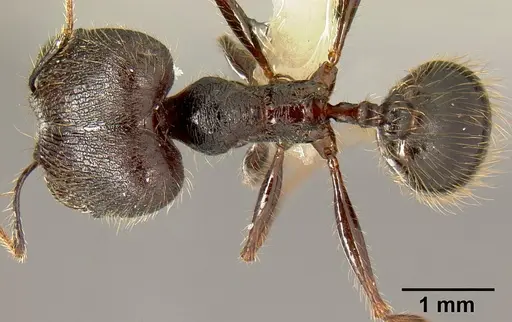
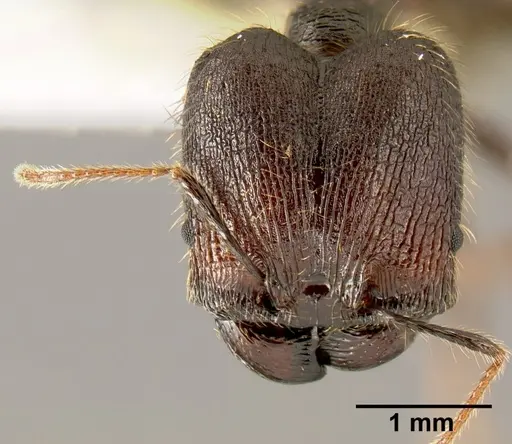
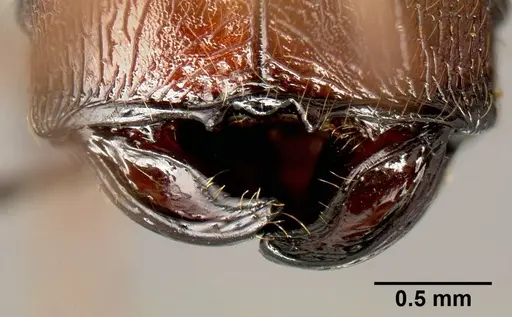
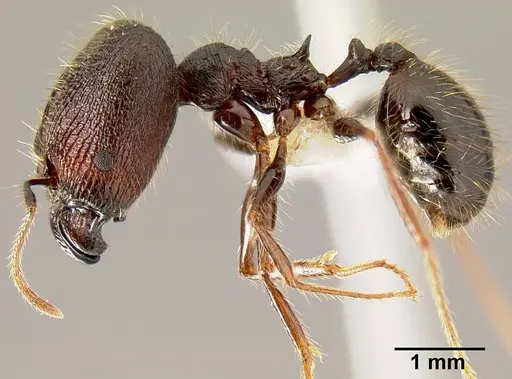
CASENT0609857
View on AntWeb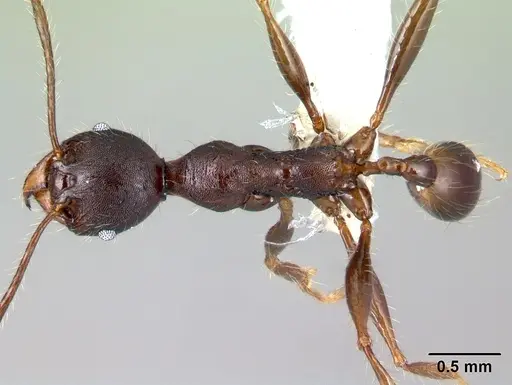
CASENT0609877
View on AntWeb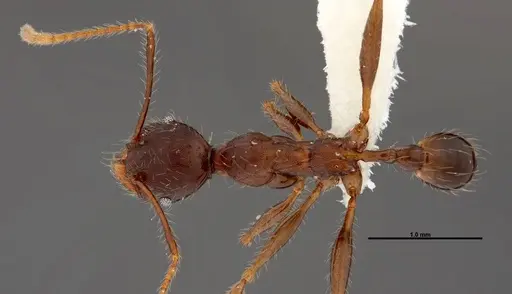
CASENT0609878
View on AntWeb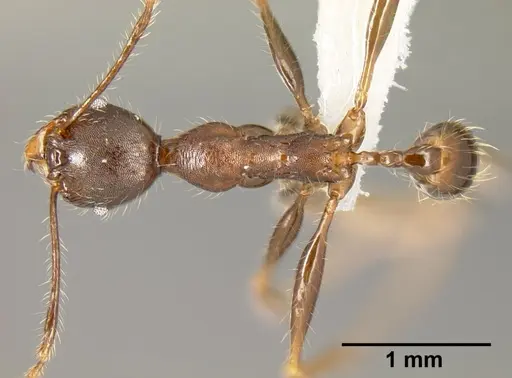
Literature
Loading distribution map...Loading products...