
Pheidole kugleri
- Sci. Name
- Pheidole kugleri
- Tribe
- Attini
- Subfamily
- Myrmicinae
- Author
- Wilson, 2003
- Distribution
- Found in 1 countries
Introduction
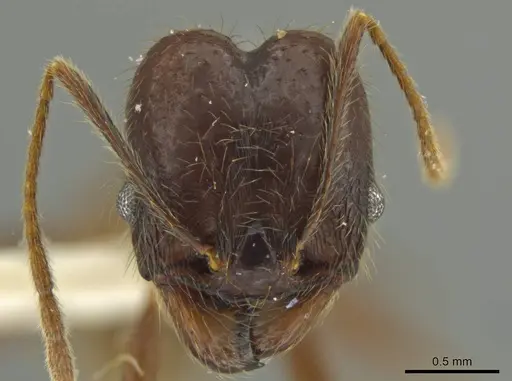
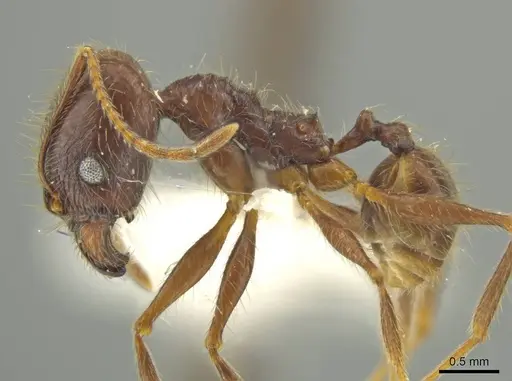
Pheidole kugleri is a species of big-headed ant native to Peru, known only from a single collection in the Andes at 2000m elevation. Major workers have dark brown bodies with medium brown appendages and enlarged heads with distinctive sculpture patterns. The species belongs to the 'jujuyensis complex' within the fallax group. Only major workers have been described; minor workers are unknown. These ants were collected from primary forest on a steep hillside above farmland, suggesting they prefer cool, humid mountain environments . The most unusual aspect is that only major workers are known; the minor worker caste has never been described, making this one of the most poorly documented Pheidole species .
Quick Summary
- Difficulty: Hard
- Origin & Habitat: Andes Mountains in Peru (Pasco region,2000m elevation), primary forest on steep hillside above farmland [1][2]
- Colony Type: Unknown, only major workers have been described, no queen or colony structure data available
- Size & Growth:
- Queen: Size data unavailable, inferred from Pheidole genus (~8-12mm)
- Worker: Size data unavailable, major workers described but full body length not provided
- Colony: Unknown, no colony data available
- Growth: Unknown, no development data available
- Development: Unknown, no species-specific data available (Based on typical Pheidole patterns, development may take 6-10 weeks at warm temperatures, but this is inferred from related species.)
- Antkeeping:
- Temperature: Temperature needs are unclear, start around 20°C and observe, as highland origin suggests preference for cooler conditions [2]
- Humidity: Keep nest substrate consistently moist but not waterlogged, based on primary forest habitat [2]
- Diapause: Likely yes, based on highland origin, provide a winter rest period of 3-4 months at cooler temperatures [2]
- Nesting: Most Pheidole nest in soil or rotting wood, provide a naturalistic setup with moisture retention [2]
- Behavior: Behavior is unstudied, but Pheidole ants are generally non-aggressive and have stingers for defense. Major workers serve as soldiers and food processors. Escape prevention is important as they can squeeze through small gaps. Based on genus patterns, expect moderate activity and opportunistic foraging.
- Common Issues: this species is extremely rare in captivity, likely not available from any supplier., no information on minor workers means colony behavior is poorly understood., high-altitude origin suggests specific temperature needs that differ from common tropical ants., only major workers described, obtaining a functional colony may be impossible., without proper hibernation, colony health may decline over time.
Species Background and Identification
Pheidole kugleri was described by Wilson in 2003 from specimens collected in Peru's Pasco region at 2000m elevation. It belongs to the 'jujuyensis complex' within the fallax species group. The species is named after Charles Kugler, a notable myrmecologist. Major workers have heavily sculptured heads with rugoreticula extending from the eyes to the antennal fossae. Only major workers have been described, the minor workers remain unknown [2].
Natural Habitat and Distribution
This species is known only from the type locality in Peru, 3km north of Oxacampa in the Pasco region at 2000m elevation. The habitat is primary forest on a steep hillside above farmland, indicating a preference for cool, humid mountain environments [1][2].
Housing and Nesting
Since this species has never been kept in captivity, housing recommendations are based on genus patterns and habitat. A naturalistic setup with moist soil substrate would replicate their forest floor environment. Alternatively, a Y-tong or plaster nest with good moisture retention would work. Provide a humidity gradient and avoid overheating, as they prefer cooler conditions [2].
Feeding and Diet
Pheidole ants are typically omnivorous with a preference for seeds and protein. Feed protein sources like small insects and seeds, along with sugar water or honey occasionally. Remove uneaten food after 24-48 hours to prevent mold. This is based on genus-level patterns since species-specific diet data does not exist [2].
Temperature and Seasonal Care
The 2000m Andean origin suggests these ants prefer cooler conditions. Aim for temperatures around 20°C, with a winter rest period of 3-4 months at cooler temperatures to simulate natural diapause. Monitor colony activity and adjust as needed [2].
Colony Structure and Development
This is one of the most poorly documented Pheidole species. Only major workers are described, minors, queens, and brood stages are unknown. Based on related species, expect a typical Pheidole structure with one queen, but this is unconfirmed. Any captive colony would be scientifically valuable for describing unknown castes [2].
Frequently Asked Questions
Is Pheidole kugleri available for purchase?
Almost certainly no. This species is known only from a single collection in Peru and has never been documented in the ant-keeping hobby. You are unlikely to find this species from any supplier [1][2].
What do Pheidole kugleri ants look like?
Only major workers have been described. They have dark brown bodies with medium brown appendages and enlarged heads with distinctive sculpture. Minor workers remain unknown [2].
How long does it take for Pheidole kugleri to develop from egg to worker?
No specific data exists. Based on related Pheidole species, development may take 6-10 weeks, but this is inferred and not confirmed [2].
Do Pheidole kugleri ants need hibernation?
Likely yes, based on the highland origin. Provide a winter rest period of 3-4 months at cooler temperatures to maintain colony health [2].
What temperature is best for Pheidole kugleri?
Keep them in cool to moderate temperatures, around 20°C, as they prefer cooler conditions due to their highland origin [2].
Are Pheidole kugleri good for beginners?
This species is not suitable for beginners due to lack of care information and specific temperature needs. It is recommended only for experienced keepers [2].
How big do Pheidole kugleri colonies get?
Unknown, no colony size data exists for this species [2].
What do I feed Pheidole kugleri?
Based on typical Pheidole diet: offer protein sources like small insects and seeds, along with sugar water or honey. Remove uneaten food after 24-48 hours [2].
Can I keep multiple queens together?
Unknown, colony structure has not been documented. Most Pheidole are single-queen, but without data, combining queens is not recommended [2].
Where is Pheidole kugleri found?
Only known from the type locality in Peru: 3km north of Oxacampa in the Pasco region, at approximately 2000m elevation [1][2].
Why are minor workers unknown for Pheidole kugleri?
The original type series only contained major workers. This could mean minors were not present, were missed, or have unusual morphology [2].
Report an Issue
The current care sheet is based fully on literature. See inconsistencies, or something that's incorrect? Please , it will be resolved after review from an admin. Contributing to the blogs tab also helps providing information, to make us be able to further improve the caresheets. Thank you for your support!
References

This caresheet is licensed under CC BY-SA 4.0 .
Community Blogs
JTLC000016420
View on AntWeb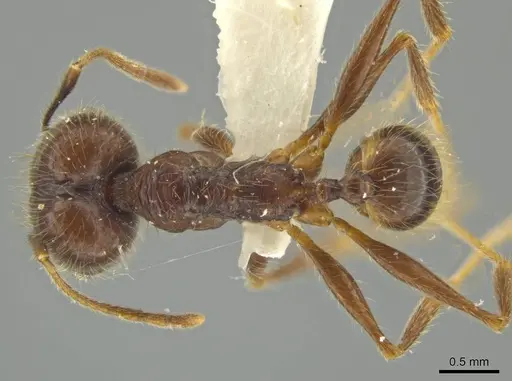
Literature
Loading distribution map...Loading products...