
Koshewnikov's Big-headed Ant
Pheidole koshewnikovi
- Sci. Name
- Pheidole koshewnikovi
- Tribe
- Attini
- Subfamily
- Myrmicinae
- Author
- Ruzsky, 1905
- Common Name
- Koshewnikov's Big-headed Ant
- Distribution
- Found in 9 countries
Introduction
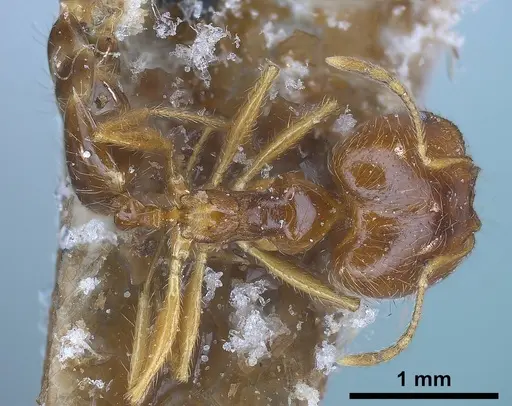
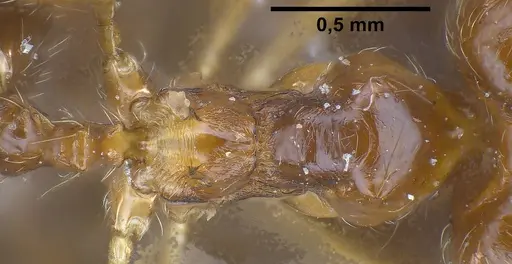
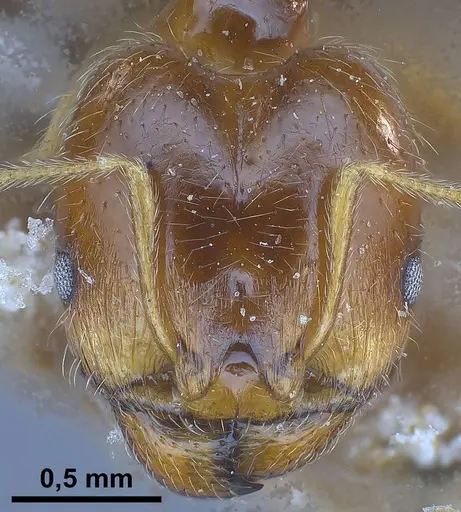
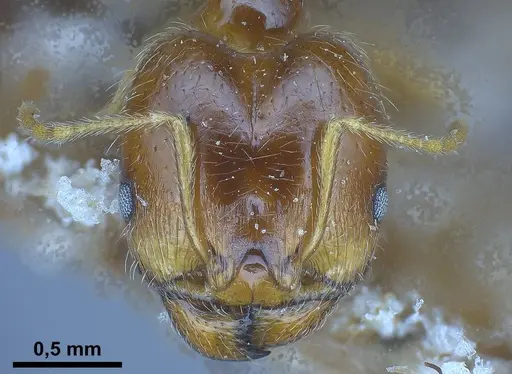
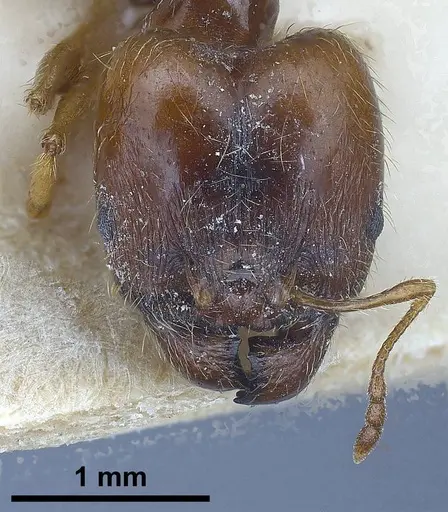
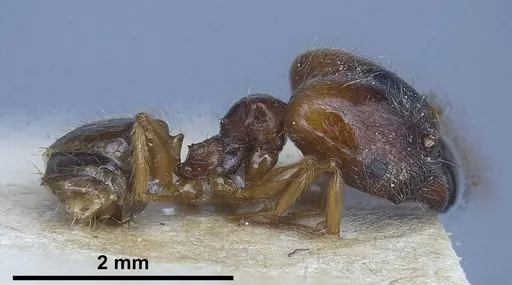
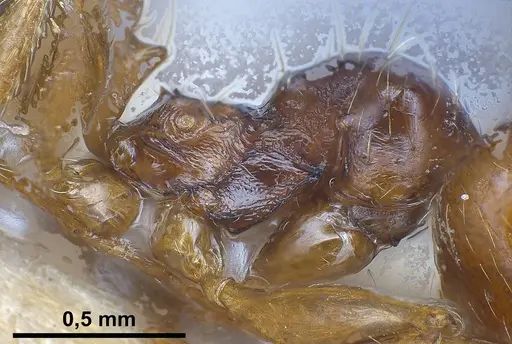
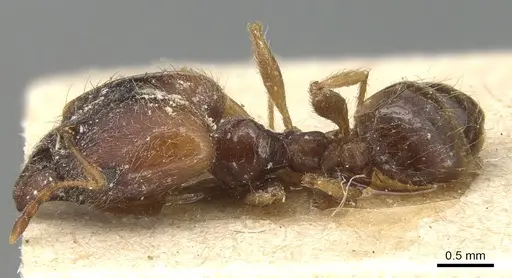
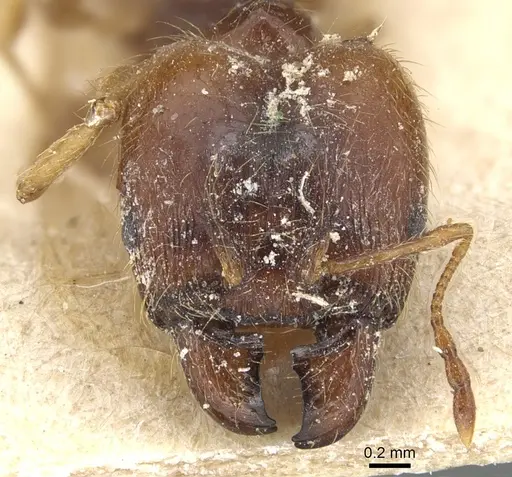
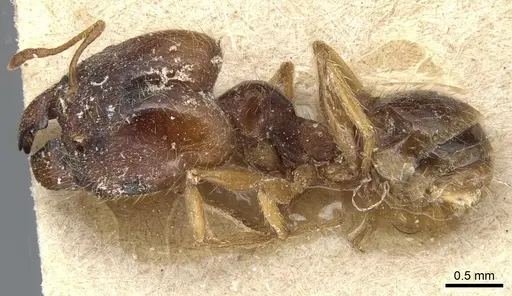
Pheidole koshewnikovi is an ant species found from the Mediterranean to Central Asia, inhabiting coastal areas, human settlements, and grazing lands . Previously considered a subspecies of Pheidole pallidula, it was elevated to species status in 2016 due to genetic and morphological differences . This species is notable for its adaptability to urban environments, where it often competes aggressively with other ants and quickly exploits food waste .
Quick Summary
- Difficulty: Easy
- Origin & Habitat: Mediterranean to Central Asia, found in Albania, Azerbaijan, Croatia, Cyprus, Greece, Iran, Kazakhstan, Kyrgyzstan, Montenegro, Russia, Turkey, and Uzbekistan. Inhabits coastal areas, human settlements, agricultural land, oak forests, and grazing areas from sea level to 2531m elevation [1][2][3].
- Colony Type: Based on typical Pheidole patterns, likely monogyne (single queen colonies).
- Size & Growth:
- Queen: Size data unavailable, inferred from Pheidole genus (~5-7 mm)
- Worker: Size data unavailable, inferred from Pheidole genus (~2-4 mm)
- Colony: Up to several thousand workers, inferred from genus patterns
- Growth: Fast, inferred from typical Pheidole development
- Development: 4-8 weeks estimated based on typical Pheidole development at warm temperatures (Development is temperature-dependent, warmer conditions within acceptable range speed development)
- Antkeeping:
- Temperature: Keep warm, roughly 22-28°C, based on typical Mediterranean conditions. A slight gradient allows workers to self-regulate.
- Humidity: Keep nest substrate consistently moist but not waterlogged, based on habitat diversity.
- Diapause: Yes, based on temperate origin, requires winter rest period of 2-3 months at 10-15°C.
- Nesting: Ground-nesting species that naturally nests under stones, in soil, and wall crevices. In captivity, use Y-tong nests, plaster, or soil-based formicariums [5].
- Behavior: Active and aggressive foragers with typical Pheidole behavior. Workers are avid seed harvesters and recruit quickly to food. Soldiers assist with seed processing and defense. Escape risk is moderate due to small size, use barrier gel or fluon on setups.
- Common Issues: escape prevention is essential, workers are small and may squeeze through gaps, use barrier gel or fluon on edges [5], overheating can kill colonies quickly, avoid temperatures above 30°C, colonies may decline if protein is insufficient, provide regular protein sources, test tube setups can flood if water reservoirs are too large, use appropriate tube size, aggressive behavior means they may attack other ant species if housed nearby, keep separate from other colonies
Housing and Setup
Pheidole koshewnikovi is straightforward to house. For founding colonies, a standard test tube setup works well, fill the tube about one-third with water, plug with cotton, and place the queen in the empty portion [5]. Once the colony reaches 20-30 workers, move them to a formicarium. These ants do well in Y-tong nests, plaster nests, or naturalistic setups with a digging area [5]. Provide an outworld for foraging connected via tubing. Use barrier gel or fluon on all edges to prevent escapes, as these active ants explore every gap [5].
Feeding and Diet
Pheidole koshewnikovi is omnivorous with a preference for seeds and protein. Offer seeds like grass seeds or millet, which soldiers process with their large mandibles [5]. Protein sources include fruit flies, small crickets, mealworms, and frozen insects. Sugar water or honey can be offered occasionally. Feed every 2-3 days, removing uneaten food after 24 hours to prevent mold [5].
Temperature and Seasonal Care
This species prefers warm conditions. Keep nest temperatures between 22-28°C, with a slight gradient for self-regulation [4]. Avoid temperatures above 30°C. During winter months (November to February), reduce temperatures to 10-15°C for diapause, mimicking natural seasonal cycles [4]. Reduce feeding and moisture during diapause.
Behavior and Colony Dynamics
Colonies are likely founded by a single queen, though founding behavior is unconfirmed. Workers are active foragers that quickly recruit to food sources. Soldiers assist with seed processing and defense [5]. In the wild, these ants are aggressive defenders of territory, engaging in fights with other ant species [5].
Growth and Development
Pheidole species develop relatively fast. From egg to first worker typically takes 4-8 weeks depending on temperature [6]. The first workers are usually smaller, and soldiers appear as the colony grows. Mature colonies can contain several thousand workers with a significant soldier population [6].
Frequently Asked Questions
How long does it take for Pheidole koshewnikovi to get first workers?
First workers typically appear within 4-8 weeks after the queen lays eggs, depending on temperature. Warmer temperatures speed development [6].
Can I keep multiple Pheidole koshewnikovi queens together?
This is likely a monogyne species with single-queen colonies. Multiple unrelated queens may fight, so keep one queen per colony setup [4].
What do Pheidole koshewnikovi ants eat?
They are omnivorous with a preference for seeds and protein. Offer grass seeds, millet, or broken sunflower seeds, and protein sources like fruit flies or mealworms [5].
Do these ants need hibernation?
Yes, based on their temperate origin, they require a winter rest period. Reduce temperatures to 10-15°C for 2-3 months during winter [4].
Are Pheidole koshewnikovi good for beginners?
Yes, they are considered an easy species to keep. They are adaptable, active, and forgiving of minor care mistakes [6].
How big do Pheidole koshewnikovi colonies get?
Mature colonies can reach up to several thousand workers, typical of Pheidole species [6].
When should I move my colony to a formicarium?
Move them once the test tube colony reaches 20-30 workers or the water section becomes contaminated. Use Y-tong, plaster, or soil-based nests [5].
Why are my Pheidole koshewnikovi escaping?
These are active ants that explore any gap. Use barrier gel or fluon on all connection points and edges [5].
What temperature range is best for Pheidole koshewnikovi?
Keep nest temperatures between 22-28°C. Avoid temperatures above 30°C [4].
Report an Issue
The current care sheet is based fully on literature. See inconsistencies, or something that's incorrect? Please , it will be resolved after review from an admin. Contributing to the blogs tab also helps providing information, to make us be able to further improve the caresheets. Thank you for your support!
References

This caresheet is licensed under CC BY-SA 4.0 .
Community Blogs
Literature
Loading distribution map...Loading products...