
Pheidole kikutai
- Sci. Name
- Pheidole kikutai
- Tribe
- Attini
- Subfamily
- Myrmicinae
- Author
- Eguchi, 2001
- Distribution
- Found in 0 countries
Introduction
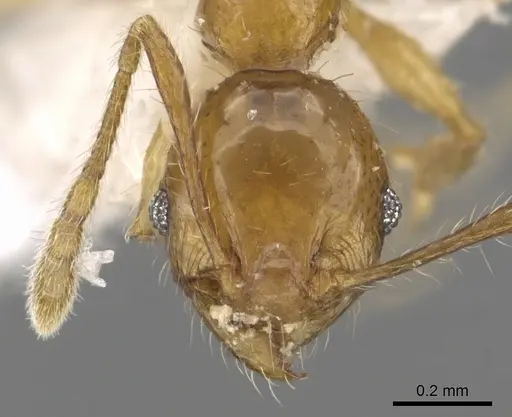
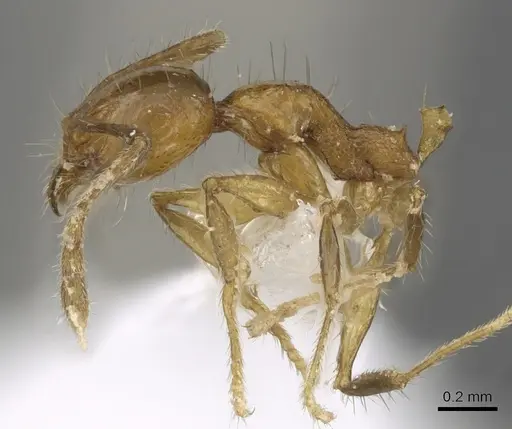
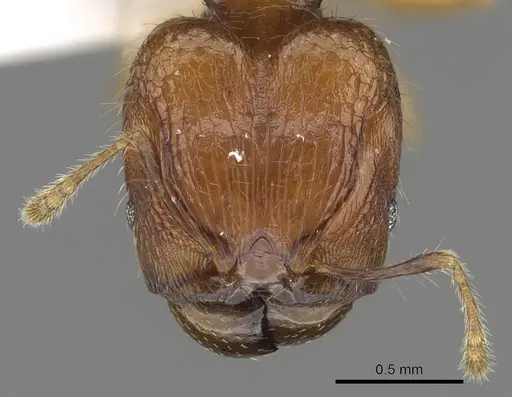
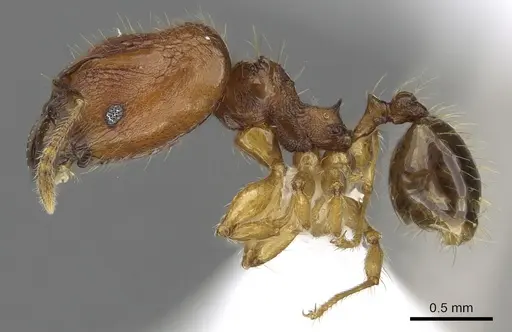
Pheidole kikutai is a small dimorphic ant species native to Borneo, Indonesia, Malaysia, and the Philippines. Major workers measure 2.5-2.6 mm total length, while minors are 1.4-1.6 mm . The species is identifiable by its complete occipital carina on minor workers . Coloration ranges from yellowish-brown to brown . This species is diurnal, active only during daylight hours . Biology is largely unstudied, so care recommendations are based on genus patterns.
Quick Summary
- Difficulty: Medium
- Origin & Habitat: Borneo, Indonesia, Malaysia, and Philippines, tropical rainforest habitats at elevations around 900m [1]
- Colony Type: Colony structure is unconfirmed, based on Pheidole patterns, likely single-queen, but not documented for this species.
- Size & Growth:
- Queen: Size data unavailable, no total length measurements for queens
- Worker: Major: 2.5-2.6 mm, Minor: 1.4-1.6 mm [1]
- Colony: Up to several hundred workers, estimated from related Pheidole species
- Growth: Moderate, estimated
- Development: Estimated 6-8 weeks at 25-28°C, inferred from tropical Pheidole patterns (Development time is estimated, actual timing unconfirmed)
- Antkeeping:
- Temperature: Keep at 24-28°C, tropical species requiring warm conditions. Room temperature may suffice in warm climates, otherwise use a heating cable.
- Humidity: Keep nest substrate consistently moist but not waterlogged, tropical species require moderate humidity.
- Diapause: No, tropical species do not require hibernation.
- Nesting: Prefers leaf litter or soil nests in nature. In captivity, use Y-tong nest or test tube setup with moist substrate.
- Behavior: This species is diurnal [2]. Workers forage in leaf litter, majors defend the nest. Escape risk is moderate due to small minor workers (1.4-1.6 mm). Temperament is non-aggressive toward keepers.
- Common Issues: small minor workers require fine mesh barriers to prevent escapes, tropical humidity requirements mean dry housing can cause colony decline, colony growth is unconfirmed, beginners may struggle to assess development, no documented nuptial flight timing makes captive breeding challenging
Housing and Nest Setup
Use a Y-tong (AAC) nest or test tube setup for founding and growth. Keep the nest substrate consistently moist but not waterlogged. Since minor workers are small (1.4-1.6 mm), use fine mesh barriers and fluon to prevent escapes [1]. Provide a water tube for drinking water.
Feeding and Diet
Offer a mix of seeds like millet and chia, plus protein from small insects such as fruit flies or pinhead crickets. Protein should be provided 2-3 times per week, with seeds always available [1].
Temperature and Humidity
Maintain temperatures between 24-28°C for this tropical species. Humidity should be moderate, keep the nest substrate damp but not wet [1].
Colony Development and Growth
First workers may emerge in 6-8 weeks at optimal temperatures. Colony growth is moderate, with majors appearing as the colony matures [1].
Behavior and Observation
This species is strictly diurnal [2]. Workers forage during the day, and majors defend the nest when threatened. Observation is best in the morning when activity is highest.
Frequently Asked Questions
How long does it take for Pheidole kikutai to produce first workers?
Based on typical Pheidole development, expect first workers in 6-8 weeks at 25-28°C [1].
What do Pheidole kikutai ants eat?
They eat seeds and small insects, offer millet, chia, or bird seed plus fruit flies or pinhead crickets [1].
What temperature do Pheidole kikutai ants need?
Keep them at 24-28°C, this tropical species requires consistent warmth [1].
Are Pheidole kikutai good for beginners?
This species is suitable for intermediate keepers due to unconfirmed care specifics [1].
How big do Pheidole kikutai colonies get?
Colony size is unconfirmed but may reach several hundred workers based on related species [1].
Can I keep multiple Pheidole kikutai queens together?
Not recommended, Pheidole species typically form single-queen colonies, and combining queens is undocumented [1].
What humidity level do Pheidole kikutai ants need?
Maintain moderate humidity, keep the nest substrate moist but not waterlogged [1].
When do major workers appear in Pheidole kikutai colonies?
Majors typically appear as the colony matures, developing from larvae that receive extra food [1].
Why is my Pheidole kikutai colony not growing?
Check temperature, humidity, and food availability, this unstudied species may have specific requirements [1].
Report an Issue
The current care sheet is based fully on literature. See inconsistencies, or something that's incorrect? Please , it will be resolved after review from an admin. Contributing to the blogs tab also helps providing information, to make us be able to further improve the caresheets. Thank you for your support!
References

This caresheet is licensed under CC BY-SA 4.0 .
Community Blogs
CASENT0901648
View on AntWeb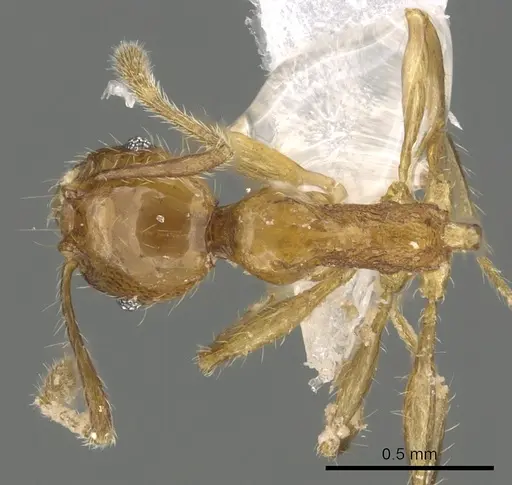
CASENT0901649
View on AntWeb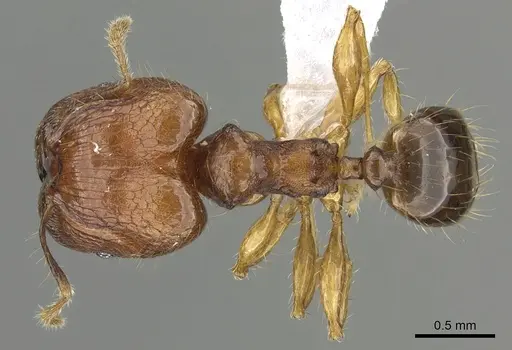
Literature
Loading distribution map...Loading products...