
Pheidole kely
- Sci. Name
- Pheidole kely
- Tribe
- Attini
- Subfamily
- Myrmicinae
- Author
- Salata & Fisher, 2020
- Distribution
- Found in 1 countries
Introduction
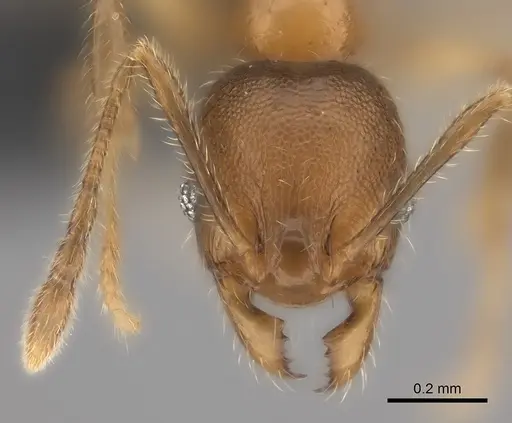
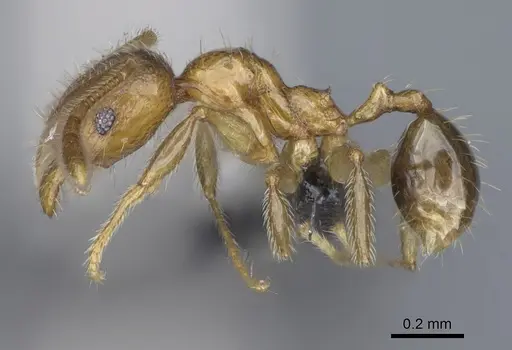
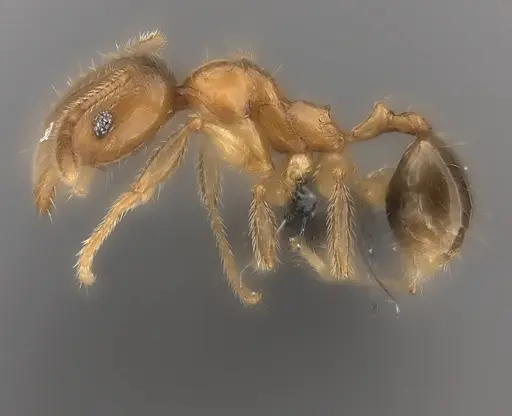
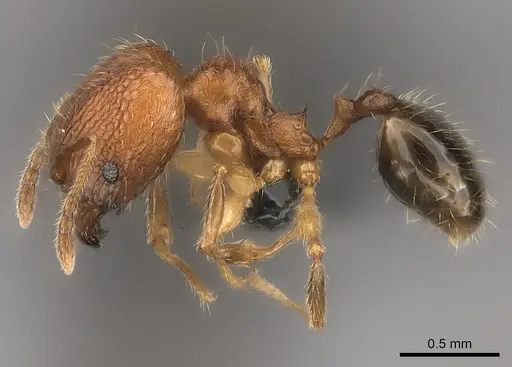
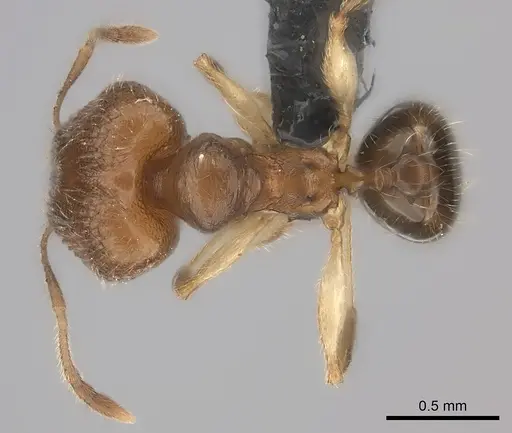
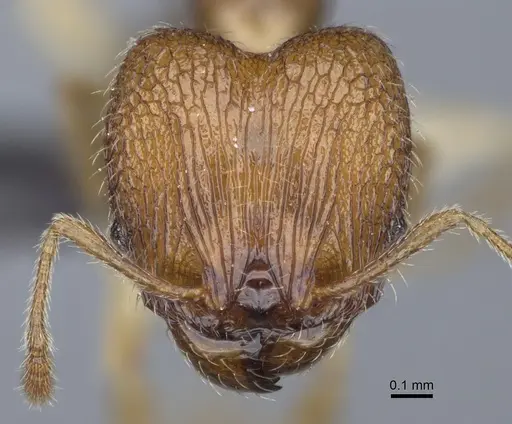
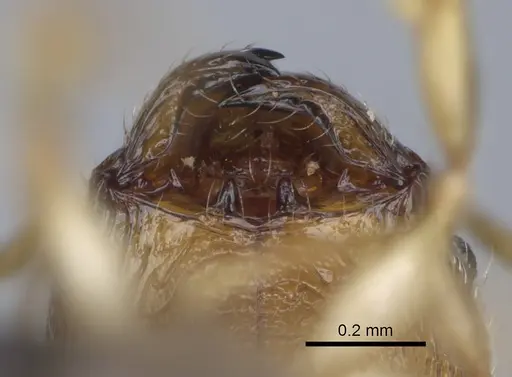
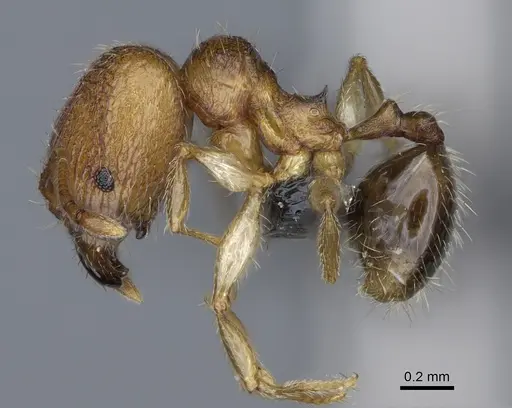
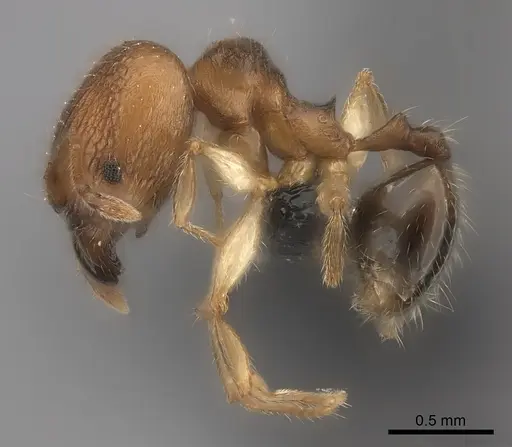
Pheidole kely is a minute ant species from Madagascar, described in 2020. The name means 'small' in Malagasy . It belongs to the Pheidole sikorae species group and has major and minor workers . Major workers have a yellowish-orange body with brown mandibles and gaster, while minors are darker yellow . This species is found in eastern Madagascar, in rainforest and Uapaca woodland at elevations of 325-990 meters, nesting in rotten logs, under rootmats, and under stones .
Quick Summary
- Difficulty: Medium
- Origin & Habitat: Eastern Madagascar, in rainforest and Uapaca woodland at 325-990m elevation [1].
- Colony Type: Unconfirmed, no specific data on colony structure for this species.
- Size & Growth:
- Queen: Size data unavailable, no total length measurements provided in research.
- Worker: Size data unavailable, no total length measurements provided in research.
- Colony: Unknown, no colony size data available for this species.
- Growth: Moderate, inferred from typical Pheidole patterns.
- Development: Unknown, no specific data available for this species. (Development time is not documented, observe colony progress under stable conditions.)
- Antkeeping:
- Temperature: Keep warm, roughly 24-28°C, based on tropical rainforest habitat [1].
- Humidity: Keep nest substrate consistently moist but not waterlogged, as they nest in damp areas [1].
- Diapause: No, tropical species from Madagascar do not require hibernation.
- Nesting: In nature, they nest in rotten logs, under rootmats, and under stones [1]. In captivity, use Y-tong (AAC), plaster, or soil nests that hold humidity.
- Behavior: Pheidole species are generally docile. They have a sting but it is not medically significant. Their tiny size makes them prone to escapes, so fine mesh barriers are essential.
- Common Issues: escape prevention is critical due to their minute size., drying out is a risk because of their small body mass., overfeeding can cause mold in small nests., founding colonies may take time to establish., wild-caught colonies may carry parasites.
Housing and Nest Setup
Pheidole kely requires careful attention to humidity due to their tiny size. Use a Y-tong (AAC) nest or plaster formicarium that holds moisture consistently [1]. Nest chambers should be scaled appropriately for their minute size. Provide a water reservoir or damp substrate to maintain humidity without waterlogging [1]. Outworld space can be small, with fine mesh barriers to prevent escapes [2].
Feeding and Diet
Pheidole kely is omnivorous. Offer small protein sources like fruit flies or pinhead crickets 2-3 times per week, and keep sugar sources like honey water available [2]. Prey items must be appropriately sized for their minute workers. Remove uneaten food promptly to prevent mold.
Temperature and Seasonal Care
Maintain temperatures around 24-28°C year-round, as they are from tropical Madagascar [1]. Use a heating cable on one side of the nest to create a gradient for self-regulation. No diapause is required.
Colony Establishment and Growth
Founding behavior is unconfirmed for this species. Colonies may take time to establish, and growth is moderate [2]. First workers may appear within weeks, but no specific timeline is documented.
Escape Prevention
Their minute size requires fine mesh (0.5mm or smaller) on all ventilation and connections. Apply fluon barriers to outworld rims and check for gaps [2].
Frequently Asked Questions
How long does it take for Pheidole kely to produce first workers?
No specific data is available for this species. Founding colonies may take several months, so patience is needed [2].
What do Pheidole kely ants eat?
They are omnivorous. Offer small protein sources like fruit flies and sugar sources like honey water [2].
What temperature do Pheidole kely ants need?
Keep them at roughly 24-28°C, based on their tropical rainforest habitat [1].
Are Pheidole kely good for beginners?
They are intermediate due to escape risks and humidity needs. Beginners should ensure fine mesh barriers and stable conditions [2].
How big do Pheidole kely colonies get?
Colony size is unknown for this species, as no data is available [1].
Do Pheidole kely need hibernation?
No, as tropical ants from Madagascar, they do not require hibernation [1].
When should I move Pheidole kely to a formicarium?
Wait until the colony is actively foraging and has outgrown its test tube setup. No specific worker count is documented [2].
Why are my Pheidole kely escaping?
Their minute size allows them to squeeze through tiny gaps. Use fine mesh and barriers to prevent escapes [2].
Can I keep multiple Pheidole kely queens together?
Pheidole is typically single-queen, but this is unconfirmed for this species. Combining queens is not recommended [2].
Report an Issue
The current care sheet is based fully on literature. See inconsistencies, or something that's incorrect? Please , it will be resolved after review from an admin. Contributing to the blogs tab also helps providing information, to make us be able to further improve the caresheets. Thank you for your support!
References

This caresheet is licensed under CC BY-SA 4.0 .
Community Blogs
CASENT0149838
View on AntWeb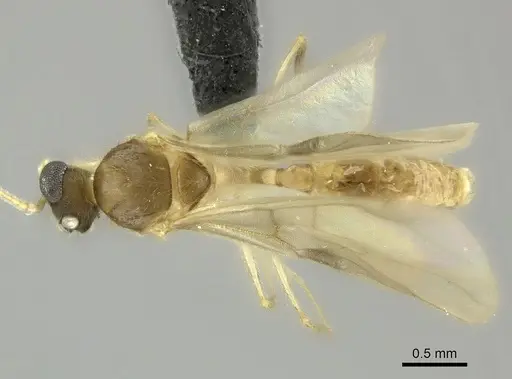
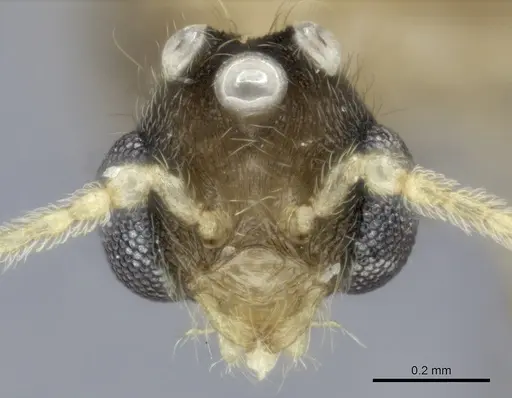
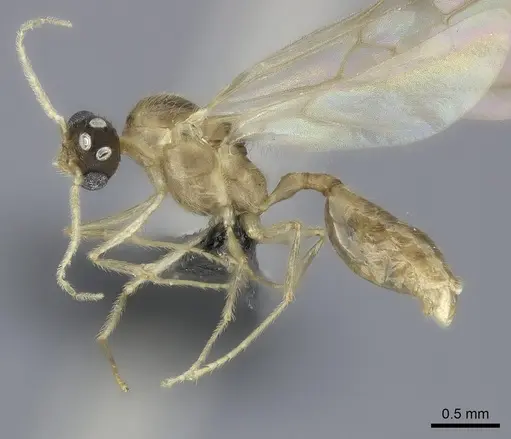
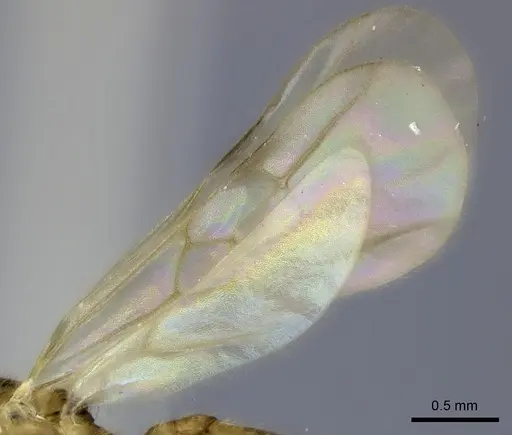
CASENT0149839
View on AntWeb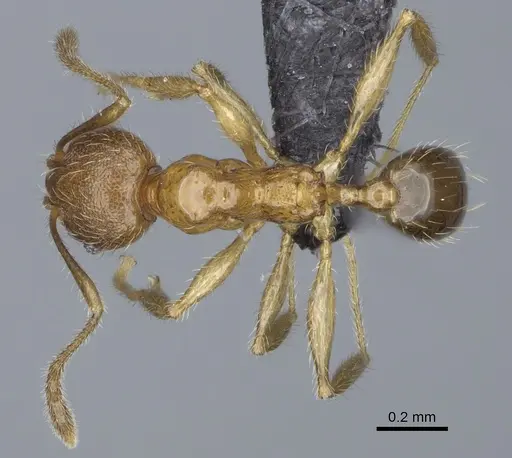
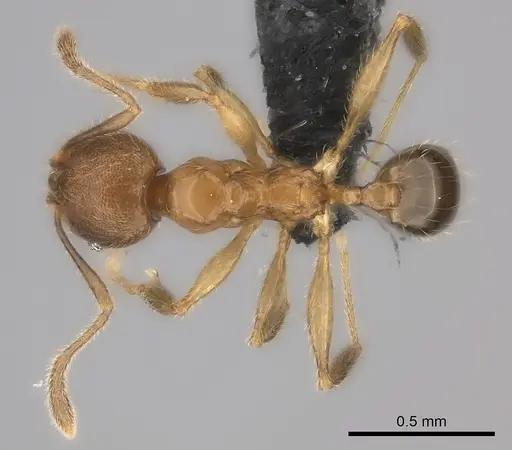
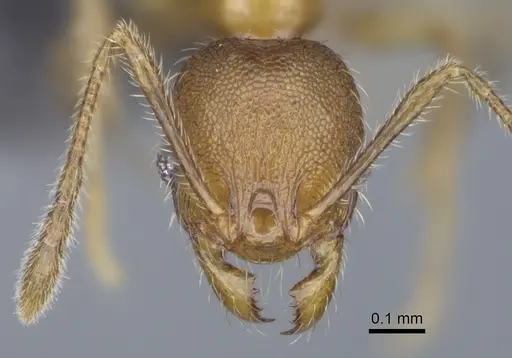
CASENT0151596
View on AntWeb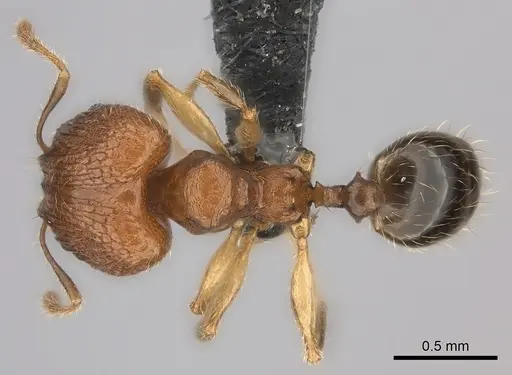
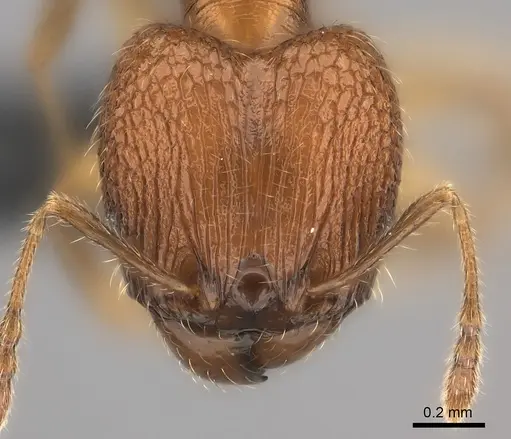
CASENT0235022
View on AntWeb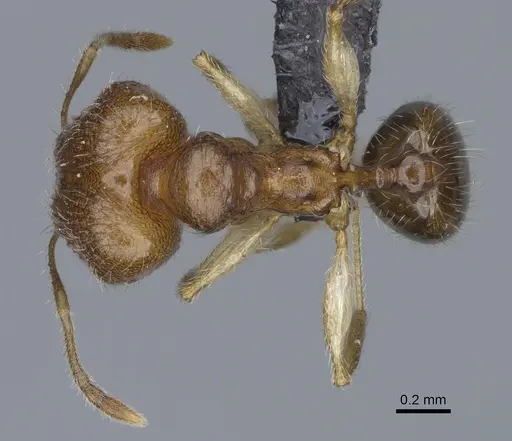
Literature
Loading distribution map...Loading products...