
Pheidole katonae
- Sci. Name
- Pheidole katonae
- Tribe
- Attini
- Subfamily
- Myrmicinae
- Author
- Forel, 1907
- Distribution
- Found in 1 countries
Introduction
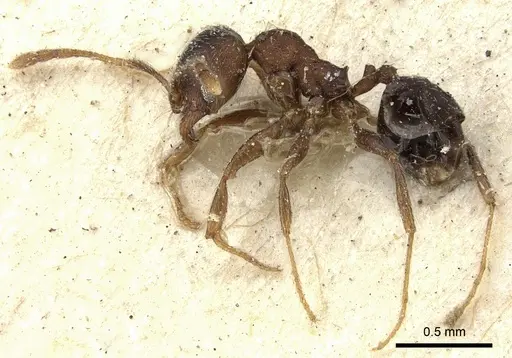
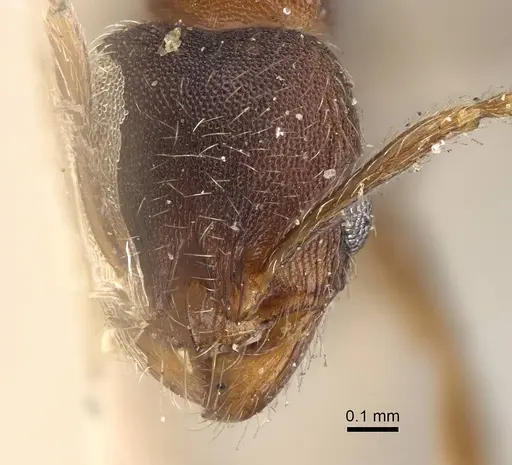
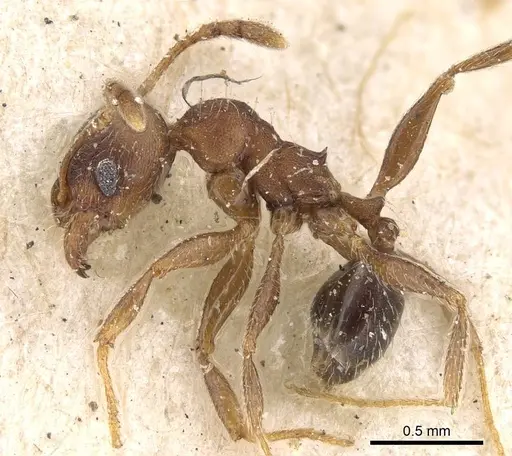
Pheidole katonae is a small to medium-sized ant in the big-headed ant genus Pheidole. It was originally described as a subspecies of Pheidole sculpturata in 1907 and raised to full species status in 1996 . This species is part of the excellens group and is found in Tanzania, Benin, Saudi Arabia, and Oman . Major workers have a head shape similar to Pheidole sculpturata but with reduced sculpture and less abundant pubescence . The species has a disjunct distribution across Africa and the Arabian Peninsula, but detailed biology or care requirements are not well-studied in scientific literature.
Quick Summary
- Difficulty: Easy to Medium, based on Pheidole genus patterns
- Origin & Habitat: Afrotropical and Palaearctic regions: Tanzania, Benin, Saudi Arabia, and Oman [2][1]. Natural habitat details are unconfirmed, but related Pheidole species typically nest in soil, under stones, or in rotting wood.
- Colony Type: Colony structure is unconfirmed. No specific data on queen number or social structure.
- Size & Growth:
- Queen: Size data unavailable, no total length measurements found for this species
- Worker: Size data unavailable, no total length measurements found for this species
- Colony: Size data unavailable, no colony size data found
- Growth: Moderate, inferred from Pheidole genus patterns
- Development: 6-10 weeks estimated based on related Pheidole species at optimal temperature (Development time may vary with temperature, no species-specific data exists.)
- Antkeeping:
- Temperature: Keep warm, around 22-28°C, based on tropical origin [1]. Start at mid-70s°F (about 24°C) and observe colony activity.
- Humidity: Keep substrate consistently moist but not waterlogged, based on tropical origin [1]. Allow some drying between waterings.
- Diapause: No diapause required, inferred from tropical origin [1]. Activity may slow during cooler periods.
- Nesting: Start with a test tube setup for founding queens. Transition to Y-tong or plaster nests as the colony grows, based on related Pheidole species [1].
- Behavior: Pheidole species are generally non-aggressive. They have stingers but are not known for painful stings toward keepers. Major workers use enlarged heads for defense. Escape risk is moderate due to small minor workers, use standard barrier methods.
- Common Issues: small minor workers can escape through gaps, use fine barriers, humidity control is important to prevent brood desiccation, colony growth may be slow due to limited species-specific data
Species Identification and Taxonomy
Pheidole katonae was described by Forel in 1907 as a subspecies of Pheidole sculpturata from Tanzania and raised to species status by Collingwood and Agosti in 1996 [1]. It belongs to the excellens group within Pheidole. Identification features include major workers with a head shape similar to P. sculpturata but with reduced sculpture and less abundant pubescence [1]. Some researchers suggest P. bequaerti may be a synonym based on minor worker eye morphology, but this is not widely adopted [1].
Distribution and Range
Pheidole katonae is found in Tanzania (type locality), Benin, Saudi Arabia, and Oman [2][1]. This disjunct distribution spans Afrotropical and Palaearctic regions, suggesting adaptation to diverse habitats.
Housing and Nesting
Start with a test tube setup for founding queens: fill one-third with water plugged with cotton for humidity [1]. Once the colony has 20-30 workers, move to a Y-tong or plaster nest. Provide snug chambers to maintain humidity and brood temperature, as Pheidole species prefer confined spaces [1].
Feeding and Diet
Pheidole species are omnivorous. Offer protein sources like fruit flies or pinhead crickets and carbohydrates like sugar water or honey [1]. Feed small prey 2-3 times per week and remove uneaten food within 24 hours to prevent mold.
Temperature and Seasonal Care
Maintain temperatures around 22-28°C based on the species' tropical origin [1]. Room temperature (20-24°C) is usually suitable. Observe colony behavior to adjust heat. No diapause is required, but activity may decrease in cooler months.
Colony Development
Development timeline is unknown for this species. Based on related Pheidole species, eggs hatch in 1-2 weeks, larvae develop over 2-4 weeks, and pupae emerge as workers 2-3 weeks later. First workers may appear 6-10 weeks after founding at optimal temperature [1].
Frequently Asked Questions
How long does it take for Pheidole katonae to produce first workers?
First workers may appear around 6-10 weeks after queen founding at optimal warm temperatures, based on related Pheidole species [1].
What do Pheidole katonae ants eat?
They likely accept small insects, seeds, and sugar sources like other Pheidole species [1]. Offer a varied diet of protein and carbohydrates.
Is Pheidole katonae good for beginners?
Based on Pheidole genus patterns, it is likely beginner-friendly, but limited species-specific data exists. Start with careful attention to temperature and humidity [1].
How big do Pheidole katonae colonies get?
Colony size data is unavailable for this species. Related Pheidole colonies can reach several hundred to a few thousand workers over years [1].
What temperature is best for Pheidole katonae?
Keep temperatures around 22-28°C based on tropical origin [1]. Room temperature is usually suitable.
Does Pheidole katonae need hibernation or diapause?
No diapause is required, inferred from tropical origin [1]. Activity may slow during cooler periods.
Can I keep multiple Pheidole katonae queens together?
Colony structure is unconfirmed. Without specific data, it is not recommended to combine unrelated foundress queens.
When should I move Pheidole katonae from a test tube to a formicarium?
Transfer when the colony reaches 20-30 workers and the test tube is crowded. Use a snug nest to maintain humidity [1].
Where is Pheidole katonae found in the wild?
This species is documented in Tanzania, Benin, Saudi Arabia, and Oman [2][1].
Report an Issue
The current care sheet is based fully on literature. See inconsistencies, or something that's incorrect? Please , it will be resolved after review from an admin. Contributing to the blogs tab also helps providing information, to make us be able to further improve the caresheets. Thank you for your support!
References

This caresheet is licensed under CC BY-SA 4.0 .
Community Blogs
CASENT0249072
View on AntWeb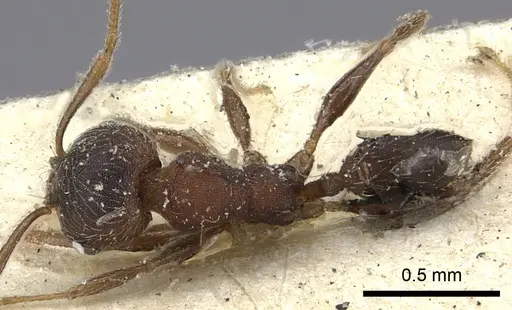
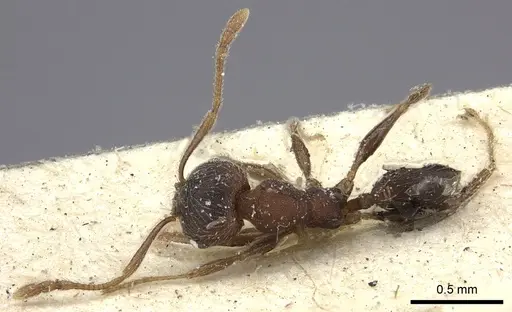
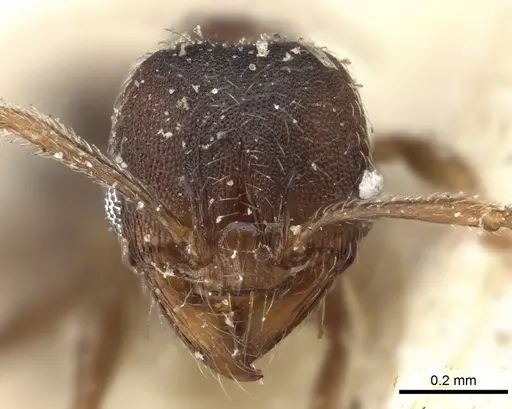
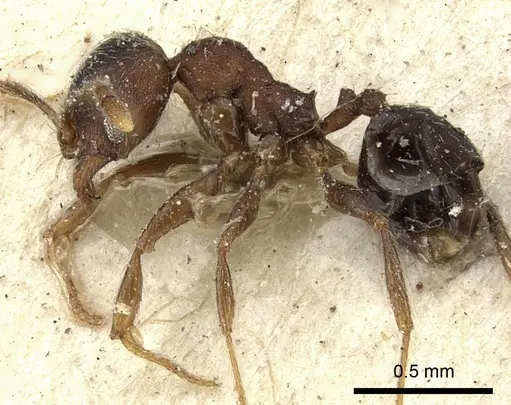
CASENT0922221
View on AntWeb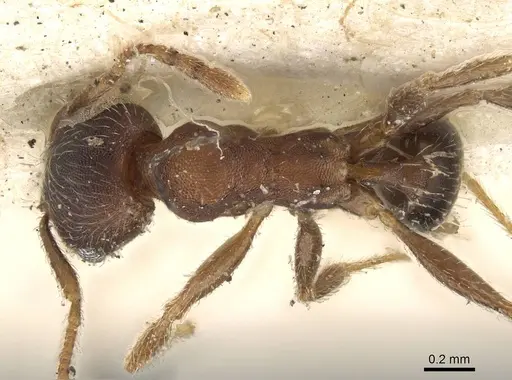
Literature
Loading distribution map...Loading products...