
Pheidole juniperae
- Sci. Name
- Pheidole juniperae
- Tribe
- Attini
- Subfamily
- Myrmicinae
- Author
- Wilson, 2003
- Distribution
- Found in 1 countries
Introduction
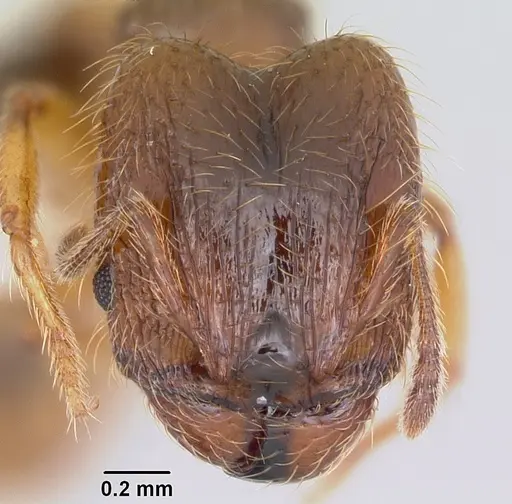
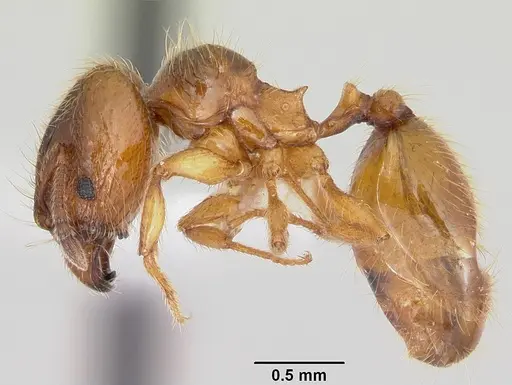
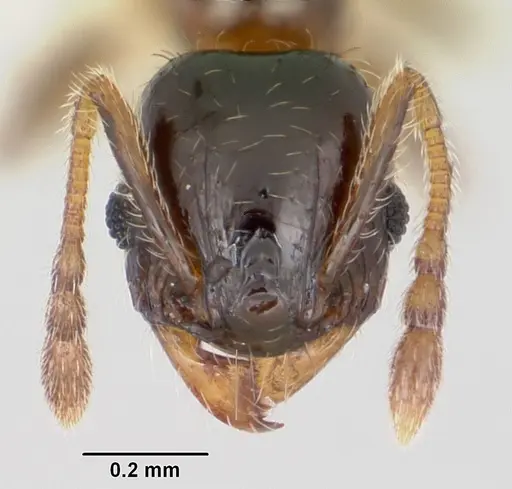
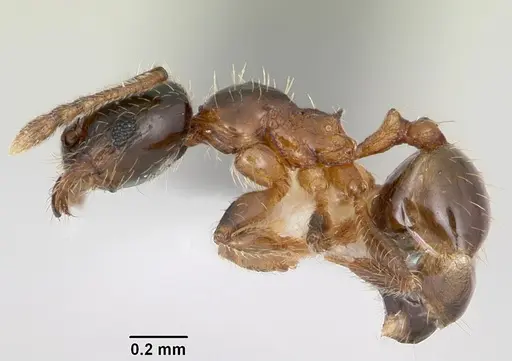
Pheidole juniperae is a species in the hyperdiverse ant genus Pheidole, as noted in phylogenetic studies . It has two worker castes: minors and majors with larger heads. Specific size data for this species is unavailable, but Pheidole workers are typically small. The species name suggests an association with juniper habitats, but detailed range and habitat information is not available from research literature. A key characteristic of Pheidole ants is their dimorphic workers, where majors have enlarged heads for tasks like seed-cracking and defense.
Quick Summary
- Difficulty: Easy
- Origin & Habitat: Unknown, no specific geographic or habitat data available for Pheidole juniperae from research literature [1].
- Colony Type: Unconfirmed, no specific data on queen number or social structure.
- Size & Growth:
- Queen: size data unavailable
- Worker: size data unavailable
- Colony: unknown, no data on maximum colony size
- Growth: Moderate, inferred from Pheidole genus patterns
- Development: Unknown, no species-specific data available (Development time likely depends on temperature, but no estimates available.)
- Antkeeping:
- Temperature: Keep at room temperature, roughly 20-24°C, as typical for ant keeping. No specific data for this species.
- Humidity: Maintain moderate humidity, keep nest substrate consistently moist but not waterlogged. No specific data available.
- Diapause: Unknown, no data on diapause requirements for this species.
- Nesting: Based on Pheidole genus patterns, they likely prefer snug chambers in test tubes, Y-tong, or plaster nests. Provide a dry nest area with access to a humid outworld.
- Behavior: Based on Pheidole genus patterns, they are generally peaceful and non-aggressive. They possess a sting based on subfamily Myrmicinae, but aggression level is unknown. Escape risk is moderate due to small size, ensure secure lids. Majors may handle seeds and larger items.
- Common Issues: overfeeding can lead to mold, offer food sparingly and remove uneaten items., test tube setups can dry out, monitor moisture levels., slow growth during founding is normal, avoid disturbance., wild-caught colonies may have parasites, quarantine new colonies.
Housing and Nest Setup
Pheidole juniperae adapts well to various captive setups based on genus patterns. Test tube setups work for founding colonies, use a water reservoir tube connected to a foraging area. For established colonies, Y-tong or plaster nests are ideal. They prefer snug chambers over open spaces. Provide a dry nest area with moderate humidity, connected to an outworld for foraging. Ensure the outworld has a secure lid due to small size allowing escape through gaps.
Feeding and Diet
As typical for Pheidole, this species is likely granivorous, they may collect and crack seeds. Offer a variety of seeds like grass seeds or millet. They also need protein from small insects like fruit flies or pinhead crickets. Offer protein 2-3 times per week. Sugar sources like honey water are accepted. Remove uneaten food after 24-48 hours to prevent mold.
Temperature and Seasonal Care
Room temperature (20-24°C) suits this species based on typical ant care. They can tolerate a range, but growth is optimal in the mid-20s. A heat gradient can be provided. During winter, diapause requirements are unknown, but for temperate species, a cool period may be beneficial. Reduce feeding during cool periods and avoid disturbance.
Behavior and Colony Dynamics
Pheidole juniperae displays typical Pheidole colony structure with major and minor workers. Majors have enlarged heads for seed-cracking and defense, while minors handle foraging and brood care. Colonies are peaceful and rarely aggressive toward keepers. They are diurnal foragers. The colony will grow steadily over several years, but specific population data is unavailable.
Frequently Asked Questions
Can I keep Pheidole juniperae in a test tube?
Yes, test tubes work for founding colonies based on genus patterns. Use a standard test tube setup with a water reservoir. Keep the tube horizontal in a dark area and avoid vibrations during founding. Once the colony reaches a crowded state, consider moving to a larger setup.
How long until first workers appear?
No species-specific data is available. Development time likely depends on temperature, but estimates are unknown.
What do Pheidole juniperae eat?
They are likely granivorous primarily, offer various seeds. They also need protein from small insects. Occasional sugar water is accepted.
Are Pheidole juniperae good for beginners?
Yes, they are considered easy to keep based on genus patterns. They are forgiving of minor fluctuations and peaceful to handle.
When should I move my colony to a formicarium?
Move to a larger setup when the test tube becomes crowded or the water reservoir runs low frequently. A Y-tong or plaster nest works well based on genus patterns.
Do Pheidole juniperae need hibernation?
Diapause requirements are unknown for this species. For temperate species, a cool period may be beneficial, but no data is available.
How big do Pheidole juniperae colonies get?
Colony size data is unavailable. Based on genus patterns, colonies can grow large over several years, but specific numbers are unknown.
Why are my Pheidole juniperae dying?
Common causes include overfeeding leading to mold, test tube drying out, disturbing the queen during founding, or improper moisture levels. Ensure proper care based on genus patterns.
Can I keep multiple queens together?
Pheidole species are typically monogyne, but no data is available for this species. Combining unrelated queens is not recommended without evidence.
What temperature is ideal for Pheidole juniperae?
Aim for 20-24°C based on typical ant care. No species-specific data is available.
How often should I feed Pheidole juniperae?
Offer seeds constantly, they may store them in the nest. Protein should be offered 2-3 times per week. Remove uneaten prey after 24-48 hours.
Report an Issue
The current care sheet is based fully on literature. See inconsistencies, or something that's incorrect? Please , it will be resolved after review from an admin. Contributing to the blogs tab also helps providing information, to make us be able to further improve the caresheets. Thank you for your support!
References

This caresheet is licensed under CC BY-SA 4.0 .
Community Blogs
CASENT0104741
View on AntWeb
CASENT0104745
View on AntWeb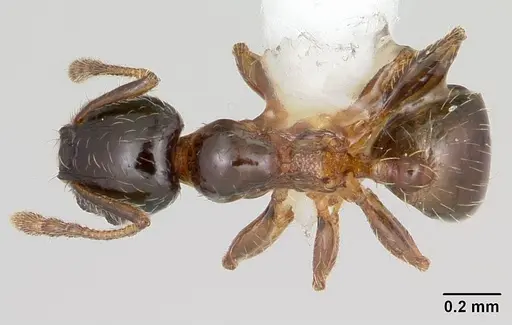
Literature
Loading distribution map...Loading products...