
Pheidole jucunda
- Sci. Name
- Pheidole jucunda
- Tribe
- Attini
- Subfamily
- Myrmicinae
- Author
- Forel, 1885
- Distribution
- Found in 1 countries
Introduction
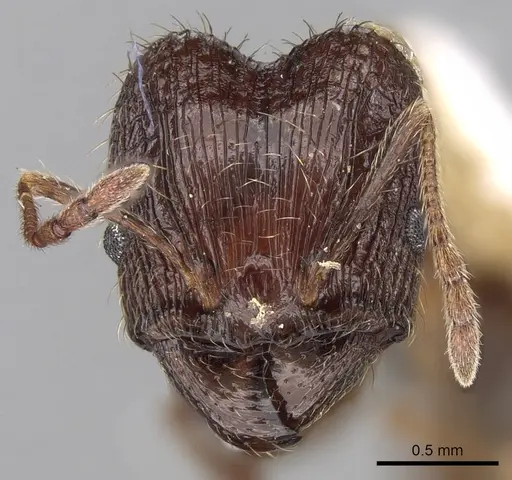
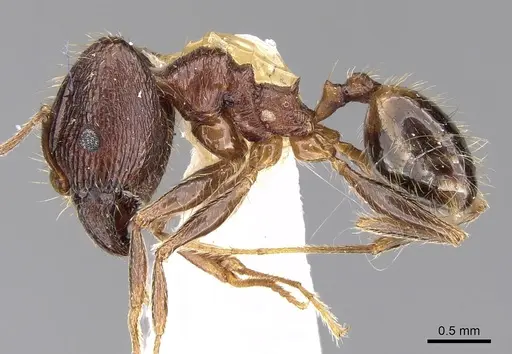
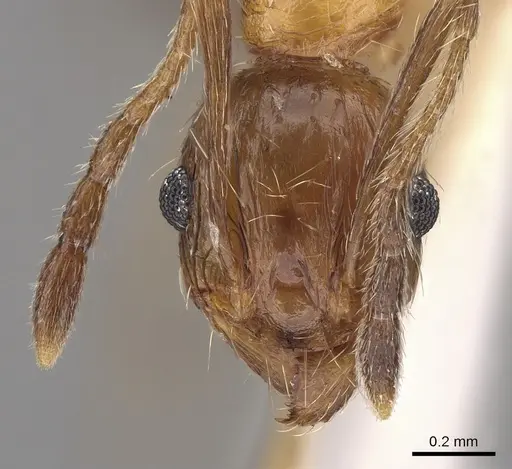
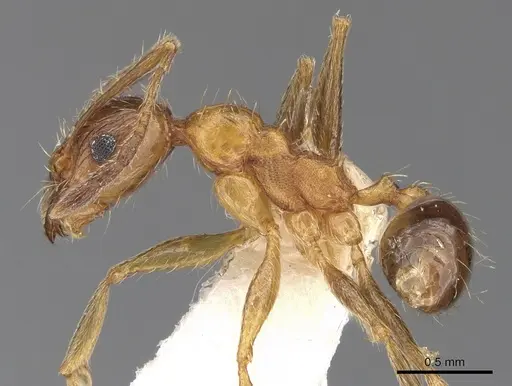
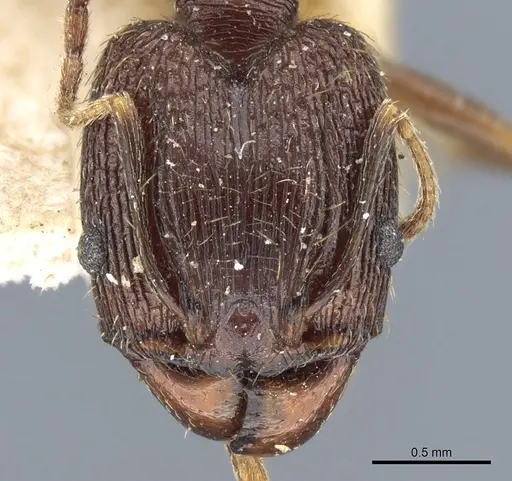
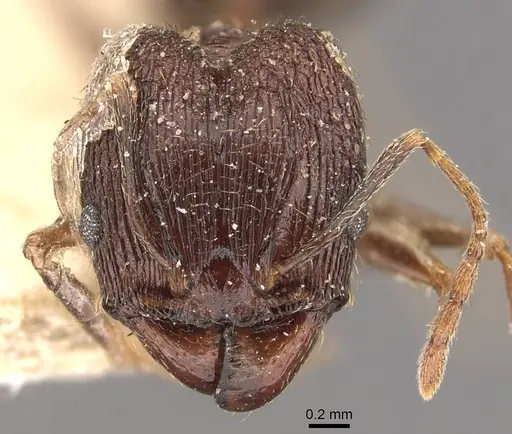
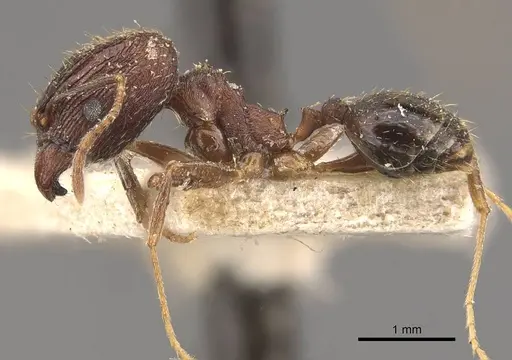
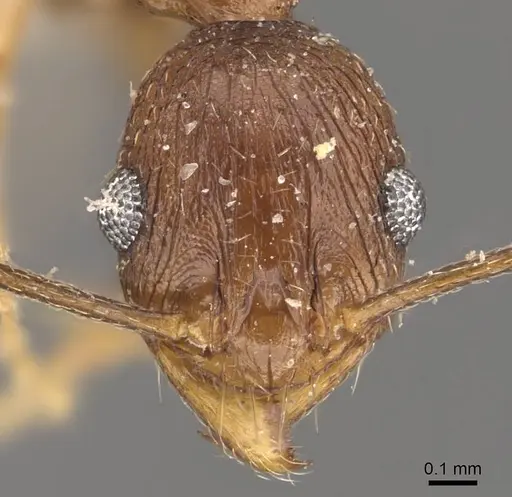
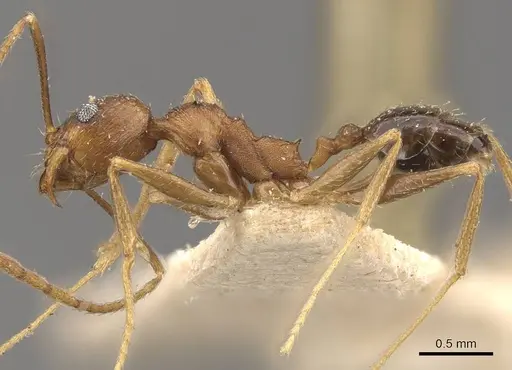
Pheidole jucunda is a small ant species in the genus Pheidole, described by Forel in 1885. It is native to South and Southeast Asia, with records from India, Nepal, Sri Lanka, Bhutan, and southern China . Workers are small, and soldiers have large heads with powerful mandibles . This species is a habitat specialist found in primary forests at elevations from 250 to 2200 meters . One notable feature is the division into minor workers and major soldiers, with majors processing seeds and defending the colony .
Quick Summary
- Difficulty: Easy
- Origin & Habitat: Native to South and Southeast Asia, found in primary forests at 250-2200m elevation [5][6][1].
- Colony Type: Likely monogyne (single-queen colonies) based on typical Pheidole genus patterns [4].
- Size & Growth:
- Queen: ~6-7 mm (inferred from Pheidole genus patterns)
- Worker: ~3-4 mm for minor workers, ~4-5 mm for soldiers (inferred from Pheidole genus patterns)
- Colony: Up to several hundred workers (inferred from typical Pheidole colonies)
- Growth: Moderate
- Development: Estimated 6-8 weeks at optimal temperatures (inferred from genus patterns) (Development time may vary with temperature and nutrition)
- Antkeeping:
- Temperature: Keep at 22-26°C. Based on its distribution from tropical to montane regions [5].
- Humidity: Keep nest substrate moist but not waterlogged, with a humidity gradient. This species comes from humid primary forests [6].
- Diapause: Yes, a winter rest period of 2-3 months at 10-15°C is beneficial based on elevational range [5].
- Nesting: Y-tong or plaster nests work well. In the wild, they nest in soil and rotting wood [4].
- Behavior: Pheidole jucunda is peaceful and not aggressive toward keepers. Workers are active foragers, and soldiers defend the colony. Escape risk is moderate due to small size [4].
- Common Issues: keeping colonies too dry can cause failure, as they come from humid primary forests [6], soldier production requires adequate nutrition, underfed colonies may not develop majors [4], wild-caught colonies may carry parasites that can devastate captive populations, this species may struggle in disturbed or dry environments due to primary forest specialization [6]
Housing and Nest Setup
Pheidole jucunda adapts well to common ant-keeping setups. Y-tong (AAC) nests or plaster nests work well for this species. The nest should have chambers sized for their small body length. Connect the nest to an outworld using tubing. Since they are ground-nesting ants from primary forests, include some soil or substrate in the outworld [6][4]. Ensure the nest is kept dark and quiet to prevent colony stress.
Feeding and Diet
Like other Pheidole species, P. jucunda is an omnivorous seed-harvester. Offer a varied diet including seeds, small insects, and sugar sources. Soldiers have powerful mandibles for cracking seeds, so seeds are important for colony health. Feed protein sources 2-3 times per week and keep sugar water available constantly. Remove uneaten food after 24-48 hours to prevent mold.
Temperature and Seasonal Care
Maintain temperatures between 22-26°C for optimal growth. This species tolerates conditions from cool Himalayan elevations to tropical lowlands [5]. During winter, provide a brief hibernation period of 2-3 months at 10-15°C to mimic natural cycles. Do not overheat, temperatures above 30°C can stress colonies.
Colony Development and Castes
Minor workers (3-4 mm) appear first and handle foraging and nursing duties. Soldiers (4-5 mm) develop later from larvae receiving extra nutrition, serving as defenders and seed-processors [4]. Soldier production increases with colony growth. If soldiers are not developing, increase protein offerings.
Behavior and Observation
This species is rewarding to watch due to clear caste division. Minor workers forage for seeds and insects, while soldiers defend the colony and process food. They are not aggressive toward keepers and rarely escape when properly cared for. Workers communicate through chemical trails and recruit nestmates to food discoveries. [4]
Frequently Asked Questions
How long does it take for Pheidole jucunda to produce first workers?
Expect first workers approximately 6-8 weeks after the queen lays eggs, assuming temperatures around 24-26°C. This is inferred from typical Pheidole development patterns.
Do Pheidole jucunda ants need hibernation?
Yes, a winter rest period is beneficial. Based on their Himalayan distribution, colonies benefit from 2-3 months at reduced temperatures (10-15°C) during winter [5].
What do I feed Pheidole jucunda?
They are omnivorous seed-harvesters. Offer a mix of small seeds, protein from insects, and constant access to sugar water. Seeds are especially important for soldier development.
How big do Pheidole jucunda colonies get?
Colonies likely reach up to several hundred workers, inferred from typical Pheidole genus patterns. Maximum size is not directly documented.
Are Pheidole jucunda ants aggressive?
No, they are generally peaceful. Soldiers will defend the colony if threatened, but they are not aggressive toward keepers. Standard escape prevention is sufficient.
Can I keep multiple Pheidole jucunda queens together?
This species is likely monogyne (single-queen). Combining unrelated queens is not recommended as they will likely fight. Only keep one queen per colony.
What temperature is best for Pheidole jucunda?
Keep them at 22-26°C. This range covers their tolerance from cool Himalayan conditions to tropical warmth [5].
Why isn't my colony producing soldiers?
Soldier production requires extra nutrition. Try increasing protein offerings and ensuring seeds are available. Soldier production typically increases as the colony grows.
When should I move my colony to a formicarium?
Move to a formicarium once the colony reaches 20-30 workers and outgrows their founding setup. Ensure the nest has proper humidity control before transitioning.
Report an Issue
The current care sheet is based fully on literature. See inconsistencies, or something that's incorrect? Please , it will be resolved after review from an admin. Contributing to the blogs tab also helps providing information, to make us be able to further improve the caresheets. Thank you for your support!
References

This caresheet is licensed under CC BY-SA 4.0 .
Community Blogs
CASENT0281672
View on AntWeb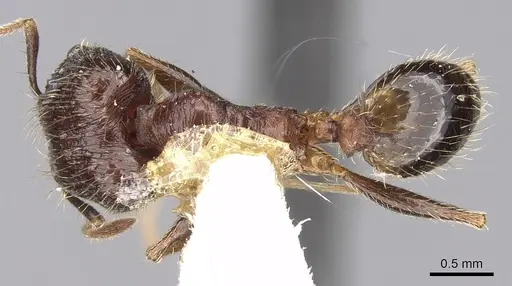
CASENT0281673
View on AntWeb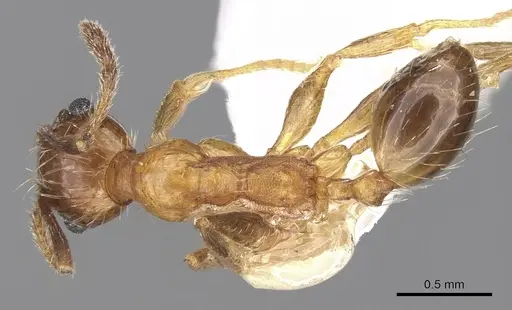
CASENT0904255
View on AntWeb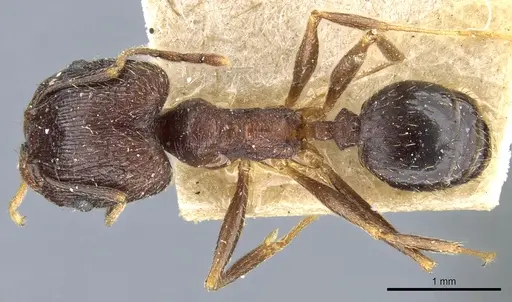
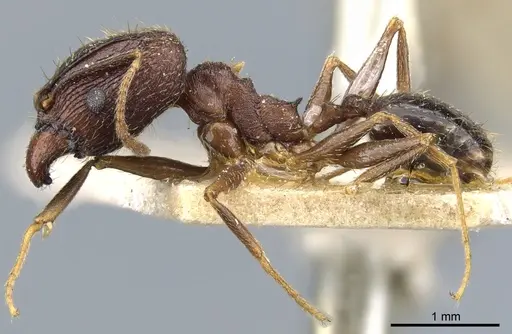
CASENT0904256
View on AntWeb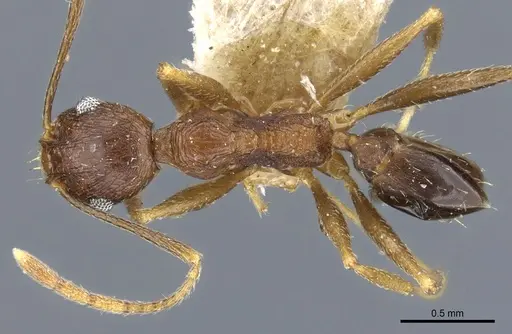
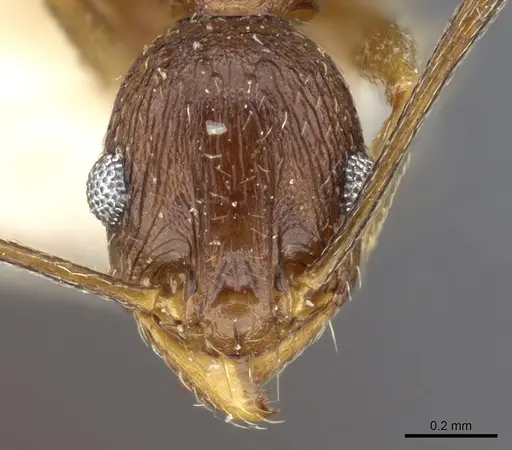
CASENT0907918
View on AntWeb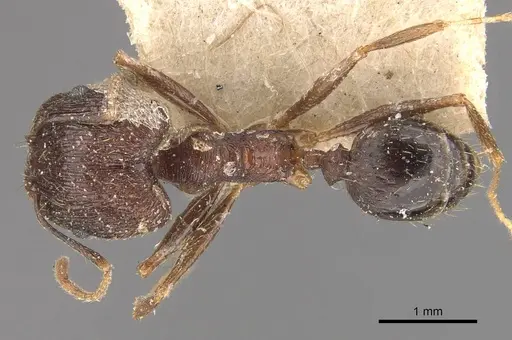
CASENT0907919
View on AntWeb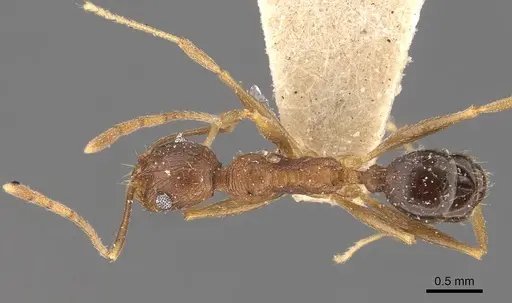
Literature
Loading distribution map...Loading products...