
Pheidole jordanica
- Sci. Name
- Pheidole jordanica
- Tribe
- Attini
- Subfamily
- Myrmicinae
- Author
- Saulcy, 1874
- Distribution
- Found in 2 countries
Introduction
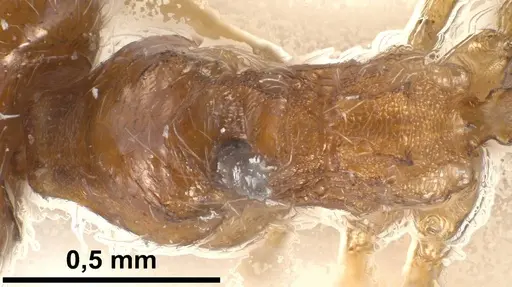
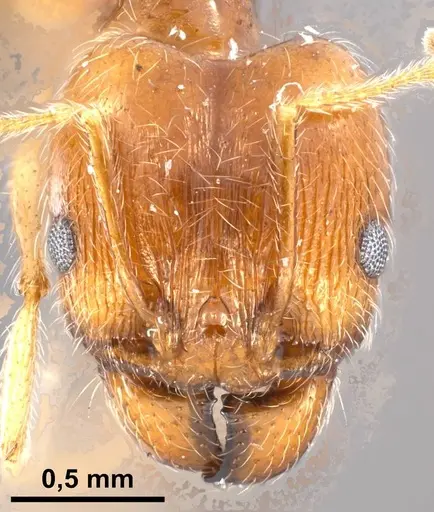
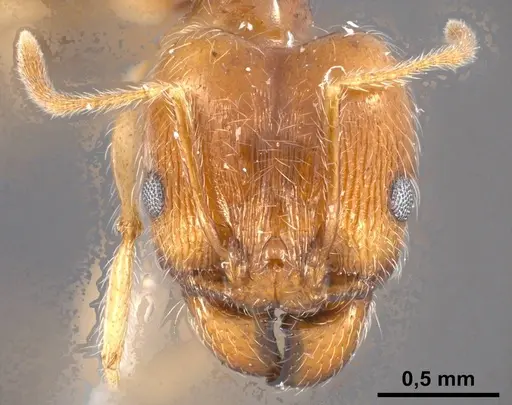
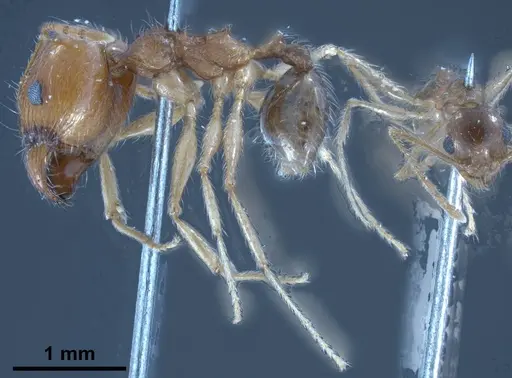
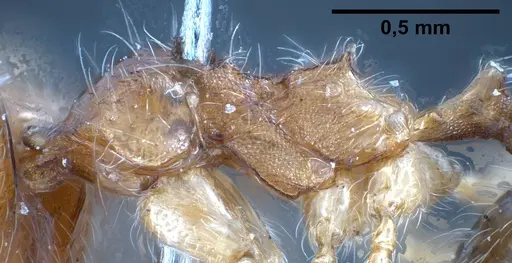
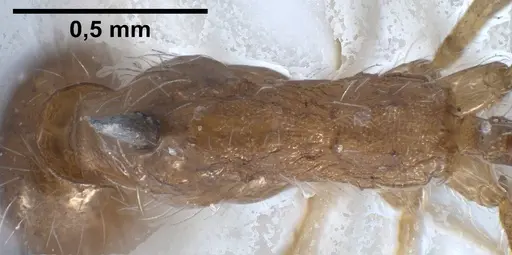
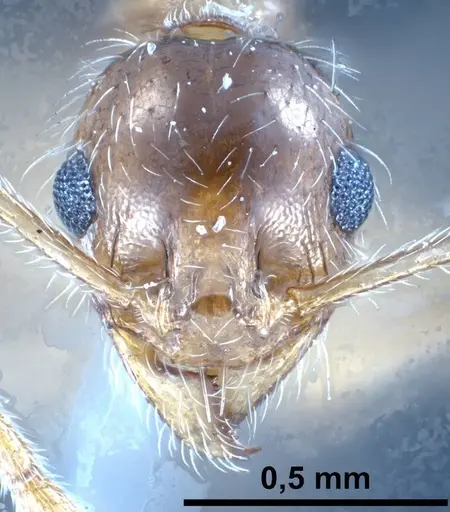
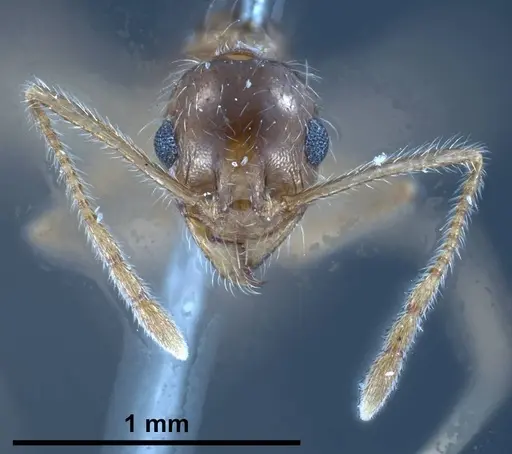
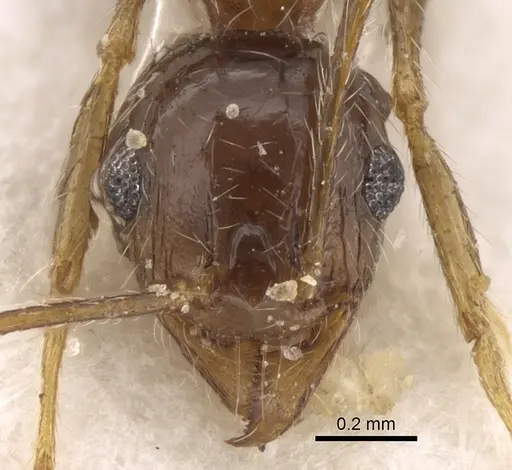
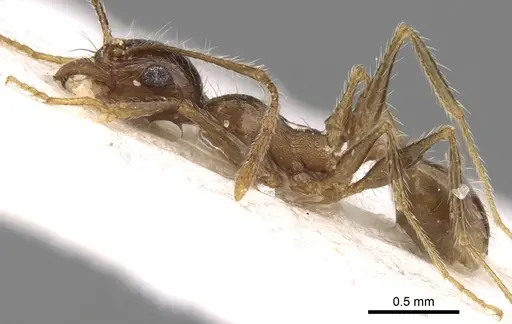
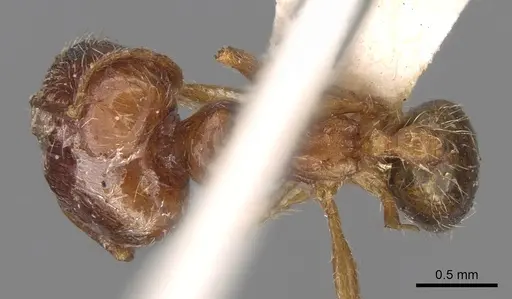
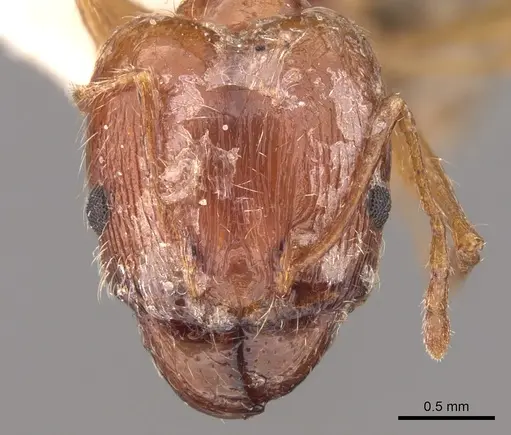
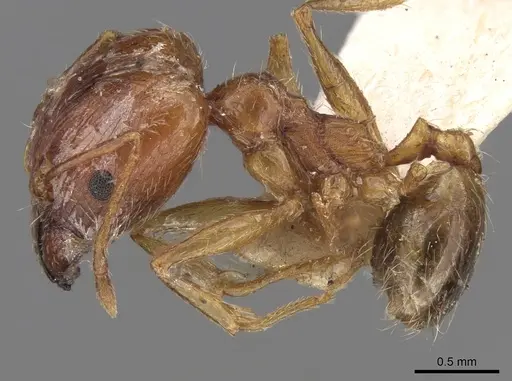
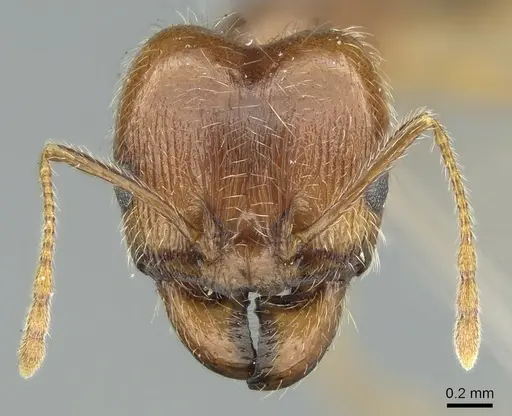
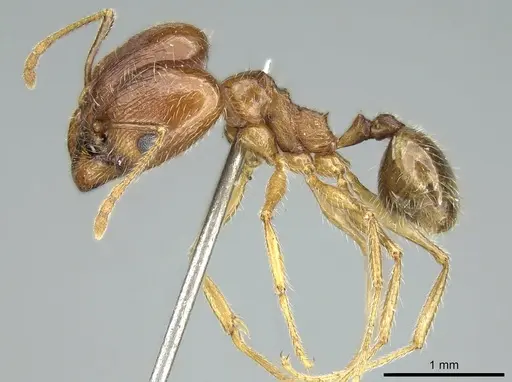
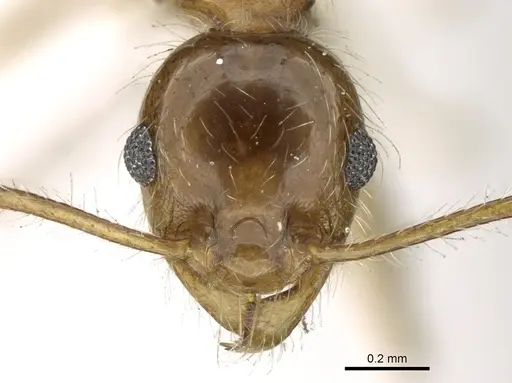
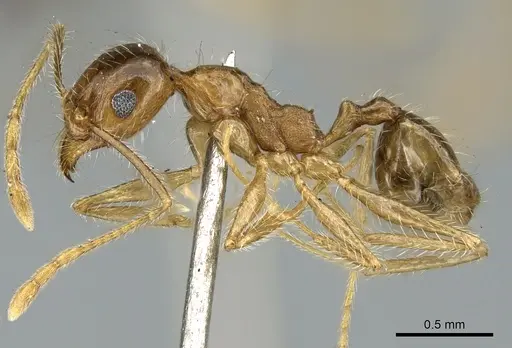
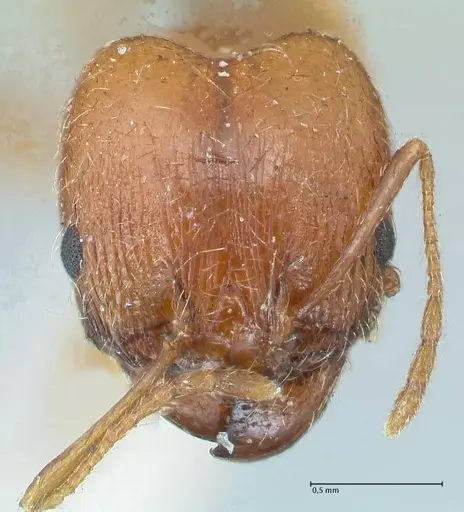
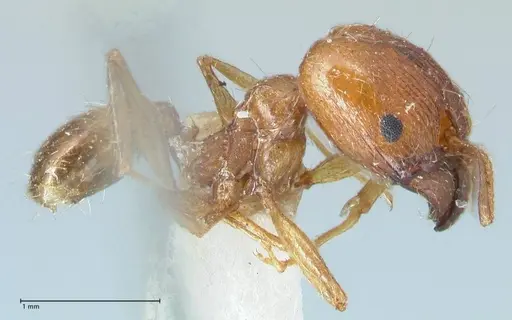
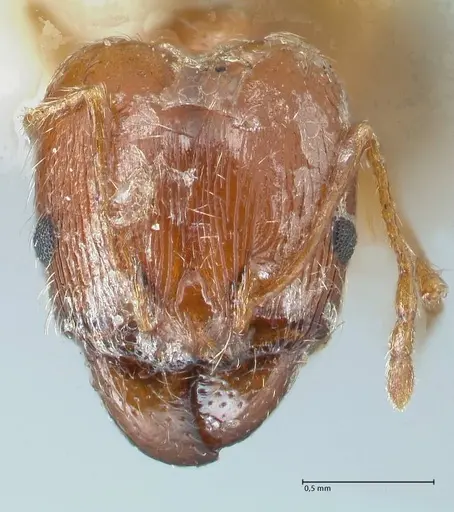
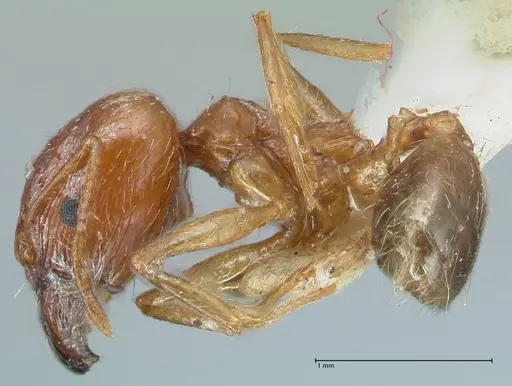
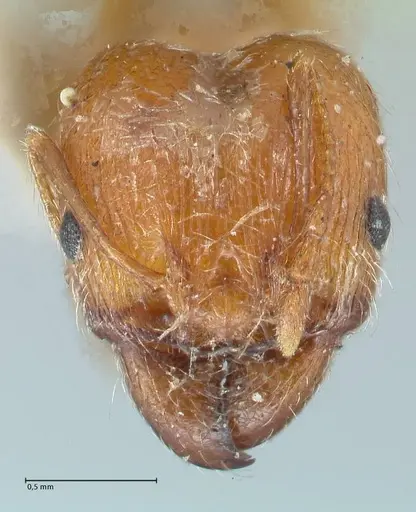
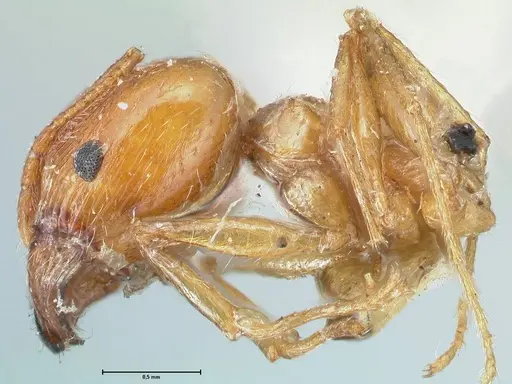
Pheidole jordanica is a species native to the Middle East and northeastern Africa, found in Egypt, Israel, Saudi Arabia, Libya, and parts of north-eastern Africa . It is commonly found in oasis environments and dry riverbeds . Morphologically, it has relatively large eyes compared to related species like Pheidole pallidula, and distinctive antennal club segments . Body size data is unavailable from current research. This species is adaptable to various habitats rather than being restricted to specific microclimates .
Quick Summary
- Difficulty: Easy
- Origin & Habitat: Middle East and northeastern Africa, found in Egypt, Israel, Saudi Arabia, Libya, and parts of north-eastern Africa [1][2]. Inhabits arid to semi-arid regions, commonly in oasis environments and dry riverbeds [3].
- Colony Type: Based on Pheidole genus patterns, likely monogyne (single-queen colonies).
- Size & Growth:
- Queen: Size data unavailable, no total length measurements in current research.
- Worker: Size data unavailable, no total length measurements in current research.
- Colony: Unknown, no colony size data available.
- Growth: Moderate, inferred from genus patterns.
- Development: Unknown, no species-specific data available. (Development time is unclear, start with warm conditions and observe.)
- Antkeeping:
- Temperature: Keep warm, roughly 24-28°C, based on genus patterns and habitat. Provide a temperature gradient.
- Humidity: Provide a humidity gradient, keep nest mostly dry with occasional moist areas, based on arid habitat [3].
- Diapause: No, based on warm climate distribution, no hibernation needed.
- Nesting: Prefer tight chambers typical of Pheidole genus. Use Y-tong, plaster, or soil nests.
- Behavior: Minor workers are active foragers, major workers defend the colony. Use trail pheromones for coordination [6]. Not particularly aggressive, but will defend nest. Escape risk due to small size, ensure adequate barriers.
- Common Issues: keep colony warm to prevent stalling of development, avoid overly humid conditions to prevent mold in the nest, ensure proper escape prevention due to small worker size
Nest Preferences and Housing
Pheidole jordanica does well in standard antkeeping setups. For founding colonies, a test tube setup with a water reservoir works, the queen may seal herself in a chamber. As the colony grows, move them to a Y-tong, plaster, or soil nest. These ants prefer tight, narrow chambers rather than large open spaces. The nest material should be moderately dry, avoid damp conditions. A small outworld for foraging allows feeding without disturbing the nest. Because they use trail pheromones for foraging [6], they establish clear trails to food sources.
Feeding and Diet
Pheidole jordanica is omnivorous. They accept protein sources like mealworms and small insects, and sugar sources like honey water. Minor workers handle small prey, while major workers help process larger items. Feed small prey 2-3 times per week, removing uneaten food after 24 hours. Sugar water should be available constantly. Avoid overfeeding to prevent mold.
Temperature and Seasonal Care
Keep the nest area warm, roughly 24-28°C, based on genus patterns and habitat. Temperatures below 20°C may slow development. A heating cable on one side creates a gradient. No hibernation needed, keep warm year-round.
Behavior and Colony Structure
Pheidole jordanica has minor and major worker castes. Minor workers forage and care for brood, major workers defend and process food. They use trail pheromones from the poison gland for coordination [6]. Colonies are not aggressive but defend the nest. Major workers appear as the colony grows.
Frequently Asked Questions
How long does it take for Pheidole jordanica to produce first workers?
First workers typically appear in 6-10 weeks at optimal temperatures, but this is an estimate based on genus patterns since species-specific data is unavailable.
Can I keep multiple Pheidole jordanica queens together?
This is likely a single-queen species based on genus patterns, so combining queens may result in fighting. Only keep one queen per colony.
What temperature do Pheidole jordanica need?
Keep them warm, roughly 24-28°C, based on habitat and genus patterns. Provide a temperature gradient.
Are Pheidole jordanica good for beginners?
Yes, they are considered easy to keep due to adaptability and straightforward care, though specific data is limited.
When should I move my colony to a formicarium?
Move when the test tube becomes crowded, typically with 30-50 workers, but this is an estimate based on general antkeeping.
Do they need hibernation?
No, based on warm climate distribution, no hibernation is needed.
Why are my major soldiers not appearing?
Major workers typically appear as the colony grows larger, but timing is unclear without species-specific data.
Report an Issue
The current care sheet is based fully on literature. See inconsistencies, or something that's incorrect? Please , it will be resolved after review from an admin. Contributing to the blogs tab also helps providing information, to make us be able to further improve the caresheets. Thank you for your support!
References

This caresheet is licensed under CC BY-SA 4.0 .
Community Blogs
ANTWEB1038027
View on AntWeb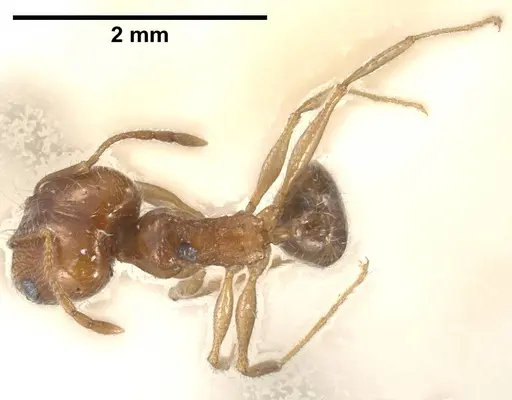
ANTWEB1038028
View on AntWeb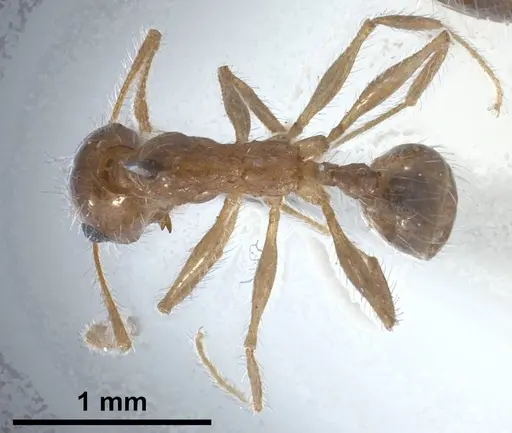
CASENT0281624
View on AntWeb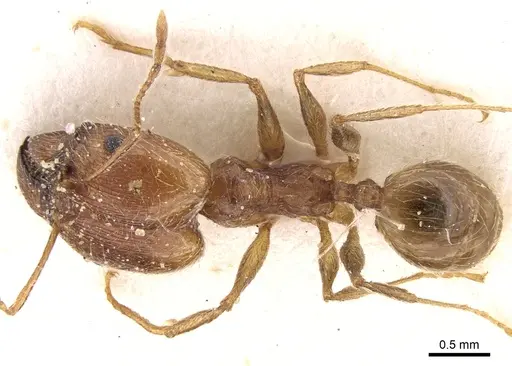
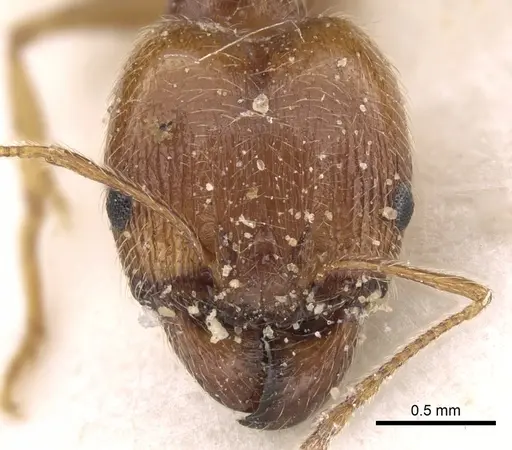
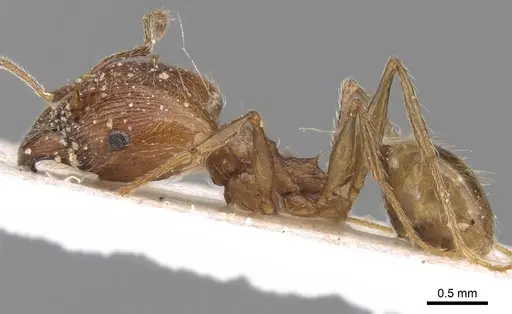
CASENT0281625
View on AntWeb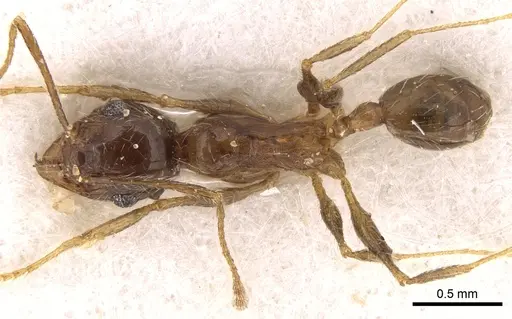
CASENT0906516
View on AntWeb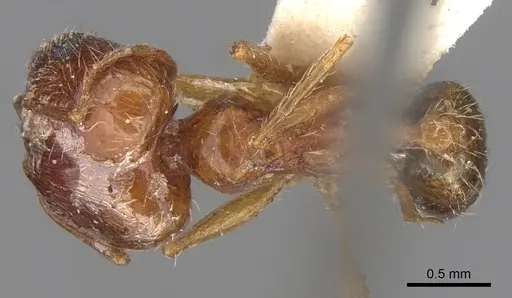
CASENT0906620
View on AntWeb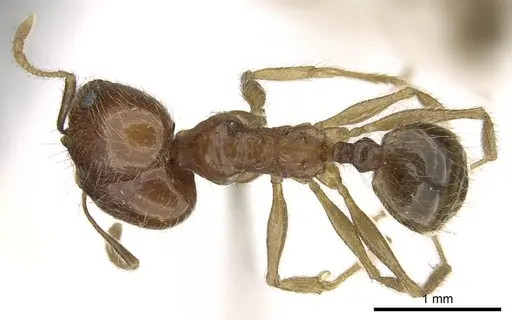
CASENT0906621
View on AntWeb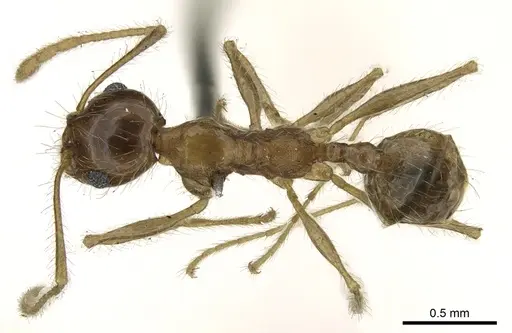
FOCOL1300
View on AntWeb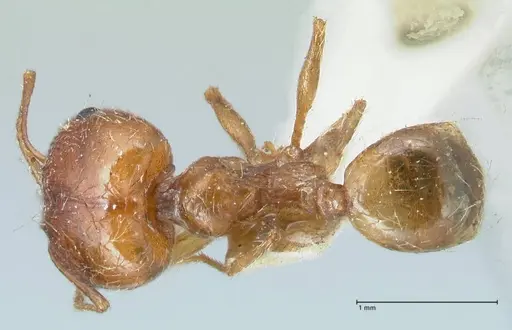
FOCOL1301
View on AntWeb
FOCOL1302
View on AntWeb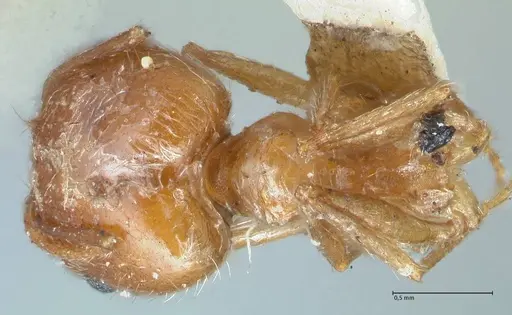
Literature
Loading distribution map...Loading products...