
Pheidole joffreville
- Sci. Name
- Pheidole joffreville
- Tribe
- Attini
- Subfamily
- Myrmicinae
- Author
- Salata & Fisher, 2020
- Distribution
- Found in 1 countries
Introduction
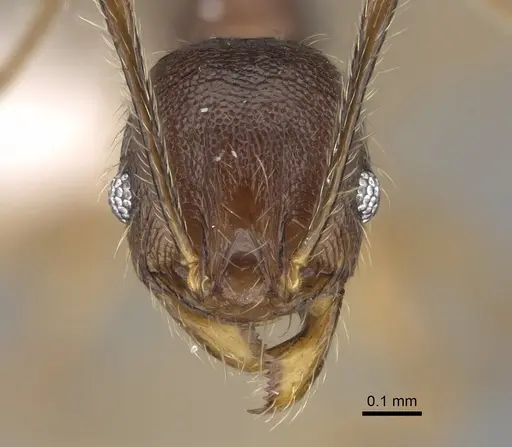
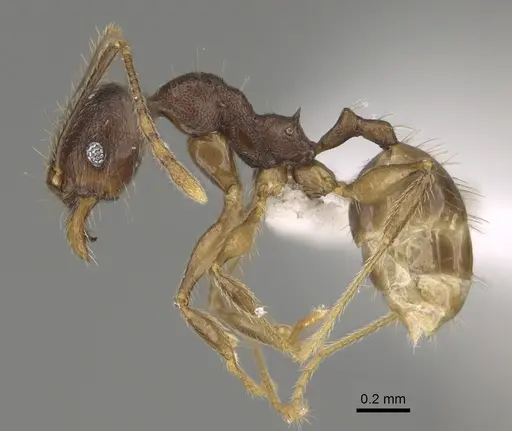
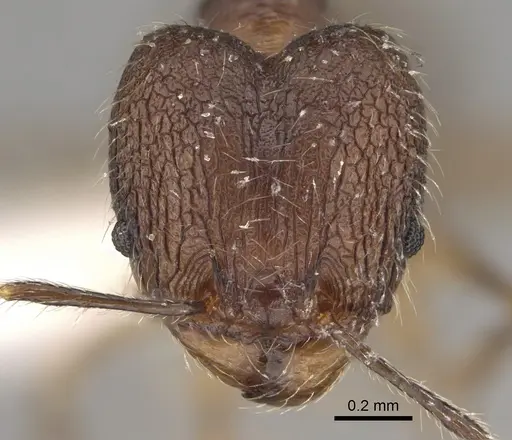
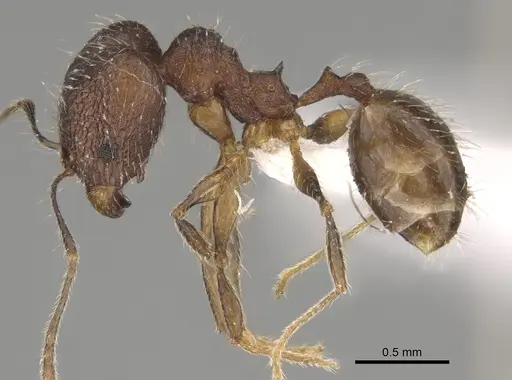
Pheidole joffreville is a recently described ant species from northern Madagascar, part of the Pheidole sikorae species group. It was discovered in Parc National Montagne d'Ambre at 925 meters elevation in montane rainforest . The species gets its name from Joffreville, the type locality near the mountain. Major workers have a brown body with thick, wrinkled sculpture on the head, while minor workers are smaller with a pitted appearance. This is a moderately large species within the genus, with the typical Pheidole feature of major and minor worker castes. The species nests in rotting wood, fitting its montane rainforest origin .
Quick Summary
- Difficulty: Medium
- Origin & Habitat: Northern Madagascar, Parc National Montagne d'Ambre, montane rainforest at 925m elevation. Nests in rotting logs [1].
- Colony Type: Colony structure is unconfirmed. No specific data on queen number or social structure for this species.
- Size & Growth:
- Queen: Size data unavailable, no total length measurements in research context
- Worker: Size data unavailable, no total length measurements in research context
- Colony: Unknown, no colony size data available
- Growth: Moderate, estimated based on typical Pheidole development patterns
- Development: Estimated 6-8 weeks at optimal temperature, inferred from genus patterns (Development time is not specified in research, inferred from related Pheidole species)
- Antkeeping:
- Temperature: Based on montane origin, keep at 22-26°C with a gentle gradient. Avoid temperatures above 28°C [1].
- Humidity: Keep nest substrate consistently moist but not waterlogged, based on montane rainforest habitat [1].
- Diapause: Unknown, no data on hibernation or seasonal activity
- Nesting: In nature they nest in rotting logs [1]. In captivity, use Y-tong, plaster, or soil nests that hold humidity.
- Behavior: Typical Pheidole temperament, generally peaceful but majors may defend aggressively. Workers are active foragers. Escape risk is moderate due to size, use standard barriers.
- Common Issues: newly described species means limited captive care information, be prepared to experiment, high humidity requirements can lead to mold if ventilation is poor, montane origin means they may not tolerate high temperatures, keep cool, wild-caught colonies may have parasites or diseases from their native habitat
Nest Preferences
In the wild, Pheidole joffreville nests in rotting wood within montane rainforest [1]. This indicates a preference for humid, dark environments with decaying plant material. For captive care, use Y-tong (AAC) nests or plaster nests that hold humidity while allowing ventilation. Avoid dry environments, this species comes from a constantly moist habitat. Nest chambers should be sized appropriately for the colony.
Feeding and Diet
Pheidole species are omnivorous, eating protein and carbohydrates. Offer protein like small insects and carbohydrates like sugar water or seeds. Feed protein 2-3 times per week and keep constant sugar water supply. This is based on typical Pheidole diet patterns.
Temperature and Care
Pheidole joffreville comes from 925m elevation in montane rainforest, so prefer cooler conditions. Keep at 22-26°C and avoid temperatures above 28°C [1]. Use a heating cable on one side for a gradient, but stability is key, avoid temperature swings.
Behavior and Temperament
Pheidole joffreville has a typical Pheidole personality: peaceful toward humans but ready to defend. Major workers have powerful mandibles and may bite if disturbed. Workers are active foragers. Escape prevention should be standard, they can climb but aren't highly skilled escapers.
Frequently Asked Questions
How long does it take for Pheidole joffreville to produce first workers?
Estimated 6-8 weeks from egg to first worker at optimal temperature, based on typical Pheidole development patterns. Specific timing for this species is not documented.
What do I feed Pheidole joffreville?
Offer a varied diet: protein like small insects 2-3 times per week, and constant access to sugar water or honey. This follows typical Pheidole omnivorous habits.
Can I keep multiple queens together?
Not recommended, there's no data on multiple queen founding for this species, and Pheidole typically form single-queen colonies. Start with one queen.
What temperature is best for Pheidole joffreville?
Keep them at 22-26°C. As a montane species from 925m elevation, they prefer cooler conditions than typical tropical ants. Avoid temperatures above 28°C [1].
Is Pheidole joffreville good for beginners?
This species is challenging for beginners because it's newly described with limited care information. High humidity and cooler temperature requirements need attention. Consider starting with more established species.
What humidity level do they need?
High humidity, they come from montane rainforest. Keep the nest substrate consistently moist but not waterlogged [1].
When will my colony reach full size?
Unknown for this species. Related Pheidole species may reach several hundred workers over 1-2 years under good conditions, but no data is available for P. joffreville.
Do they need hibernation?
Unknown, as a tropical montane species, they may reduce activity in cooler months but no data confirms hibernation needs.
What nest type is best?
Y-tong (AAC) nests or plaster nests work well. They hold humidity better than acrylic nests and match the rotting wood environment they prefer in the wild.
Report an Issue
The current care sheet is based fully on literature. See inconsistencies, or something that's incorrect? Please , it will be resolved after review from an admin. Contributing to the blogs tab also helps providing information, to make us be able to further improve the caresheets. Thank you for your support!
References

This caresheet is licensed under CC BY-SA 4.0 .
Community Blogs
CASENT0406352
View on AntWeb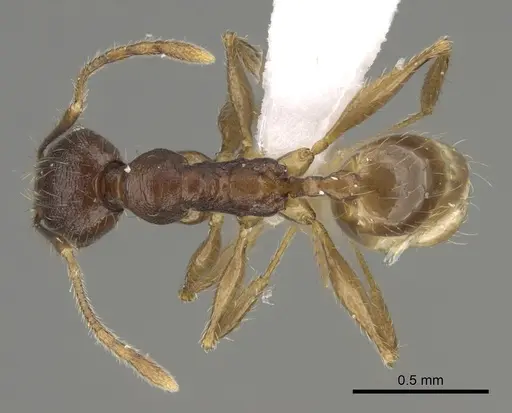
CASENT0406355
View on AntWeb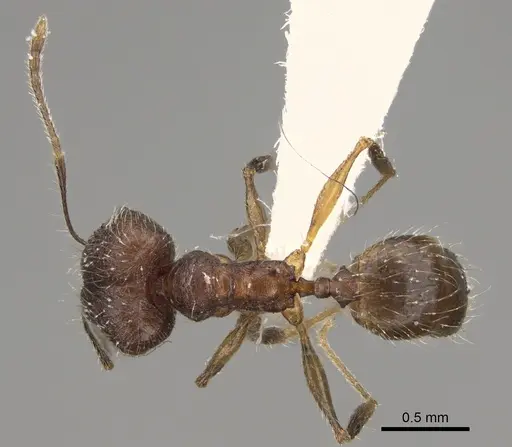
Literature
Loading distribution map...Loading products...