
Pheidole janzeni
- Sci. Name
- Pheidole janzeni
- Tribe
- Attini
- Subfamily
- Myrmicinae
- Author
- Longino, 2009
- Distribution
- Found in 5 countries
Introduction
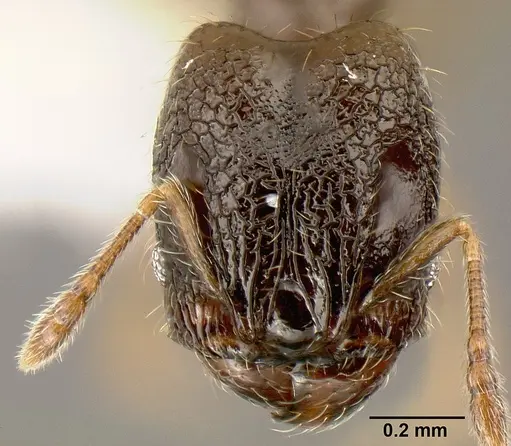
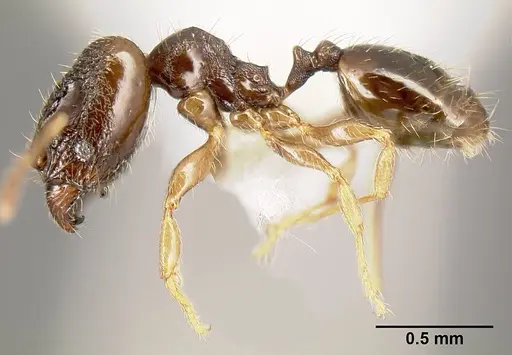
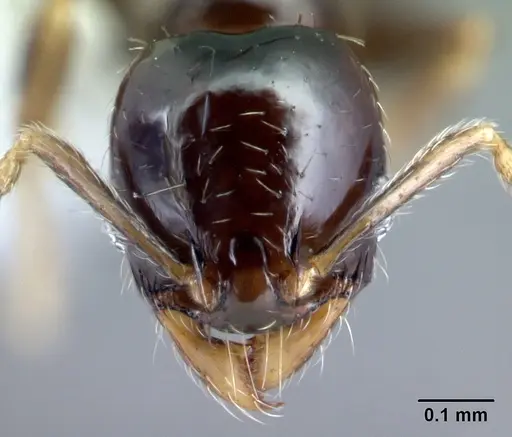
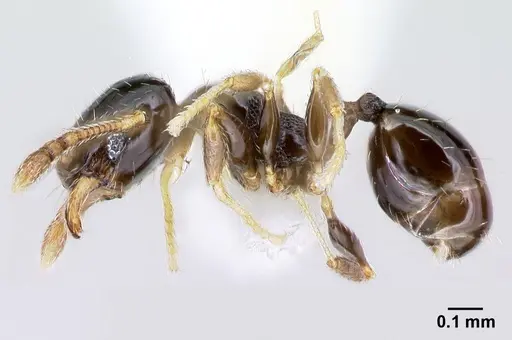
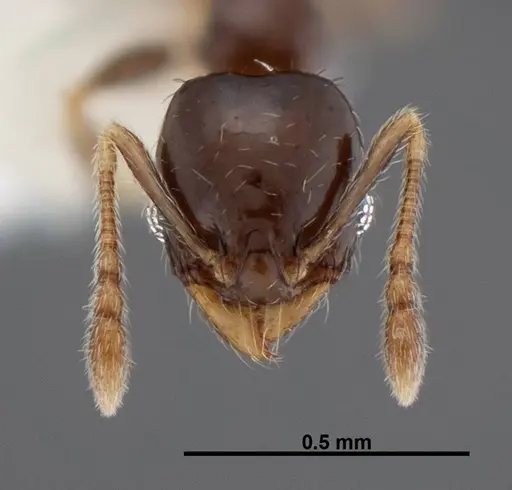
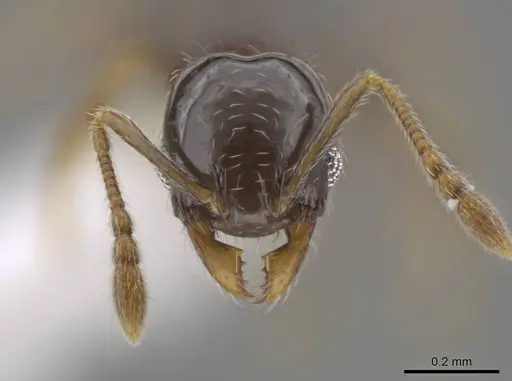
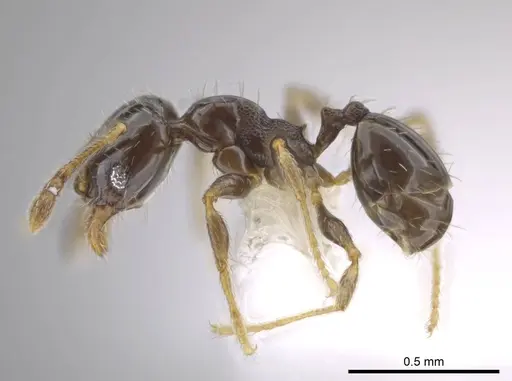
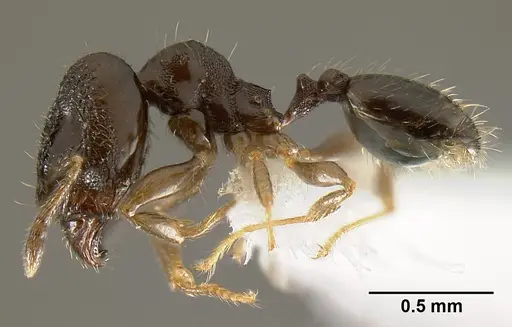
Pheidole janzeni is a tiny dimorphic ant species native to Central America, first described by Longino in 2009. Minor workers are very small, and major workers have distinctive shallow antennal scrobes surrounded by reticulate rugose sculpture. The species occurs in dry forest habitats across Costa Rica, El Salvador, Guatemala, Honduras, and Mexico . This ant is commonly found in open, disturbed dry areas such as recently slashed fields, stream edges, and pine oak forests up to 1100m elevation. Its small size and association with human-altered habitats make it likely widespread but often overlooked .
Quick Summary
- Difficulty: Medium
- Origin & Habitat: Neotropical region: Costa Rica, El Salvador, Guatemala, Honduras, and Mexico. Found in dry forest habitats, open dry areas with disturbance, stream edges, and pine oak forest up to 1100m [2][1][3].
- Colony Type: Colony structure is unconfirmed, but Pheidole species are typically monogyne.
- Size & Growth:
- Queen: Size data unavailable, no total length measurements in context.
- Worker: Size data unavailable, no total length measurements in context.
- Colony: Up to several hundred workers, estimated based on typical Pheidole colony sizes.
- Growth: Moderate, based on typical Pheidole development patterns.
- Development: 6-8 weeks, estimate based on related Pheidole species at warm temperatures. (Development time is inferred from related species. Warmer temperatures speed up development.)
- Antkeeping:
- Temperature: Keep warm, roughly 24-28°C, based on tropical dry forest habitat.
- Humidity: Keep substrate lightly moist but allow drying between waterings, based on dry forest ecology.
- Diapause: No, tropical species do not require hibernation.
- Nesting: Y-tong or plaster nests work well. Provide narrow passages scaled to their small size. Test tube setups are suitable for founding colonies.
- Behavior: Dimorphic with minor and major workers. Minor workers handle most tasks, while majors defend the colony and process food. Workers are active foragers attracted to baits. Their tiny size requires strict escape prevention. Sting is mild due to small size [4][1].
- Common Issues: escape prevention is critical due to extremely small size, use fine mesh and check seams regularly., colonies start slowly due to tiny founding queen and small brood., overfeeding can cause mold in small nests, remove uneaten food promptly., test tube setups may dry out quickly, monitor humidity closely., wild-caught colonies may carry parasites, quarantine new colonies.
Housing and Nest Setup
For founding colonies, use a test tube setup with water and cotton. Once workers appear, upgrade to a small formicarium. Y-tong or plaster nests work well for controlling humidity. Ensure passages are narrow due to their small size. Escape prevention is critical, use fine mesh and tight lids [2][3].
Feeding and Diet
Offer small protein sources like fruit flies or tiny insects, and provide sugar water or honey. Remove uneaten food promptly to prevent mold. Workers are attracted to baits, indicating generalist foraging [2].
Temperature and Seasonal Care
Keep temperatures warm, around 24-28°C, based on their tropical habitat. No diapause is needed. Provide a temperature gradient if possible.
Colony Development and Growth
Development from egg to worker takes about 6-8 weeks at warm temperatures. Colony growth is moderate, with majors appearing once the colony reaches several hundred workers.
Behavior and Observation
Minor workers handle foraging and brood care, while majors defend the colony. They are not aggressive but can sting mildly. Activity is moderate during daylight hours [4][1].
Frequently Asked Questions
How long does it take for Pheidole janzeni to produce first workers?
About 6-8 weeks at optimal temperatures, based on related Pheidole species.
What do I feed Pheidole janzeni ants?
Small protein sources like fruit flies and sugar water. Remove uneaten food to prevent mold [2].
Can I keep multiple Pheidole janzeni queens together?
Colony structure is unconfirmed, but Pheidole species are typically single-queen. Combining queens may cause fighting.
What temperature do Pheidole janzeni ants need?
Keep them warm, around 24-28°C, based on their tropical habitat.
Do Pheidole janzeni ants need hibernation?
No, as a tropical species, they do not require diapause.
When should I move my colony to a formicarium?
Once you have 10-15 workers, upgrade from a test tube setup.
Why are my Pheidole janzeni escaping?
Their tiny size allows them to squeeze through small gaps. Ensure tight lids and fine mesh [1].
Are Pheidole janzeni good for beginners?
Medium difficulty due to small size and escape risks. Experienced keepers may find them rewarding.
How big do Pheidole janzeni colonies get?
Up to several hundred workers, estimated based on typical Pheidole colonies.
Report an Issue
The current care sheet is based fully on literature. See inconsistencies, or something that's incorrect? Please , it will be resolved after review from an admin. Contributing to the blogs tab also helps providing information, to make us be able to further improve the caresheets. Thank you for your support!
References

This caresheet is licensed under CC BY-SA 4.0 .
Community Blogs
CASENT0608973
View on AntWeb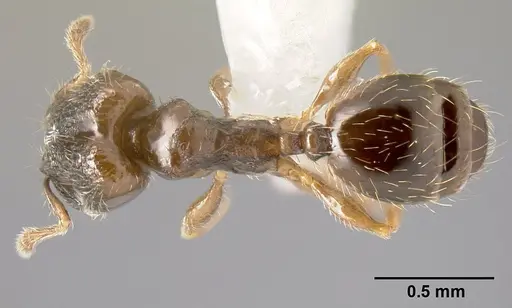
CASENT0608977
View on AntWeb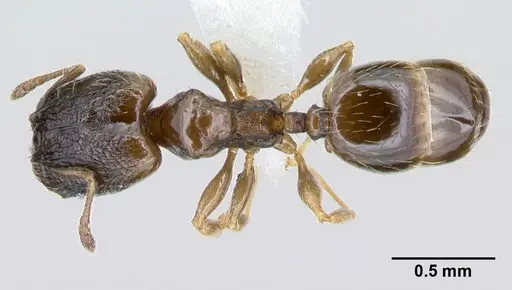
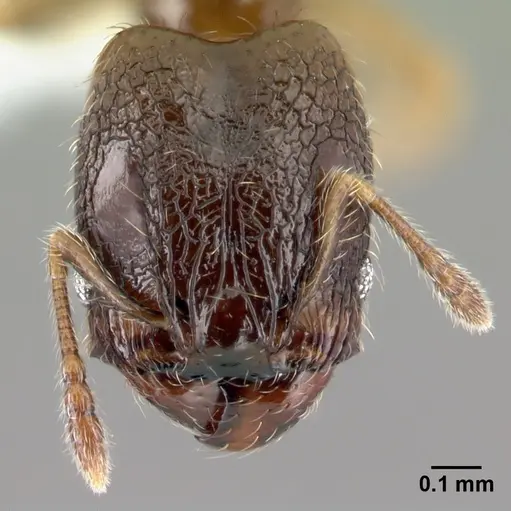
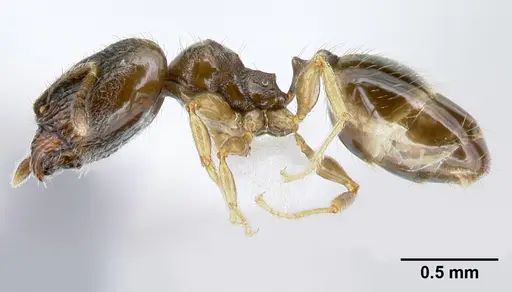
CASENT0608990
View on AntWeb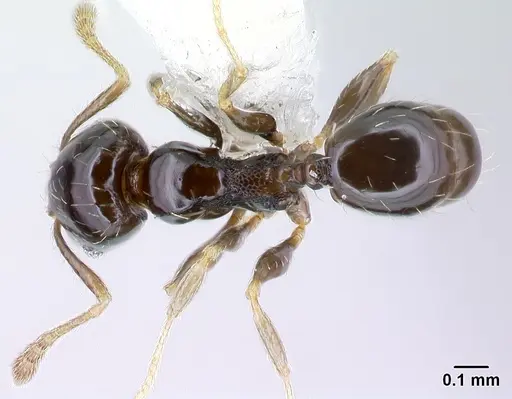
CASENT0608993
View on AntWeb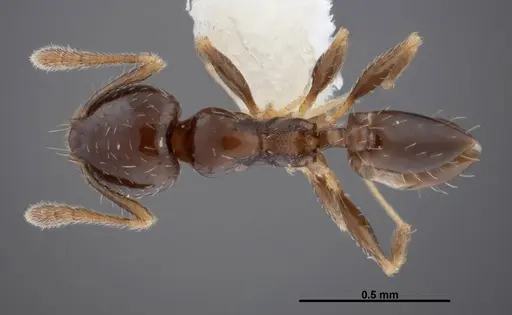
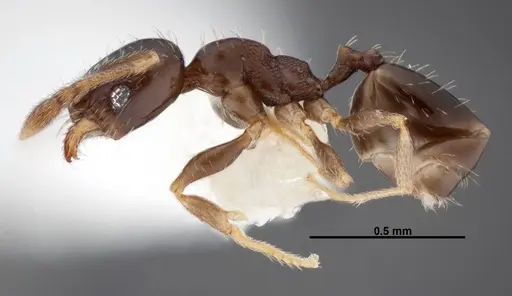
CASENT0612248
View on AntWeb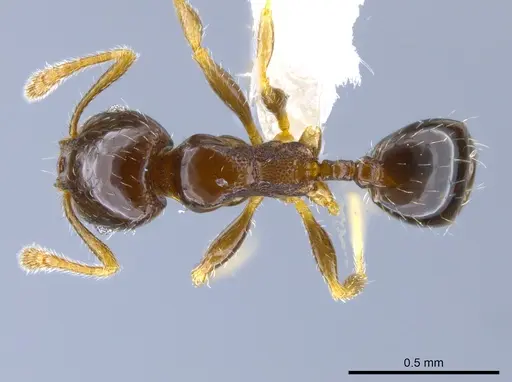
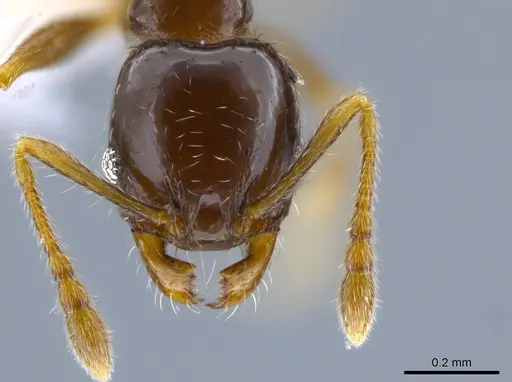
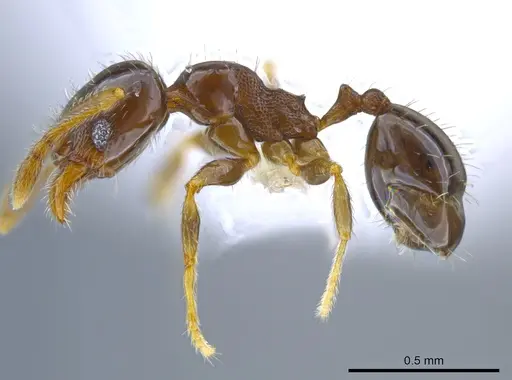
CASENT0618097
View on AntWeb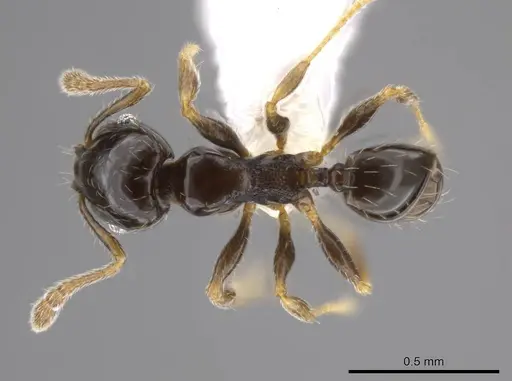
CASENT0618109
View on AntWeb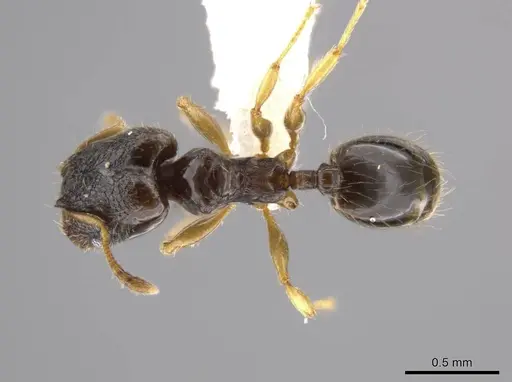
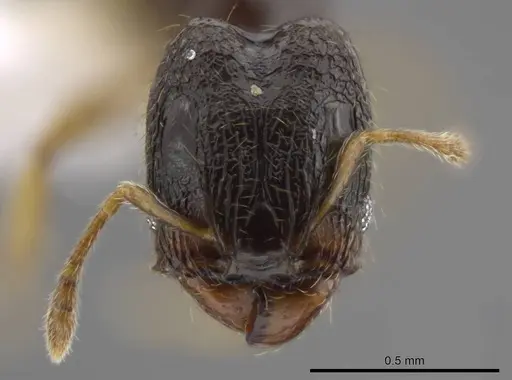
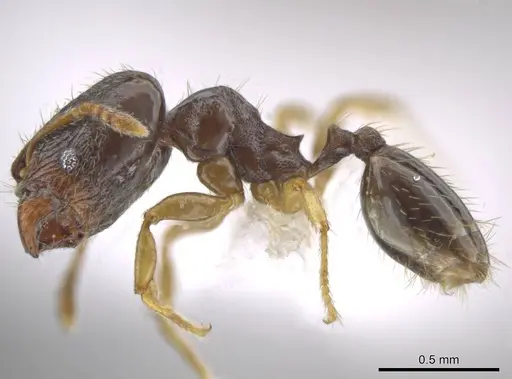
JTLC000007093
View on AntWeb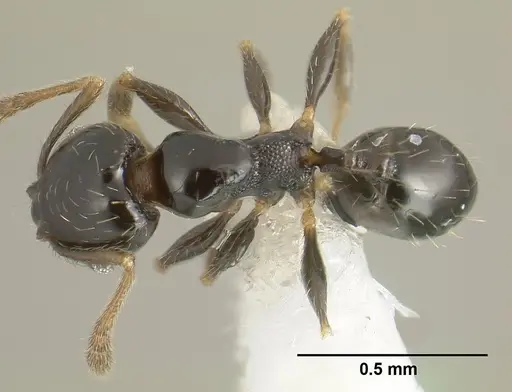
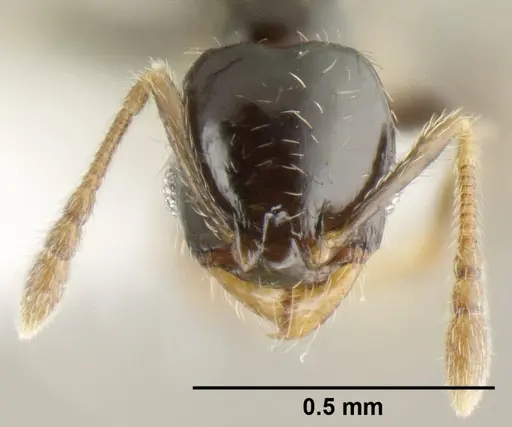
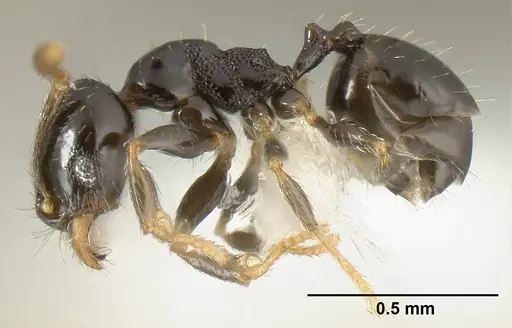
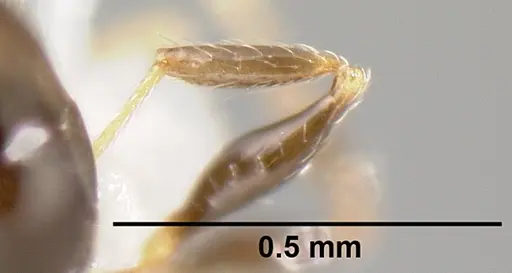
JTLC000007094
View on AntWeb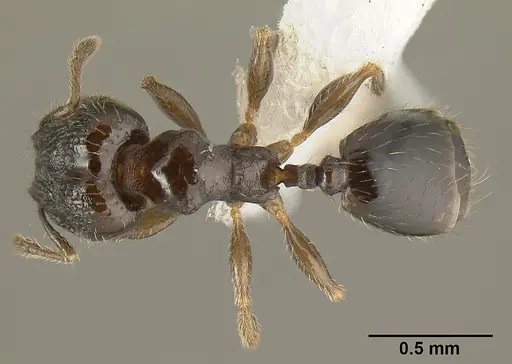
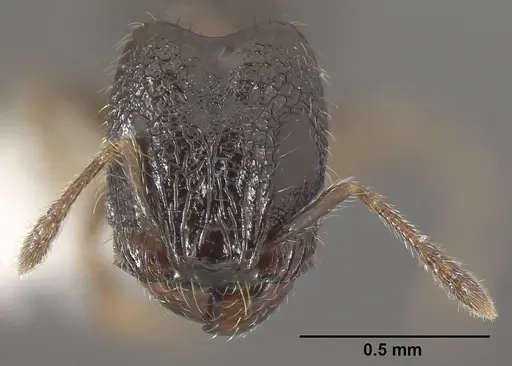
Literature
Loading distribution map...Loading products...