
Pheidole insipida
- Sci. Name
- Pheidole insipida
- Tribe
- Attini
- Subfamily
- Myrmicinae
- Author
- Forel, 1899
- Distribution
- Found in 5 countries
Introduction
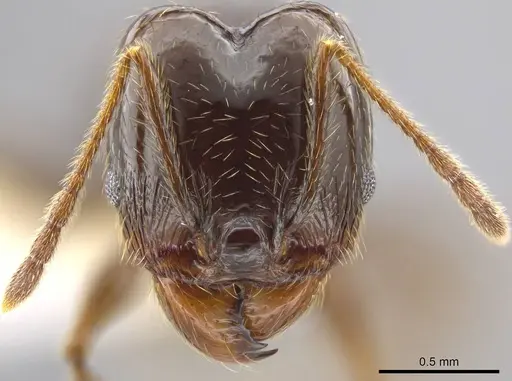
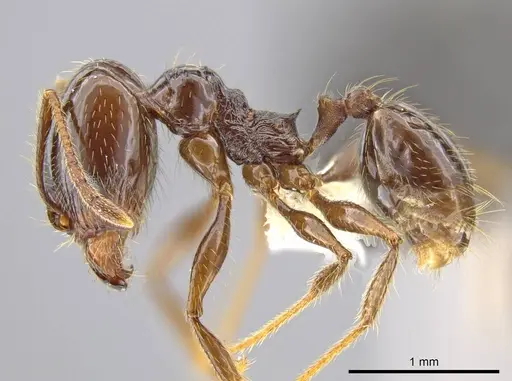
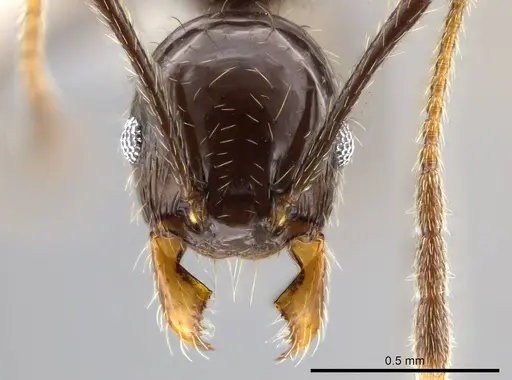
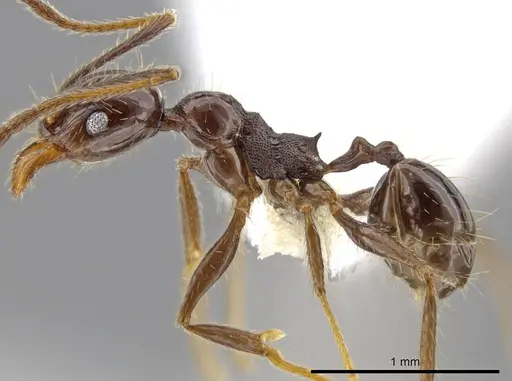
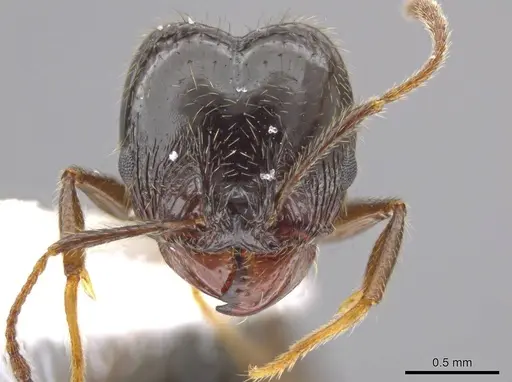
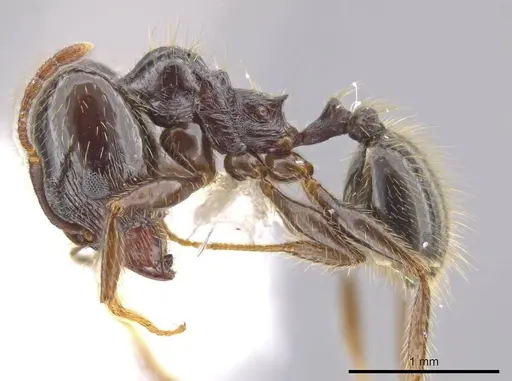
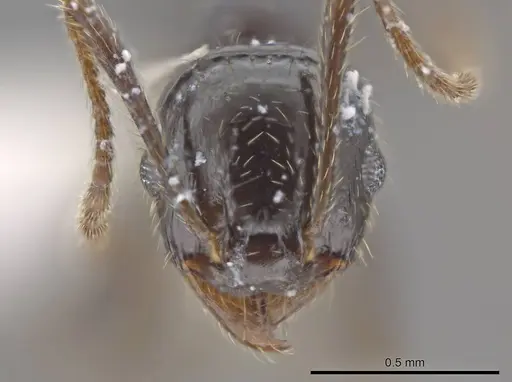
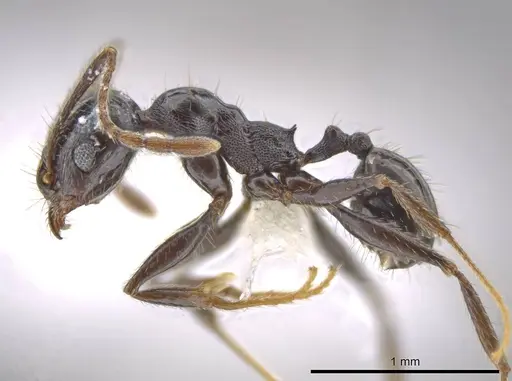
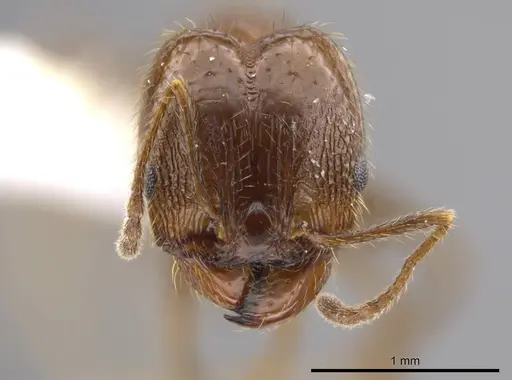
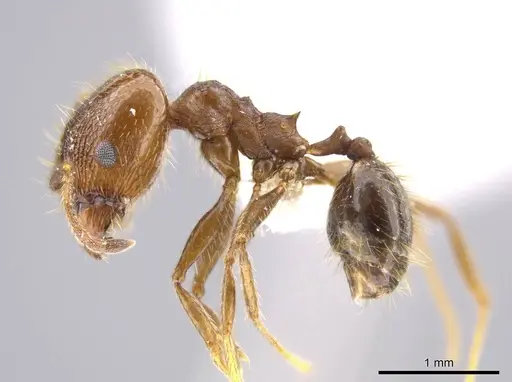
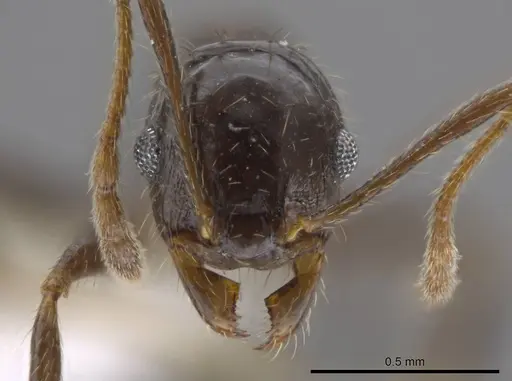
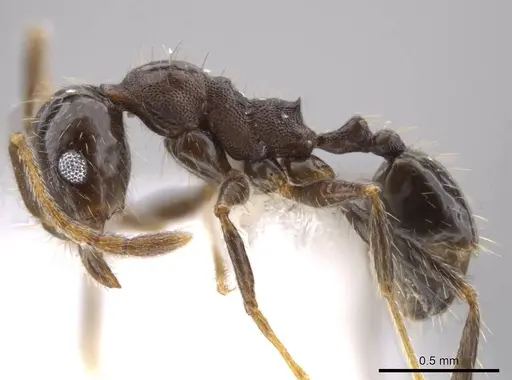
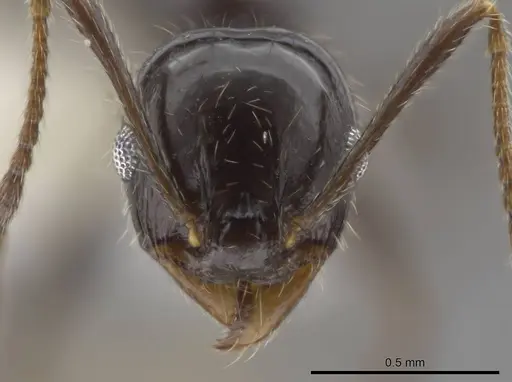
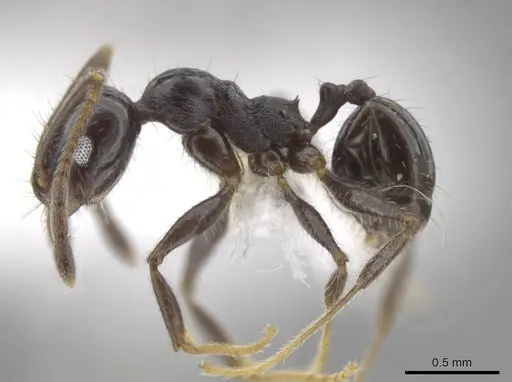
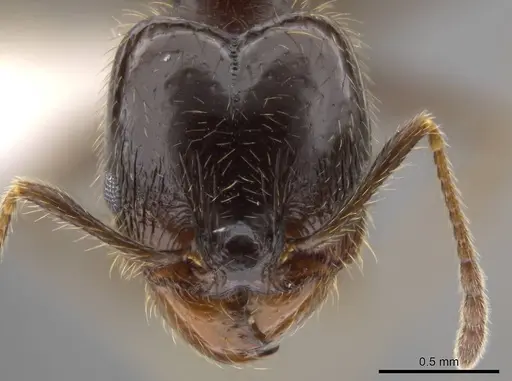
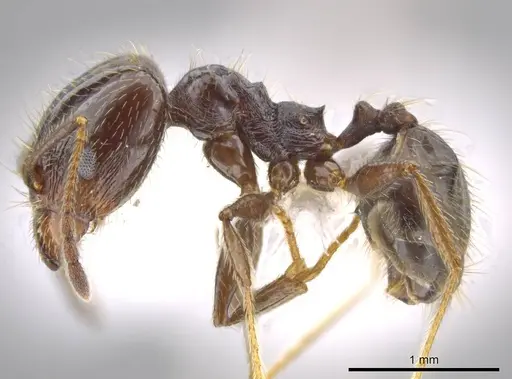
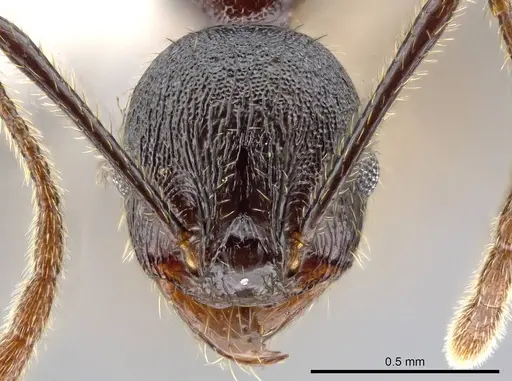
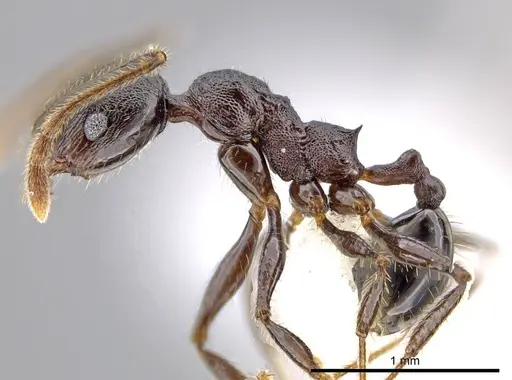
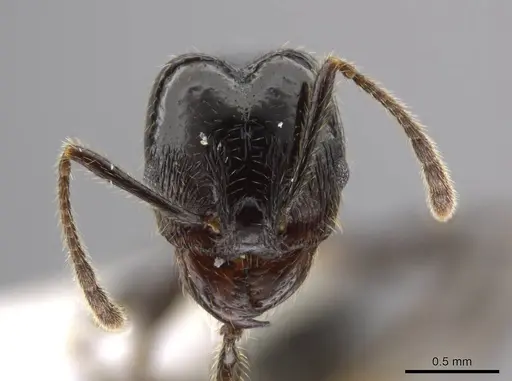
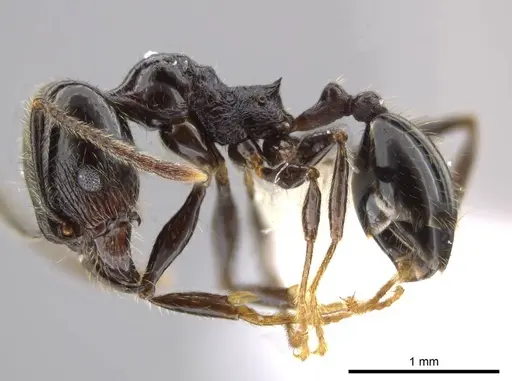
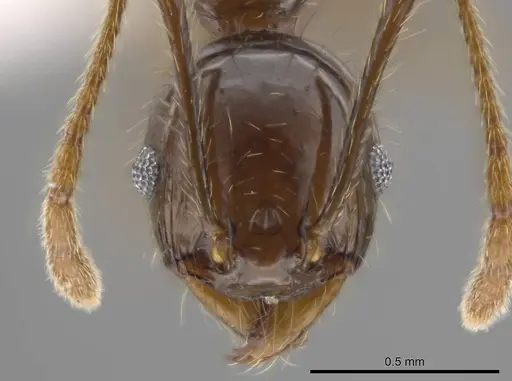
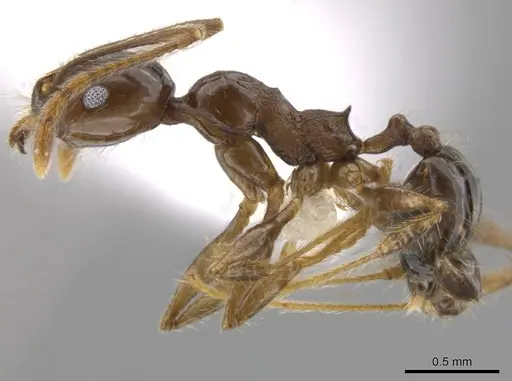
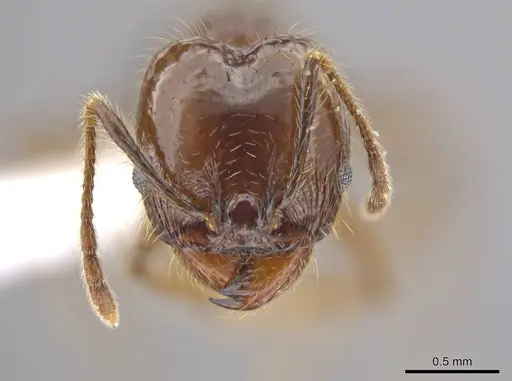
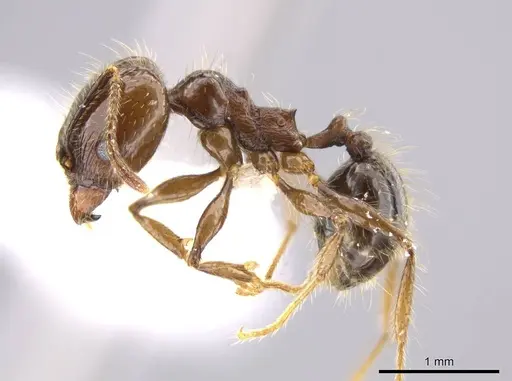
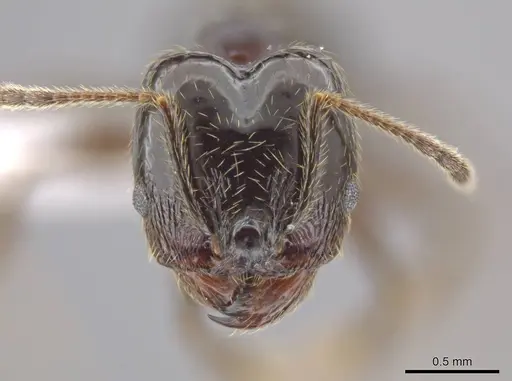
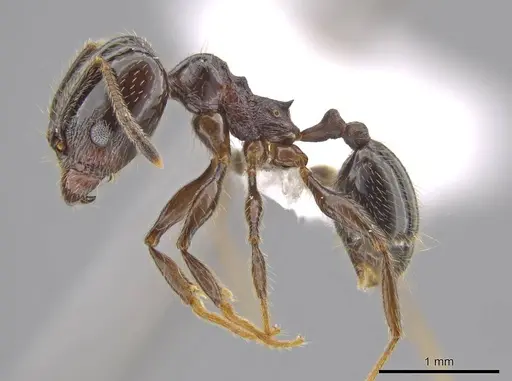
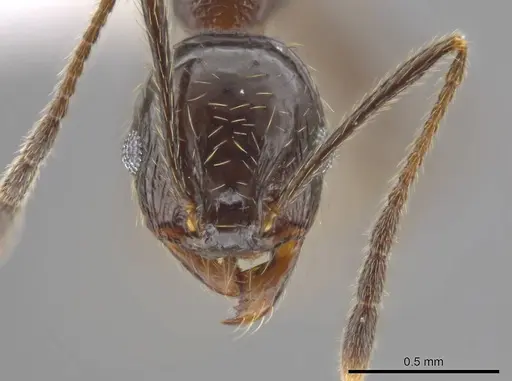
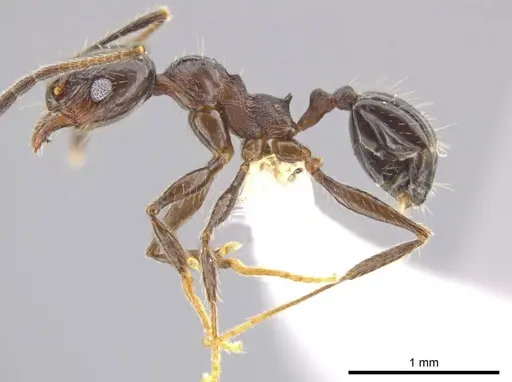
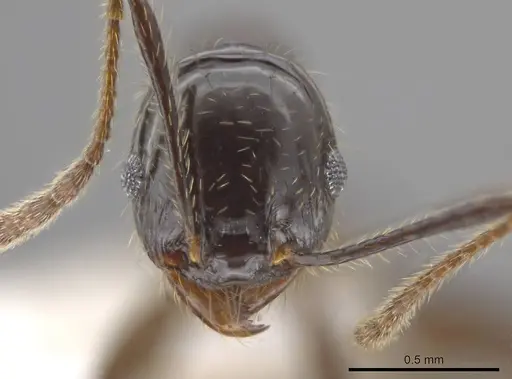
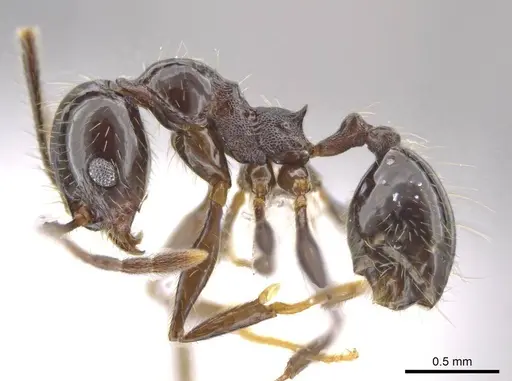
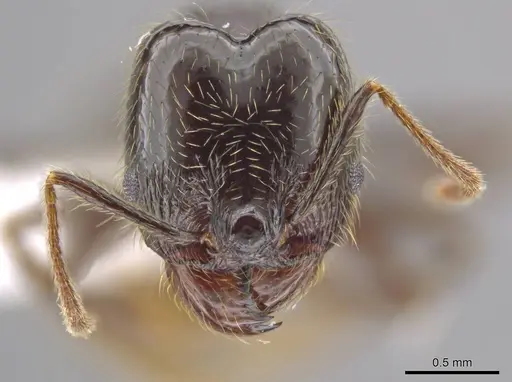
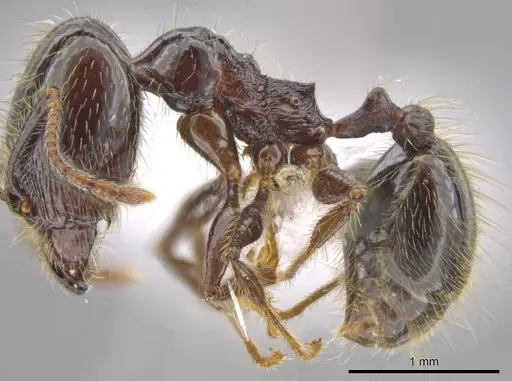
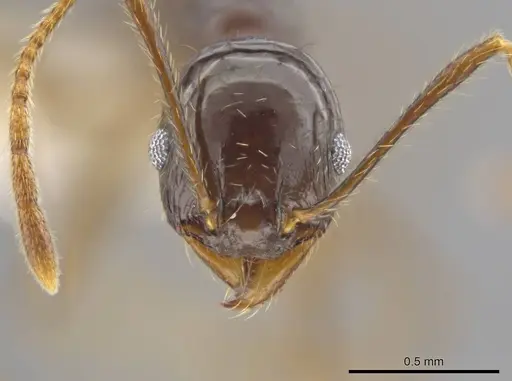
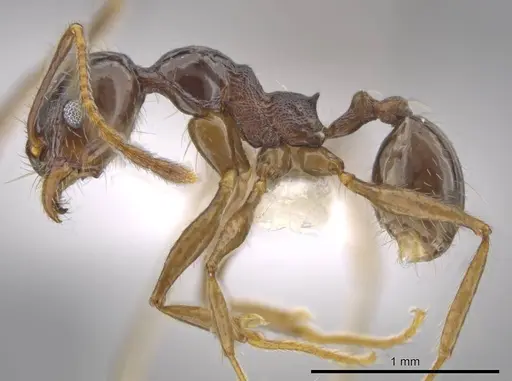
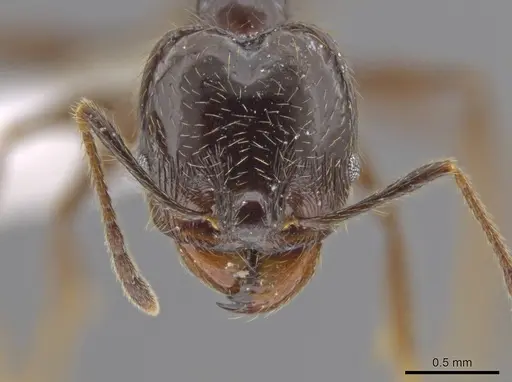
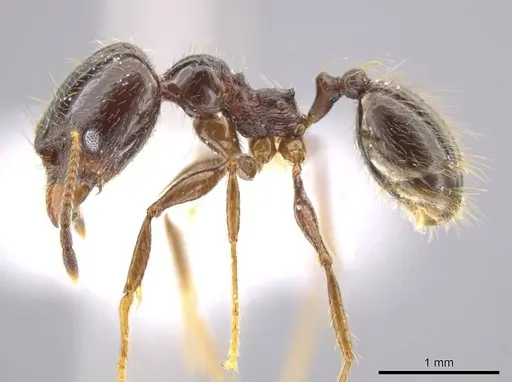
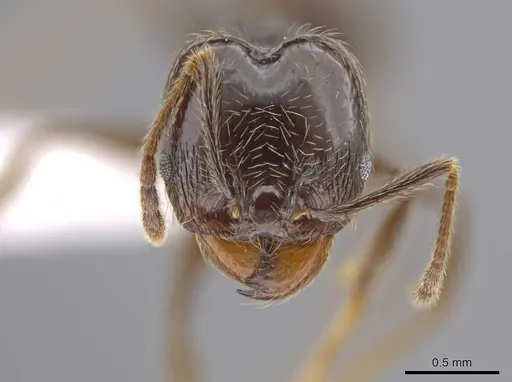
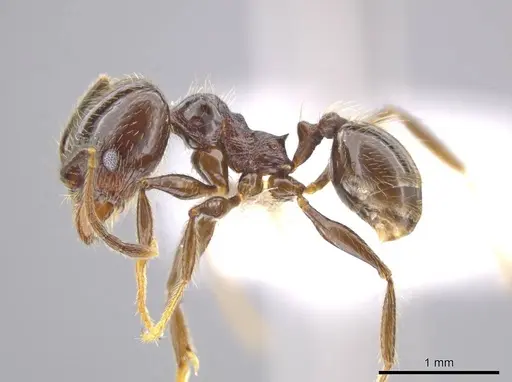
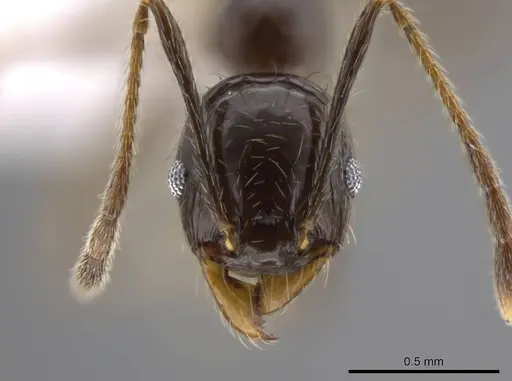
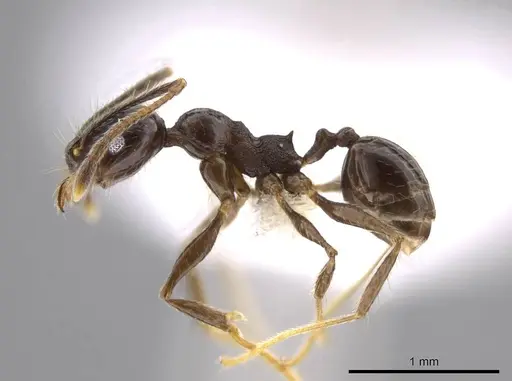
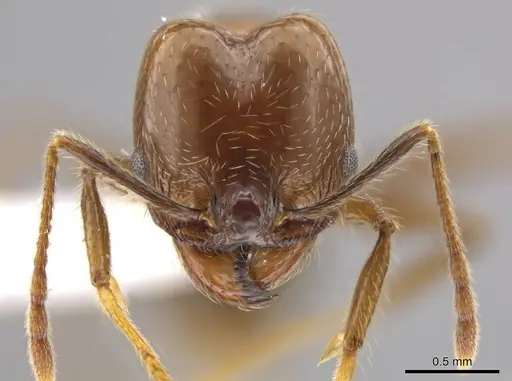
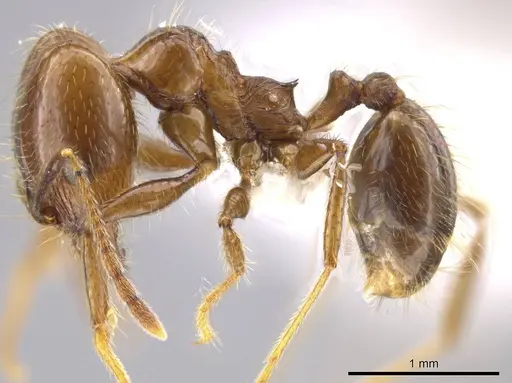
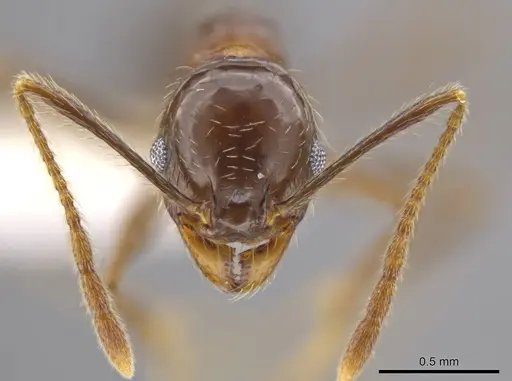
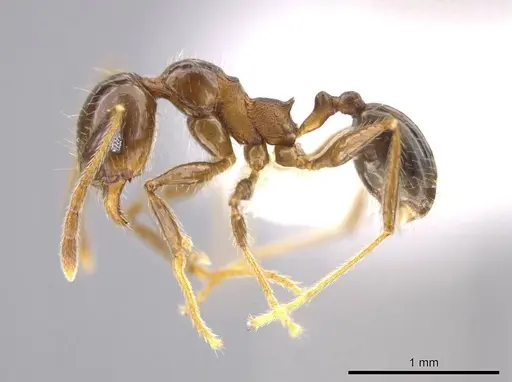
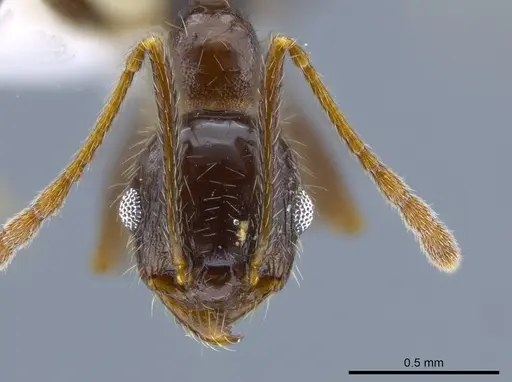
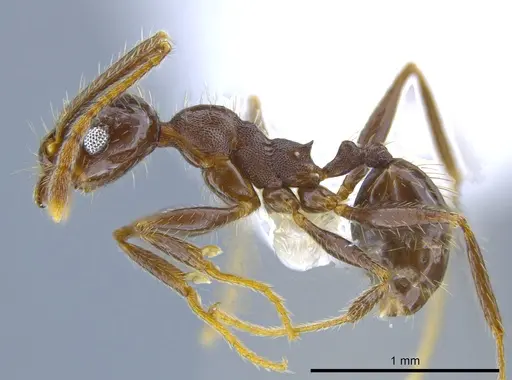
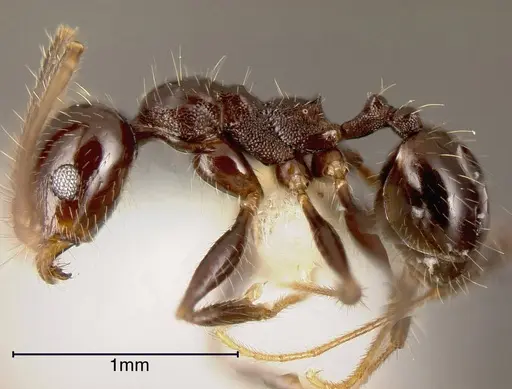
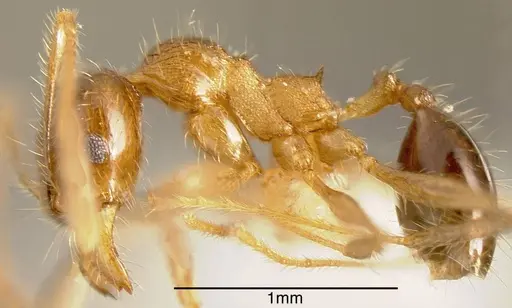
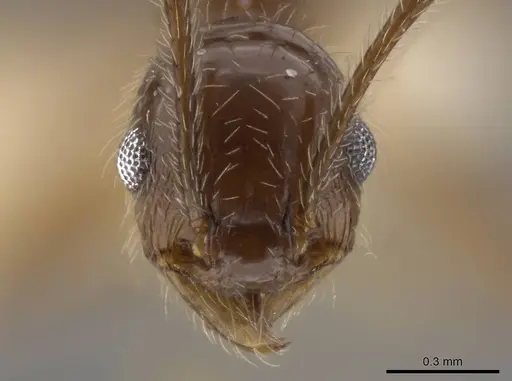
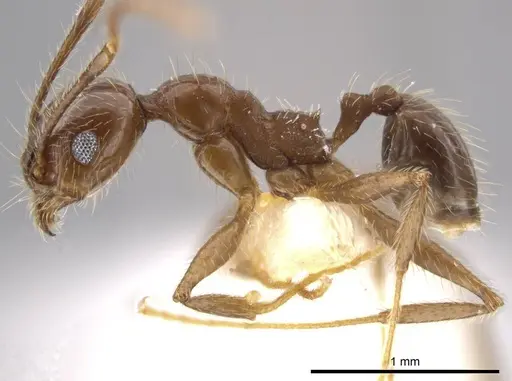
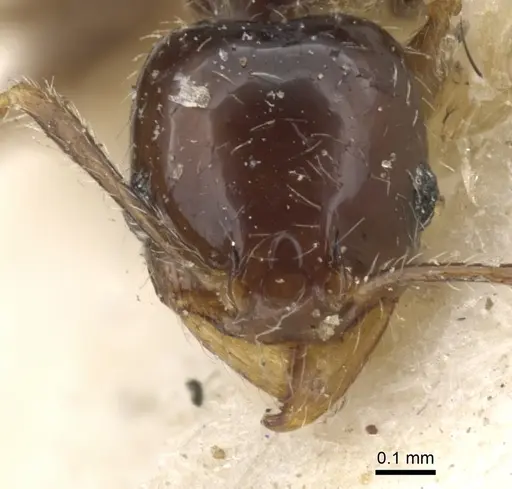
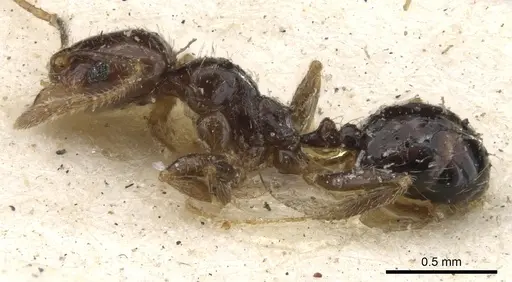
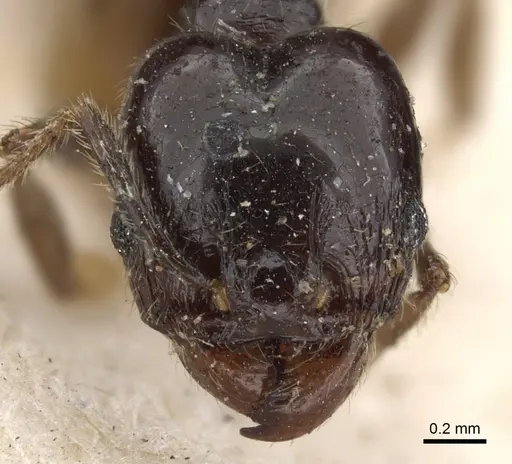
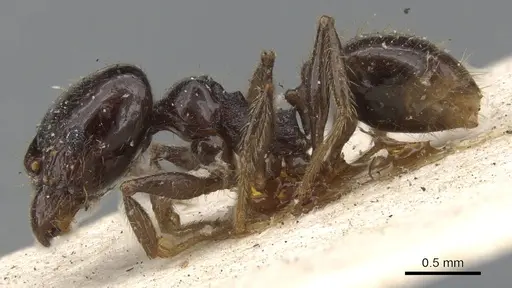
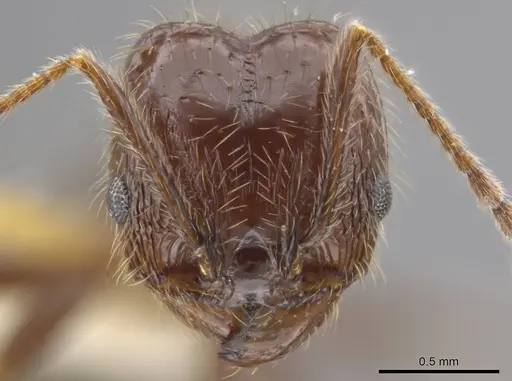
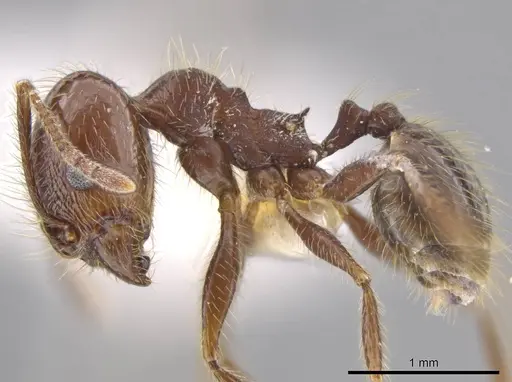
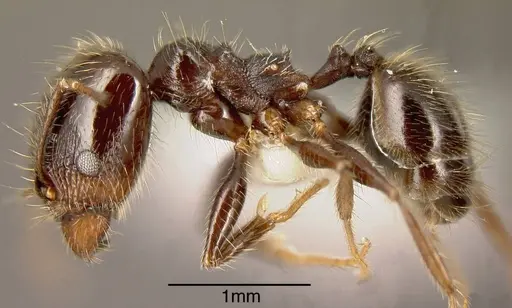
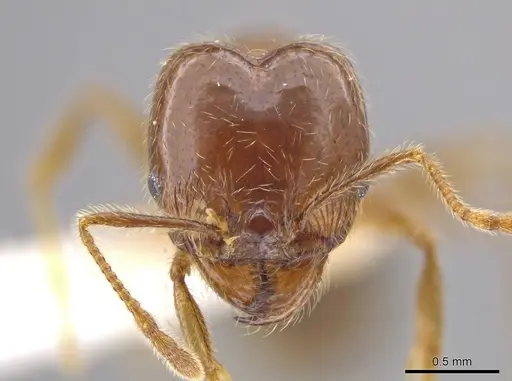
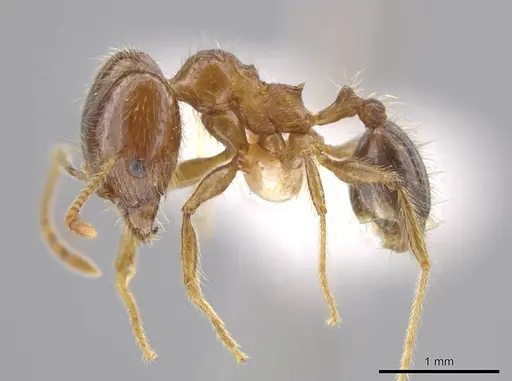
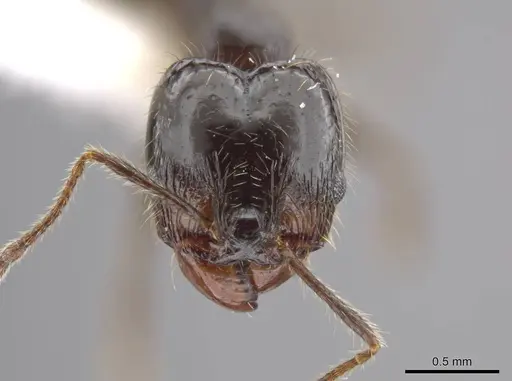
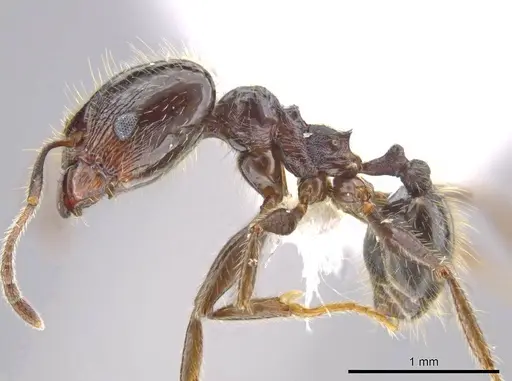
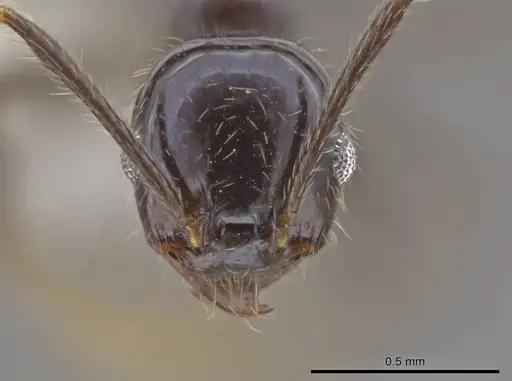
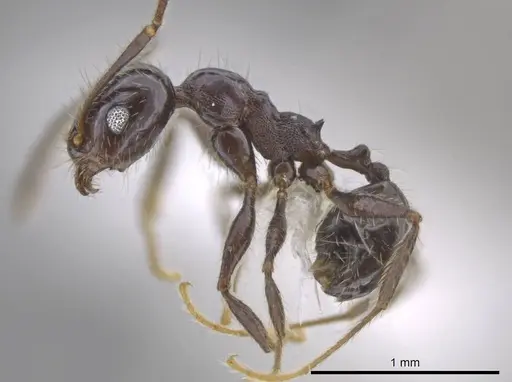
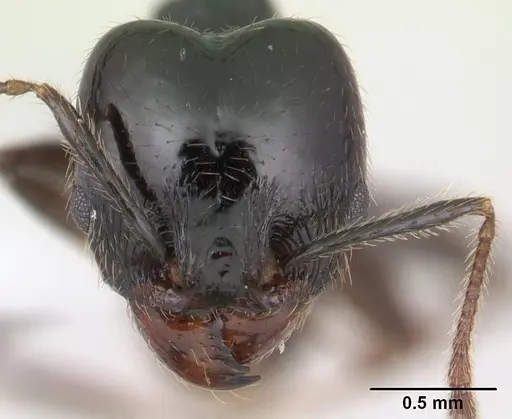
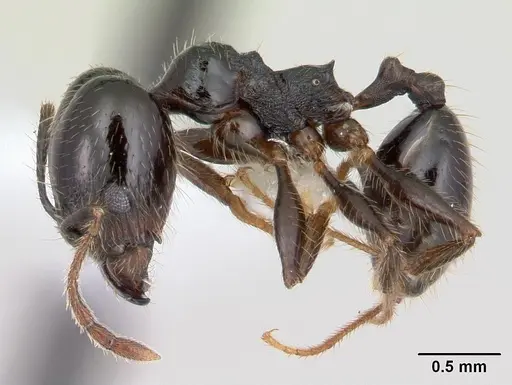
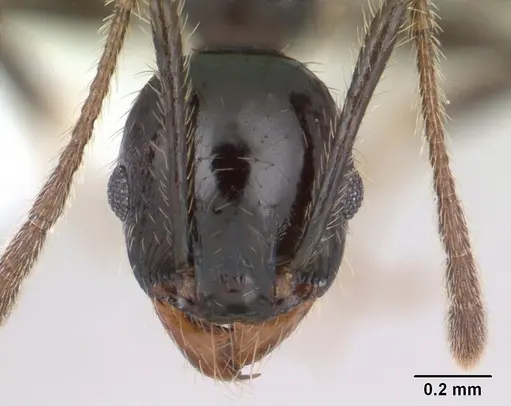
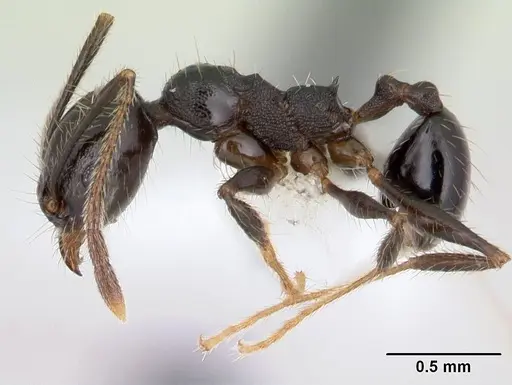
Pheidole insipida is a dimorphic ant with two distinct worker sizes: smaller minors and larger majors with big heads . The species is highly variable across its range, some populations have smooth, shiny bodies while others are heavily sculptured, and a few show a faint purple sheen . Its range stretches from Tamaulipas in Mexico down to the northern Pacific lowlands of Costa Rica, from sea level up to 1800 m elevation . It occupies dry forests, rainforests, and cloud forests, and can also be found in disturbed areas near humans as long as some canopy cover remains . This extreme morphological variability is what makes the species especially notable: colonies from different regions can look so different that they were once described as separate species, but those names are now recognized as synonyms of a single variable ant .
Quick Summary
- Difficulty: Medium
- Origin & Habitat: Mexico to Costa Rica (sea level to 1800m), found in dry forest, rainforest, and cloud forest [3][4].
- Colony Type: Likely monogyne (single queen) based on typical Pheidole patterns, though unconfirmed for this species.
- Size & Growth:
- Queen: Unknown for this species, queen body size has not been documented.
- Worker: Minors ~2-3 mm, majors ~3-5 mm (inferred from Pheidole genus).
- Colony: Unknown, likely up to several thousand workers based on other Pheidole species.
- Growth: Moderate to fast (estimated).
- Development: 6-10 weeks at 25°C (estimated based on typical tropical Pheidole patterns). (Development time is inferred from related species, actual timing may vary with temperature.)
- Antkeeping:
- Temperature: 22-28°C (inferred from tropical range and elevation tolerance [4]). Provide a gradient with a warm side.
- Humidity: Provide a humidity gradient: keep one area of the nest moist and another drier so ants can choose. Avoid constant waterlogging to prevent mold.
- Diapause: Likely not required (tropical species). A slight cool-down to 20°C during winter may slow activity but is not necessary.
- Nesting: In nature they nest under stones and in ground cavities [4]. In captivity, use Y-tong (AAC), plaster, or naturalistic setups with flat stones and tight chambers.
- Behavior: Ground-foraging generalists that recruit majors to food sources alongside minors [4]. As a member of Myrmicinae, they possess a functional sting, though its use in this species is not documented. Majors can also deliver a noticeable bite. Because of their small size (especially minors), escape prevention must be excellent, use fine mesh and barriers.
- Common Issues: tiny minor workers can squeeze through the smallest gaps in mesh or lids., high morphological variation means you might worry your colony looks different from online photos, this is normal for the species., because captive care is not well-documented, you may need to adjust based on your colony's behavior., over-humidity can cause mold issues in ground-nesting species.
Nest Preferences and Housing
In the wild, Pheidole insipida nests under stones and in ground cavities, with one type specimen collected from a nest beneath a stone in deciduous tropical forest [4][3]. This ground‑dwelling habit means they prefer dark, secure spaces with some humidity retention. For captive housing, a Y‑tong (aerated concrete) nest or plaster nest works well, provided you offer tight chambers that make the ants feel secure. A naturalistic setup with a flat stone covering a soil or plaster cavity also mimics their wild preference for stone cover. Because they forage on the ground, keep the outworld floor simple, sand or fine gravel works well. Ensure the nest has adequate ventilation while maintaining humidity, stagnant air leads to mold, but too much airflow dries out the substrate.
Feeding and Diet
These ants are generalist foragers. In the field, they are frequently collected at baits on the forest floor, with major workers often recruited to food sources alongside minors [4][3]. This suggests they readily accept both sugar sources and protein. In captivity, offer a standard diet of sugar water or honey water in a test tube setup, plus protein sources like small insects (fruit flies, pinhead crickets, or mealworm pieces). As with most Pheidole, they likely accept seeds and may store them in the nest, though this has not been specifically documented for this species. Feed small amounts frequently rather than large amounts rarely to prevent mold in their humid nest environment.
Temperature and Seasonal Care
Pheidole insipida occurs from sea level up to 1800 meters across the Neotropics, suggesting they tolerate a range of temperatures but prefer warm, stable conditions [4][3]. As a tropical species, they likely do not require true hibernation (diapause), though you may notice reduced activity during cooler months if you keep them below 22°C. For best results, maintain the nest between 22‑28°C. Use a heating cable or heat mat on one side of the nest to create a temperature gradient, allowing the ants to self‑regulate by moving brood to their preferred zone. Place the heating element on top of the nest rather than underneath to avoid driving moisture upward and creating condensation that floods chambers.
Behavior and Temperament
This species shows classic Pheidole behavior with distinct major and minor worker castes [1]. The majors, with their enlarged heads, serve as soldiers for colony defense and food processing, while the smaller minors do most of the foraging and brood care. In the field, both castes are recruited to food baits, suggesting cooperative foraging [4]. As a member of Myrmicinae, they possess a functional sting, though its use in this species is not documented, their majors can also deliver a noticeable bite if handled. Their small size, especially the minors (body length roughly 2‑3 mm), means you must use excellent escape prevention: fine mesh (under 0.5 mm openings) and Fluon or talcum powder barriers on outworld walls are essential.
Morphological Variation
One of the most striking features of Pheidole insipida is its extreme variability. Across their range from Mexico to Costa Rica, populations differ dramatically in body sculpture, some have smooth, shiny pronotums while others are heavily textured with pits and ridges [2]. Some lowland populations show a faint purple sheen similar to Pheidole purpurea, while highland populations may be bicolored with light brown bodies and dark heads [2]. This variation caused earlier taxonomists to describe them as three separate species (P. insipida, P. fariasana, and P. mooreorum), but these are now synonymized under P. insipida [3][5]. For keepers, this means your colony might look quite different from photos you see online, do not be alarmed if your ants appear more or less sculptured than reference images.
Frequently Asked Questions
Can I keep Pheidole insipida in a test tube?
Yes, standard test tube setups work well for founding colonies. Provide a water reservoir blocked with cotton, keep the tube dark, and maintain warmth around 25°C.
How long until Pheidole insipida get their first workers?
While not directly documented, based on typical tropical Pheidole development patterns, expect roughly 6‑10 weeks from egg to first worker at 25°C. Cooler temperatures will slow this down.
Do Pheidole insipida need hibernation?
Likely not. As a tropical species from Mexico to Costa Rica, they probably remain active year‑round. You can keep them at normal room temperature or slightly warmer (22‑28°C) throughout the year.
What do Pheidole insipida eat?
They are generalists. In nature they recruit to baits, suggesting they accept both sugars and proteins [4]. In captivity, offer sugar water or honey, plus small insects like fruit flies or mealworm pieces. They may also accept seeds.
Are Pheidole insipida good for beginners?
They are likely manageable but rated as medium difficulty due to lack of specific captive care documentation. Their small size requires excellent escape prevention, and their tropical nature means you must maintain warmth.
How big do Pheidole insipida colonies get?
Colony size is not documented for this species, but based on other Pheidole, they likely reach several hundred to a few thousand workers.
Can I keep multiple Pheidole insipida queens together?
Not recommended. While unconfirmed for this species, most Pheidole are monogyne (single‑queen) and queens will likely fight if combined.
Why do my Pheidole insipida look different from photos online?
This species shows extreme morphological variation across its range. Different populations vary in color, sculpture, and sheen, this is normal and does not mean you have a different species [2].
What is the best nest type for Pheidole insipida?
They naturally nest under stones and in ground cavities [4]. In captivity, use Y‑tong (AAC), plaster nests, or naturalistic setups with flat stones. Provide tight chambers and maintain a humidity gradient.
Report an Issue
The current care sheet is based fully on literature. See inconsistencies, or something that's incorrect? Please , it will be resolved after review from an admin. Contributing to the blogs tab also helps providing information, to make us be able to further improve the caresheets. Thank you for your support!
References

This caresheet is licensed under CC BY-SA 4.0 .
Community Blogs
CASENT0609200
View on AntWeb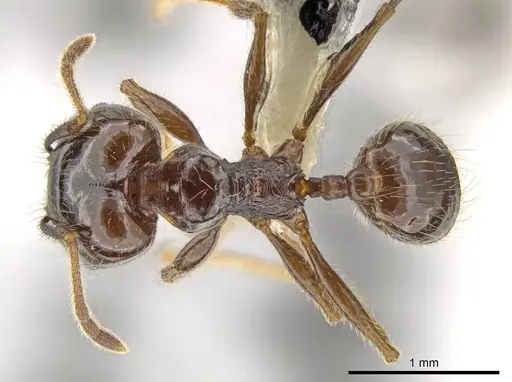
CASENT0609201
View on AntWeb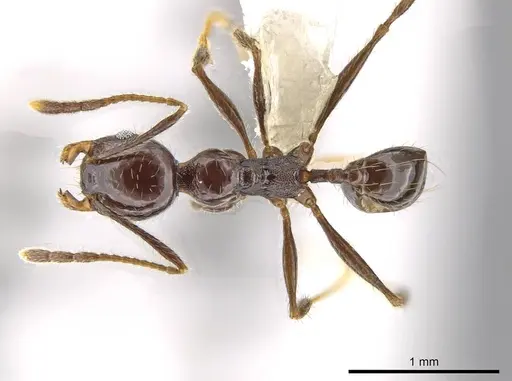
CASENT0610847
View on AntWeb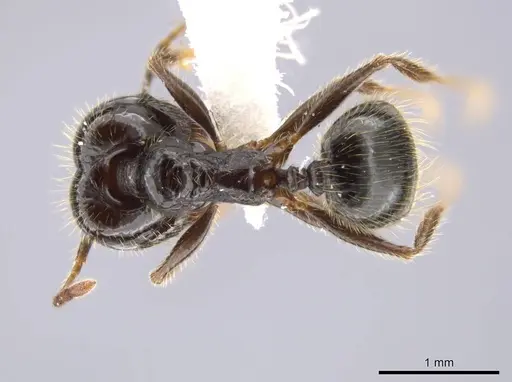
CASENT0610848
View on AntWeb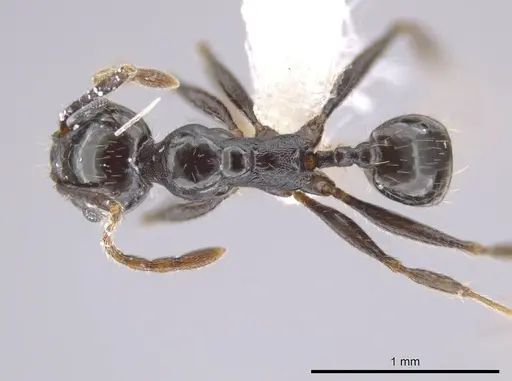
CASENT0611087
View on AntWeb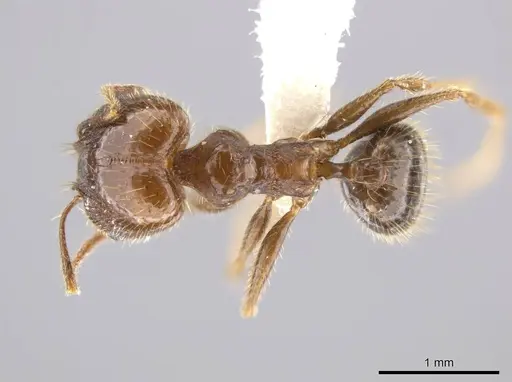
CASENT0611088
View on AntWeb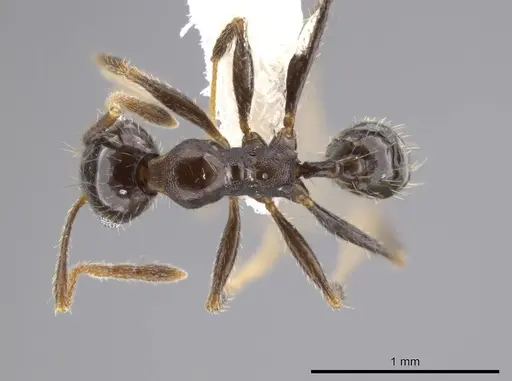
CASENT0611097
View on AntWeb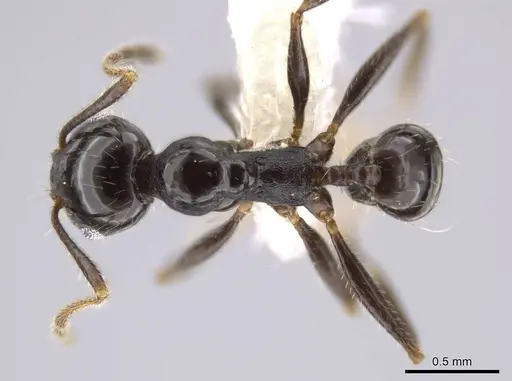
CASENT0611098
View on AntWeb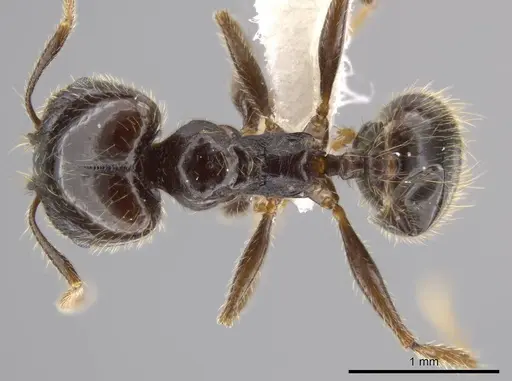
CASENT0614373
View on AntWeb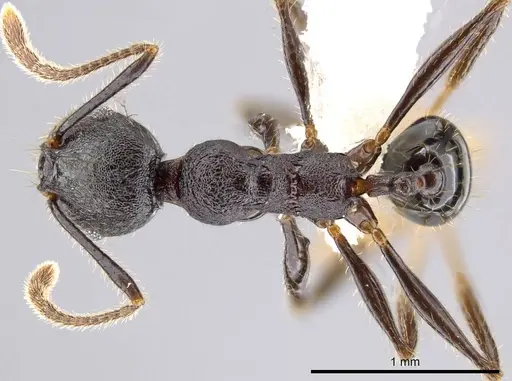
CASENT0614374
View on AntWeb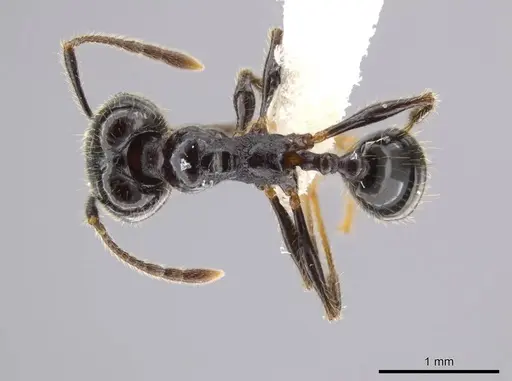
CASENT0614485
View on AntWeb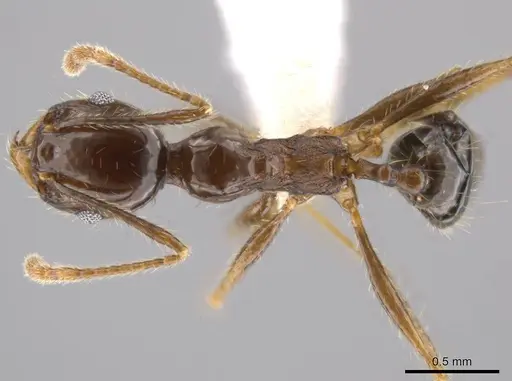
CASENT0614486
View on AntWeb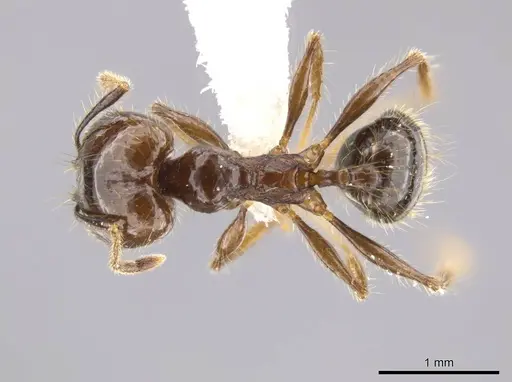
CASENT0614932
View on AntWeb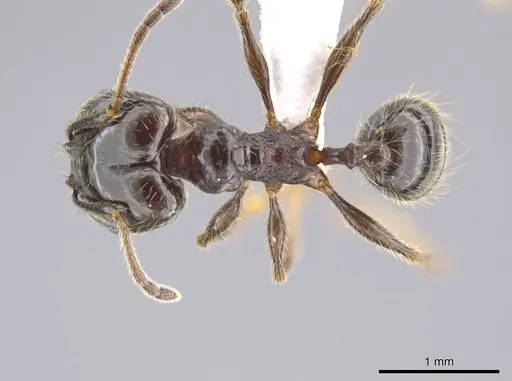
CASENT0614933
View on AntWeb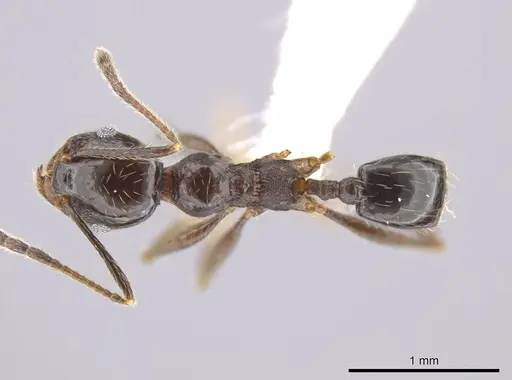
CASENT0615523
View on AntWeb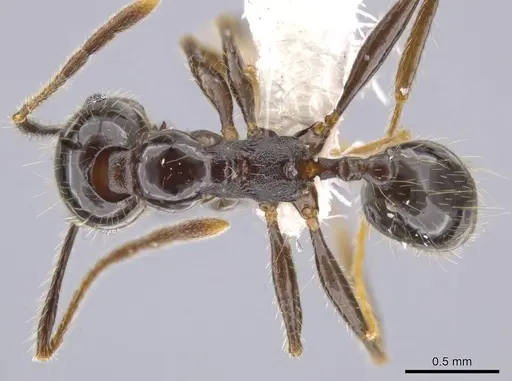
CASENT0615524
View on AntWeb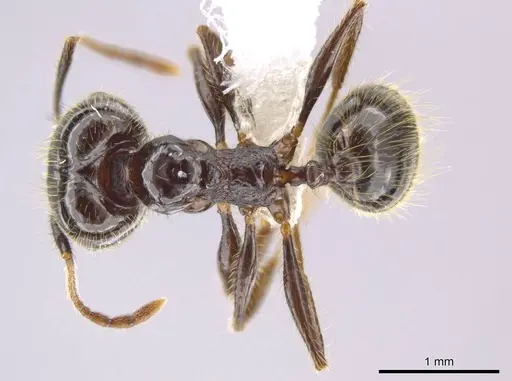
CASENT0617455
View on AntWeb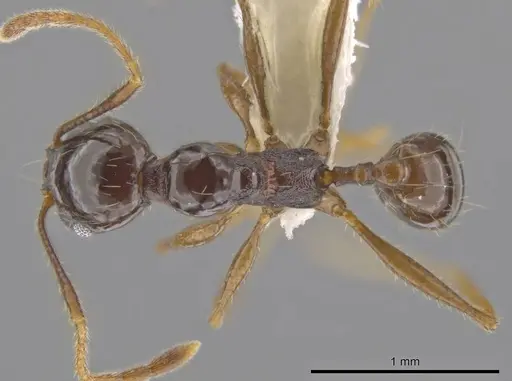
CASENT0617502
View on AntWeb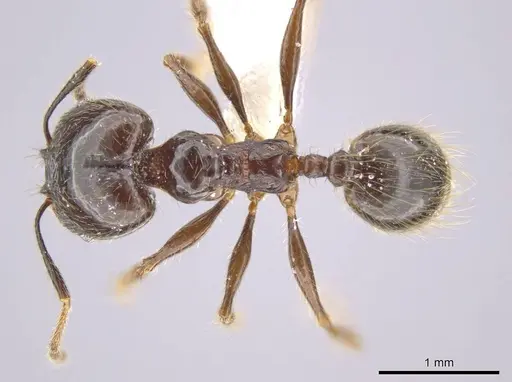
CASENT0617790
View on AntWeb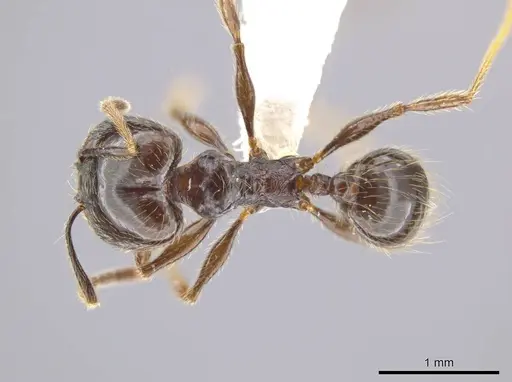
CASENT0617791
View on AntWeb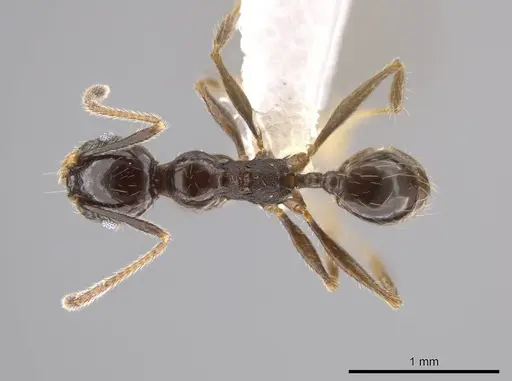
CASENT0629140
View on AntWeb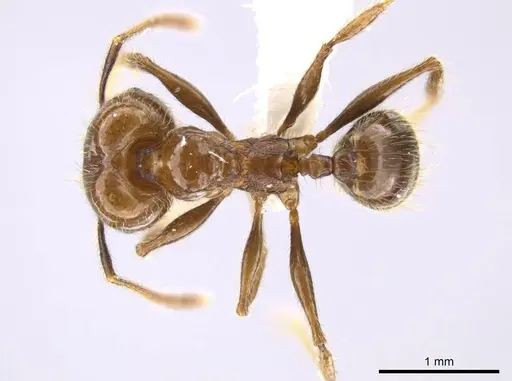
CASENT0629141
View on AntWeb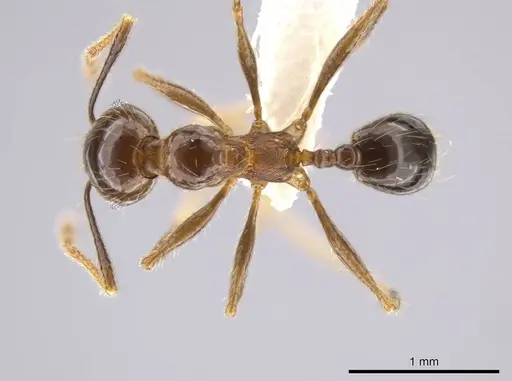
CASENT0629369
View on AntWeb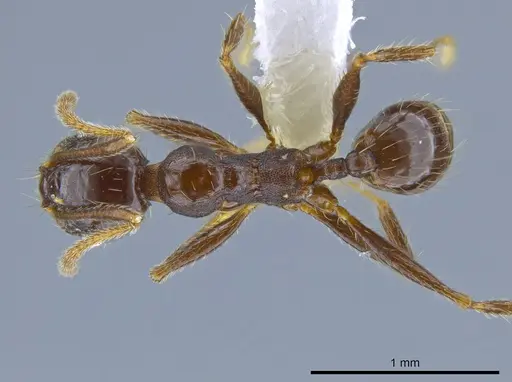
CASENT0635491
View on AntWeb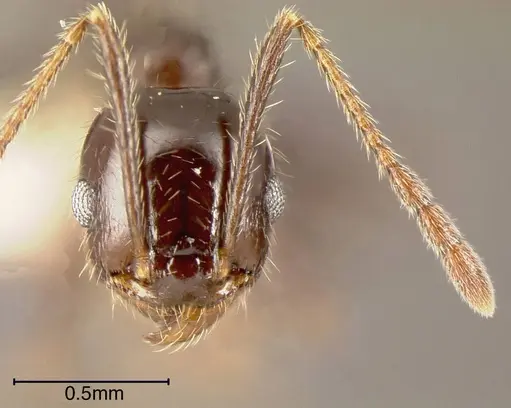
CASENT0636486
View on AntWeb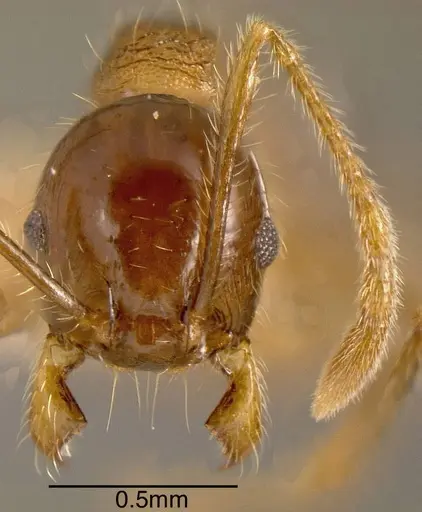
CASENT0636487
View on AntWeb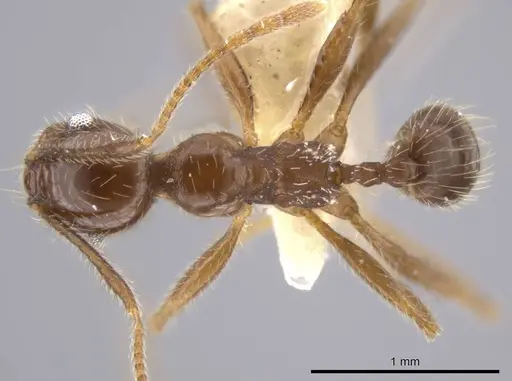
CASENT0901555
View on AntWeb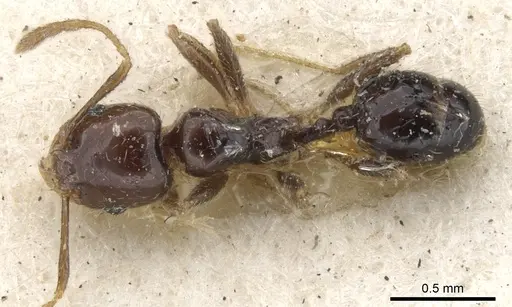
CASENT0901556
View on AntWeb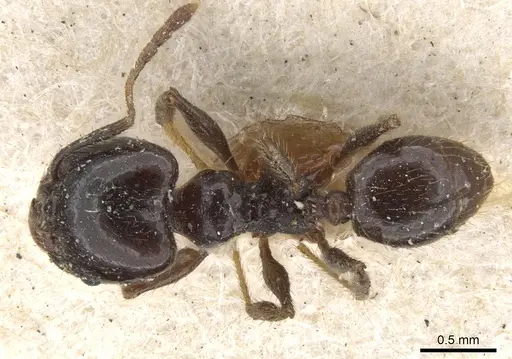
INBIOCRI002279444
View on AntWeb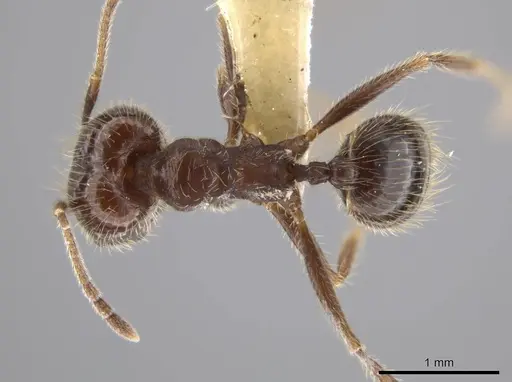
INBIOCRI002279445
View on AntWeb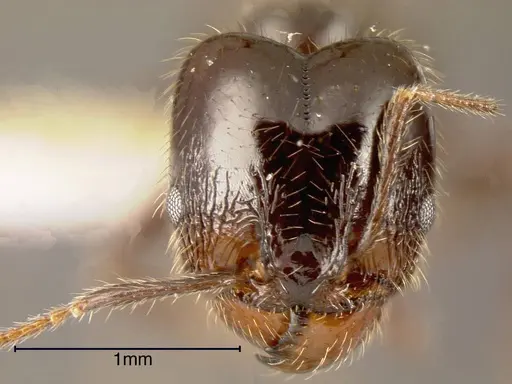
INBIOCRI002279449
View on AntWeb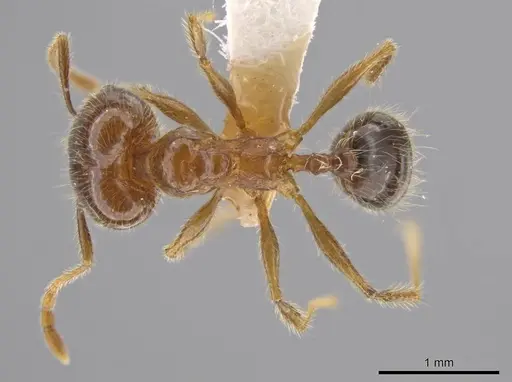
JTLC000007121
View on AntWeb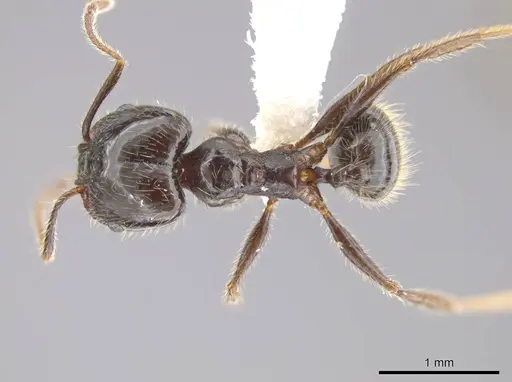
JTLC000007122
View on AntWeb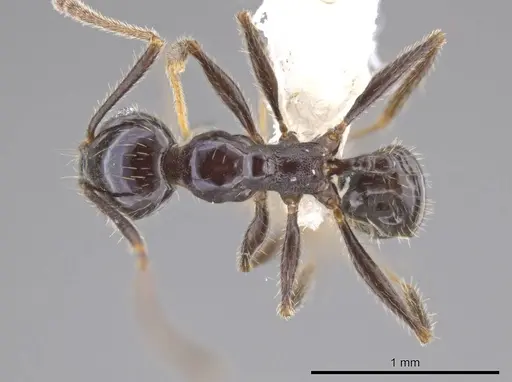
JTLC000007344
View on AntWeb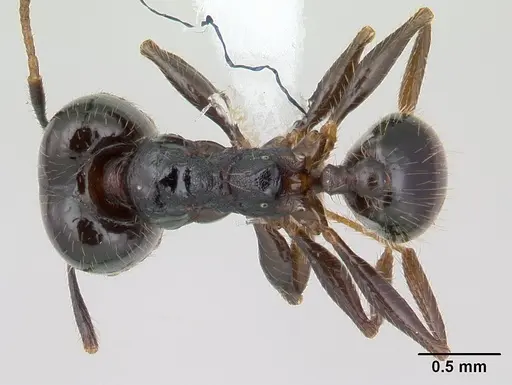
JTLC000007345
View on AntWeb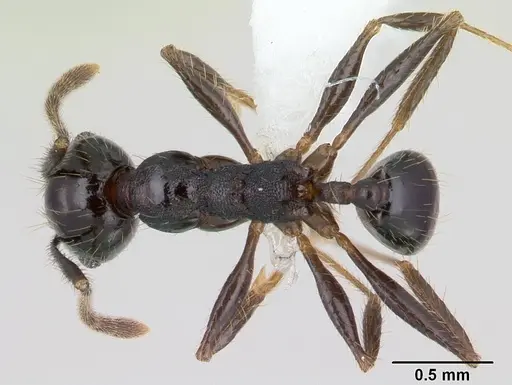
Literature
Loading distribution map...Loading products...