
Pheidole innupta
- Sci. Name
- Pheidole innupta
- Tribe
- Attini
- Subfamily
- Myrmicinae
- Author
- Menozzi, 1931
- Distribution
- Found in 2 countries
Introduction
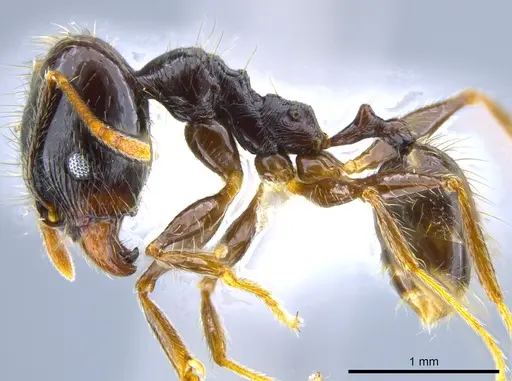
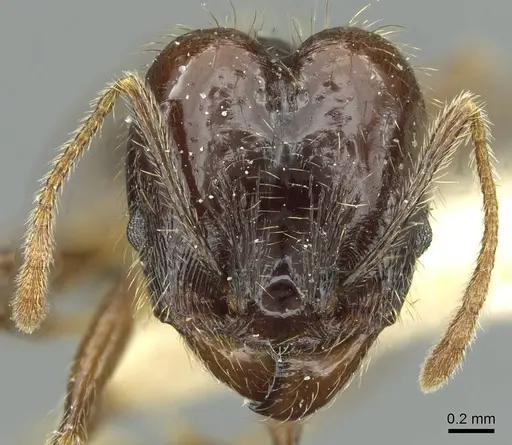
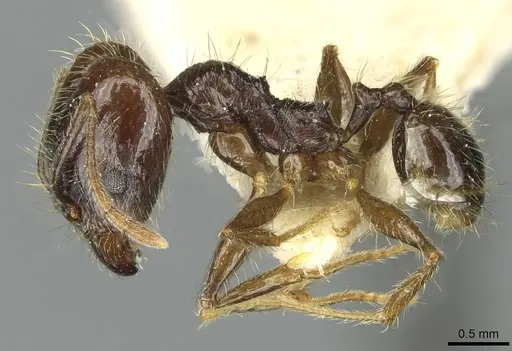
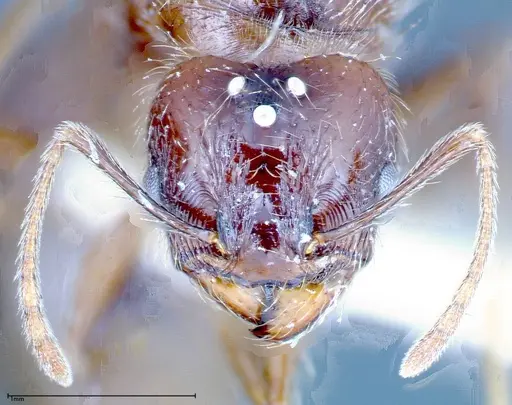
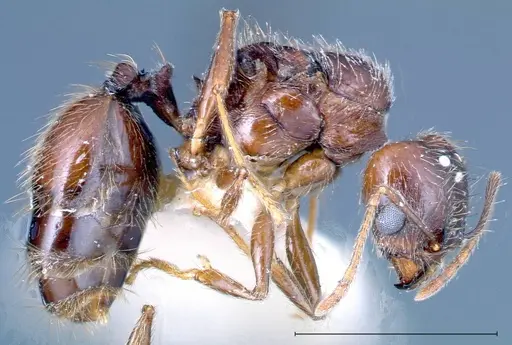
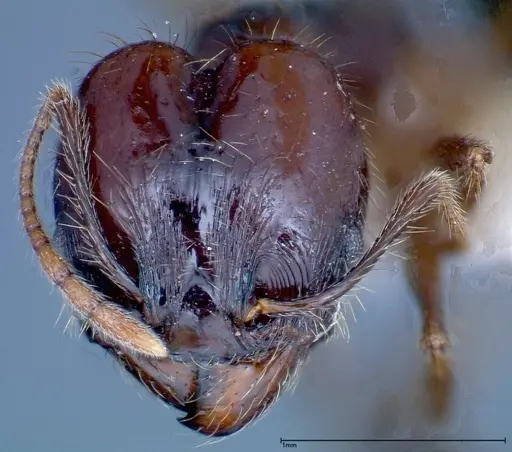
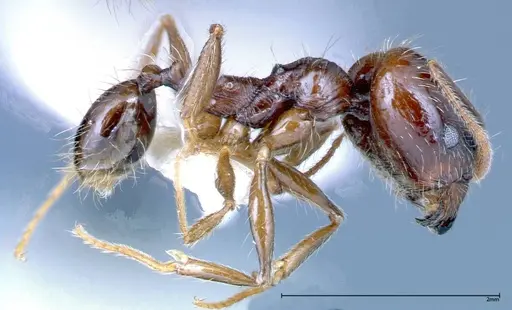
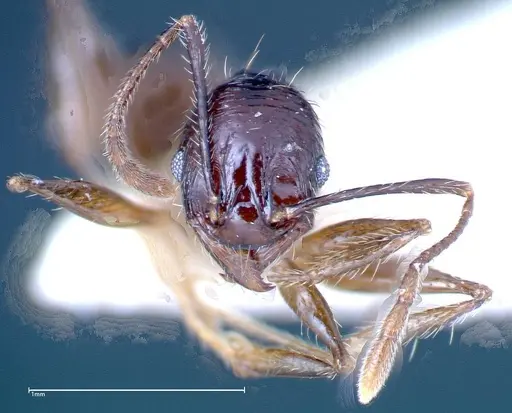
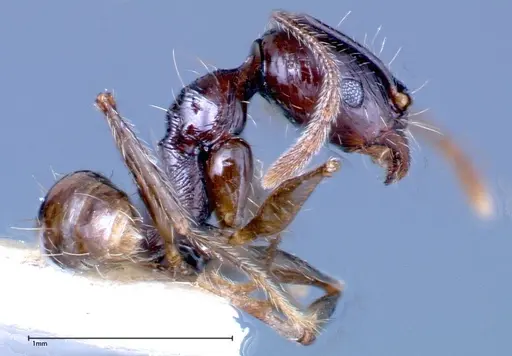
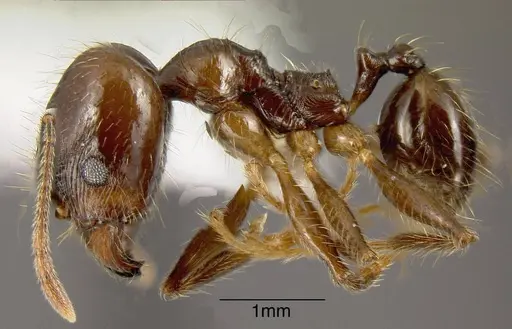
Pheidole innupta is an ant species native to the cloud forests of Costa Rica and Peru . Workers are dark brown to black, and colonies have two castes: smaller minor workers and larger major workers called soldiers . This species nests in large epiphyte mats in the canopy or occasionally in dead wood near ground level . Colonies are large, with many workers that emerge when the nest is disturbed, while soldiers stay deep inside . What makes this species unusual is that foragers have never been seen outside the nest, they may forage at night or rely on food sources like mealybugs inside their nests .
Quick Summary
- Difficulty: Expert
- Origin & Habitat: Cloud forests of Costa Rica and Peru, at elevations between 1100m and 2000m [2][1]. Nests in epiphyte mats in the canopy or in dead wood [2][3].
- Colony Type: Multi-queen colonies with pleometrosis, groups of over five queens have been observed together with brood and small workers [2][3].
- Size & Growth:
- Queen: Size data unavailable, no total length measurements in literature
- Worker: Size data unavailable, no total length measurements in literature
- Colony: Large colonies with many workers [2]
- Growth: Unknown
- Development: Unknown, no direct studies. Based on typical Pheidole patterns, development may take 6-10 weeks at optimal temperature, but this is unconfirmed. (Development timeline has not been studied for this species.)
- Antkeeping:
- Temperature: No direct studies, but cloud forest habitat suggests cooler temperatures. Aim for roughly 18-24°C, starting around 20-22°C and observing colony activity [2].
- Humidity: Keep nest substrate consistently moist but not waterlogged, as cloud forests are humid [2].
- Diapause: Unknown, no studies on seasonal behavior [2].
- Nesting: Arboreal species, use naturalistic setups mimicking epiphyte mats, such as Y-tong nests with high humidity chambers or moss-based materials [2][3].
- Behavior: Cryptic behavior, foragers have never been observed outside the nest [2]. Colonies are defensive when disturbed, with many workers emerging. Soldiers stay deep inside. Escape risk is moderate due to small worker size, use standard escape prevention.
- Common Issues: feeding is challenging, no documented diet in captivity, foraging behavior is unknown, ants may not take exposed food, high humidity can cause mold if ventilation is poor, pleometrosis means multiple queens may be needed, unknown if single queens thrive, cool temperature needs may be hard to maintain in typical homes
Nest Preferences and Housing
You need to set up an arboreal nest for Pheidole innupta since they naturally live in epiphyte mats in the canopy [2]. Use naturalistic setups with moist moss or epiphyte material to mimic their habitat. Y-tong nests with high humidity chambers work well, but avoid dry test tube arrangements [2][3]. The nest should have multiple chambers because soldiers stay deep inside while minor workers move around [2]. Escape prevention is important due to small worker size, but not extreme.
Feeding and Diet
Feeding is the biggest challenge, their diet is completely unknown, and foragers have never been seen outside nests [2][3]. You should try offering sugar water, small live prey, or include mealybugs in the setup, as they may tend them for honeydew [2]. Be prepared to experiment, as acceptance is uncertain.
Temperature and Humidity
As a cloud forest species, Pheidole innupta likely prefers cooler conditions than typical tropical ants. Aim for temperatures around 18-24°C, starting at 20-22°C and adjusting based on colony activity [2]. Keep the nest substrate moist but not waterlogged, with good ventilation to prevent mold [2].
Colony Structure and Multi-Queen Care
Pleometrosis has been observed in the wild, meaning multiple queens can found colonies together [2][3]. You may need to keep multiple queens for the colony to thrive, but monitor for aggression. Soldiers stay deep inside and emerge only when threatened [2].
Behavior and Observation
This species is extremely cryptic, foragers have never been seen outside nests in years of study [2]. They may forage at night or get food from inside the nest. When disturbed, many workers pour out defensively [2]. You will have a quiet colony, so this is not for those wanting active viewing.
Frequently Asked Questions
What do Pheidole innupta ants eat?
Their diet is unknown, foragers have never been observed outside nests. They may feed on honeydew from mealybugs inside their nests. In captivity, try sugar water, small prey, or include mealybugs in the setup [2].
How long does it take for Pheidole innupta to develop from egg to worker?
Unknown, no development studies exist. Based on typical Pheidole patterns, it may take 6-10 weeks at optimal temperature, but this is unconfirmed.
Can I keep multiple Pheidole innupta queens together?
Yes, pleometrosis has been documented in the wild, so colonies naturally have multiple queens. Monitor for aggression when introducing queens [2].
What temperature do Pheidole innupta ants need?
No specific studies, but as a cloud forest species, they likely prefer cooler temperatures around 18-24°C. Start at 20-22°C and observe [2].
Are Pheidole innupta good for beginners?
No, this is an expert-level species due to unknown feeding habits, high humidity needs, and cryptic behavior [2].
What kind of nest should I use for Pheidole innupta?
Use a naturalistic setup with moist moss or epiphyte material to mimic their habitat. Y-tong nests with high humidity chambers work well. Avoid dry test tubes [2][3].
How big do Pheidole innupta colonies get?
Colonies are large with many workers [2]. Exact size is unknown.
Do Pheidole innupta need hibernation?
Unknown, no studies on seasonal behavior exist [2].
Why can't I see my Pheidole innupta ants foraging?
This is normal, foragers have never been observed outside nests in the wild. They may forage at night or get food from inside the nest [2].
Report an Issue
The current care sheet is based fully on literature. See inconsistencies, or something that's incorrect? Please , it will be resolved after review from an admin. Contributing to the blogs tab also helps providing information, to make us be able to further improve the caresheets. Thank you for your support!
References

This caresheet is licensed under CC BY-SA 4.0 .
Community Blogs
CASENT0635479
View on AntWeb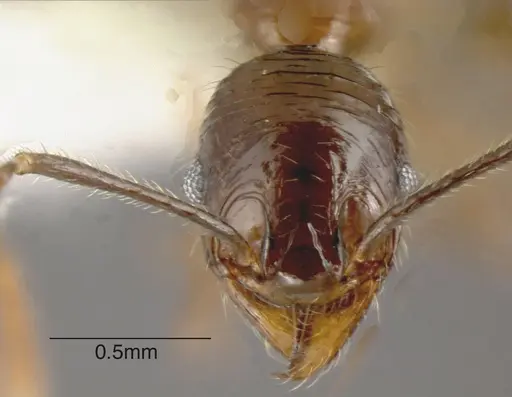
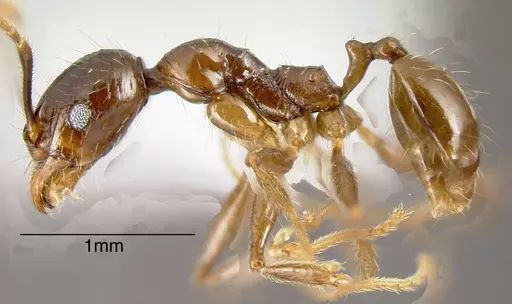
CASENT0637154
View on AntWeb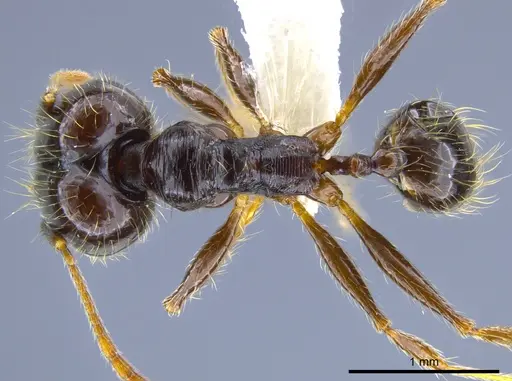
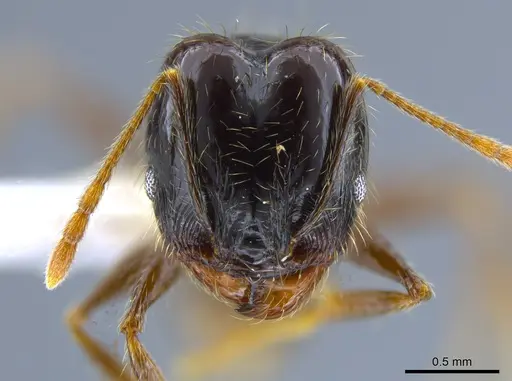
CASENT0913343
View on AntWeb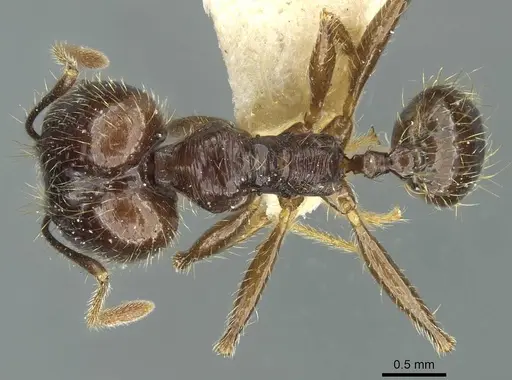
FOCOL0253-1
View on AntWeb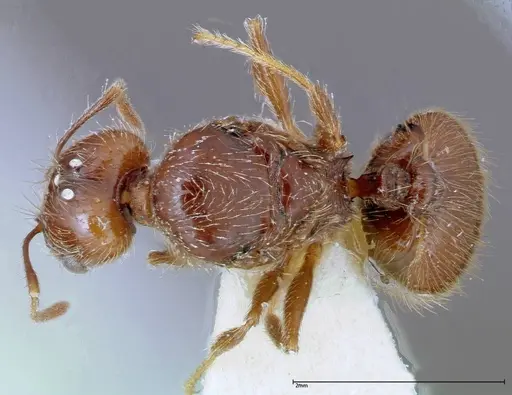
FOCOL0253-2
View on AntWeb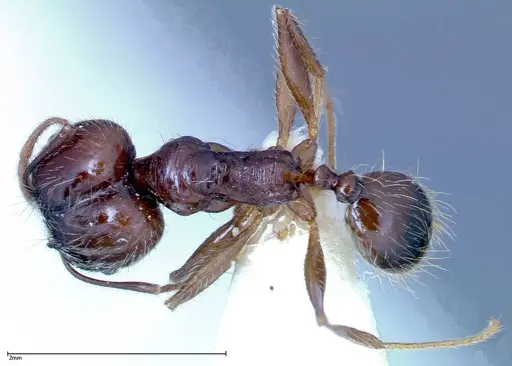
FOCOL0253-3
View on AntWeb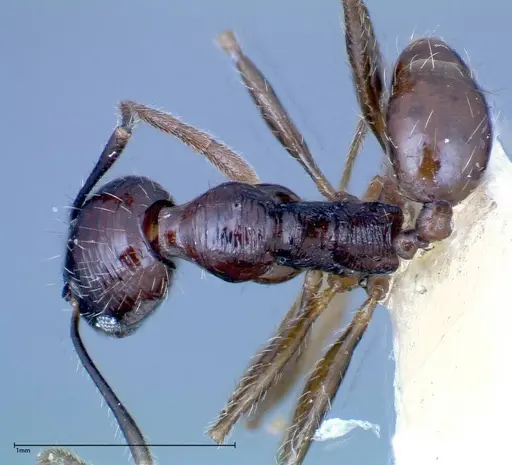
JTLC000001496
View on AntWeb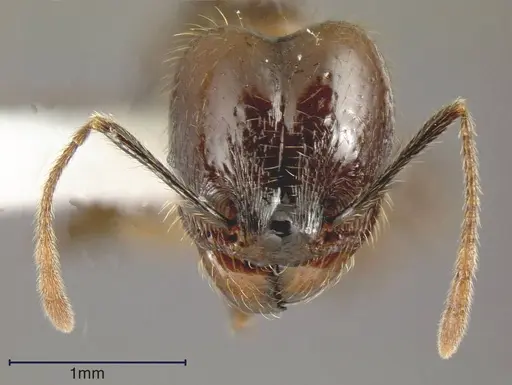
Literature
Loading distribution map...Loading products...