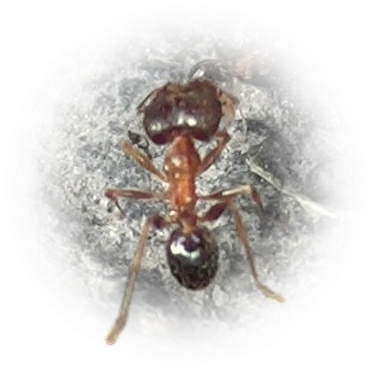
Indian Big-headed Ant
Pheidole indica
- Sci. Name
- Pheidole indica
- Tribe
- Attini
- Subfamily
- Myrmicinae
- Author
- Mayr, 1879
- Common Name
- Indian Big-headed Ant
- Distribution
- Found in 4 countries
Introduction
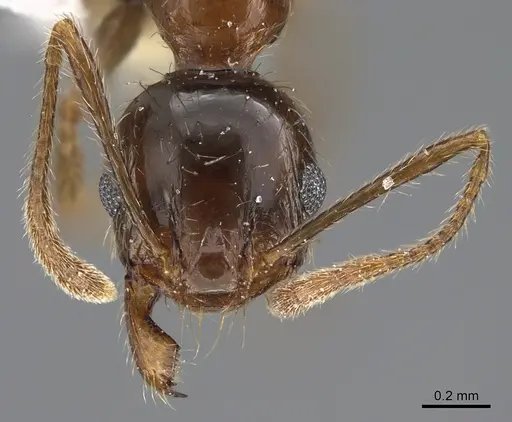
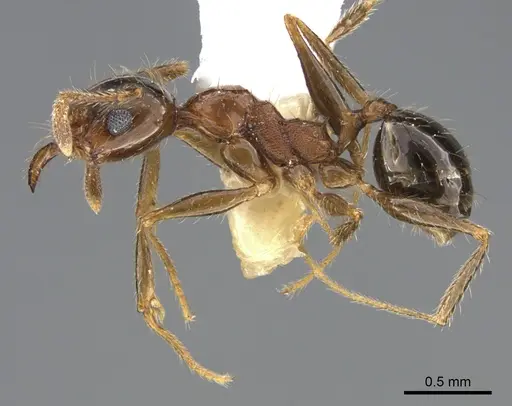
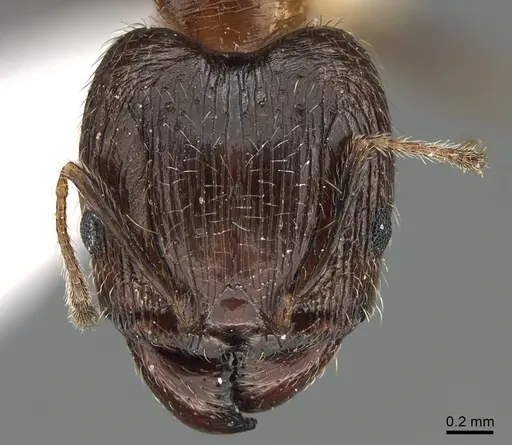
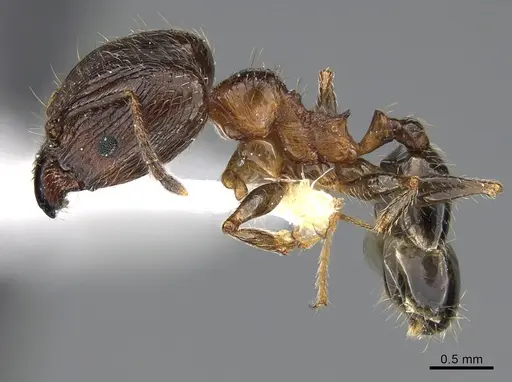
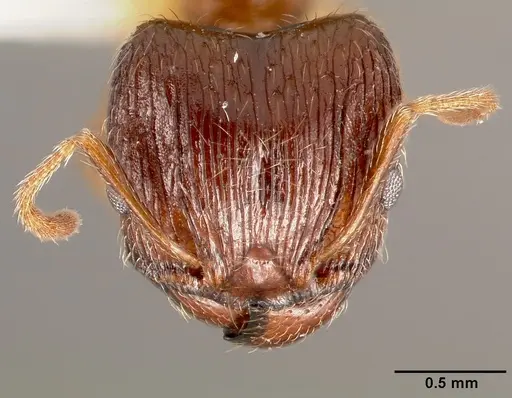
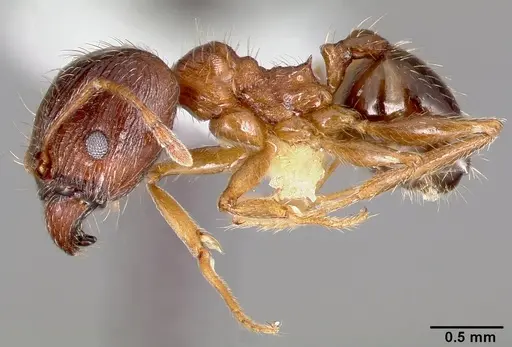
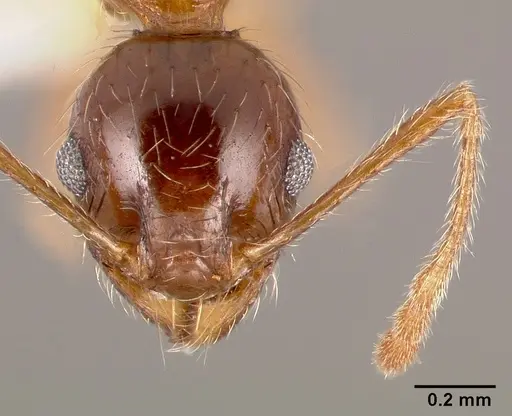
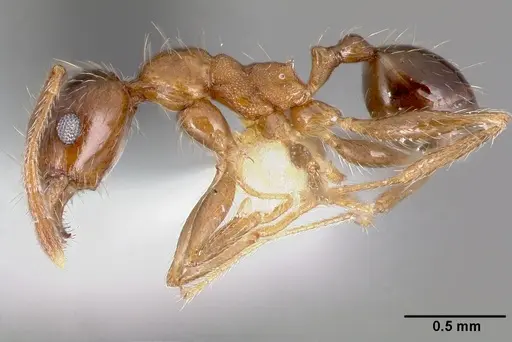
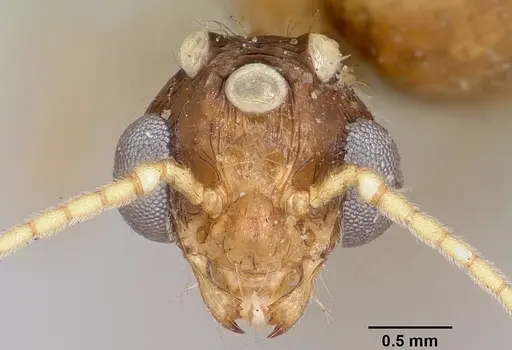
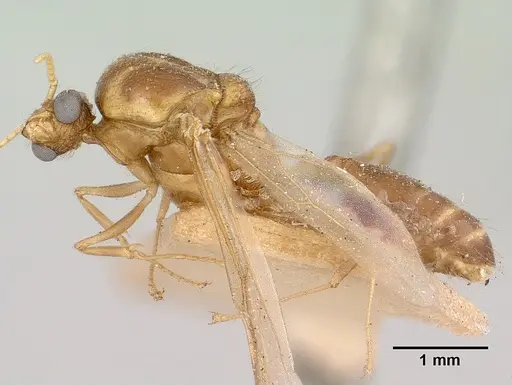
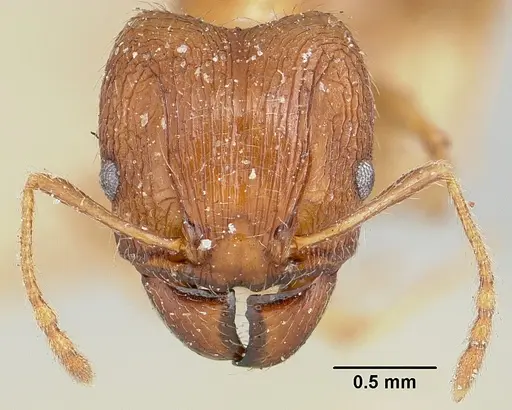
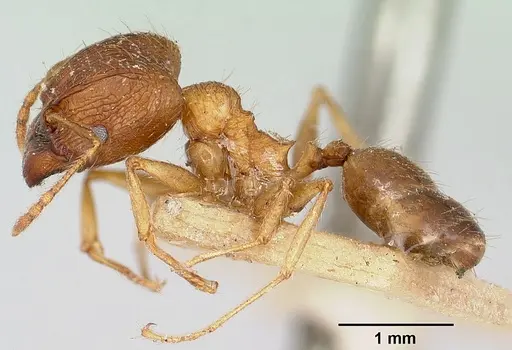
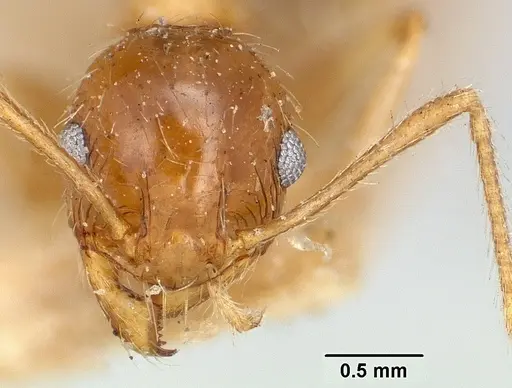
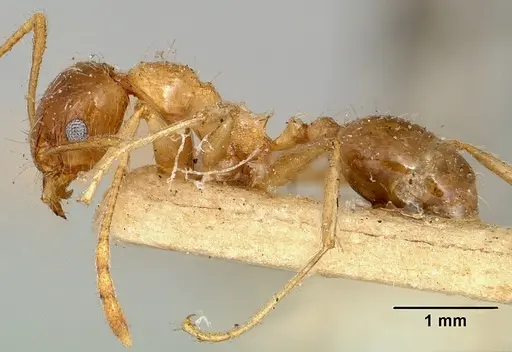
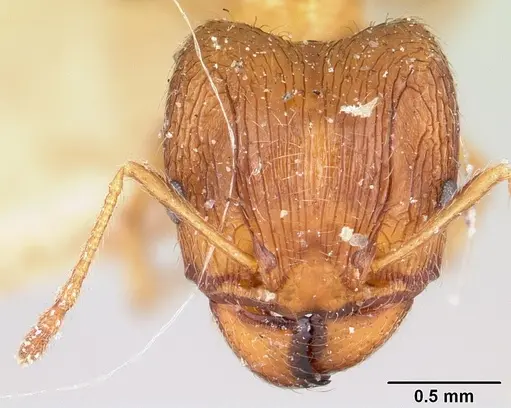
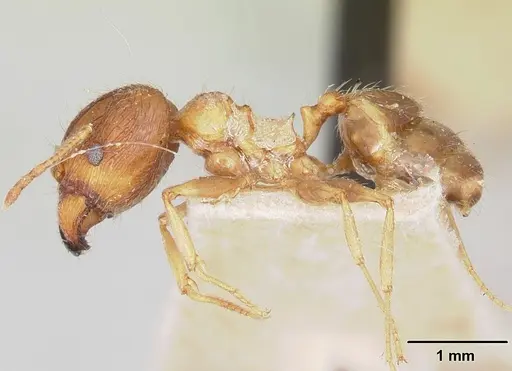
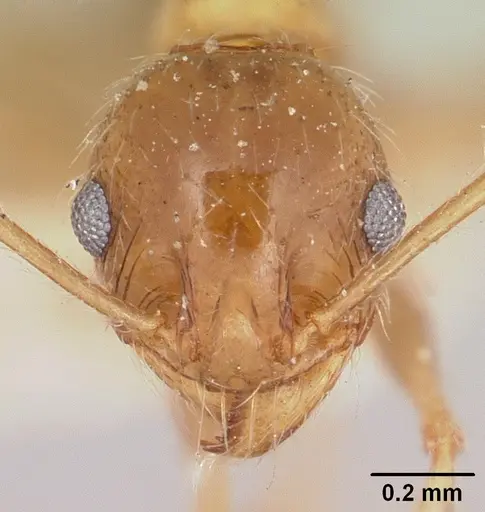
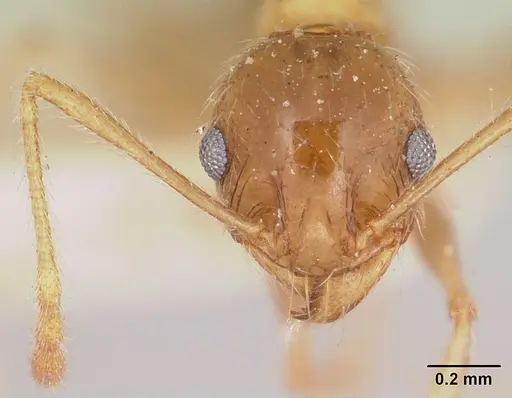
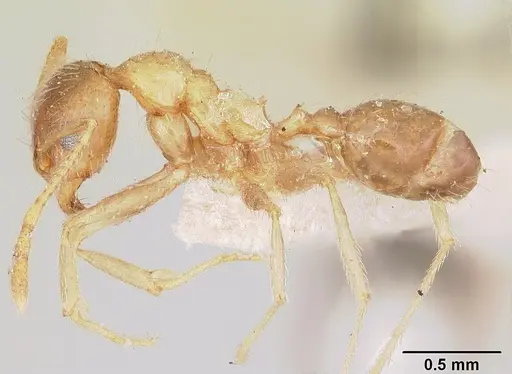
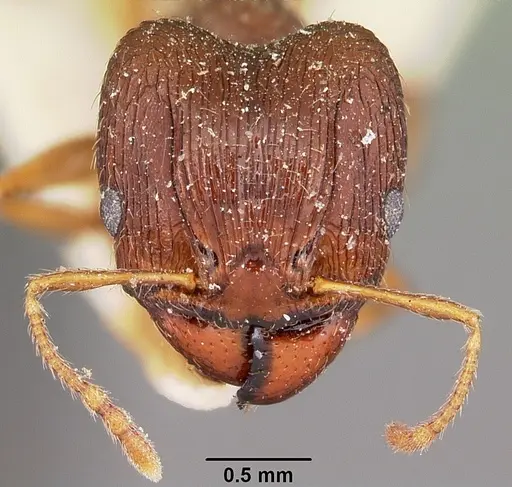
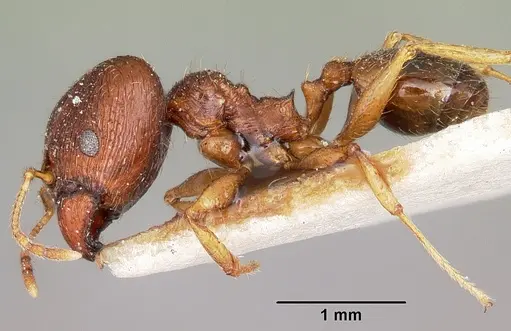
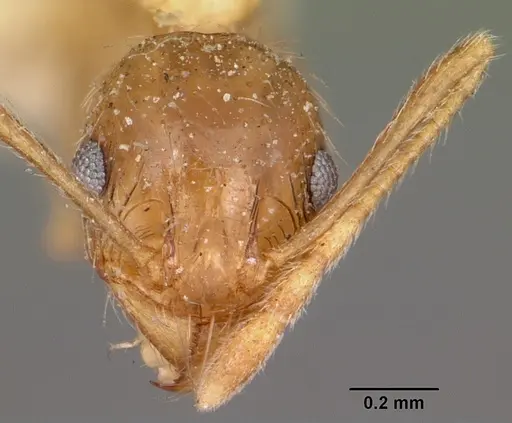
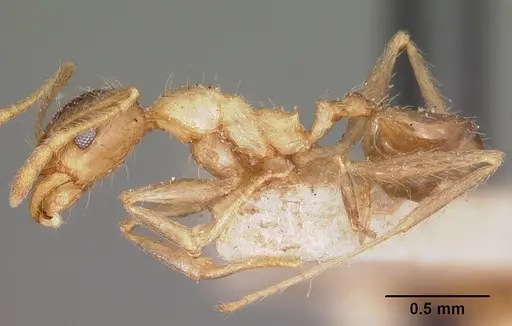
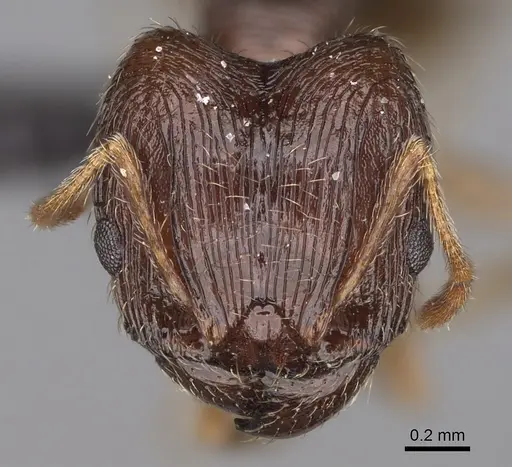
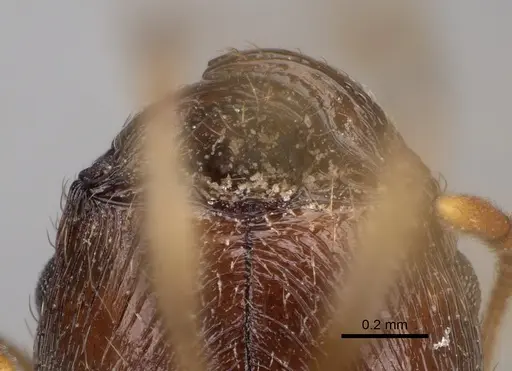
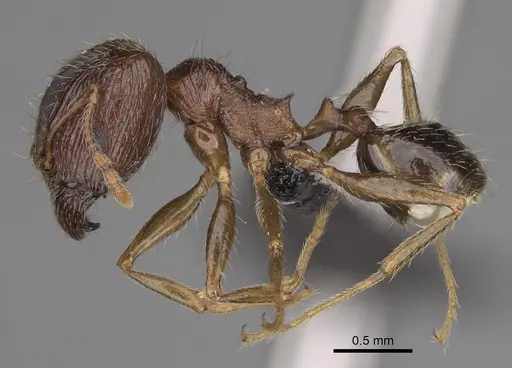
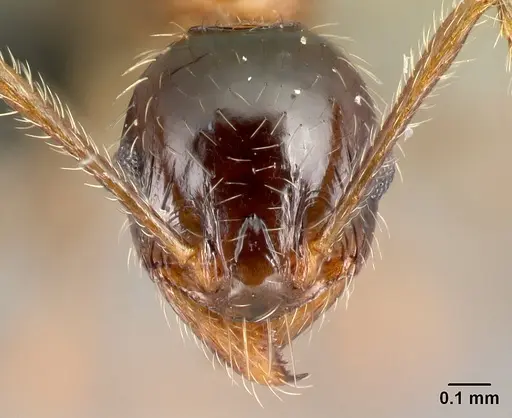
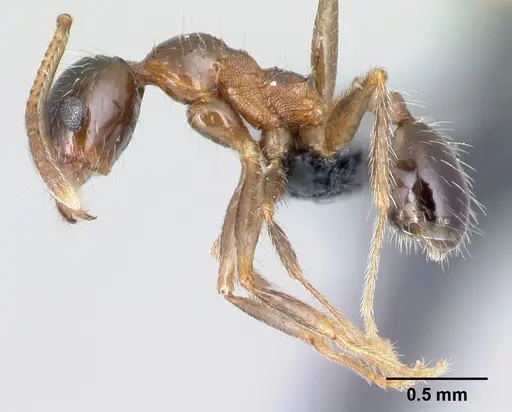
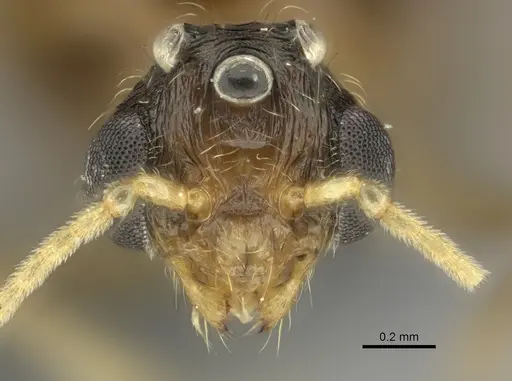
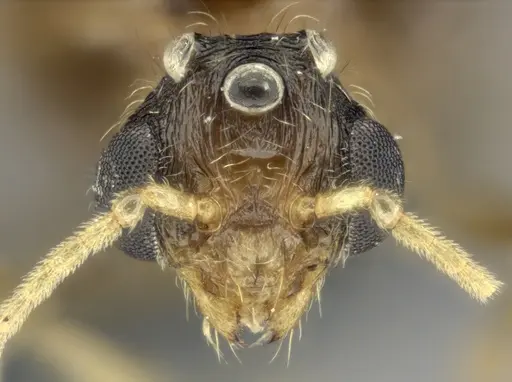
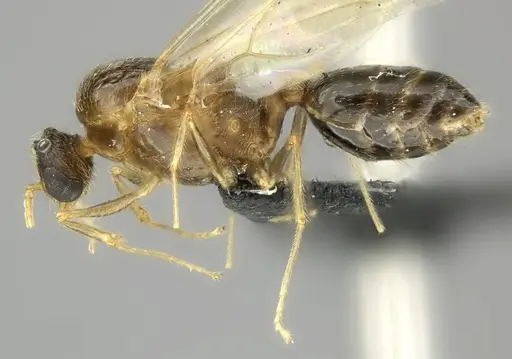
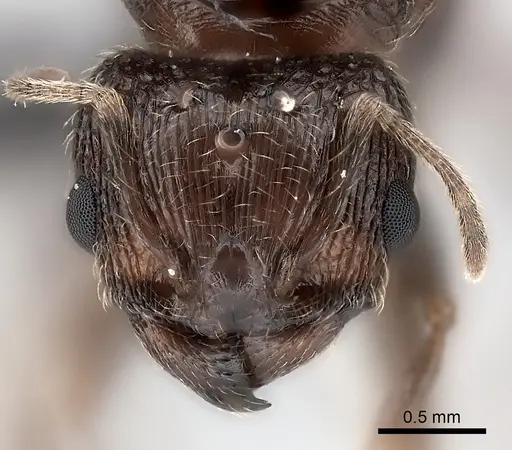
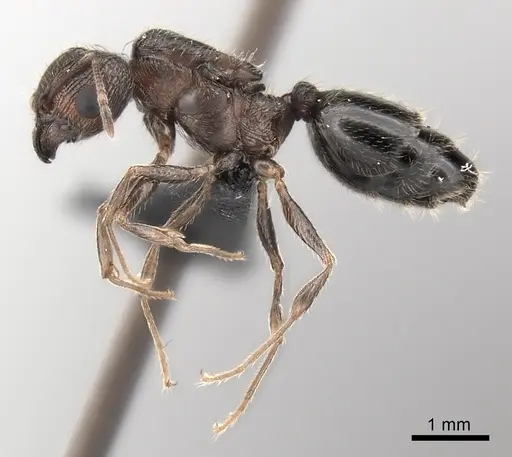
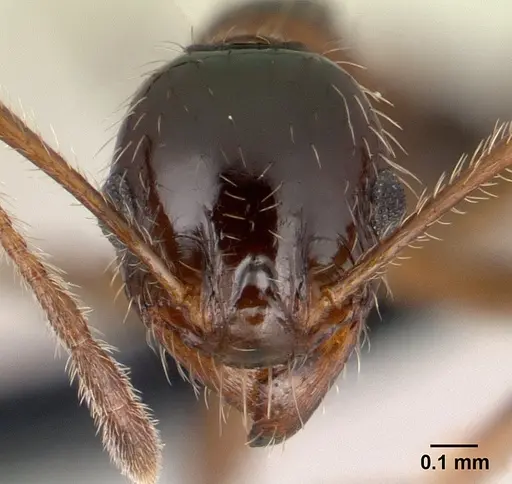
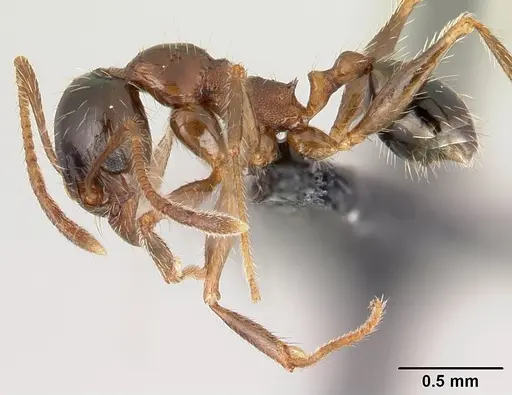
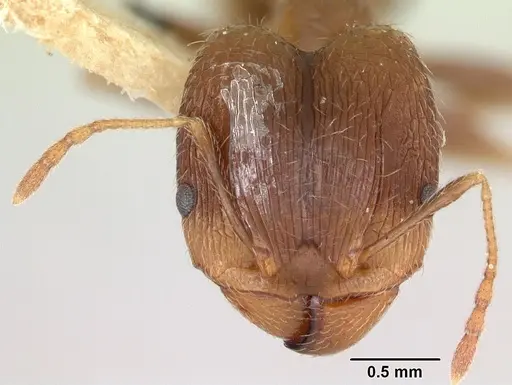
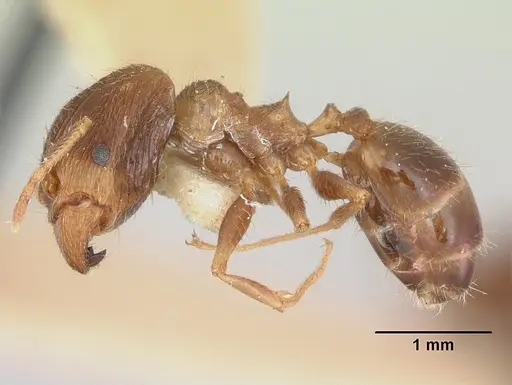
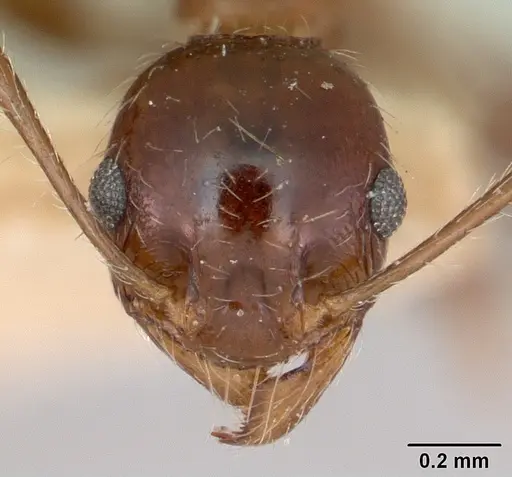
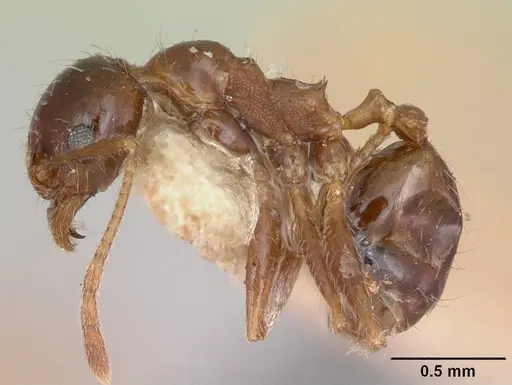
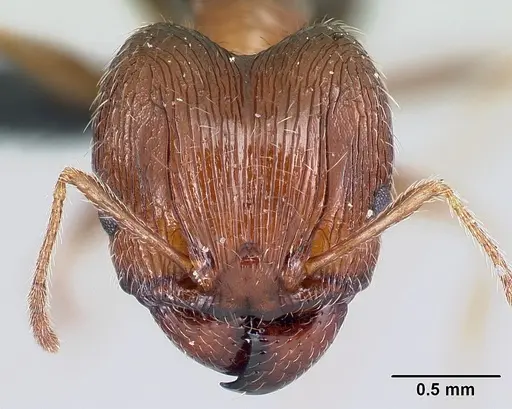
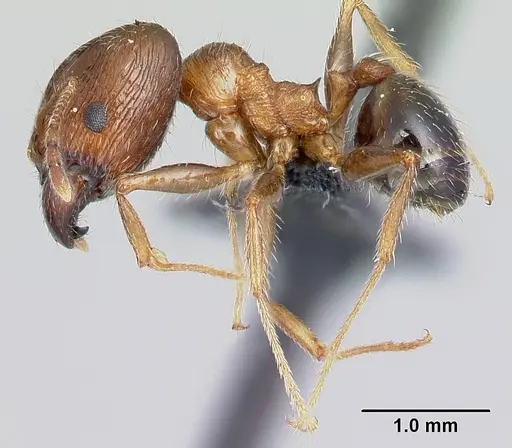
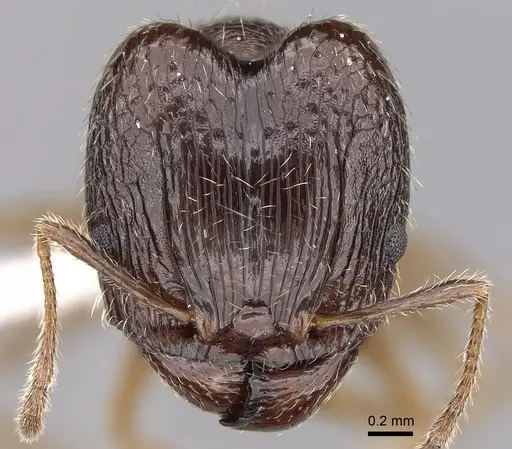
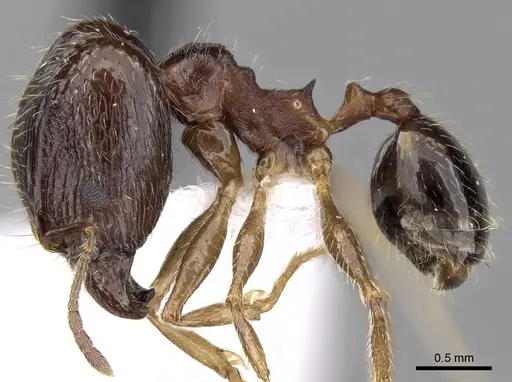
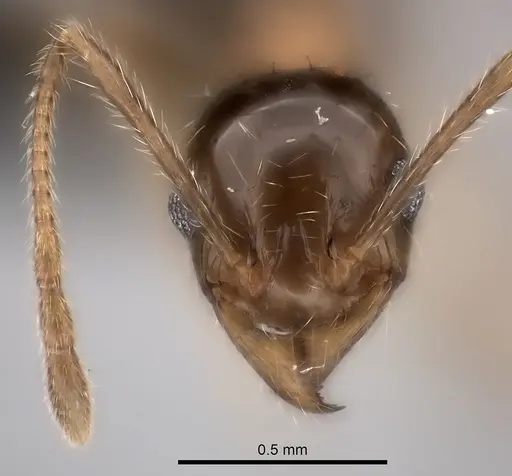
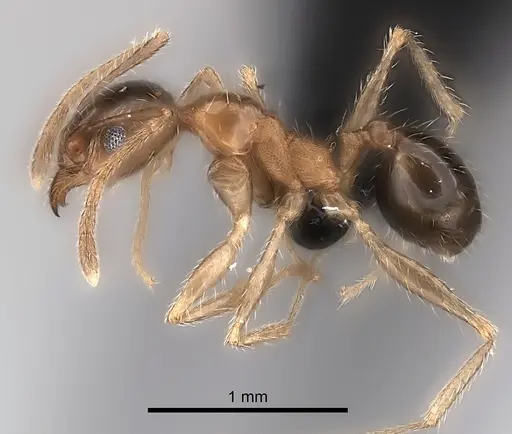
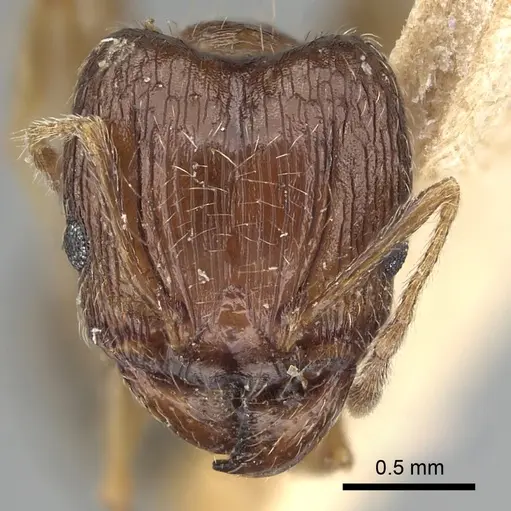
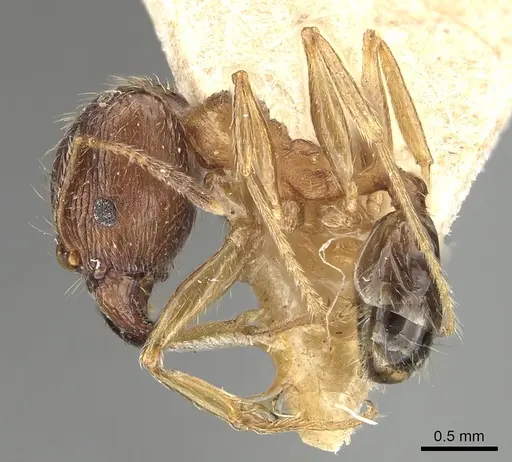
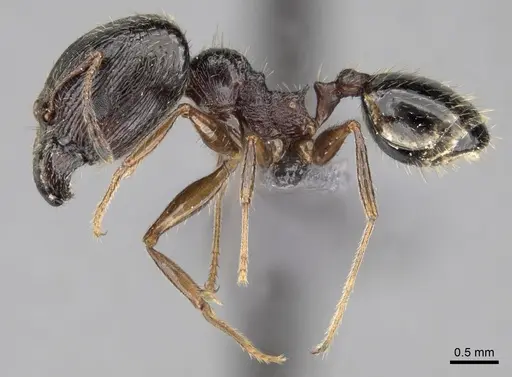
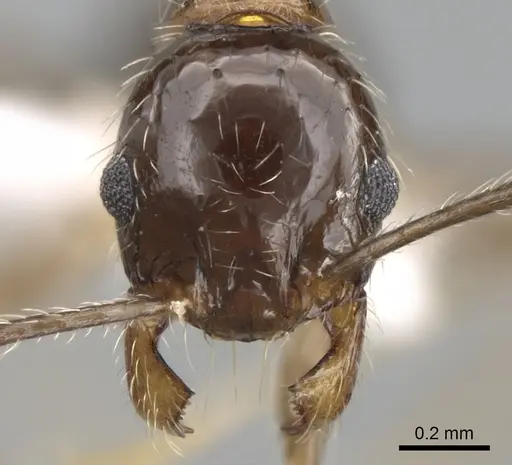
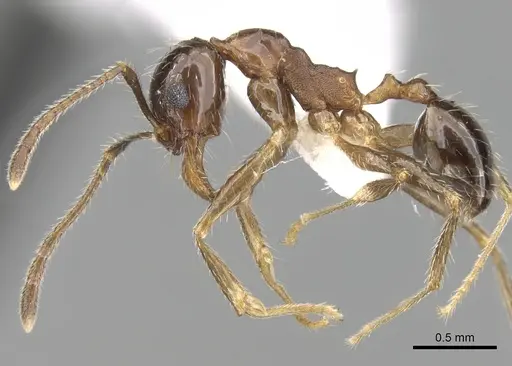
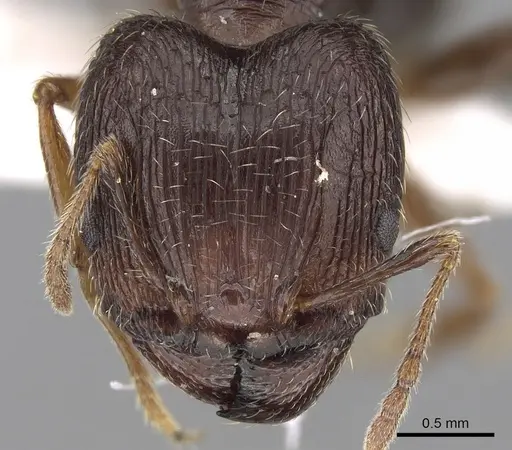
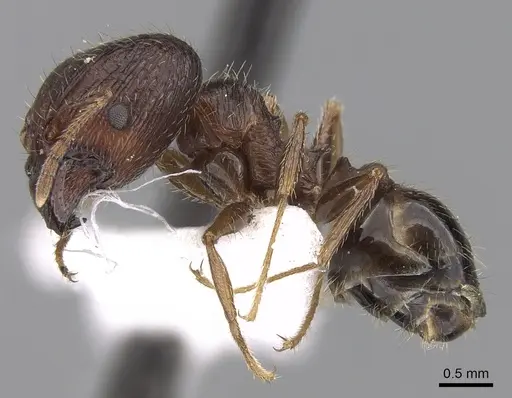
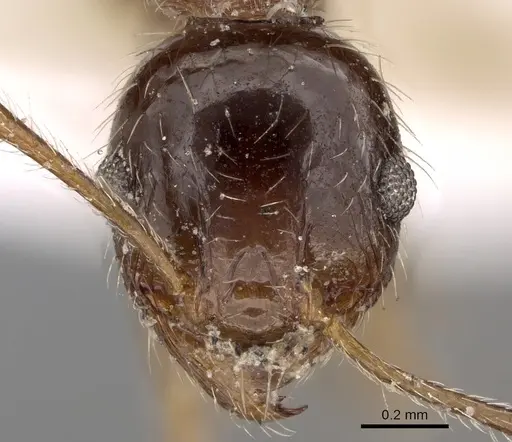
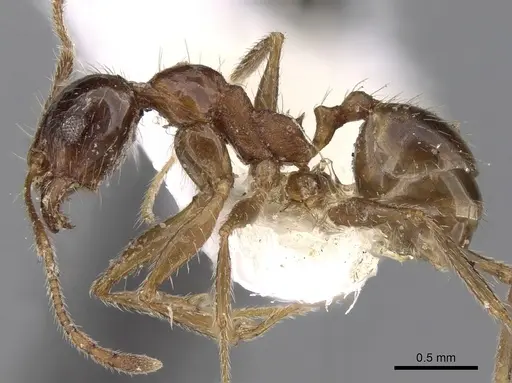
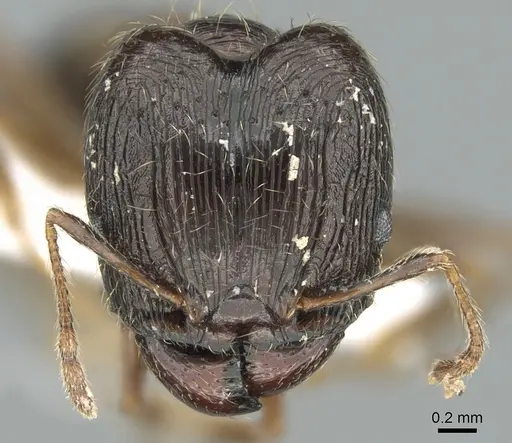
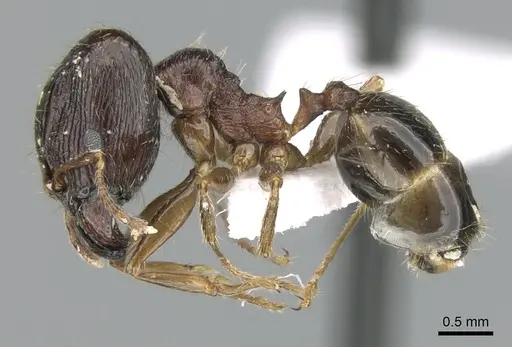
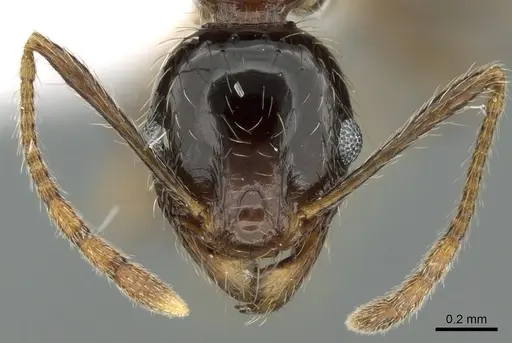
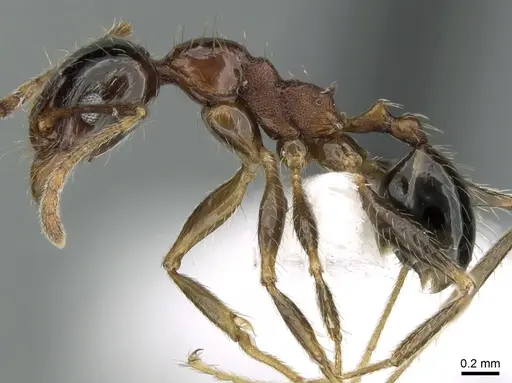
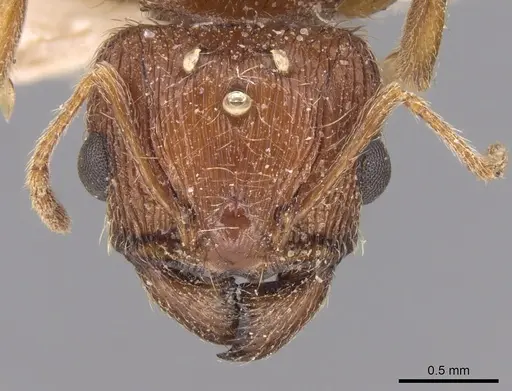
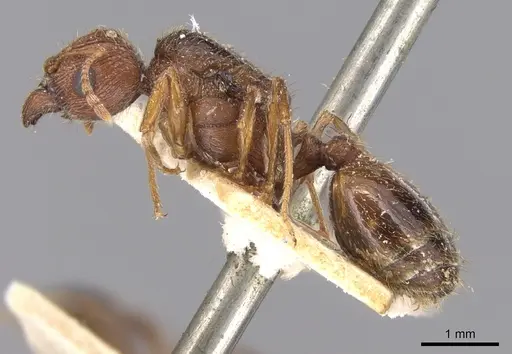
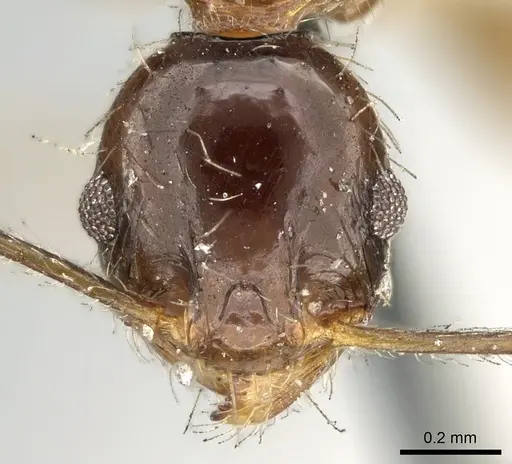
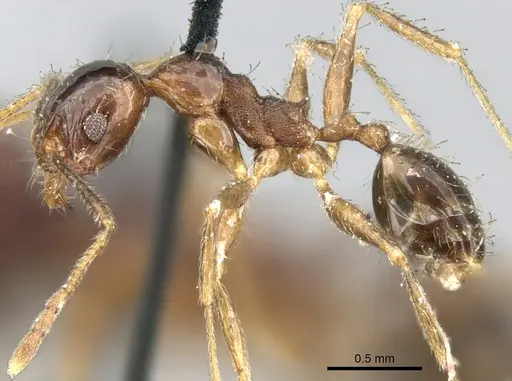
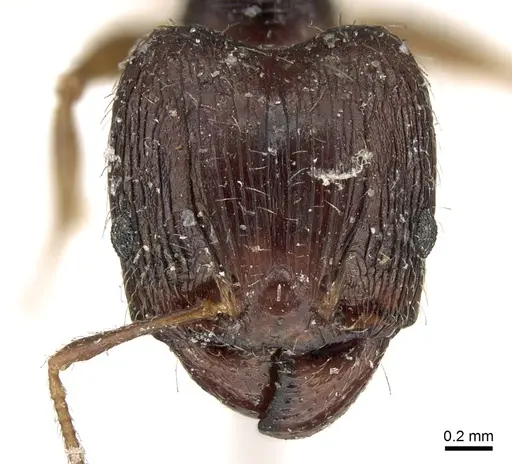
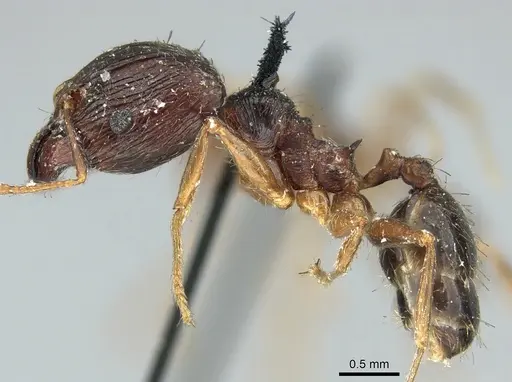
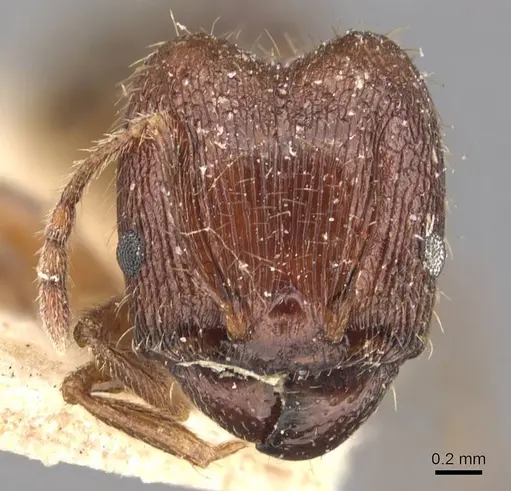
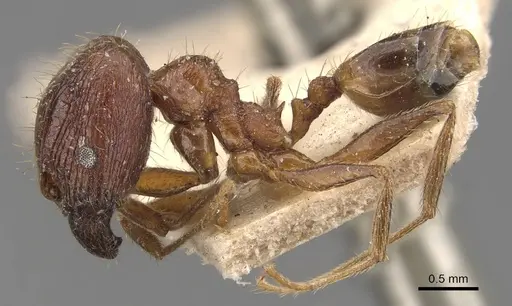
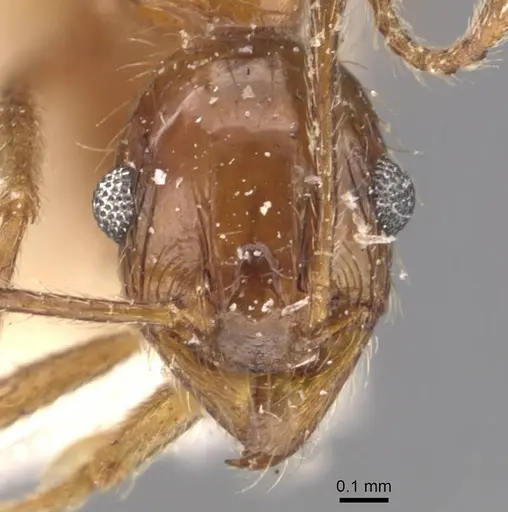
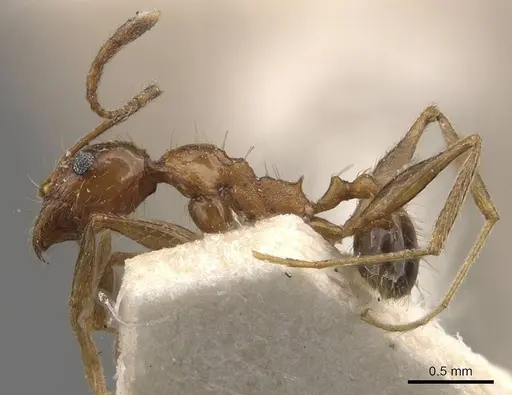
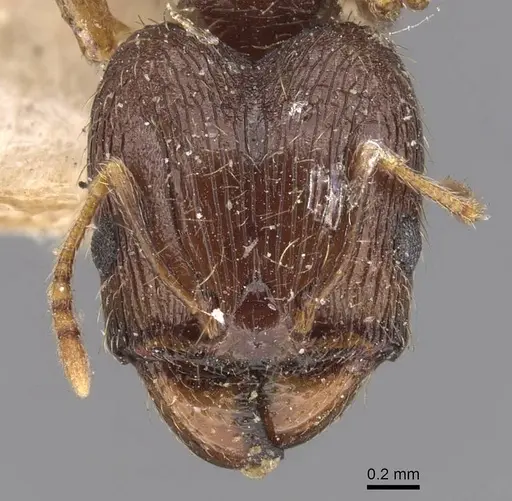
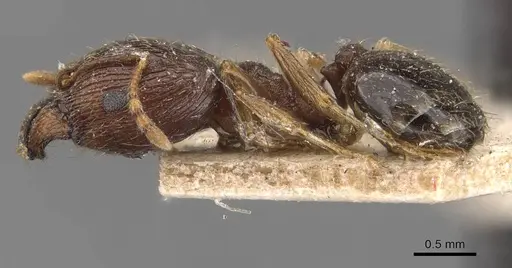
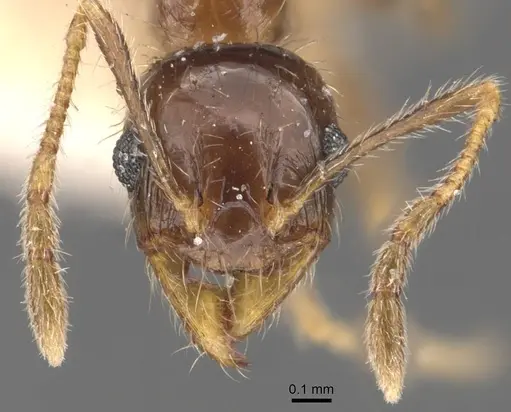
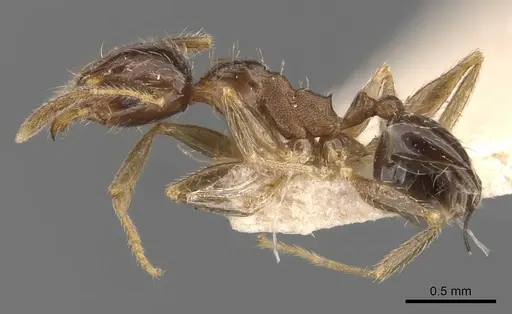
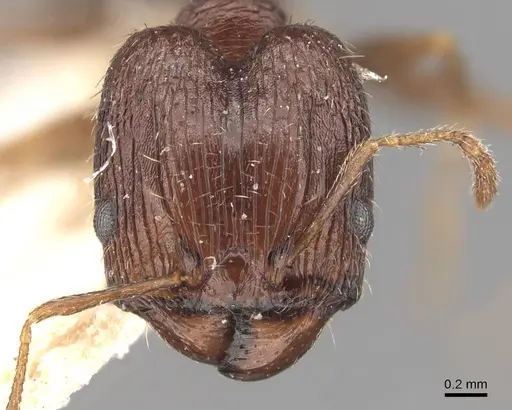
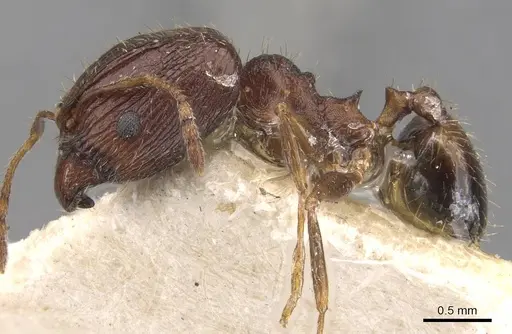
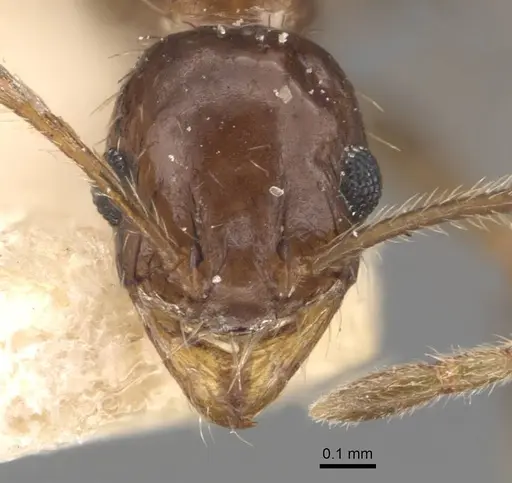
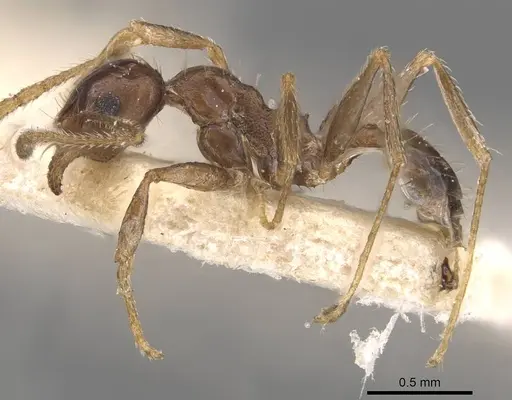
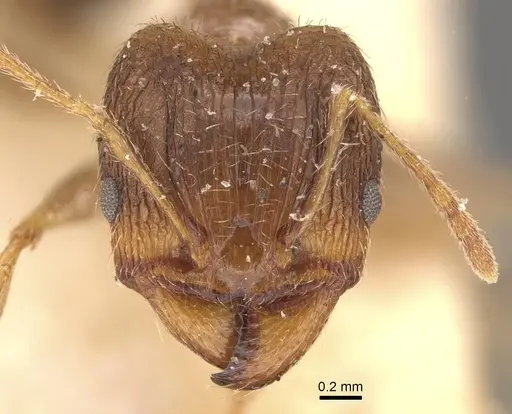
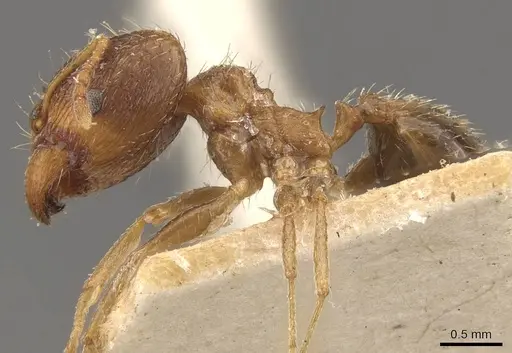
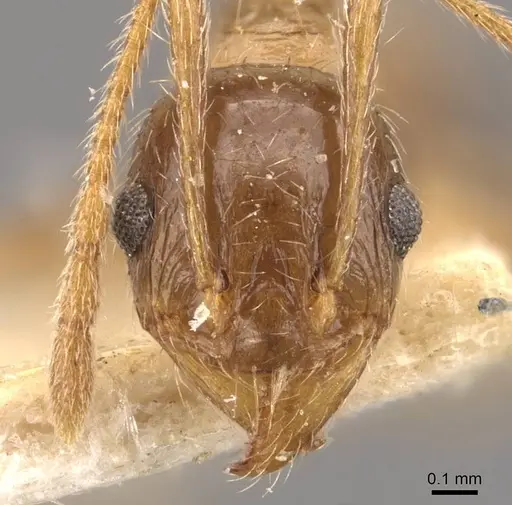
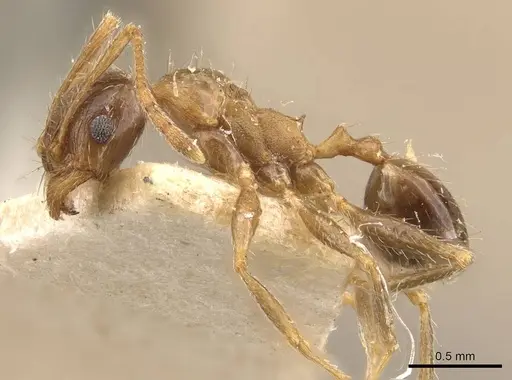
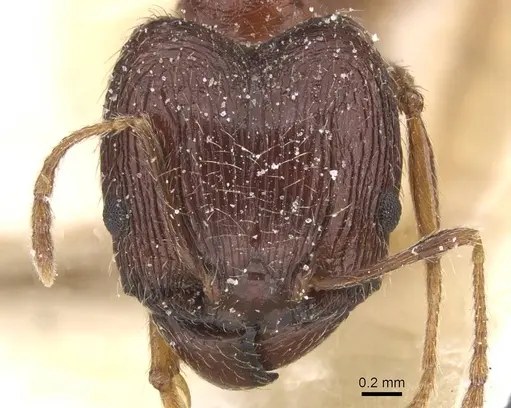
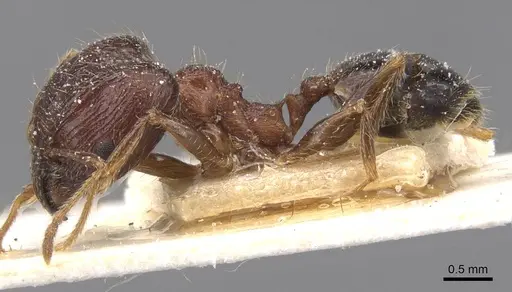
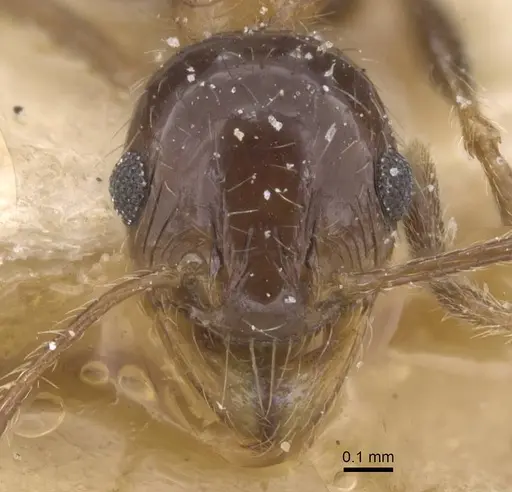
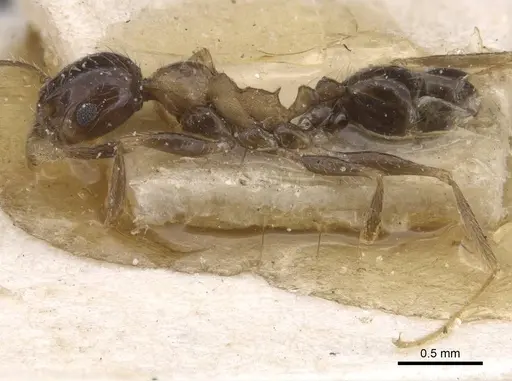
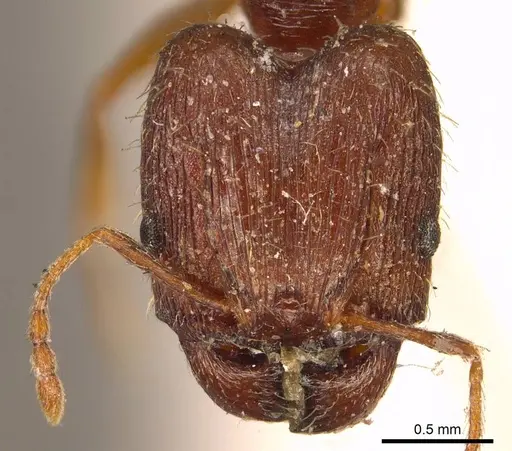
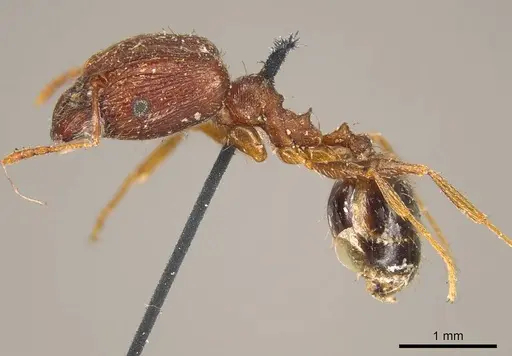
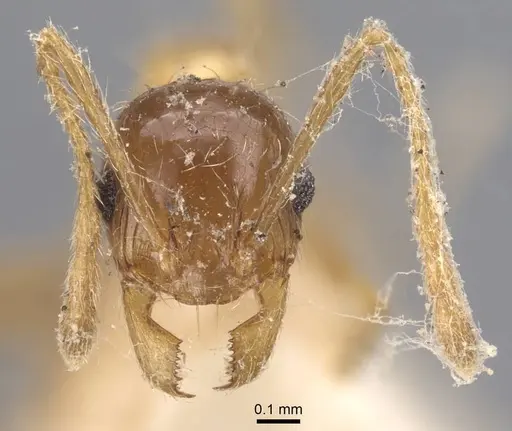
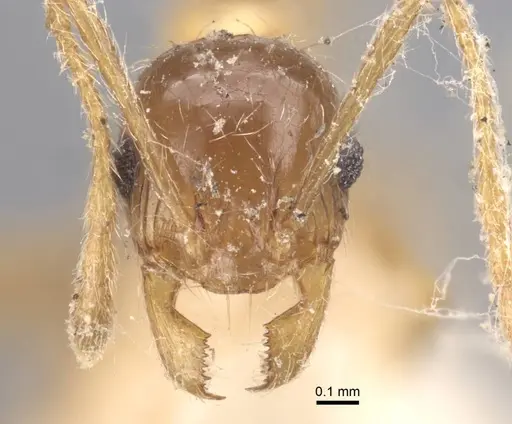
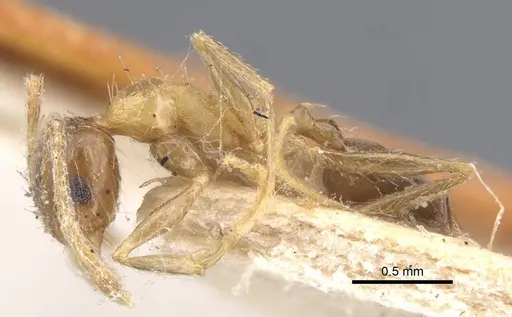
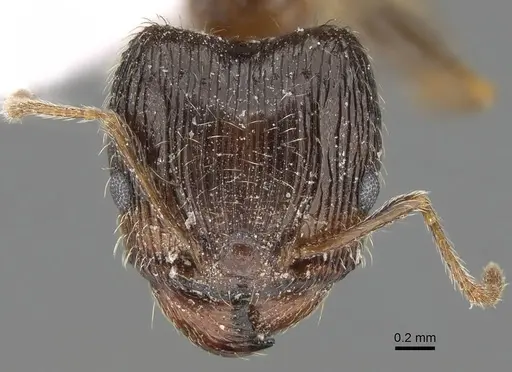
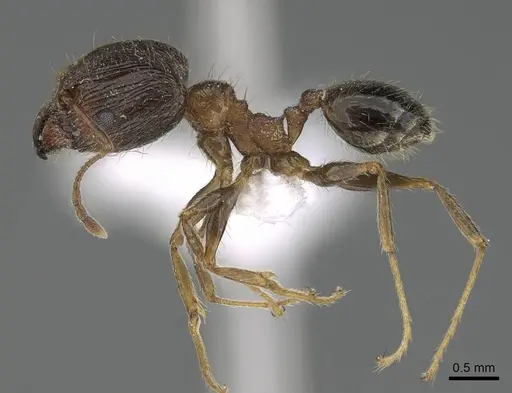
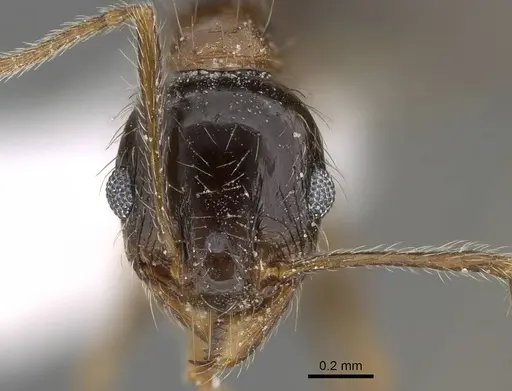
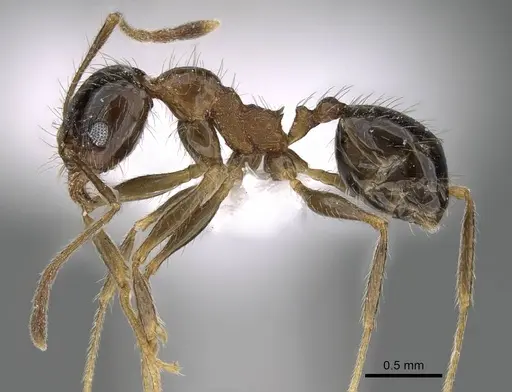
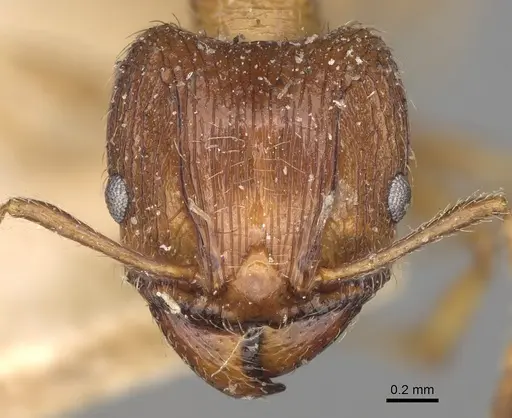
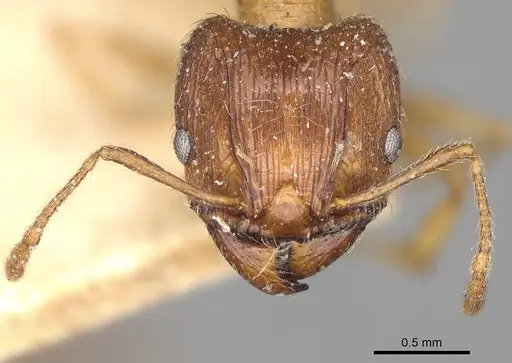
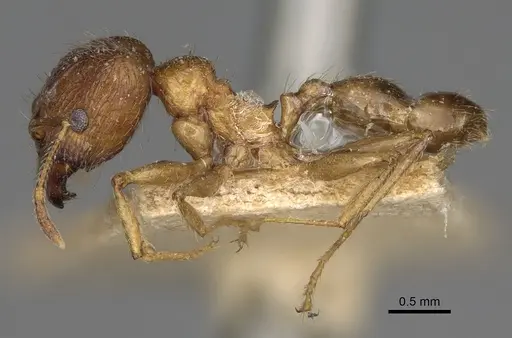
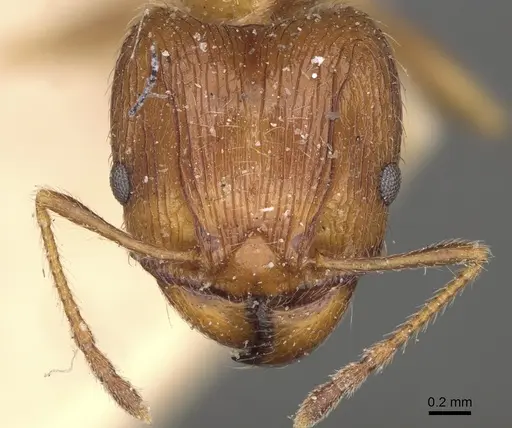
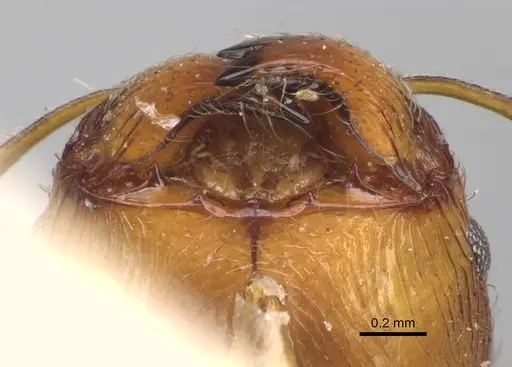
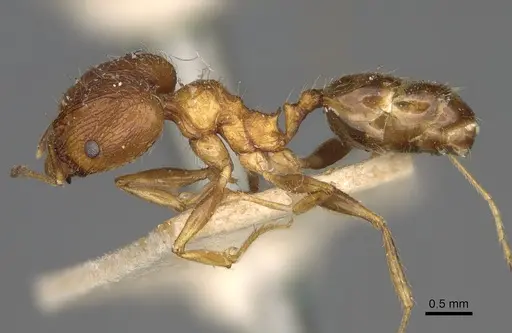
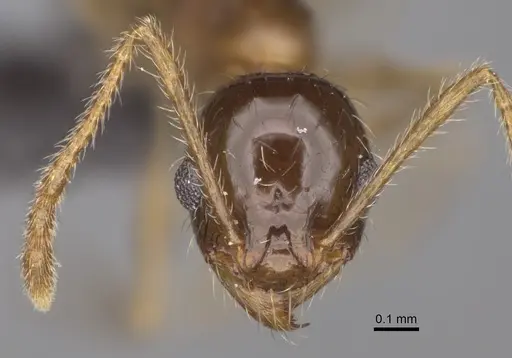
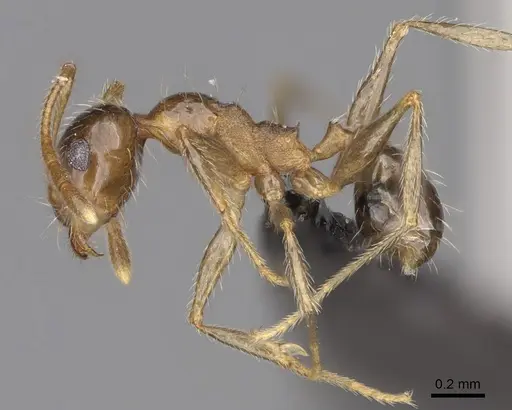
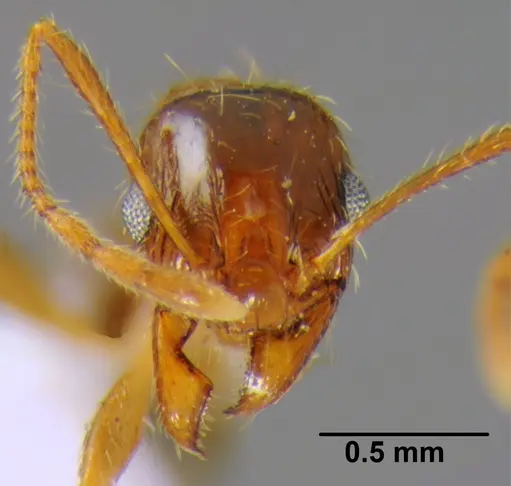
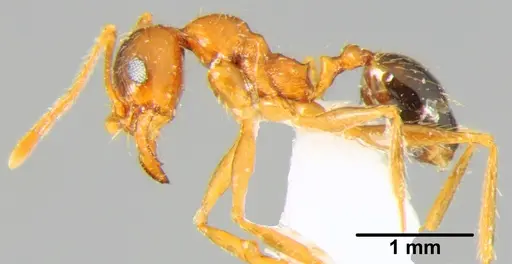
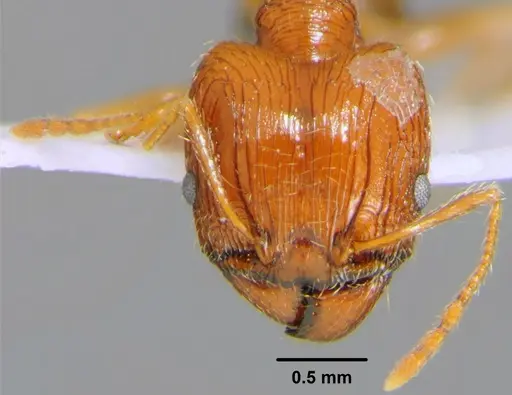
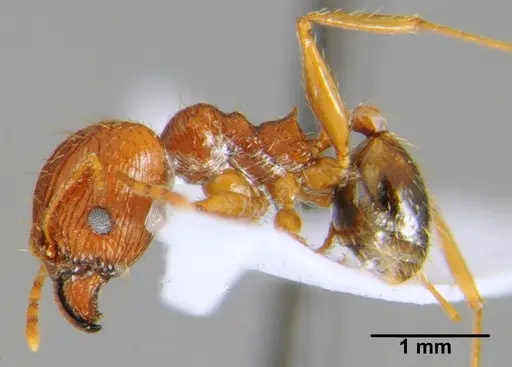
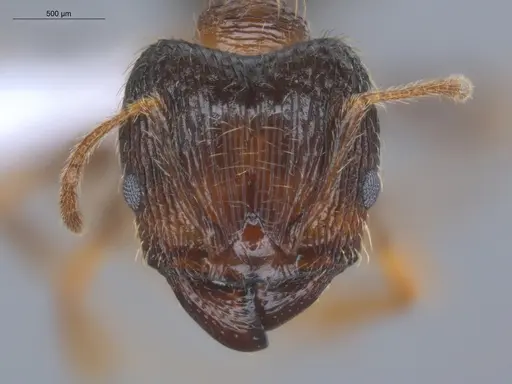
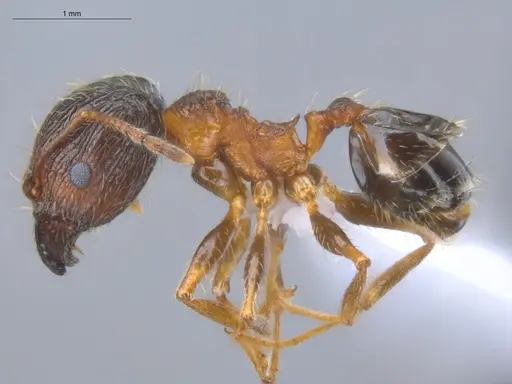
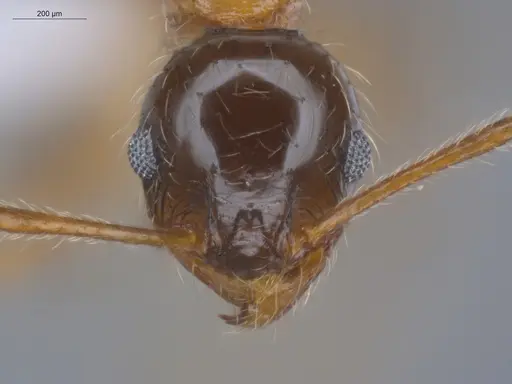
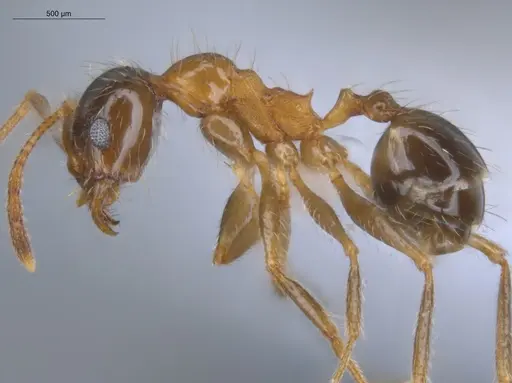
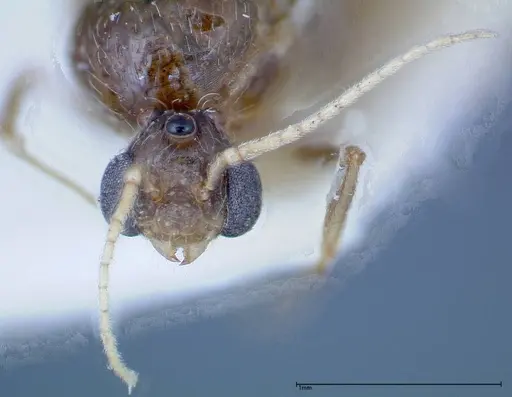
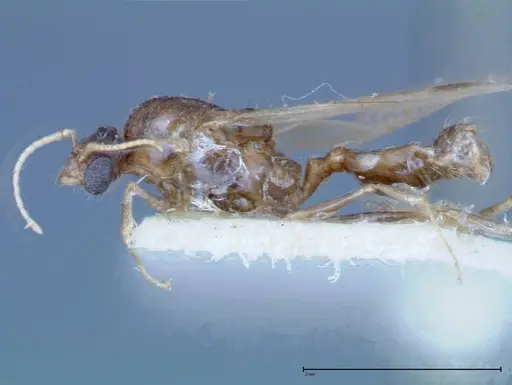
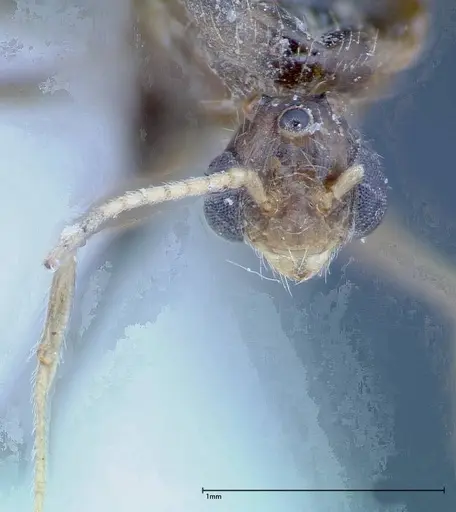
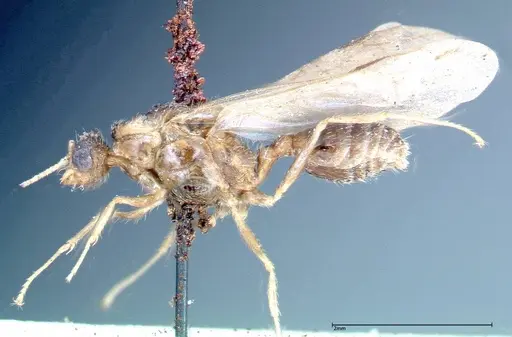
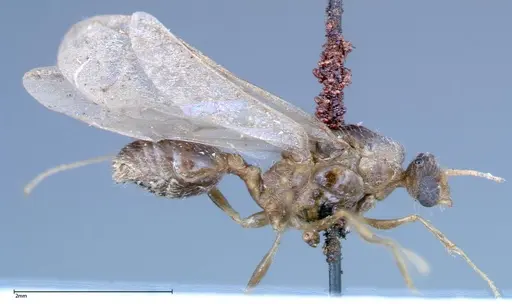
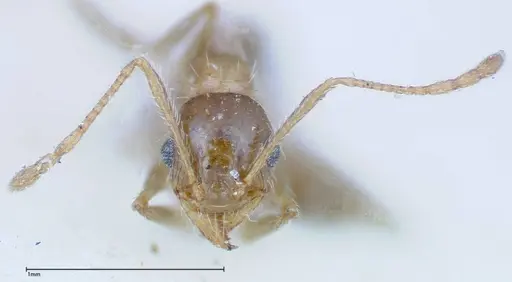
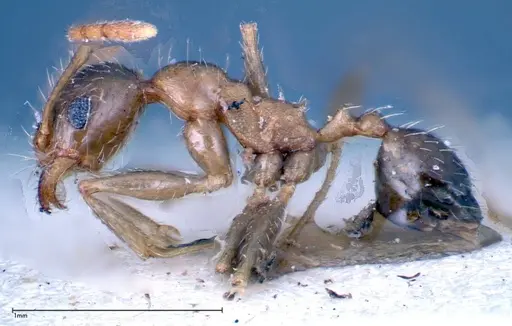
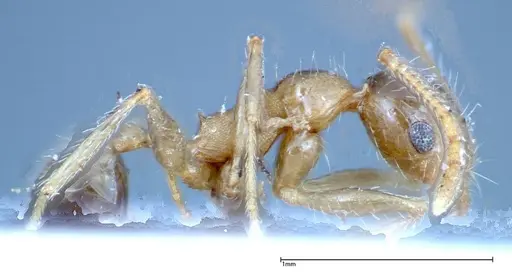
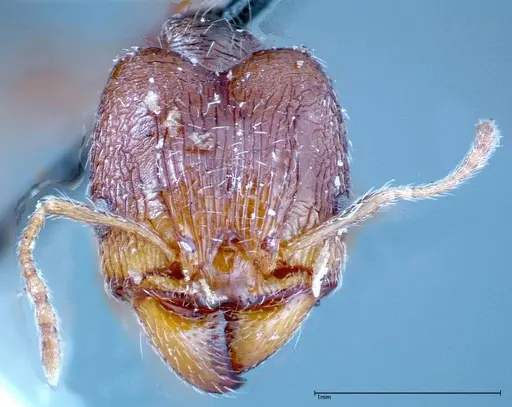
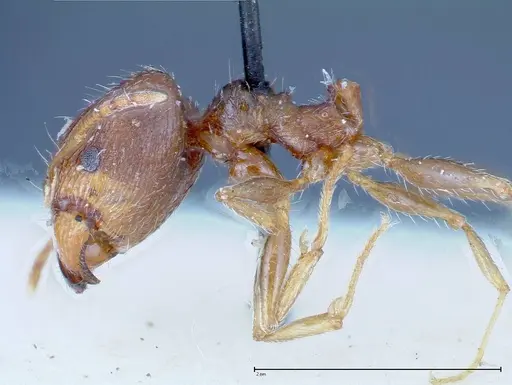
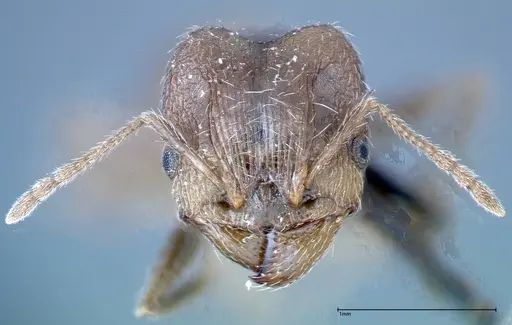
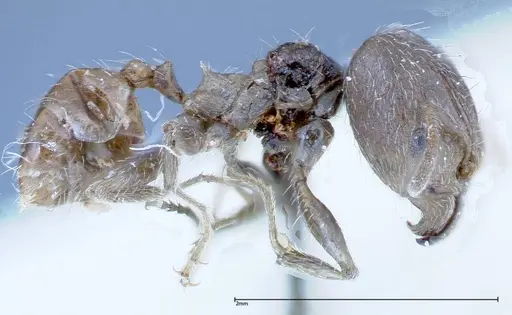
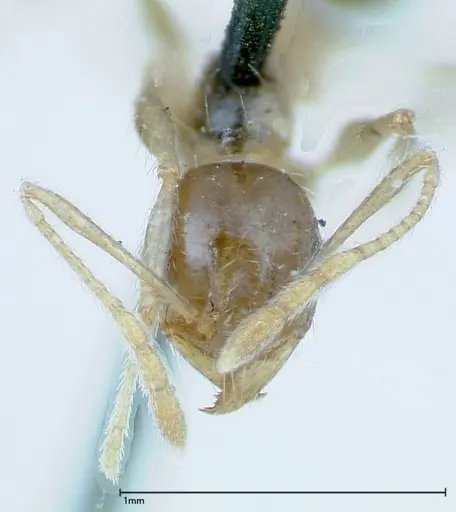
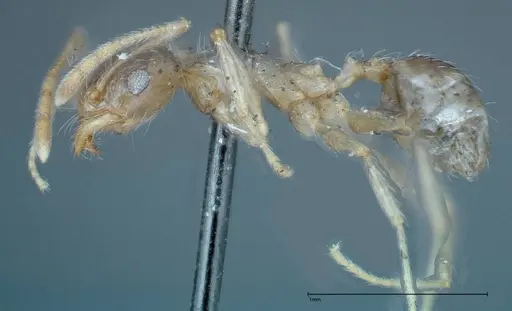
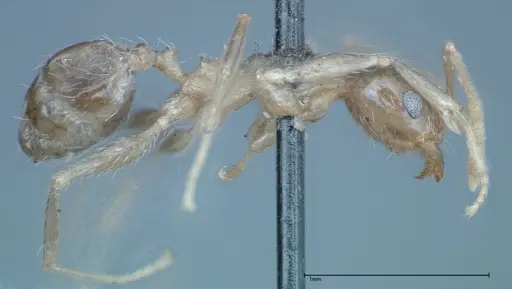
Pheidole indica is a small, strongly dimorphic ant in the Pheidole fervens group. Major workers (soldiers) have large heads with longitudinal striations, while minor workers are much smaller with smooth, shiny heads. Body color ranges from reddish-brown to dark brown, with the gaster usually darker. Minor workers are 2.5-2.8mm, majors 4-5.5mm, and queens 5.0-5.7mm . This ant is native to South and Southeast Asia but has become a widespread invasive tramp species across the Mediterranean, Caribbean, Pacific islands, and parts of the Americas . What makes P. indica interesting is its success in dry, urban habitats. It nests under stones, pavement tiles, or in soil, and colonies can reach nearly 1000 workers. Workers are aggressive toward other ant species, often displacing native ants. Both castes forage on the ground and readily recruit to food sources . Unlike many Pheidole, they are active during the day.
Quick Summary
- Difficulty: Expert
- Origin & Habitat: Native to South and Southeast Asia (India, Sri Lanka, Japan, Myanmar, Southeast Asia). Now invasive across the Mediterranean, Caribbean, Pacific, and Americas. Found in dry, open habitats such as urban areas, coastal zones, and disturbed lands [4][6][8].
- Colony Type: Facultatively polygynous, colonies can have one queen or multiple queens (up to 23 documented). Some populations are monogynous, but multi-queen colonies can form through budding [9][6][10].
- Size & Growth:
- Queen: 5.0-5.7mm [3]
- Worker: Minor: 2.5-2.8mm, Major: 4-5.5mm [1][2]
- Colony: Up to nearly 1000 workers [10]
- Growth: Moderate
- Development: 6-8 weeks (estimated based on typical Pheidole development) (Three larval instars have been documented through SEM studies [11], but exact duration is not confirmed. Development time estimated for warm conditions.)
- Antkeeping:
- Temperature: Keep warm, around 22-28°C. This warmth-loving species comes from subtropical and Mediterranean climates. Room temperature within this range works well [6][12].
- Humidity: Prefers dry to moderately humid conditions. Nests in soil and under stones in open, dry habitats [8][4]. Let the nest substrate dry out partially between waterings. Avoid overwatering.
- Diapause: No true diapause required. In temperate regions like Japan, colonies remain active indoors year-round. They may slow down slightly in cooler months but do not need hibernation [13].
- Nesting: Test tube setups work for founding. For established colonies, use Y-tong or plaster nests with some dry areas. Provide a moisture gradient so ants can choose their preferred humidity. They come from dry habitats, so don't keep the nest constantly wet [6].
- Behavior: Workers are aggressive toward other ant species and aggressively defend their territory. Both major and minor workers forage on the ground (epigeic) and recruit nestmates to food quickly. They accept proteins, sugars, and seeds. Majors help with defense and processing food. Escape risk is high because minor workers are under 3mm. Ensure tight sealing of the enclosure. Use fluon or similar barriers on smooth surfaces. As an invasive species, extreme caution is needed to prevent escapes [4][7][6].
- Common Issues: overwatering can cause colony stress and fungal growth, this species prefers dry conditions, minor workers are very small (, colonies can reach nearly 1000 workers, requiring larger space over time, aggressive toward other ant species, keep isolated from other colonies, potential parasitism by the fungus Myrmicinosporidium durum, which may cause colony decline [15]
Housing and Nest Setup
Pheidole indica adapts well to captivity. For founding, a standard test tube setup works fine, place the queen in a tube with a water reservoir plugged by cotton, and she will raise her first brood. Move the colony to a formicarium once there are 20-30 workers and the test tube feels cramped.
Use Y-tong or plaster nests with some dry areas. This species prefers drier conditions than many ants, so keep a moisture gradient: make one side slightly damp and leave the other side dry. They nest under stones and in soil in the wild, so a thin layer of sand or clay works well. Avoid overly humid nests [6][8].
For the outworld (foraging area), keep it simple and easy to clean. Workers are ground-dwelling and don't climb smooth surfaces well, so fluon or talc barriers on the container walls are effective. But remember, minor workers are tiny, so check for any gaps.
Feeding and Diet
Pheidole indica is omnivorous and accepts a wide range of foods. Offer protein 2-3 times per week, such as small insects (fruit flies, mealworms, small crickets). Both minor and major workers will handle protein. They also harvest seeds in the wild, so try offering millet or grass seeds occasionally [7][1].
For sugars, provide sugar water, honey, or diluted maple syrup. Keep a sugar source available at all times. Workers will quickly recruit to sweet baits. Remove uneaten food after 24-48 hours to prevent mold. In their introduced ranges, these ants dominate food resources and outcompete native ants [4].
Temperature and Seasonal Care
This species comes from warm tropical and subtropical areas, so keep the nest at 22-28°C. They are active year-round in southern Japan and Mediterranean regions [6][12]. If your room is cooler, use a heating cable on top of the nest (not underneath) to create a warm zone. If workers cluster near the heat, raise the temperature slightly, if they avoid it, turn it down.
Unlike temperate ants, P. indica does not need a winter diapause. They stay active indoors, though activity may slow in the cooler months. No special overwintering is needed [13].
Behavior and Colony Dynamics
Pheidole indica is aggressive toward other ant species. In both native and introduced ranges they displace native ants and dominate food resources. Keep them away from other ant colonies.
Colonies are strongly dimorphic: majors (soldiers) have large heads and powerful mandibles for defense and processing food, minors handle most foraging and brood care. Both castes forage on the ground and use chemical trails to recruit nestmates.
This species is facultatively polygynous. Some colonies have a single queen, while others have multiple queens (up to 23 recorded in one California colony). Multi-queen colonies can form through budding, where a group of workers and queens splits off to start a new nest [10][6].
Legal and Ethical Considerations
WARNING: Pheidole indica is an invasive species in many parts of the world, including the Mediterranean, Caribbean, Pacific islands, and the Americas. It has spread through human commerce and can harm native ant communities [4][14].
If you keep this species, never release colonies into the wild outside their native range (South and Southeast Asia). Even in countries where it is already introduced, capturing or transporting wild colonies is discouraged because it can worsen invasions. If you no longer want your colony, humanely euthanize it (e.g., freezing) rather than releasing it. Extreme precautions must be taken to prevent any escape, as established populations can cause severe ecological damage.
Frequently Asked Questions
Is Pheidole indica good for beginners?
No, this species is not recommended for beginners because it is invasive and requires careful containment. While the husbandry is not very difficult (they are tolerant and easy to feed), the risk of escape and ecological harm makes it an Expert-level species. Only experienced keepers who can ensure zero escapes should consider it.
How long does it take for first workers to appear?
Expect first nanitic workers around 6-8 weeks after the queen lays eggs at warm temperatures (around 25°C). This is an estimate based on typical Pheidole development. The queen will remain sealed in the founding chamber until her first brood emerges.
Can I keep multiple queens together?
Yes, this species is facultatively polygynous, so multiple queens can coexist. However, starting with a single mated queen is standard and works fine. Multi-queen colonies often arise naturally through budding in established populations [6].
What should I feed my colony?
Offer proteins (small insects like fruit flies, mealworms, or crickets) 2-3 times per week, and keep a constant sugar source like sugar water or honey. They also accept seeds. Remove uneaten food after 1-2 days to prevent mold [7][1].
When should I move them to a formicarium?
Move the colony from a test tube to a formicarium when there are 20-30 workers and the test tube becomes cramped. Make sure the new nest has dry and slightly moist zones, as they prefer drier conditions than many ants [6].
Do they need hibernation?
No, they do not require hibernation. As a subtropical/tropical species, they stay active year-round in warm conditions. They may slow down in winter but no special care is needed [13].
Why are my workers dying?
Common causes: overhumidity (they prefer dry conditions), mold from leftover food, temperatures below 22°C, or stress from frequent disturbances. Also check for the parasitic fungus Myrmicinosporidium durum, which has been recorded in this species [15]. Reduce moisture and remove uneaten food promptly.
How big do colonies get?
Mature colonies can reach nearly 1000 workers. This is moderately large for a Pheidole species. Growth is moderate, with several months needed to reach 50+ workers, then faster expansion.
Report an Issue
The current care sheet is based fully on literature. See inconsistencies, or something that's incorrect? Please , it will be resolved after review from an admin. Contributing to the blogs tab also helps providing information, to make us be able to further improve the caresheets. Thank you for your support!
References

This caresheet is licensed under CC BY-SA 4.0 .
Community Blogs
ANTWEB1041897
View on AntWeb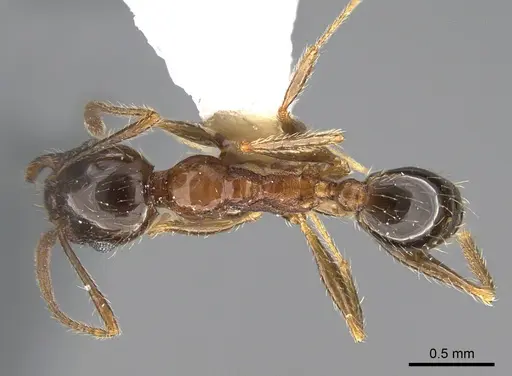
ANTWEB1041900
View on AntWeb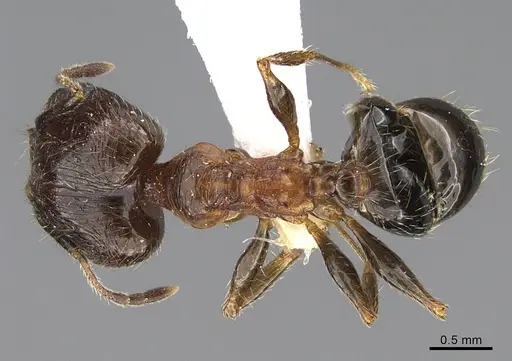
CASENT0005777
View on AntWeb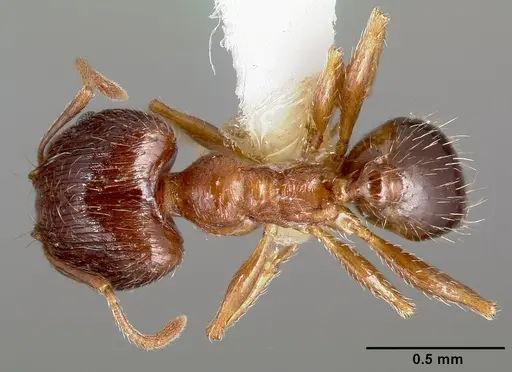
CASENT0005778
View on AntWeb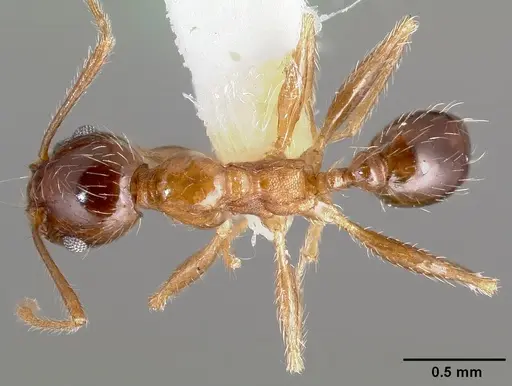
CASENT0101325
View on AntWeb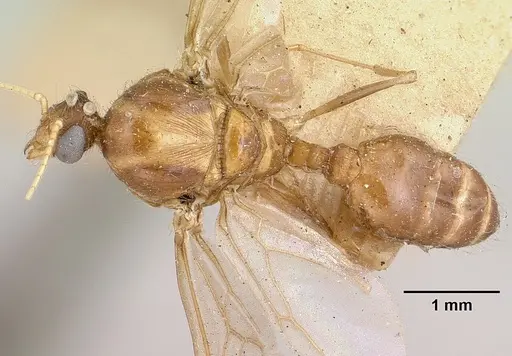
CASENT0101326
View on AntWeb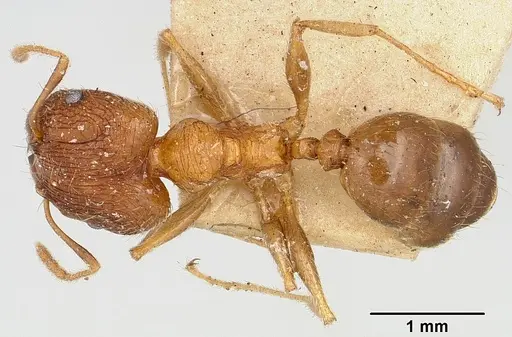
CASENT0101327
View on AntWeb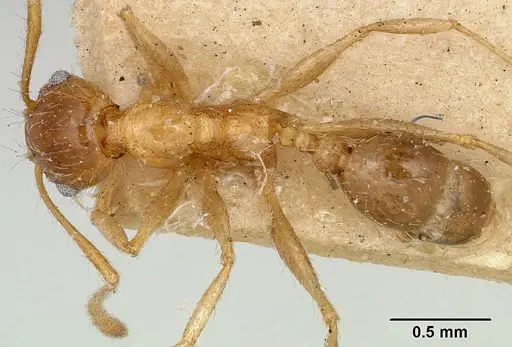
CASENT0101564
View on AntWeb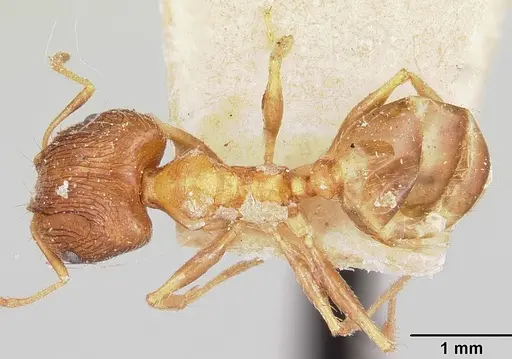
CASENT0101745
View on AntWeb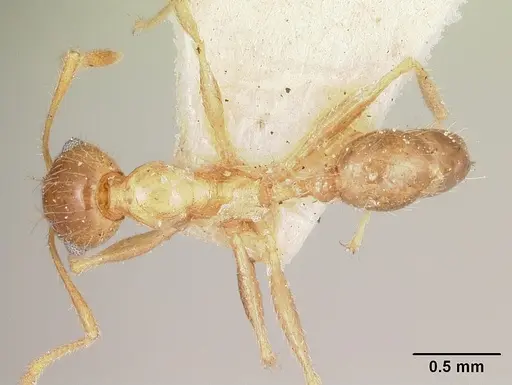
CASENT0104604
View on AntWeb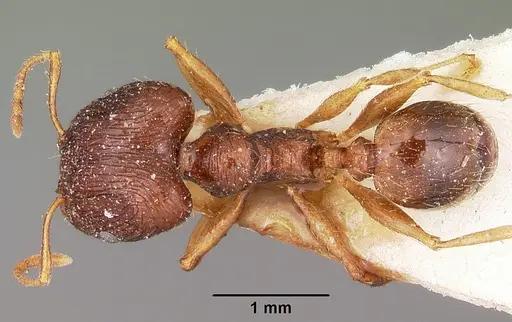
CASENT0104605
View on AntWeb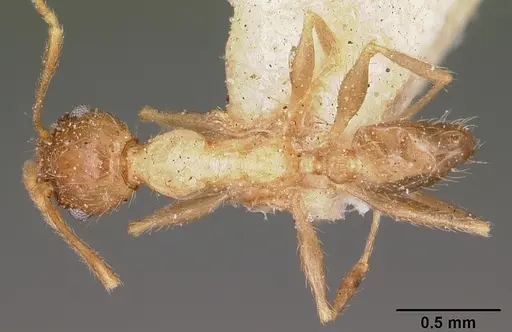
CASENT0122772
View on AntWeb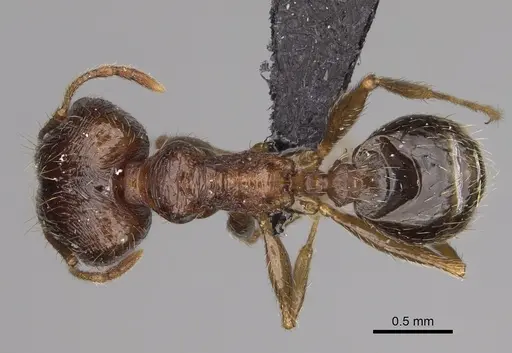
CASENT0122988
View on AntWeb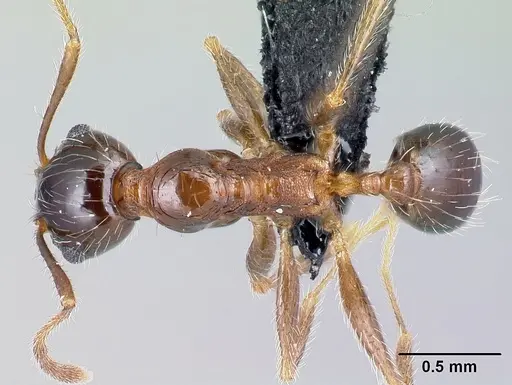
CASENT0122994
View on AntWeb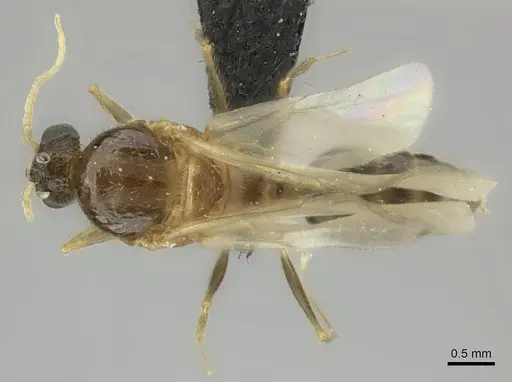
CASENT0123501
View on AntWeb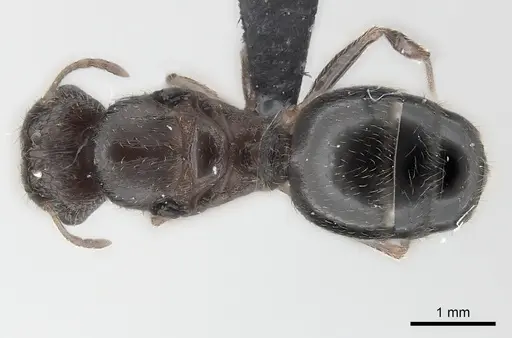
CASENT0145984
View on AntWeb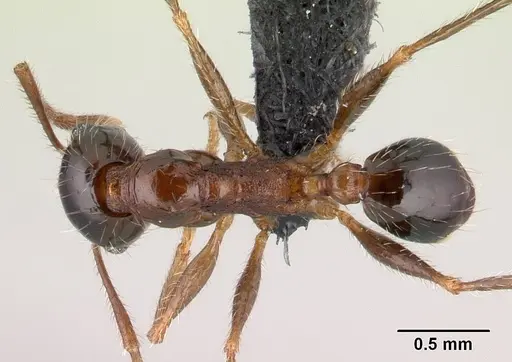
CASENT0173012
View on AntWeb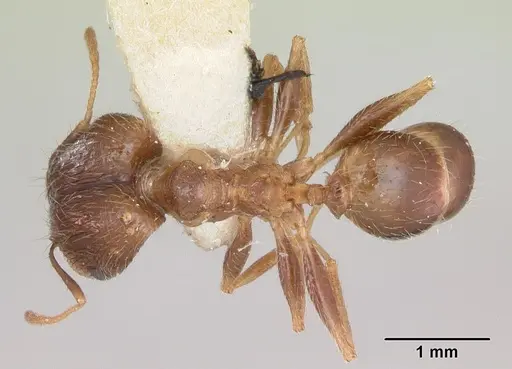
CASENT0173013
View on AntWeb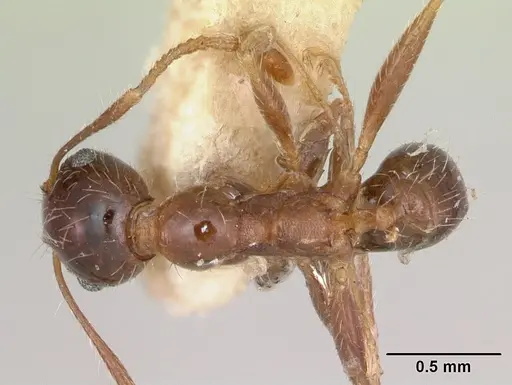
CASENT0179572
View on AntWeb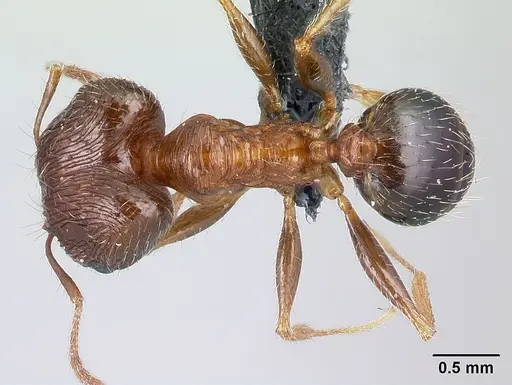
CASENT0189743
View on AntWeb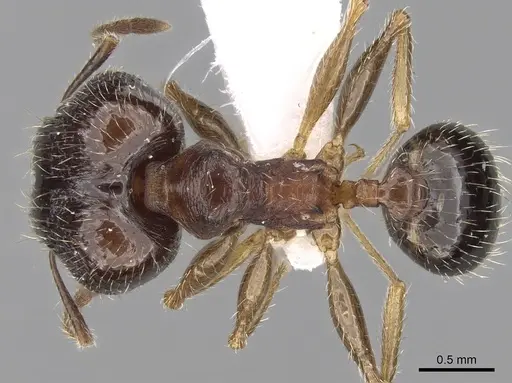
CASENT0217985
View on AntWeb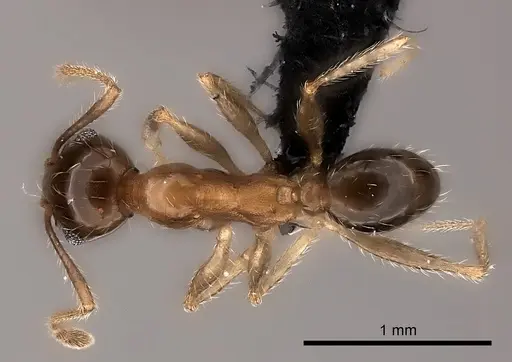
CASENT0249900
View on AntWeb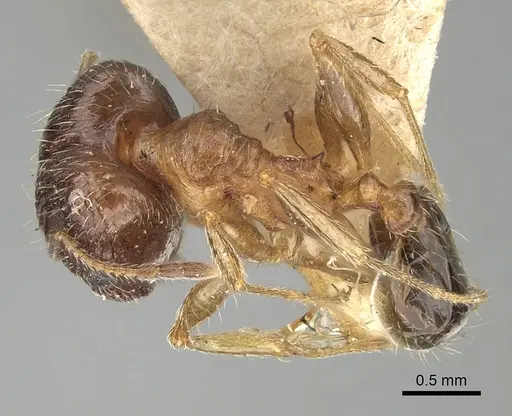
CASENT0263700
View on AntWeb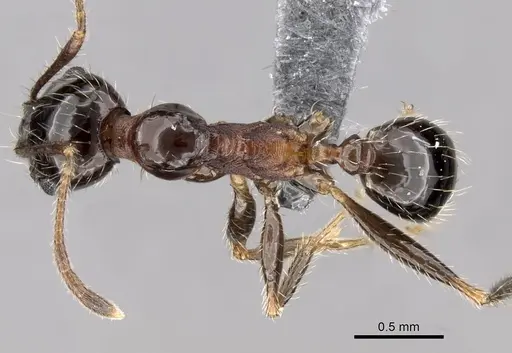
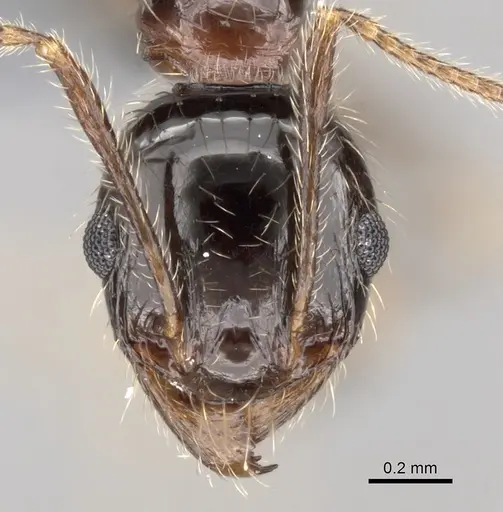
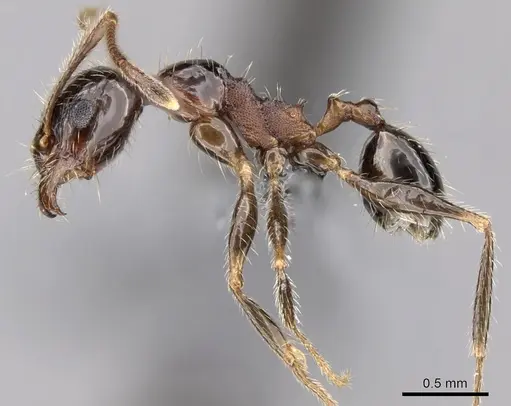
CASENT0264427
View on AntWeb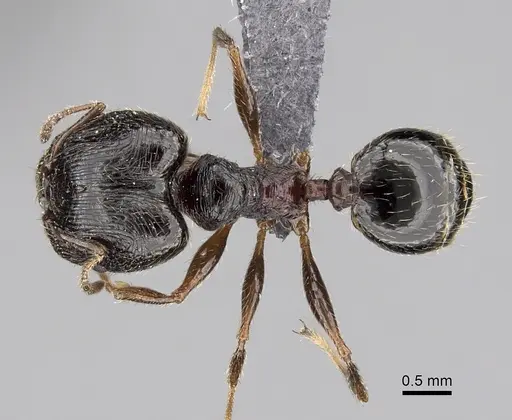
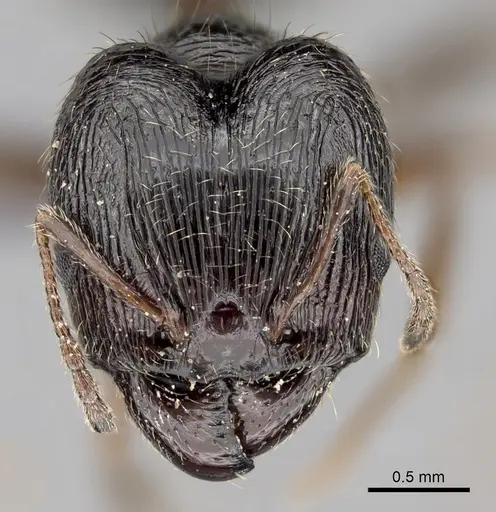
CASENT0280996
View on AntWeb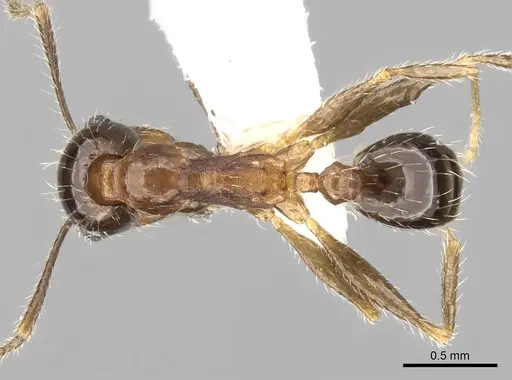
CASENT0281665
View on AntWeb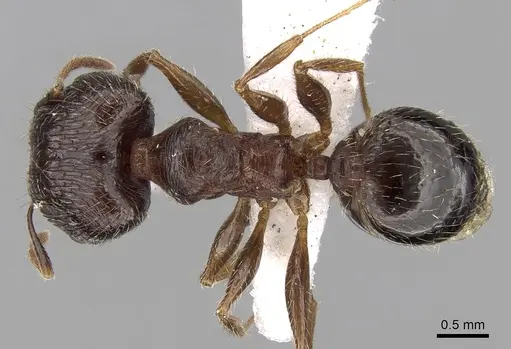
CASENT0281666
View on AntWeb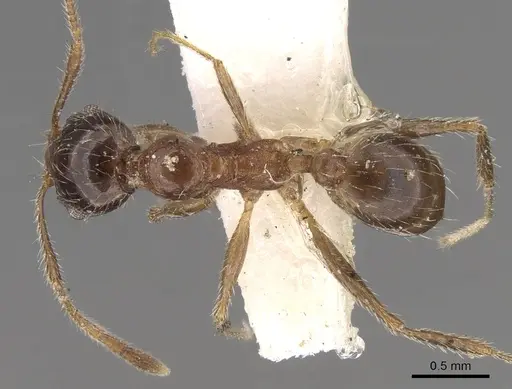
CASENT0906401
View on AntWeb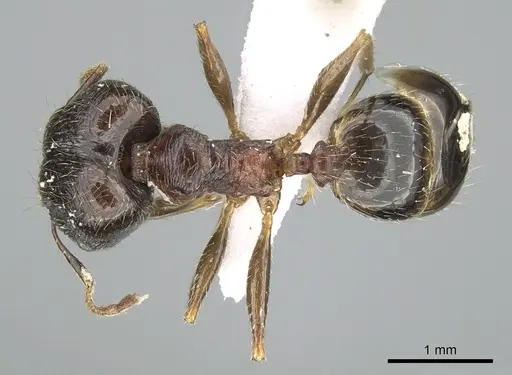
CASENT0906402
View on AntWeb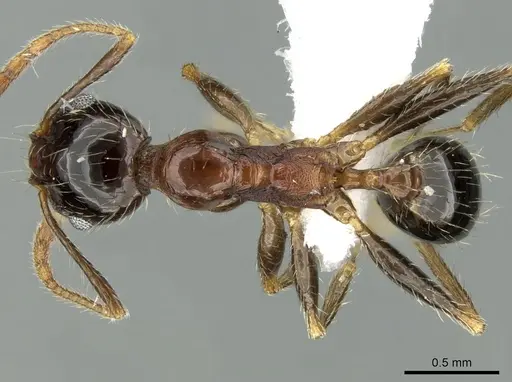
CASENT0906530
View on AntWeb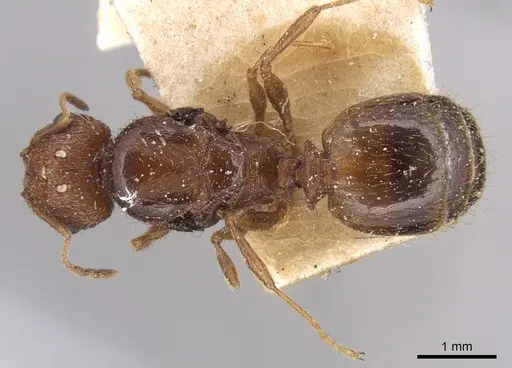
CASENT0906612
View on AntWeb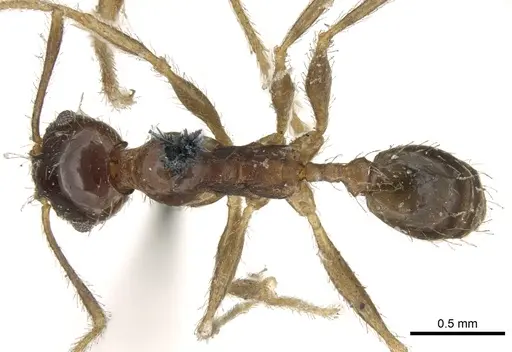
CASENT0906613
View on AntWeb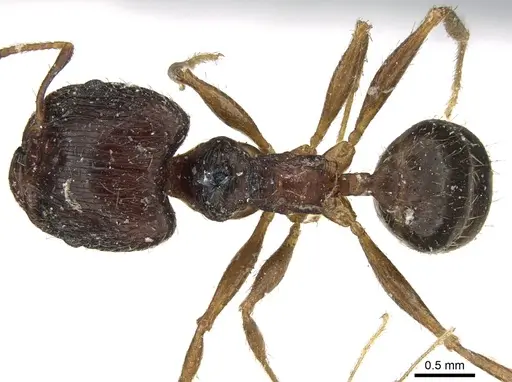
CASENT0907897
View on AntWeb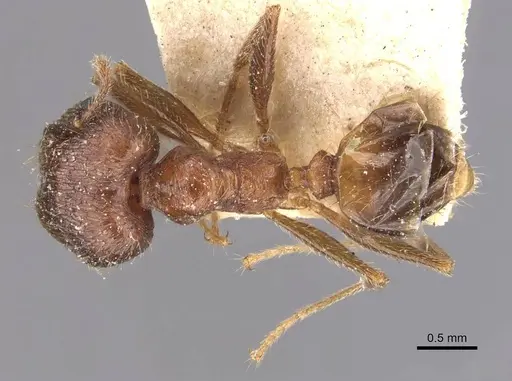
CASENT0907898
View on AntWeb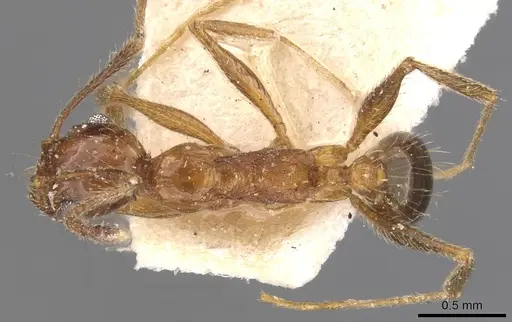
CASENT0907899
View on AntWeb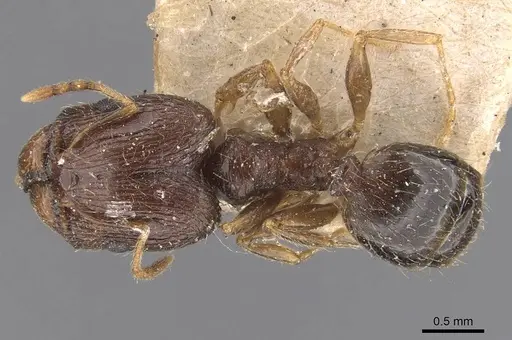
CASENT0907900
View on AntWeb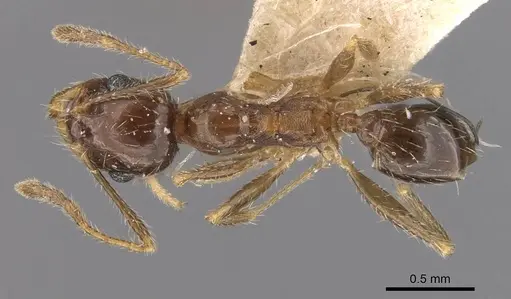
CASENT0907901
View on AntWeb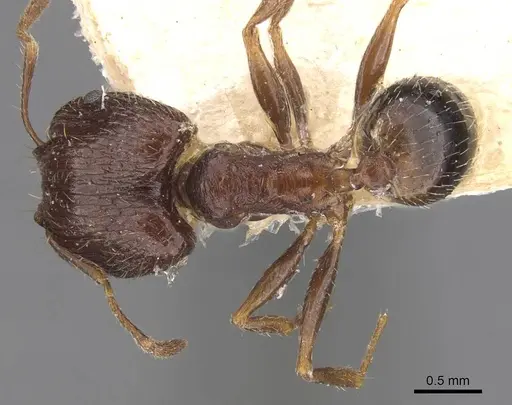
CASENT0907902
View on AntWeb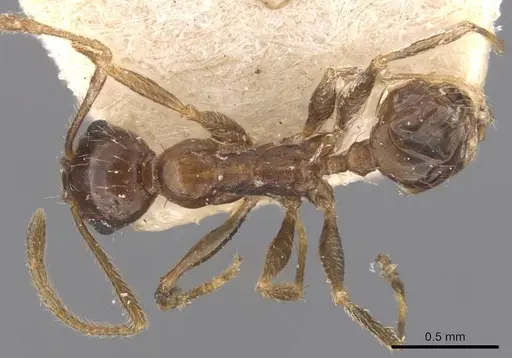
CASENT0907915
View on AntWeb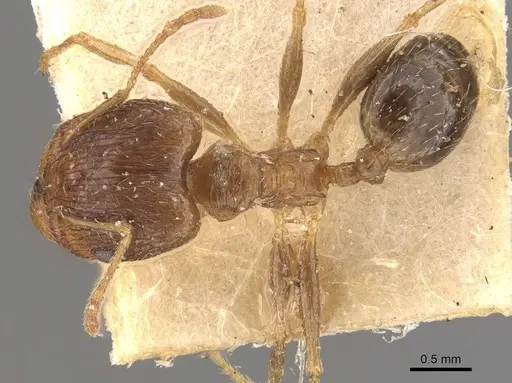
CASENT0907916
View on AntWeb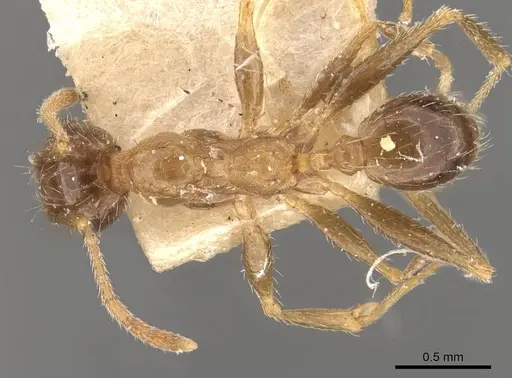
CASENT0913458
View on AntWeb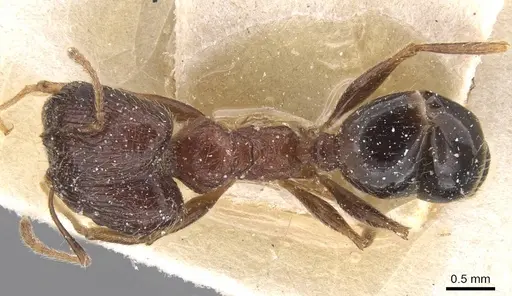
CASENT0913459
View on AntWeb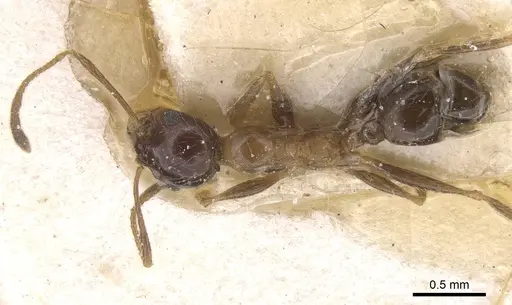
CASENT0916047
View on AntWeb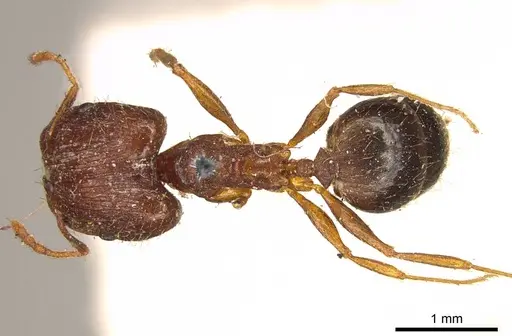
CASENT0916963
View on AntWeb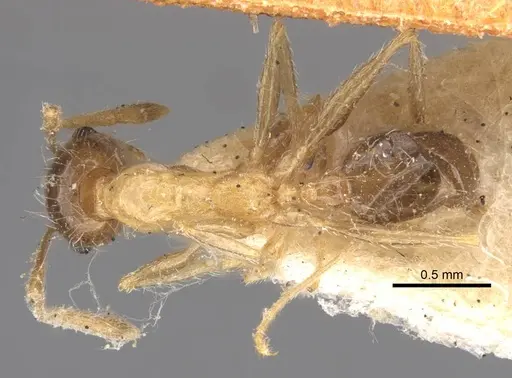
CASENT0922284
View on AntWeb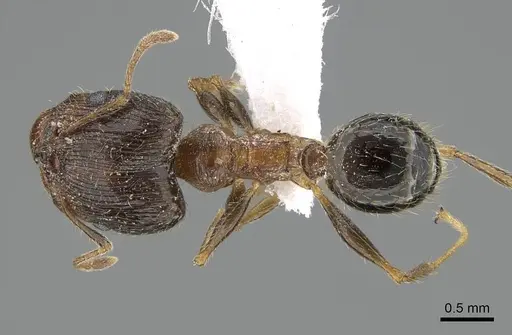
CASENT0922285
View on AntWeb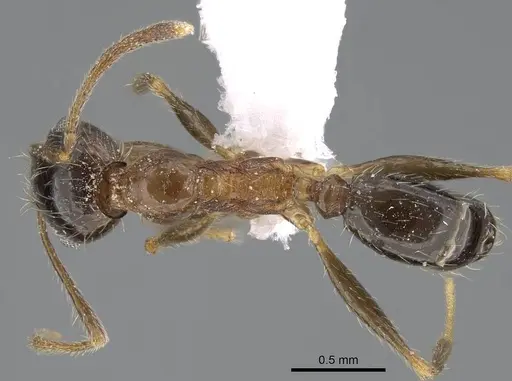
CASENT0923204
View on AntWeb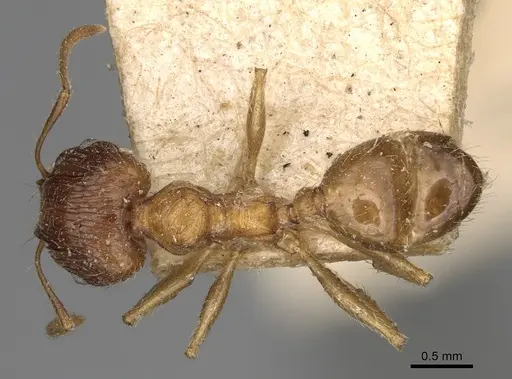
CASENT0923205
View on AntWeb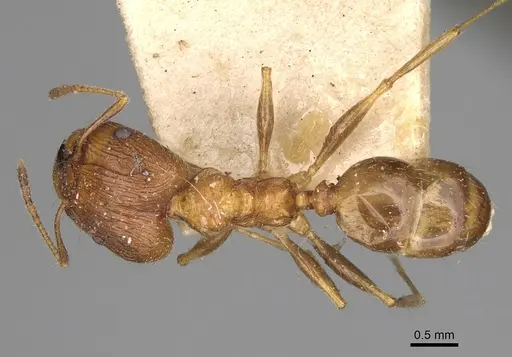
CASENT0923269
View on AntWeb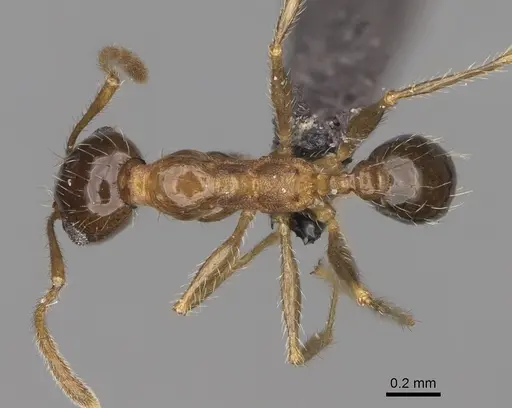
CFH000039
View on AntWeb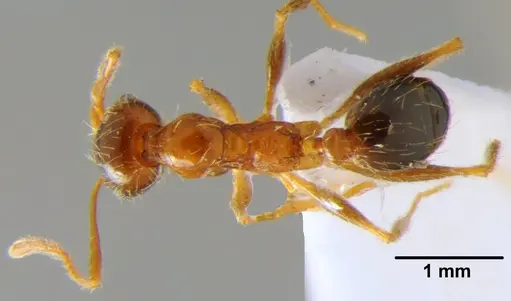
CFH000047
View on AntWeb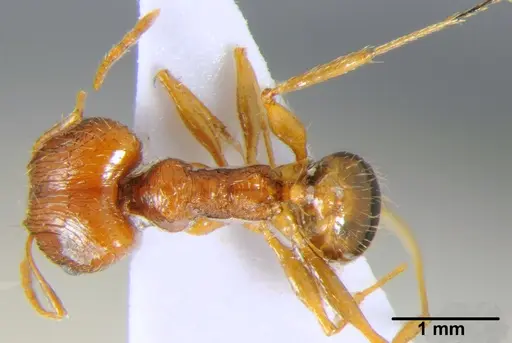
ECOFOG-BOUM-0155-01-S
View on AntWeb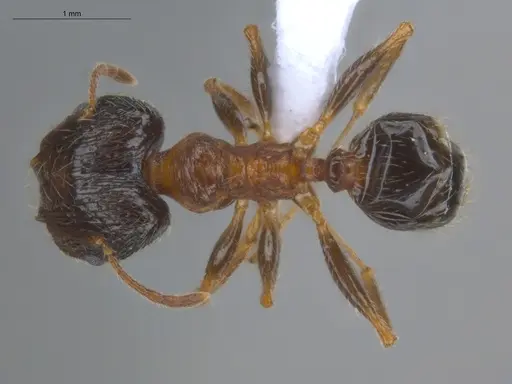
ECOFOG-BOUM-0155-01
View on AntWeb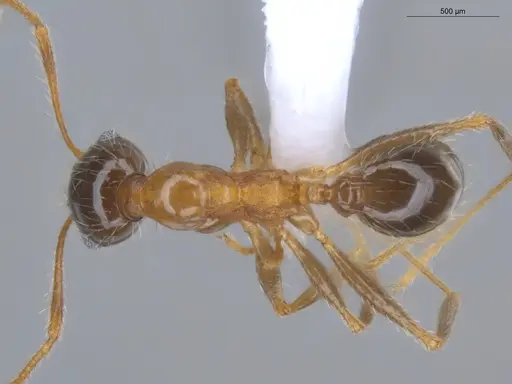
FOCOL0234
View on AntWeb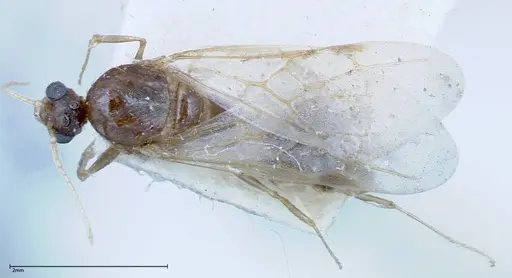
FOCOL0235
View on AntWeb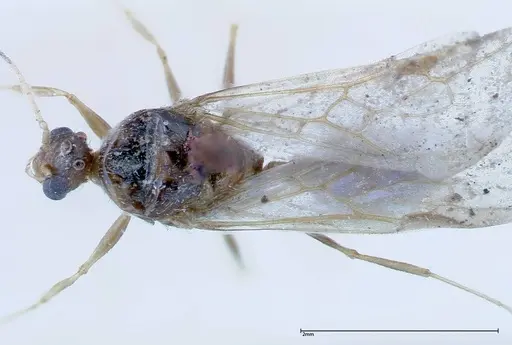
FOCOL0236
View on AntWeb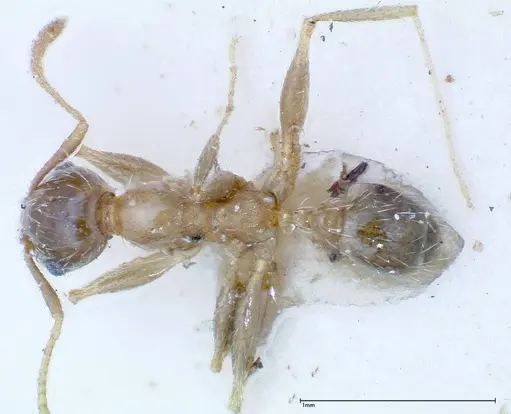
FOCOL0237
View on AntWeb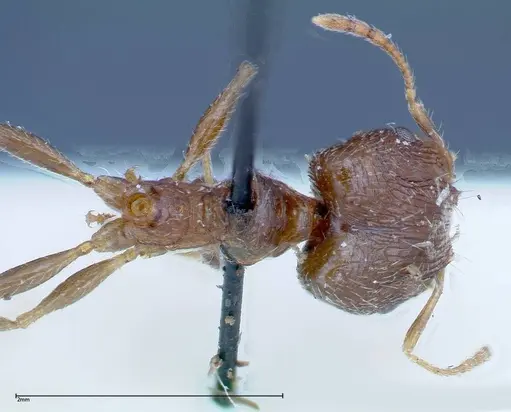
FOCOL0238
View on AntWeb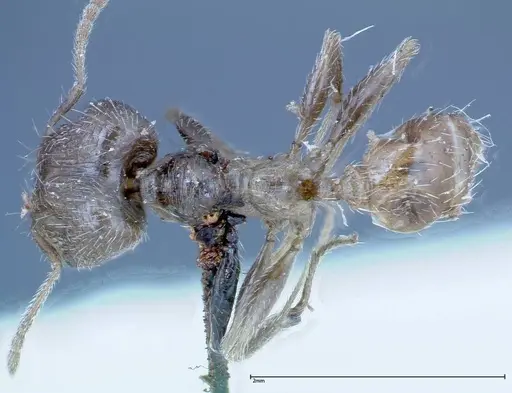
FOCOL0240
View on AntWeb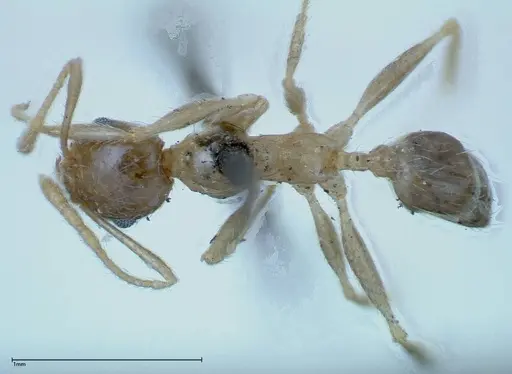
Literature
Loading distribution map...Loading products...