
Pheidole humeralis
- Sci. Name
- Pheidole humeralis
- Tribe
- Attini
- Subfamily
- Myrmicinae
- Author
- Wheeler, 1908
- Distribution
- Found in 1 countries
Introduction
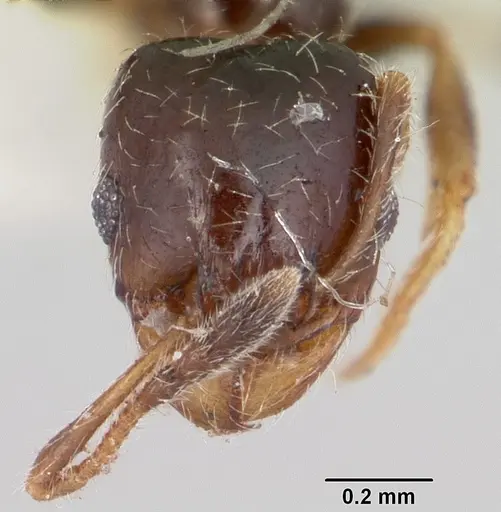
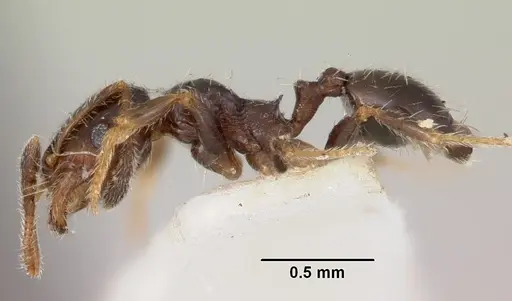
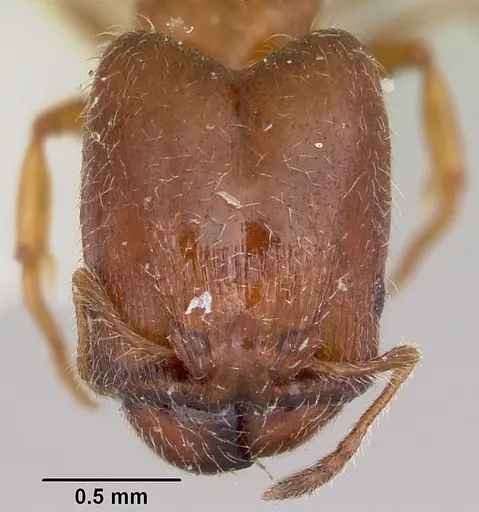
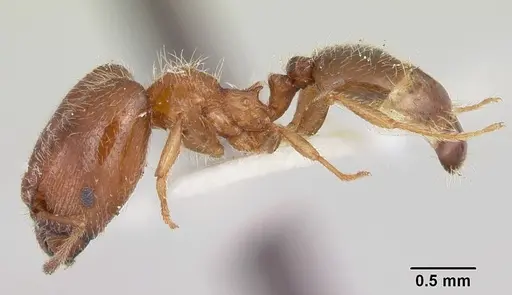
Pheidole humeralis is a small ant species native to Texas, specifically recorded from Corsicana . Like other Pheidole, they have two worker castes: minor workers (small) and major workers (soldiers) with oversized heads. This species is considered a 'big-headed ant'. No detailed body size measurements are available from the literature, but based on typical Pheidole, minor workers are estimated at 2-3 mm and major workers at 3-4 mm (inferred from genus). They likely nest in soil or under stones in warm, semi-arid habitats. The most notable feature of this genus is the development of a distinct soldier caste, which appears as the colony matures.
Quick Summary
- Difficulty: Easy
- Origin & Habitat: Texas, United States, documented from Corsicana [1]. Based on genus patterns, likely inhabits warm, semi-arid areas where they nest in soil or under stones.
- Colony Type: Likely monogyne (single queen), based on typical Pheidole patterns. The genus is known for single-queen colonies with distinct worker castes.
- Size & Growth:
- Queen: Size data unavailable, estimated at 5-7 mm based on typical Pheidole queens (inferred from genus).
- Worker: Size data unavailable, minor workers estimated at 2-3 mm, major workers estimated at 3-4 mm (inferred from genus).
- Colony: Up to several hundred workers, estimated based on genus patterns.
- Growth: Moderate
- Development: Estimated 6-8 weeks at optimal temperature (inferred from related Pheidole species). (Temperature-dependent, actual timing may vary.)
- Antkeeping:
- Temperature: Keep at 24-28°C, preferred warm conditions typical of their Texas habitat. A heating cable on one side of the nest creates a suitable gradient. (No specific study for this species.)
- Humidity: Provide a gradient: keep the nest substrate moderately dry to slightly moist, with one small damp area. Avoid waterlogging. Based on typical Pheidole preferences.
- Diapause: Likely yes, Texas experiences cool winters. Reduce temperature to 10-15°C from late fall through early spring (estimated from genus patterns).
- Nesting: Test tubes work well for founding colonies. Established colonies do well in Y-tong (AAC), plaster, or soil nests with compact, dry chambers. Avoid acrylic nests.
- Behavior: Generally peaceful, not aggressive toward keepers. They have a functional sting (subfamily Myrmicinae, tribe Attini) but it is rarely used and mild. Major workers (soldiers) are primarily for seed-crushing and defense. Minor workers are active foragers. Moderate escape risk due to small size, use standard barriers like fluon or oil.
- Common Issues: colonies may stall if temperatures drop below 20°C for extended periods, major workers may not appear until the colony reaches moderate size, this is normal, overwatering can cause fungal problems, keep substrate drier rather than wetter, wild-caught colonies may contain parasites, slow initial growth during founding phase can lead to overfeeding or disturbance
Housing and Nest Setup
Pheidole humeralis adapts well to various captive setups. For founding colonies, a simple test tube setup works well. Once the colony grows, you can move them to a Y-tong (AAC) or plaster nest with appropriately sized chambers. Keep the nest substrate moderately dry to slightly moist, avoid wet conditions. A thin layer of substrate in the outworld allows natural foraging. Use standard escape prevention like fluon or oil on barriers.
Feeding and Diet
Based on typical Pheidole feeding habits, Pheidole humeralis is primarily granivorous (seed-eating), but they also accept insect protein. Offer small seeds like millet or chia, and small insects like fruit flies or cricket pieces. Minor workers forage and bring food back to the nest, while major workers crack seeds. Feed seeds continuously and protein every 2-3 days. Remove uneaten prey after 24 hours.
Temperature and Seasonal Care
Maintain temperatures between 24-28°C for optimal activity. A heating cable on top of the nest creates a gentle warmth gradient. During winter (November to February), reduce temperatures to 10-15°C to mimic natural seasonal changes, a rest period likely benefits colony health. Reduce feeding during this dormant phase.
Colony Development and Castes
Like other Pheidole, the first brood typically consists of minor workers (nanitics). These small workers forage and care for the queen and brood. Major workers (soldiers) develop later as the colony grows, usually once the colony reaches an estimated 50-100 workers. The appearance of majors is a sign of a healthy colony. Development timelines are inferred from related species, actual timing for P. humeralis may vary.
Frequently Asked Questions
How long does it take for Pheidole humeralis to produce first workers?
Based on related Pheidole species, first workers (nanitics) emerge about 6-8 weeks after the queen lays eggs at optimal temperatures around 26°C. This is an estimate, actual timing may vary.
When will my colony develop major workers?
Major workers typically appear once the colony reaches 50-100 workers, estimated from genus patterns. This can take several months to a year depending on feeding and temperature. Absence of majors is normal in young colonies.
What do I feed Pheidole humeralis?
Offer small seeds (millet, chia) as a staple along with small insects (fruit flies, cricket pieces). Minor workers forage and carry food back to the nest, major workers help crack seeds.
Do they need hibernation?
Yes, they benefit from a winter rest period. Reduce temperatures to 10-15°C from late fall through early spring (estimated from genus patterns). Reduce feeding during this time.
Are Pheidole humeralis good for beginners?
Yes, they are considered easy to keep. They are forgiving of minor care mistakes, don't require high humidity, and are not aggressive. Their interesting caste system makes them engaging to watch.
How big do Pheidole humeralis colonies get?
Based on typical Pheidole patterns, colonies likely reach up to several hundred workers. Major colonies may approach 500-1000 workers over several years, these are estimates.
Can I keep multiple queens together?
Pheidole species are typically monogyne (single queen). It is not recommended to keep multiple unrelated queens together as they will likely fight. Only one queen per colony.
When should I move from test tube to formicarium?
Move the colony when they outgrow the test tube or when the water reservoir becomes contaminated, typically when the colony reaches 20-40 workers. A Y-tong nest works well for the transition.
Why is my colony not growing?
Check that temperatures are in the 24-28°C range, as cool temperatures slow development. Also ensure you are offering adequate protein. If the colony is still small (under 20 workers), be patient, founding phases are naturally slow.
Report an Issue
The current care sheet is based fully on literature. See inconsistencies, or something that's incorrect? Please , it will be resolved after review from an admin. Contributing to the blogs tab also helps providing information, to make us be able to further improve the caresheets. Thank you for your support!
References

This caresheet is licensed under CC BY-SA 4.0 .
Community Blogs
CASENT0103141
View on AntWeb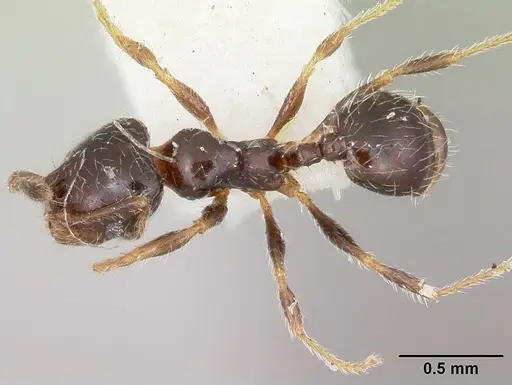
CASENT0103142
View on AntWeb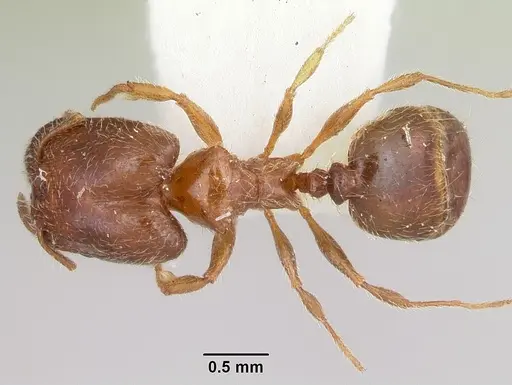
Literature
Loading distribution map...Loading products...