
Pheidole huilana
- Sci. Name
- Pheidole huilana
- Tribe
- Attini
- Subfamily
- Myrmicinae
- Author
- Wilson, 2003
- Distribution
- Found in 1 countries
Introduction
Pheidole huilana is a small dimorphic ant species native to the cloud forests of Huila, Colombia. Major and minor workers have distinct morphologies, but full body size data is unavailable from scientific literature. This species is known only from the type locality at 2200m elevation in Parque Nacional Cuevas de los Guacharos, making it one of the less documented Pheidole species in the New World . The species is rare in captivity, with limited information on its biology or care requirements .
Quick Summary
- Difficulty: Hard
- Origin & Habitat: Cloud forest in Huila, Colombia at 2200m elevation. Known only from the type locality in Parque Nacional Cuevas de los Guacharos [1][2].
- Colony Type: Unconfirmed, colony structure has not been documented in scientific literature
- Size & Growth:
- Queen: Size data unavailable, no total length measurements exist
- Worker: Size data unavailable, no total length measurements exist
- Colony: Unknown, no colony size data exists
- Growth: Unknown
- Development: Unknown, no direct data. Based on typical Pheidole patterns, expect 6-10 weeks at warm temperatures, but this is an estimate [3]. (Development timeline unconfirmed for this specific species)
- Antkeeping:
- Temperature: Based on cloud forest origin, likely prefers cool to moderate temperatures. Inferred estimate: 18-24°C. Start at room temperature and observe colony activity [1][2].
- Humidity: Cloud forest origin suggests high humidity needs. Provide a humidity gradient with consistently moist substrate but not waterlogged [1][2].
- Diapause: Unknown, no seasonal data available for this species. The 2200m elevation suggests they may experience cooler temperatures seasonally.
- Nesting: No specific nesting data exists. Based on typical Pheidole behavior, they likely nest in soil or decaying wood. Use a test tube setup or plaster nest with moist substrate [3].
- Behavior: Behavior is not specifically documented. As a Pheidole species, they likely have majors for defense and seed processing, and minors for foraging. Escape risk is high due to small worker size, use fine barriers. They may sting, but this is rare [3].
- Common Issues: escape risk due to very small worker size, ensure barriers are adequate., limited data makes care recommendations uncertain, this species is known only from a few specimens., exact temperature and humidity requirements unconfirmed, monitor colony activity closely., no information on nuptial flight timing, founding colonies may be difficult.
Appearance and Identification
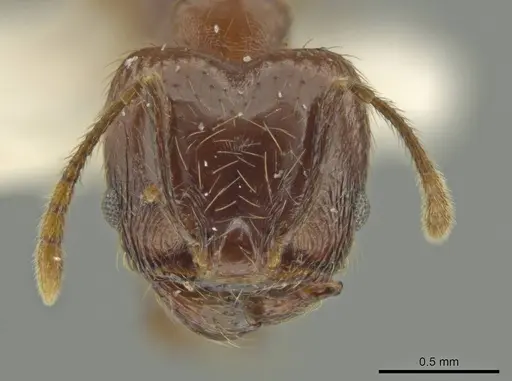
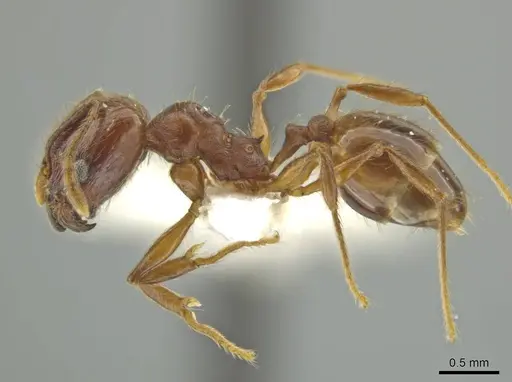
Pheidole huilana is a dimorphic species with major and minor workers. Major workers have a broad head and large forward-set eyes, while minor workers have a smaller head and reduced propodeal spines. Body color is medium reddish brown for majors and yellowish brown for minors. Key identification features include the major's broad head and the minor's distinctive eye placement [2]. Full body size is unavailable, but workers are small based on genus patterns.
Distribution and Habitat
This species is known only from Huila, Colombia, at 2200m elevation in cloud forest habitat. The type colony was collected in Parque Nacional Cuevas de los Guacharos. Cloud forests are characterized by high humidity and moderate temperatures, which you should replicate in captivity [1][2].
Nest Preferences and Housing
No specific nesting data exists, but cloud forest origin suggests soil or decaying wood nests. You can use a test tube setup for founding or a plaster nest for established colonies. Maintain high humidity with moist substrate, and ensure escape prevention due to small worker size [3].
Feeding and Diet
Diet is unconfirmed, but as a Pheidole species, they likely eat seeds, small insects, and honeydew. You should offer varied diet including seeds, protein sources like mealworm pieces, and sugar water [3].
Temperature and Seasonal Care
Based on cloud forest origin, aim for 18-24°C. Room temperature is likely suitable. Avoid overheating. Diapause is unknown, but cooler temperatures may be beneficial seasonally [1][2].
Behavior and Colony Structure
Pheidole species have dimorphic workers with majors for defense and minors for foraging. Colony structure is unconfirmed. You should expect moderate aggression and defend the nest if threatened. Escape prevention is critical due to small size [3].
Frequently Asked Questions
How do I care for Pheidole huilana ants?
Care is uncertain due to limited data. Provide cool temperatures (18-24°C), high humidity with moist substrate, and a varied diet of seeds, insects, and sugar water. This species is rarely kept, so monitor colony activity closely [1][2].
What do Pheidole huilana ants eat?
Diet is unconfirmed but likely includes seeds, small insects, and honeydew. Offer grass seeds, protein sources, and sugar water [3].
How long does it take for Pheidole huilana to raise first workers?
Development timeline is unknown. Based on typical Pheidole patterns, expect 6-10 weeks at warm temperatures, but this is an estimate [3].
Are Pheidole huilana ants good for beginners?
No, this species is not recommended for beginners due to limited data and care uncertainty [1].
What size colony does Pheidole huilana reach?
Colony size is unknown, no data exists in scientific literature [1][2].
What temperature should I keep Pheidole huilana at?
Aim for 18-24°C based on cloud forest origin. Room temperature is likely suitable [1][2].
Can I keep multiple queens together?
Colony structure is unconfirmed. Do not attempt combining queens without established husbandry data [3].
When do Pheidole huilana nuptial flights occur?
Nuptial flight timing is unknown. A male was collected in January, but insufficient data exists to determine patterns [3].
What makes Pheidole huilana different from other Pheidole?
This species is distinguished by the major worker's broad head and minor worker's reduced propodeal spines. It is known only from Colombian cloud forest, making it rare in captivity [2].
Report an Issue
The current care sheet is based fully on literature. See inconsistencies, or something that's incorrect? Please , it will be resolved after review from an admin. Contributing to the blogs tab also helps providing information, to make us be able to further improve the caresheets. Thank you for your support!
References

This caresheet is licensed under CC BY-SA 4.0 .
Community Blogs
CASENT0645801
View on AntWeb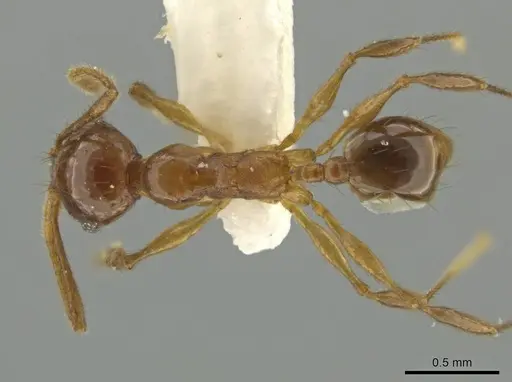
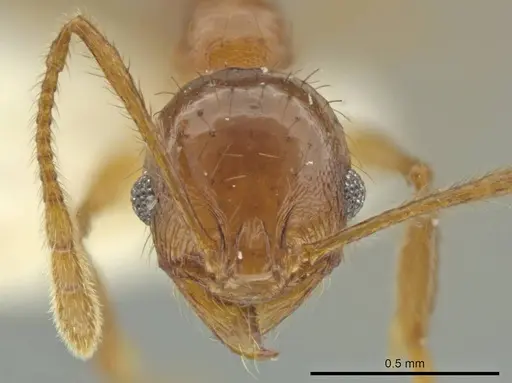
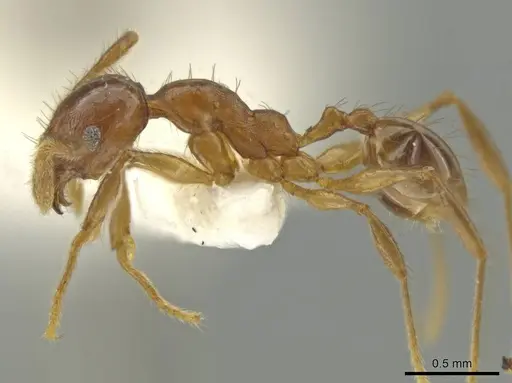
JTLC000016408
View on AntWeb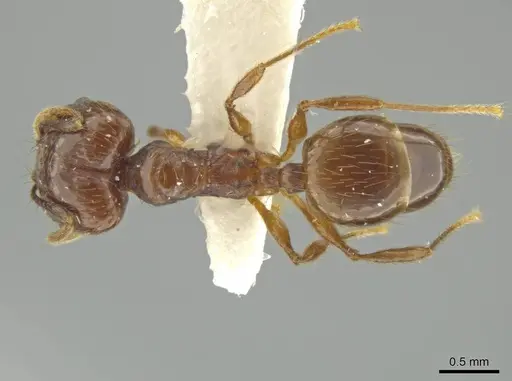
Literature
Loading distribution map...Loading products...