
Pheidole hortensis
- Sci. Name
- Pheidole hortensis
- Tribe
- Attini
- Subfamily
- Myrmicinae
- Author
- Forel, 1913
- Distribution
- Found in 3 countries
Introduction
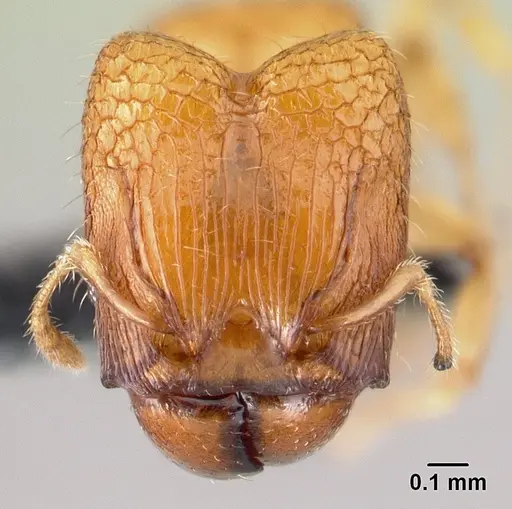
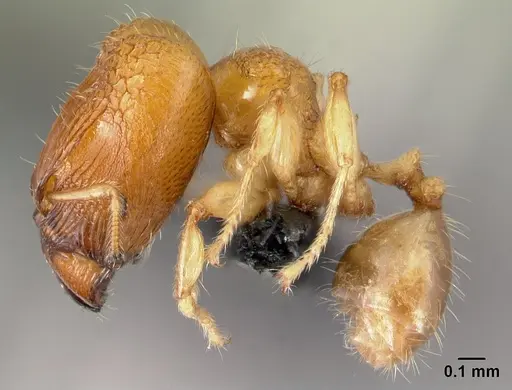
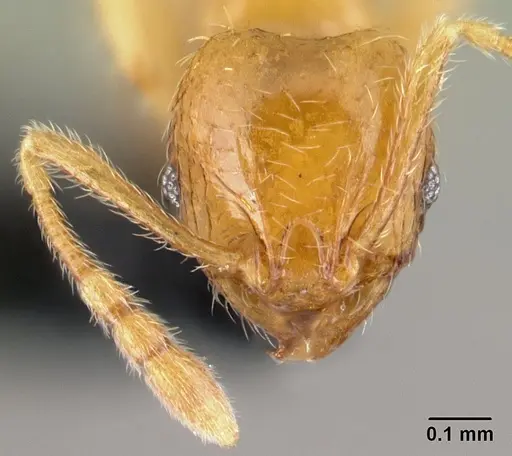
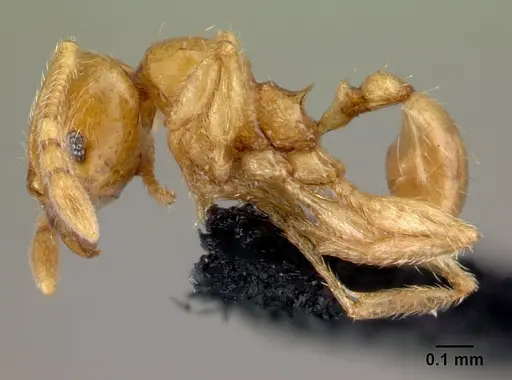
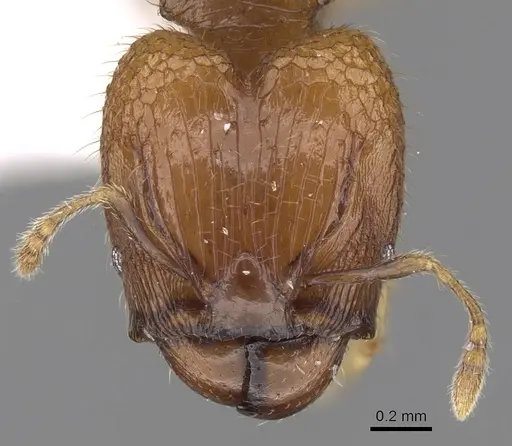
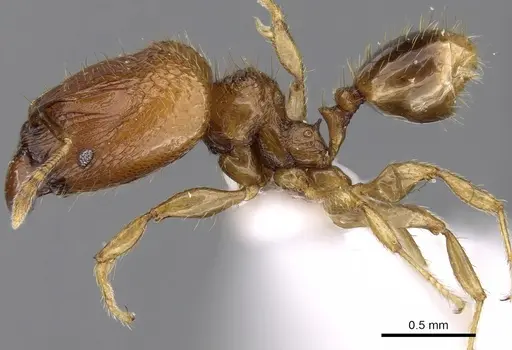
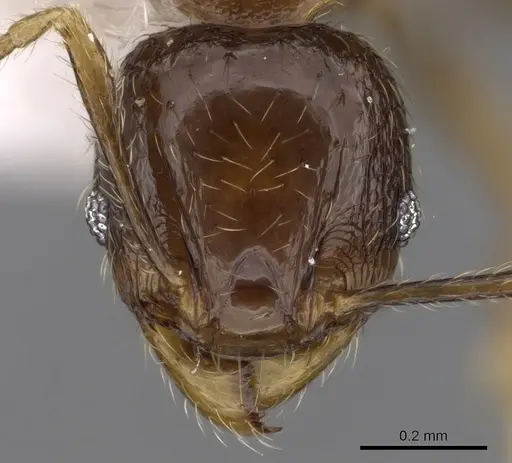
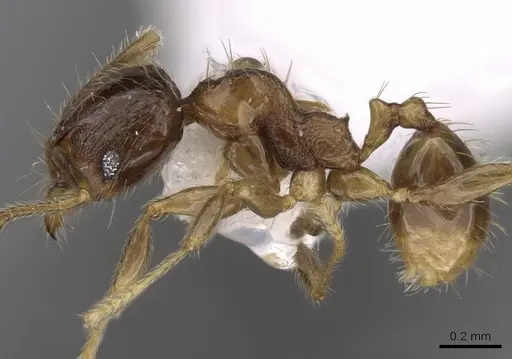
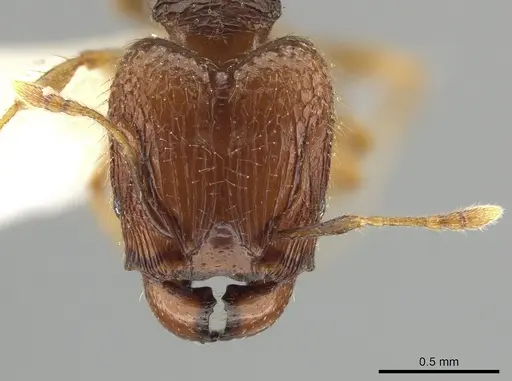
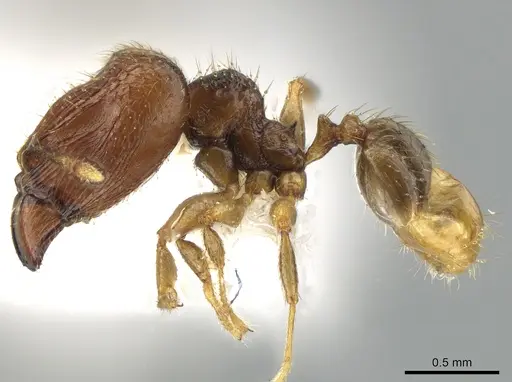
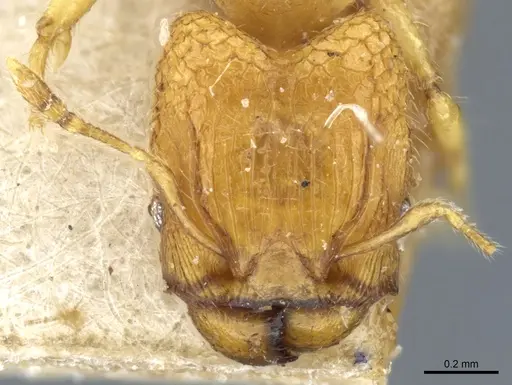
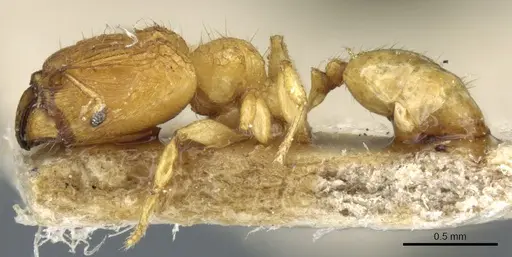
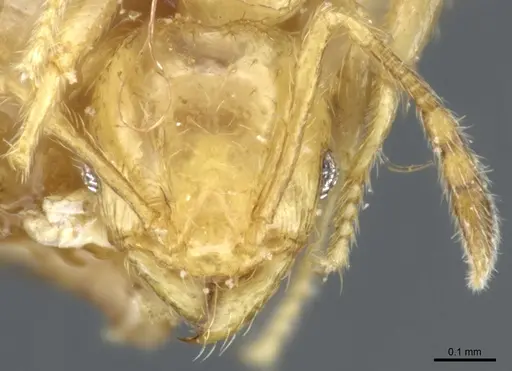
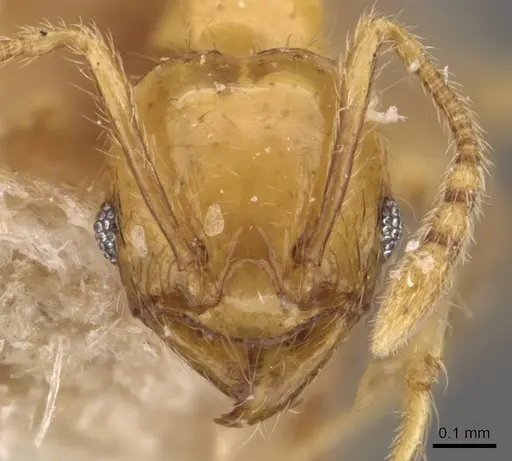
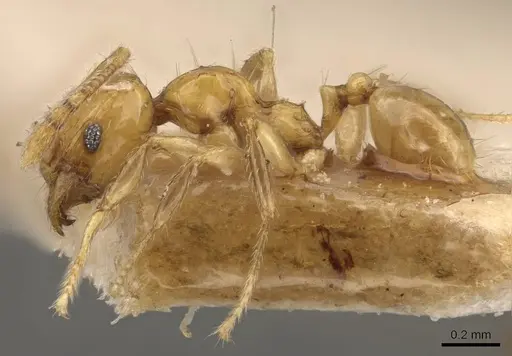
Pheidole hortensis is a small tropical ant species native to Southeast Asia, found across Borneo, Indonesia, Malaysia, the Philippines, Singapore, and Thailand . Major workers measure 1.8-2.6 mm in total length, while minors are 1.3-1.7 mm . The species inhabits diverse environments from well-developed forests to drier shrubby vegetation, nesting in rotting twigs and wood blocks on the ground . Colonies store tiny seeds in their nests, a behavior that aids seed dispersal in their ecosystem .
Quick Summary
- Difficulty: Easy
- Origin & Habitat: Tropical Southeast Asia including Borneo, Indonesia, Malaysia, Philippines, Singapore, and Thailand. Found in both well-developed forests and drier shrubby vegetation, typically nesting in rotting twigs and wood blocks on the ground [2][1].
- Colony Type: Monogyne, colonies have a single queen. Researchers have never found more than one dealate queen in any colony [2].
- Size & Growth:
- Queen: Size data unavailable, no total length measurements in research.
- Worker: Major workers 1.8-2.6 mm, minor workers 1.3-1.7 mm [2].
- Colony: Up to several hundred workers, estimated from genus patterns.
- Growth: Moderate, tropical species with relatively fast development.
- Development: 4-8 weeks at optimal tropical temperatures. (Development is faster than temperate species due to tropical origin.)
- Antkeeping:
- Temperature: Keep at 24-28°C, tropical species thrives in warm, stable conditions.
- Humidity: Keep nest substrate consistently moist but not waterlogged, based on nesting in rotting wood [2].
- Diapause: No, tropical species does not require hibernation.
- Nesting: In nature, they nest in rotting twigs and wood blocks on the ground [2]. In captivity, use test tubes or small nests with narrow chambers scaled to their size.
- Behavior: This species is generally peaceful and not aggressive toward keepers. Workers forage in leaf litter and are active both day and night [3]. Their small size means escape prevention is critical, minors can squeeze through tiny gaps [2].
- Common Issues: escape prevention is critical due to their very small size, minors can squeeze through tiny gaps., colonies may decline if kept too cool, maintain tropical temperatures., overfeeding can lead to mold in nest chambers, remove uneaten food promptly., wild-caught colonies may have parasites that can devastate captive populations., seed-storing behavior means they may ignore some protein offerings if seeds are available.
Housing and Nest Setup
Pheidole hortensis does well in simple setups. Test tubes work excellently for founding colonies, fill one section with water reservoir and plug with cotton, providing a dark area for the queen. Once the colony reaches 20-30 workers, connect to a small outworld for foraging. They naturally nest in rotting twigs and wood on the ground, so small nests with narrow chambers mimic their natural environment [2]. Provide appropriately scaled spaces to prevent ants from getting lost.
Feeding and Diet
This species is granivorous, meaning they collect and store seeds. In captivity, offer tiny seeds like sesame, millet, or crushed bird seed as a staple. They also need protein, offer small insects like fruit flies or pinhead crickets. Minor workers are too small to tackle large prey. Remove uneaten protein within 24-48 hours to prevent mold [2].
Temperature and Humidity
As a tropical species, Pheidole hortensis needs warmth. Keep the nest area at 24-28°C, this mimics their natural conditions. A slight temperature gradient is beneficial. For humidity, keep the nest substrate damp but not soggy, based on their nesting in rotting wood [2]. Avoid temperatures below 20°C for extended periods.
Colony Growth and Development
Colonies start with a queen who raises the first brood. The first workers emerge smaller than normal workers but begin foraging. Based on typical tropical ant development, expect first workers within 4-6 weeks, with the colony reaching 50 workers within a few months. Growth rate is moderate. Major workers develop as the colony grows, appearing when the colony reaches around 100 workers.
Behavior and Temperament
Pheidole hortensis is a peaceful species that poses no threat to keepers. Workers forage in leaf litter both day and night [3]. The most notable behavior is seed storage, colonies actively collect and store tiny seeds in their nests. Their small size makes them excellent escape artists, so use fine mesh barriers and tight-fitting lids [2].
Frequently Asked Questions
Can I keep Pheidole hortensis in a test tube?
Yes, test tubes work excellently for founding colonies. Use a standard test tube setup with a water reservoir sealed with cotton, providing a dark chamber for the queen. Once the colony reaches 30-50 workers, connect to a small outworld for foraging space.
How long until first workers appear?
Expect first workers in 4-6 weeks at optimal tropical temperatures (24-28°C). Development is faster than temperate ant species due to their tropical origin.
What do Pheidole hortensis eat?
They are granivorous, offer tiny seeds like sesame, millet, or crushed bird seed as a staple. Also provide protein sources like small insects. They may accept sugar water or honey occasionally [2].
Do they need hibernation?
No, they are a tropical species and do not require hibernation. Keep them warm year-round at 24-28°C. Temperatures below 20°C for extended periods can be harmful.
Are Pheidole hortensis good for beginners?
Yes, they are considered easy to keep. They are peaceful, don't require hibernation, and are not aggressive. The main challenges are their very small size and maintaining tropical temperatures.
How big do colonies get?
Colony size is not precisely documented, but estimated to reach several hundred workers based on genus patterns. Expect moderate growth over several months to a year.
Can I keep multiple queens together?
No, this species is monogyne, colonies have only a single queen. Multiple unrelated queens will fight. Only one queen per colony is recommended [2].
Why are my ants escaping?
Their very small size means they can squeeze through tiny gaps. Use fine mesh (at least 0.5mm or smaller), tight-fitting lids, and apply barrier tape around the edges of any connections [2].
When should I move them to a formicarium?
Move to a larger nest setup when the test tube becomes crowded (typically 50+ workers) or the water reservoir runs low. A small nest with narrow chambers works well.
Report an Issue
The current care sheet is based fully on literature. See inconsistencies, or something that's incorrect? Please , it will be resolved after review from an admin. Contributing to the blogs tab also helps providing information, to make us be able to further improve the caresheets. Thank you for your support!
References

This caresheet is licensed under CC BY-SA 4.0 .
Community Blogs
CASENT0179654
View on AntWeb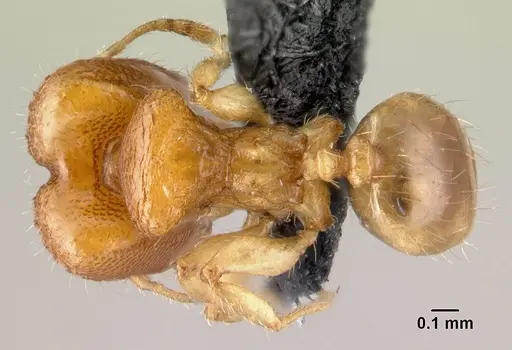
CASENT0179655
View on AntWeb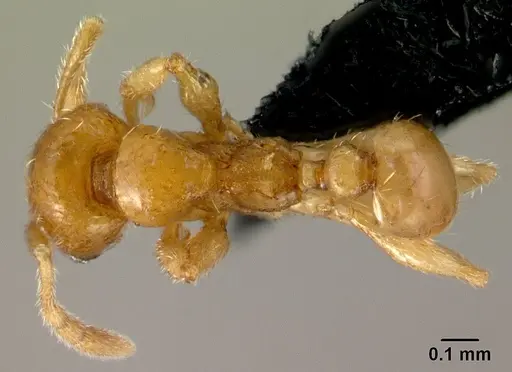
CASENT0281723
View on AntWeb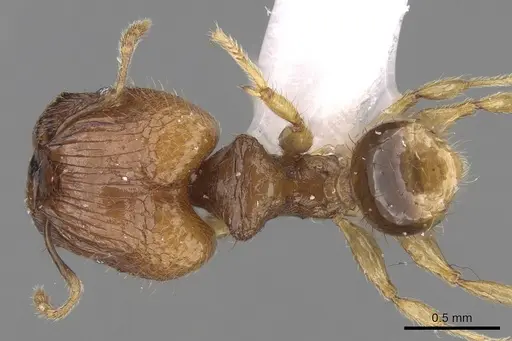
CASENT0281724
View on AntWeb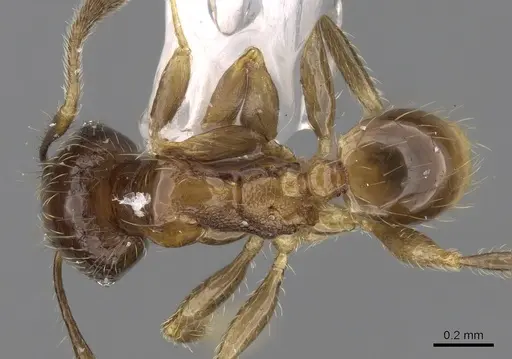
CASENT0616587
View on AntWeb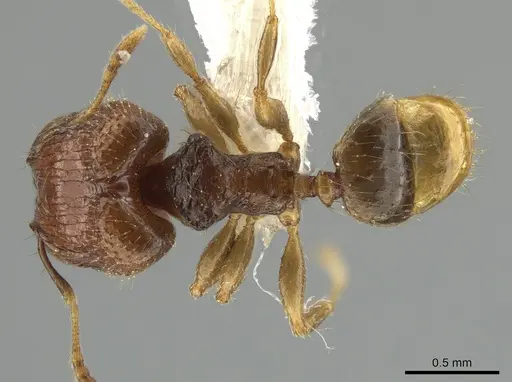
CASENT0904271
View on AntWeb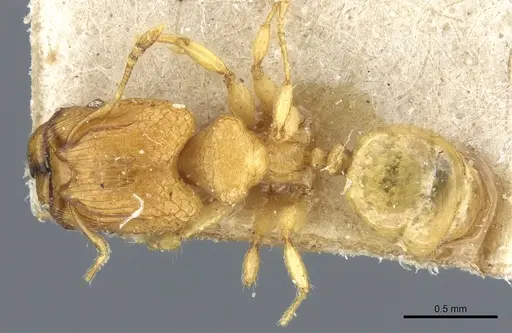
CASENT0904272
View on AntWeb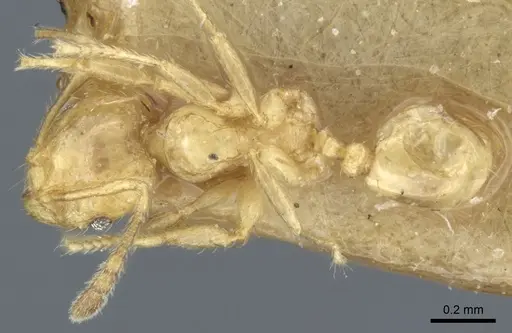
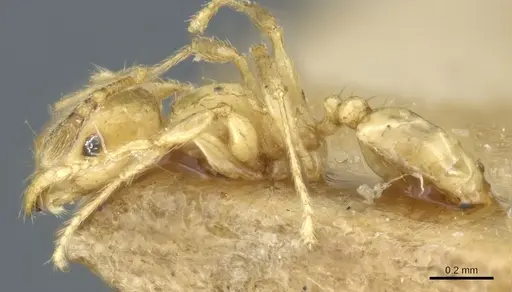
CASENT0907975
View on AntWeb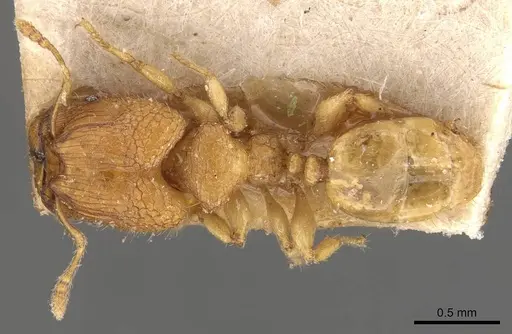
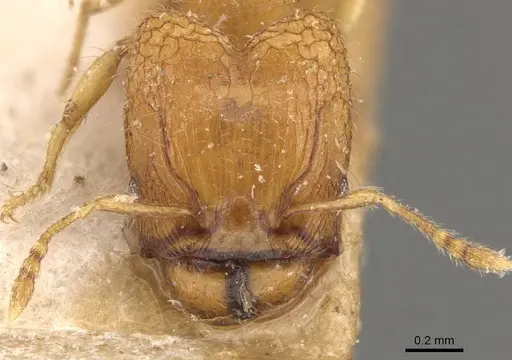
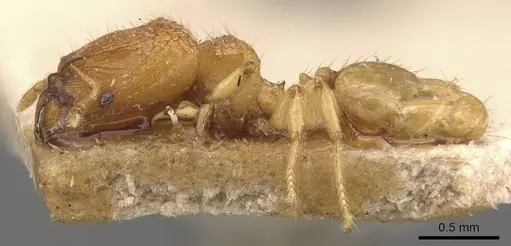
CASENT0907976
View on AntWeb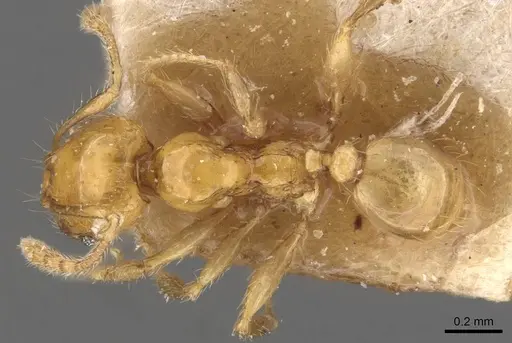
Literature
Loading distribution map...Loading products...