
Pheidole horribilis
- Sci. Name
- Pheidole horribilis
- Tribe
- Attini
- Subfamily
- Myrmicinae
- Author
- Wilson, 2003
- Distribution
- Found in 1 countries
Introduction
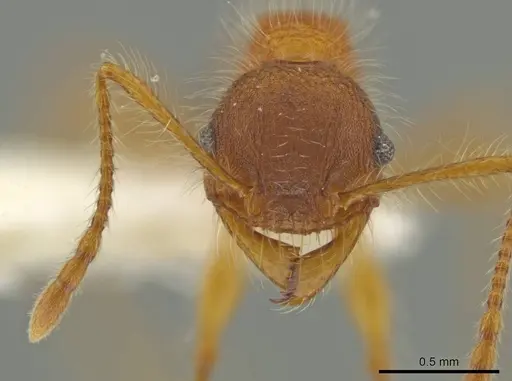
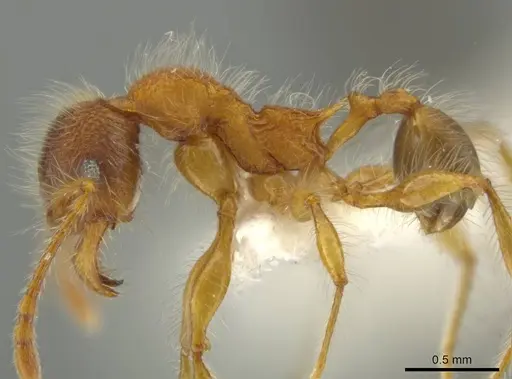
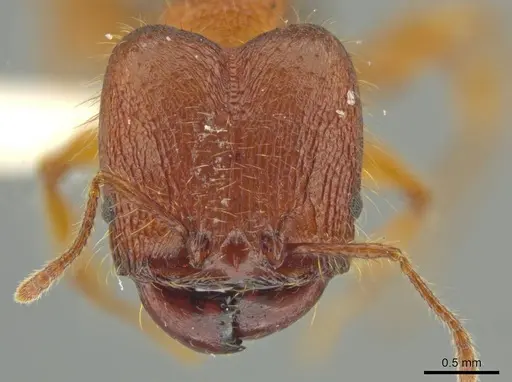
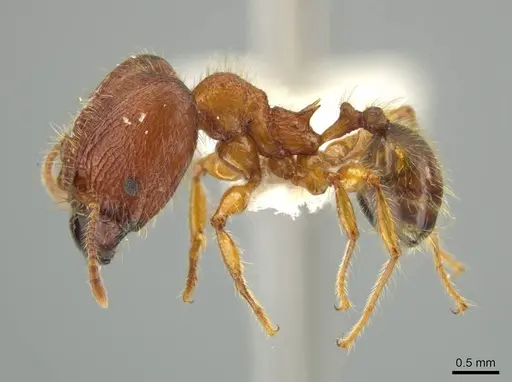
Pheidole horribilis is an Amazonian ant with major workers that have large heads and dense, erect hairs. The species name means 'dreadful, bristly, rough' . It inhabits rainforest floors in Ecuador, Peru, and Brazil, foraging on the ground and along fallen logs . A key trait is that major workers rarely forage, with less than 1% of foragers at food baits being majors, indicating they remain mostly nest-bound .
Quick Summary
- Difficulty: Medium
- Origin & Habitat: Amazonian rainforest in Ecuador, Peru, and Brazil, found in both várzea (flooded) and terra firme (upland) forests [3][4][5].
- Colony Type: Unconfirmed, no specific data on queen number or social structure.
- Size & Growth:
- Queen: Size data unavailable, no total length measurements found.
- Worker: Size data unavailable, no total length measurements found.
- Colony: Estimated up to several hundred workers based on genus patterns.
- Growth: Moderate.
- Development: Estimated 6-8 weeks at optimal tropical temperatures. (Development time is inferred from related Pheidole species, specific data for P. horribilis is unavailable.)
- Antkeeping:
- Temperature: Keep at 24-28°C, inferred from Amazonian habitat.
- Humidity: Keep nest substrate consistently moist but not waterlogged, due to low flood tolerance [2].
- Diapause: No diapause required, as species is from tropical region.
- Nesting: Use Y-tong (AAC) or plaster nests that hold humidity well.
- Behavior: Minor workers do most foraging, traveling short distances from the nest (averaging about 0.5 meters) [2]. Majors are rarely aggressive and stay in the nest, serving as defenders [2]. Escape risk is moderate due to small size, use standard prevention measures.
- Common Issues: mold can develop if humidity is too high and ventilation is poor., oversaturating the nest can harm the colony due to low flood tolerance [2]., growth may be slow compared to temperate species., wild-caught colonies may carry parasites that can devastate captive colonies., majors are rarely produced in captivity, which is normal for this species.
Housing and Nest Setup
You can use Y-tong (AAC) nests or plaster nests that hold humidity well. Because these ants come from rainforest environments, the nest needs to stay consistently humid. Use a water tube or moisture reservoir to maintain damp conditions. The chambers should be appropriately sized for small ants. A test tube setup can work for founding colonies, but transfer to a proper nest once the colony reaches 20-30 workers. Provide an outworld area for foraging with some substrate or hiding spots.
Feeding and Diet
You should offer protein sources like small crickets, mealworms, fruit flies, or other small insects twice weekly. They will also accept sugar sources like honey water or sugar water. In the wild, they prey on termites and other small invertebrates [1]. Remove uneaten prey after 24-48 hours to prevent mold.
Temperature and Humidity
Keep temperatures between 24-28°C, this is ideal for brood development and colony activity. A slight temperature gradient allows ants to self-regulate. Humidity should be maintained by keeping the nest substrate moist but not waterlogged, due to low flood tolerance [2]. Use a water tube and mist occasionally, but ensure adequate ventilation to prevent mold.
Colony Development and Growth
Colonies grow through brood production. Initial workers are nanitics, which are smaller than normal. As the colony matures, majors may appear, but in P. horribilis, they are produced sparingly, less than 1% of foragers are majors [2]. Growth rate is moderate, and colonies can reach up to several hundred workers under good conditions.
Behavior and Foraging
Minor workers do almost all foraging, traveling short distances from the nest (averaging about 0.5 meters) [2]. They are not dominant at food sources and don't recruit heavily. Major workers remain mostly in the nest, likely serving as defenders. These ants are not particularly aggressive toward keepers and rarely sting. Use standard escape prevention due to small size.
Frequently Asked Questions
How long does it take for Pheidole horribilis to produce first workers?
First workers typically appear within 6-8 weeks after the queen lays eggs, assuming temperatures around 25-28°C. This is an estimate based on related Pheidole species, specific data for P. horribilis is unavailable.
Do Pheidole horribilis majors forage or stay in the nest?
Majors rarely forage, studies show less than 1% of foragers at baits are majors. They remain mostly nest-bound and likely serve as defenders [2].
What do Pheidole horribilis eat?
They are omnivorous but prefer protein. Feed small insects like fruit flies, small crickets, or mealworms twice weekly. They will also accept sugar water or honey. In the wild, they prey on termites and other small invertebrates [1].
Are Pheidole horribilis good for beginners?
They are moderate difficulty. Their high humidity requirements and need for warm temperatures make them slightly more challenging, but their calm temperament makes them suitable for intermediate antkeepers.
Do Pheidole horribilis need hibernation?
No. As an Amazonian species, they do not require diapause or hibernation. Keep them warm year-round (24-28°C) and they will remain active.
How big do Pheidole horribilis colonies get?
Colonies are estimated to reach up to several hundred workers based on genus patterns.
Can I keep multiple Pheidole horribilis queens together?
This is not recommended, as colony structure is unconfirmed and combining queens may result in fighting.
What humidity level do Pheidole horribilis need?
Keep the nest substrate consistently moist but not waterlogged, due to low flood tolerance [2].
When should I move Pheidole horribilis to a formicarium?
Move them when the colony reaches 20-30 workers or when the test tube becomes crowded. A Y-tong or plaster nest works well for this species.
Report an Issue
The current care sheet is based fully on literature. See inconsistencies, or something that's incorrect? Please , it will be resolved after review from an admin. Contributing to the blogs tab also helps providing information, to make us be able to further improve the caresheets. Thank you for your support!
References

This caresheet is licensed under CC BY-SA 4.0 .
Community Blogs
CASENT0645799
View on AntWeb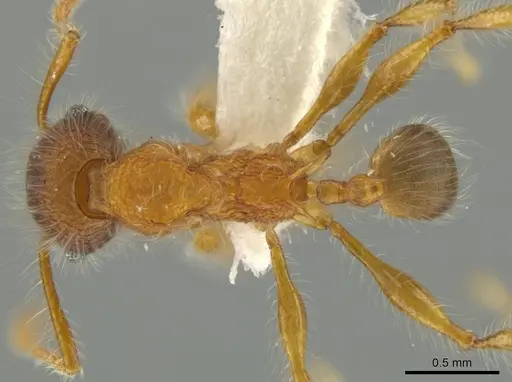
JTLC000016405
View on AntWeb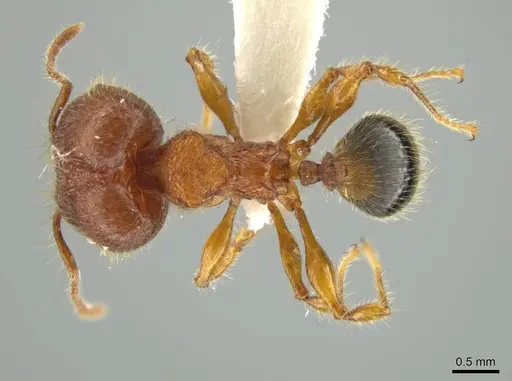
Literature
Loading distribution map...Loading products...