
Pheidole heyeri
- Sci. Name
- Pheidole heyeri
- Tribe
- Attini
- Subfamily
- Myrmicinae
- Author
- Forel, 1899
- Distribution
- Found in 1 countries
Introduction
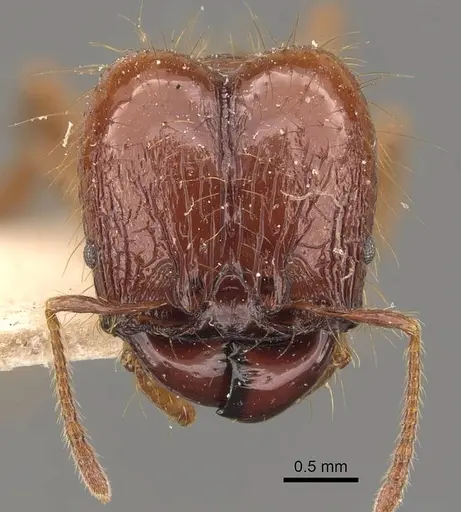
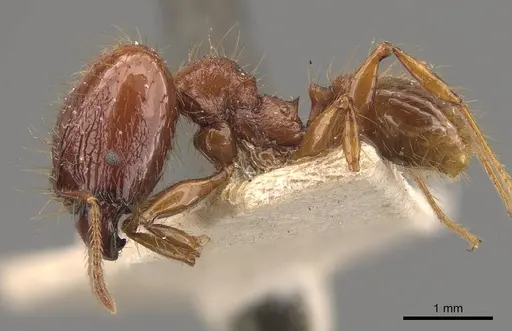
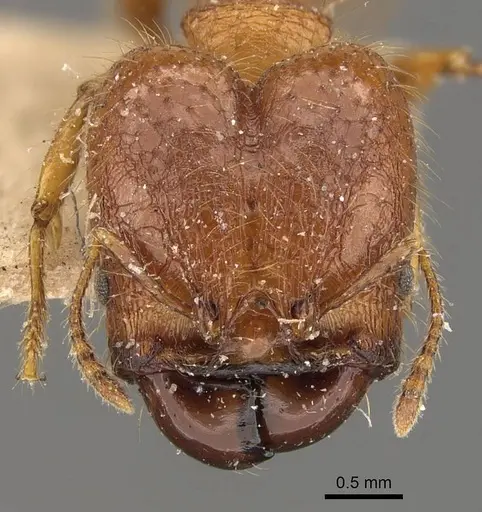
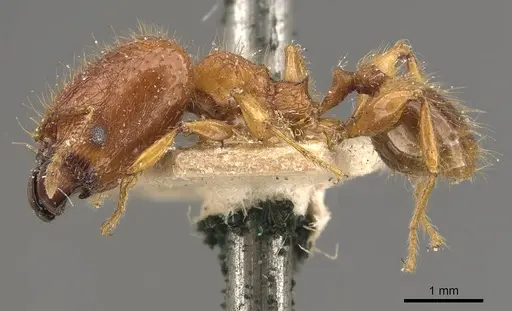
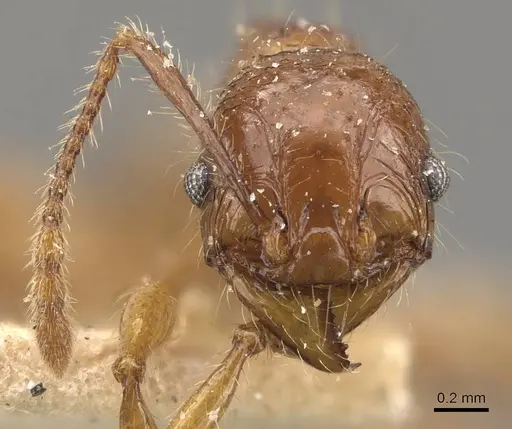
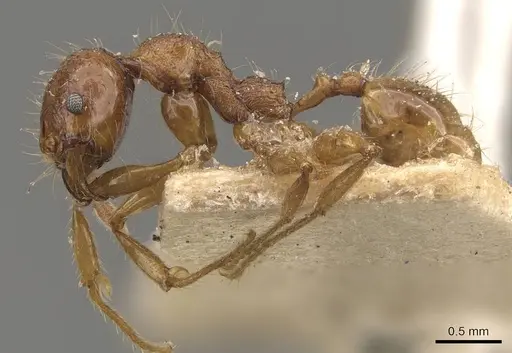
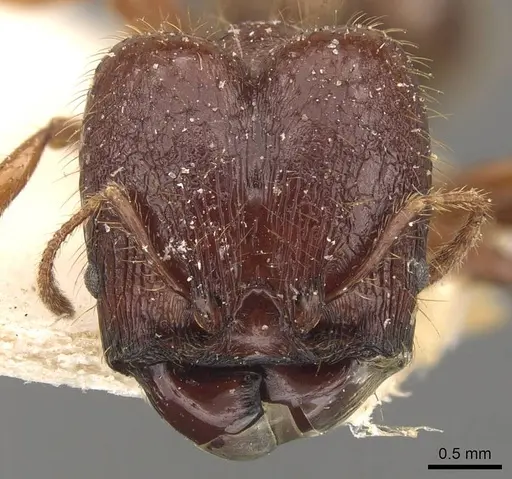
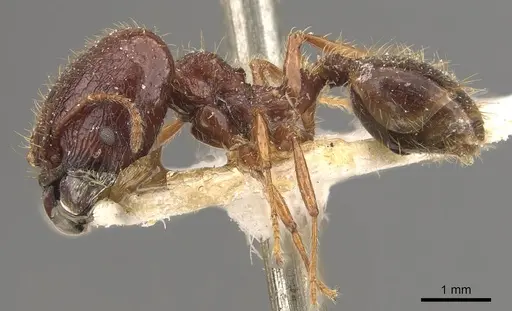
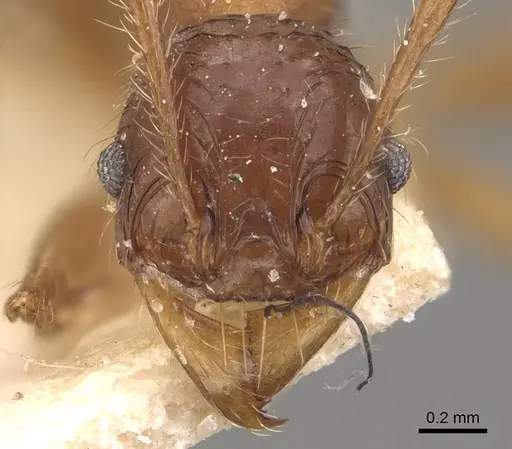
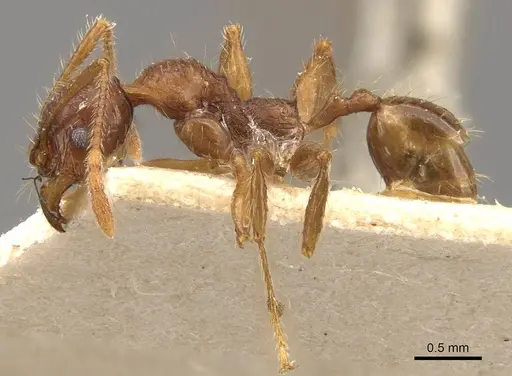
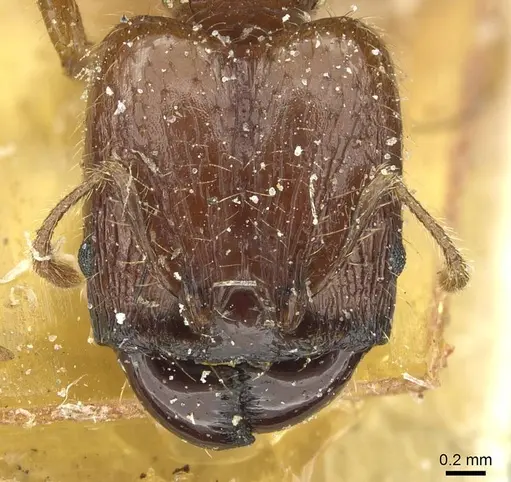
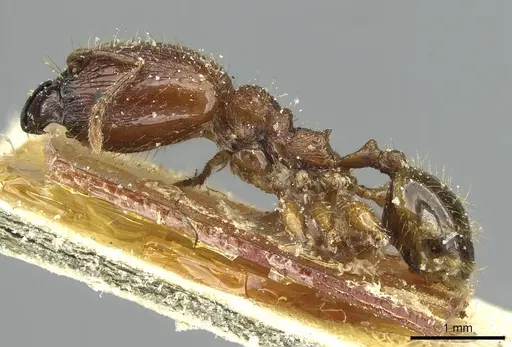
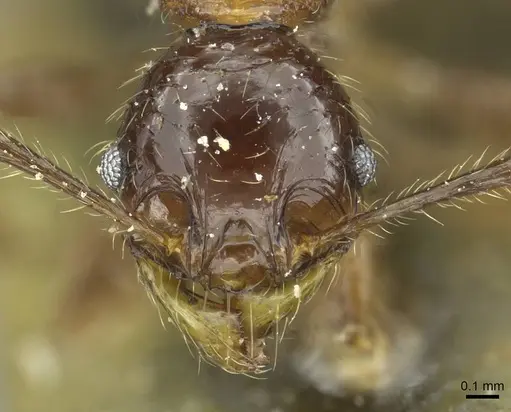
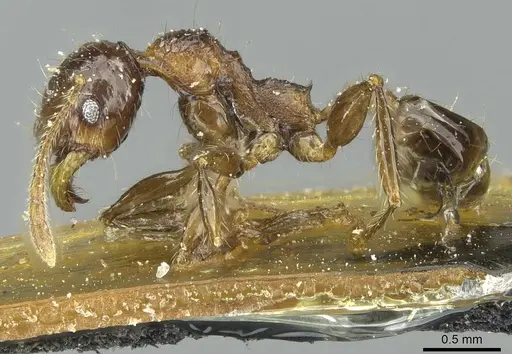
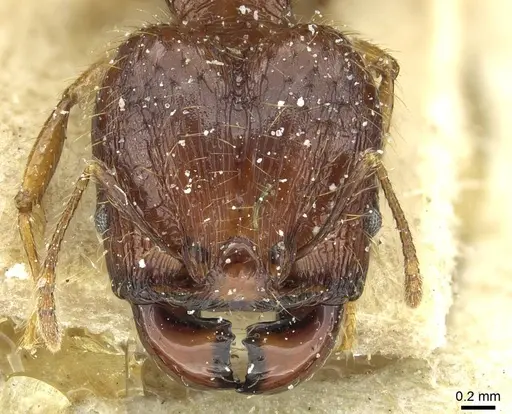
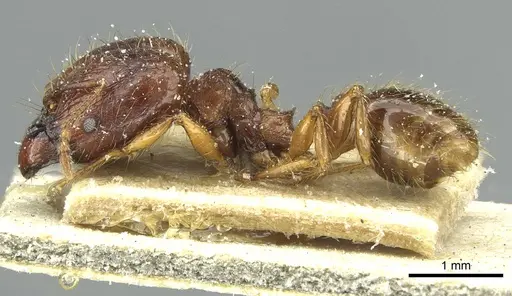
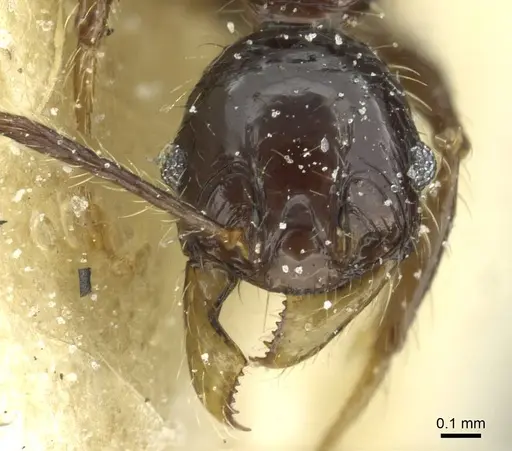
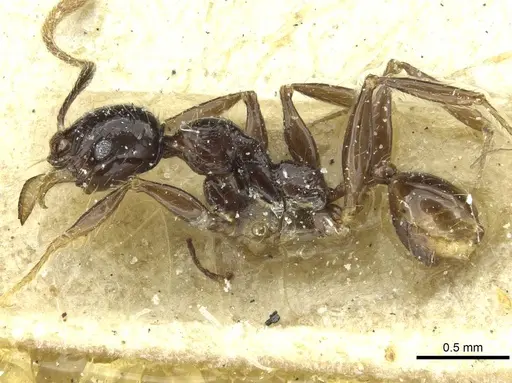
Pheidole heyeri is a small ant species native to southern Brazil. Major workers have large heads characteristic of Pheidole, while minor workers are much smaller. Both castes are reddish-yellow in color. This species is found in São Paulo, Rio Grande do Sul, and Santa Catarina states, in subtropical grasslands and both native and modified landscapes like eucalyptus plantations . The biology of Pheidole heyeri is largely unstudied, but it is part of the tristis group associated with southern Brazilian grasslands .
Quick Summary
- Difficulty: Unknown
- Origin & Habitat: Southern Brazil (São Paulo, Rio Grande do Sul, Santa Catarina), subtropical grasslands and modified landscapes [1][2][3][4]
- Colony Type: Unconfirmed, no specific data on queen number or social structure [1]
- Size & Growth:
- Queen: Size data unavailable, inferred from Pheidole genus to be around 6-8 mm
- Worker: Size data unavailable, inferred from Pheidole genus to be small
- Colony: Up to several hundred workers (estimated from genus patterns)
- Growth: Moderate (inferred from Pheidole genus)
- Development: Estimated 6-8 weeks (inferred from Pheidole genus) (Development time is unstudied, estimates based on related species)
- Antkeeping:
- Temperature: Keep roughly 22-26°C, based on subtropical climate inference [1][2]
- Humidity: Keep nest substrate consistently moist but not waterlogged [1]
- Diapause: Yes, based on geographic range inference [1][2]
- Nesting: Standard test tube setup for founding, Y-tong or plaster nests for larger colonies (inferred from Pheidole genus) [1]
- Behavior: Pheidole species are generally non-aggressive but will defend nests. Escape risk is high for minor workers due to small size [1]
- Common Issues: Escape of tiny minor workers through standard barriers., Temperature stress due to unstudied preferences., Mold from overfeeding if food not removed promptly.
Appearance and Identification
Pheidole heyeri has major workers with large heads and minor workers with smaller heads. Both castes are reddish-yellow. The species is part of the tristis group [5]. Specific morphological details are available in AntWiki [1].
Distribution and Habitat
This species is found in southern Brazil, including São Paulo, Rio Grande do Sul, and Santa Catarina states. It inhabits subtropical grasslands and has been recorded in both native forest and eucalyptus plantations [1][2][3][4].
Feeding and Diet
Nothing is known about the diet of Pheidole heyeri [1].
Temperature and Seasonal Care
Temperature needs are unstudied. Based on the subtropical climate of its native range, keep the nest at roughly 22-26°C [1][2].
Colony Development
Colony development is unstudied. Founding behavior is unconfirmed [1].
Housing and Nesting
For founding, a standard test tube setup is recommended. For larger colonies, Y-tong or plaster nests can be used [1].
Frequently Asked Questions
How long does it take for Pheidole heyeri to produce first workers?
This is unstudied for Pheidole heyeri. Based on typical Pheidole patterns, expect first workers in about 6-8 weeks under warm conditions [1].
What do Pheidole heyeri ants eat?
Diet is unknown for this species [1].
Can I keep multiple Pheidole heyeri queens together?
This is unconfirmed for this species. Most Pheidole species are monogyne, but no data exists for P. heyeri [1].
Do Pheidole heyeri need hibernation?
Based on geographic range, likely requires diapause during cooler months [1][2].
How big do Pheidole heyeri colonies get?
Colony size is unstudied, but estimated to reach up to several hundred workers based on genus patterns [1].
What is the best nest type for Pheidole heyeri?
Start with a test tube setup for founding. For larger colonies, Y-tong or plaster nests are suitable [1].
Is Pheidole heyeri good for beginners?
Difficulty is unknown due to unstudied biology. General Pheidole care may apply, but species-specific data is lacking [1].
Why are my Pheidole heyeri dying?
Causes are uncertain without species-specific research. Common issues include escape of small workers, temperature stress, or mold from overfeeding [1].
Where is Pheidole heyeri found?
Pheidole heyeri is endemic to southern Brazil, including São Paulo, Rio Grande do Sul, and Santa Catarina states, in subtropical grasslands and modified landscapes [1][2].
Report an Issue
The current care sheet is based fully on literature. See inconsistencies, or something that's incorrect? Please , it will be resolved after review from an admin. Contributing to the blogs tab also helps providing information, to make us be able to further improve the caresheets. Thank you for your support!
References

This caresheet is licensed under CC BY-SA 4.0 .
Community Blogs
CASENT0908169
View on AntWeb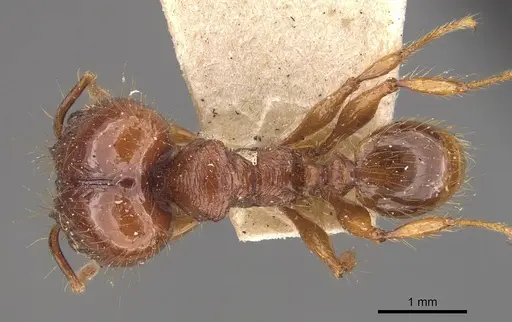
CASENT0908179
View on AntWeb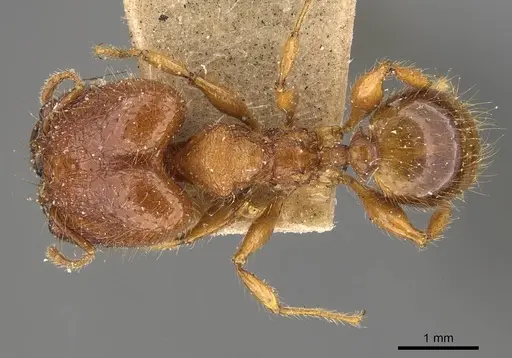
CASENT0908180
View on AntWeb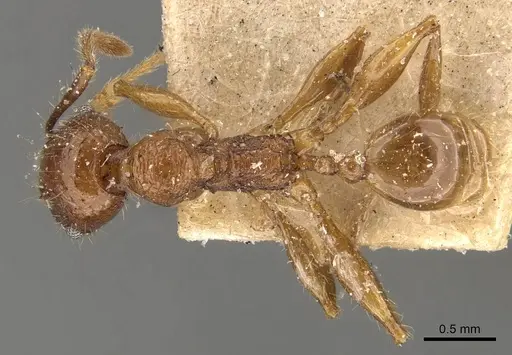
CASENT0908181
View on AntWeb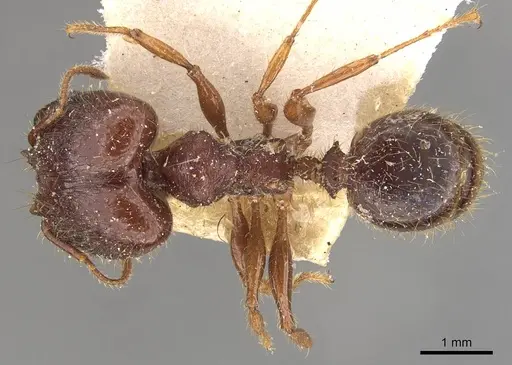
CASENT0908182
View on AntWeb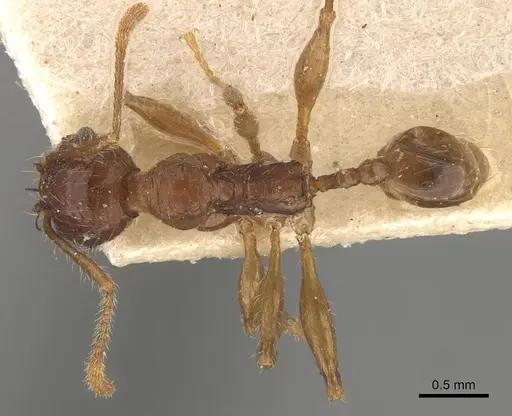
CASENT0913330
View on AntWeb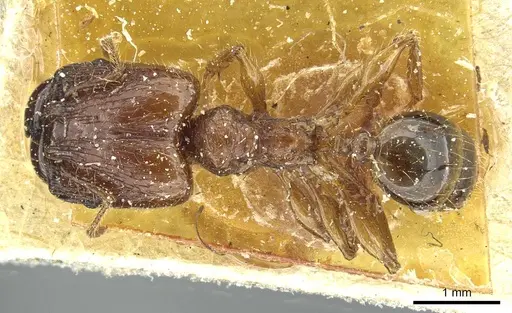
CASENT0913331
View on AntWeb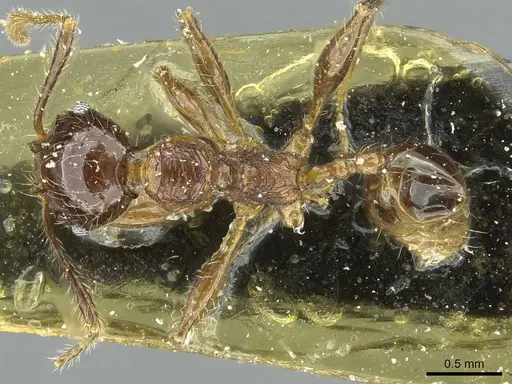
CASENT0913332
View on AntWeb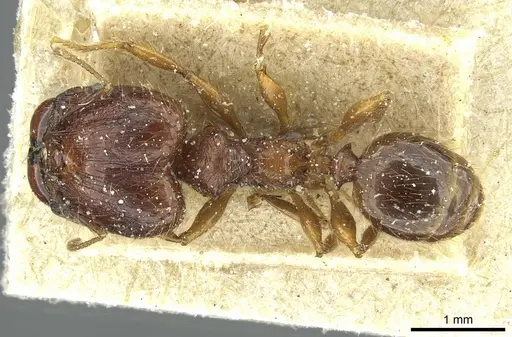
CASENT0913333
View on AntWeb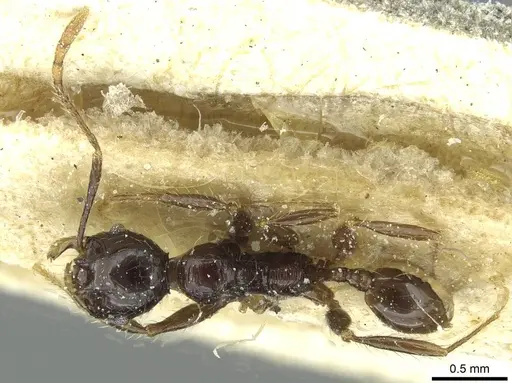
Literature
Loading distribution map...Loading products...