
Pheidole hetschkoi
- Sci. Name
- Pheidole hetschkoi
- Tribe
- Attini
- Subfamily
- Myrmicinae
- Author
- Emery, 1896
- Distribution
- Found in 1 countries
Introduction
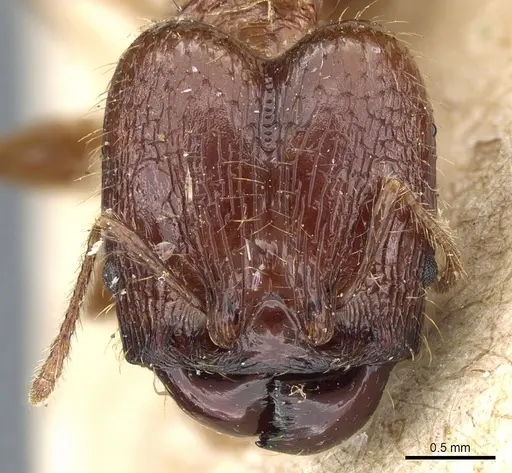
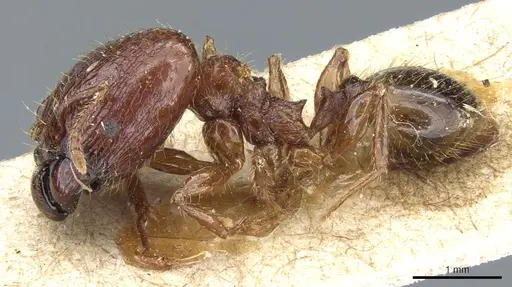
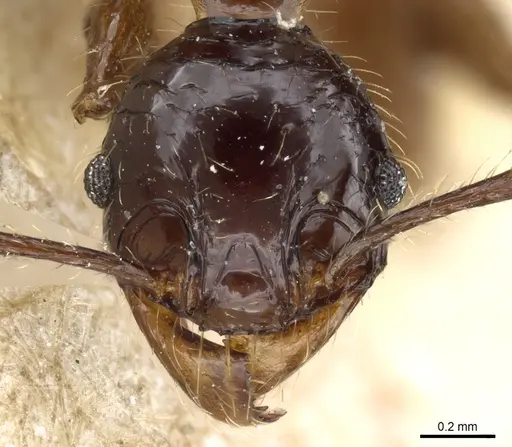
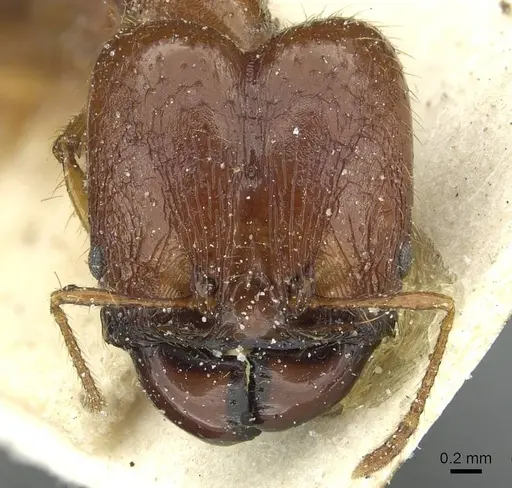
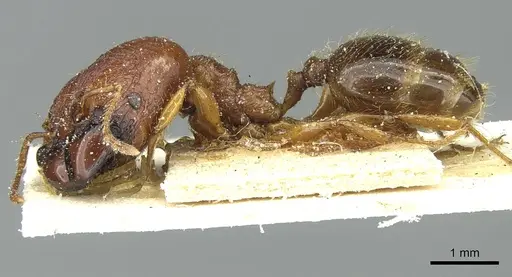
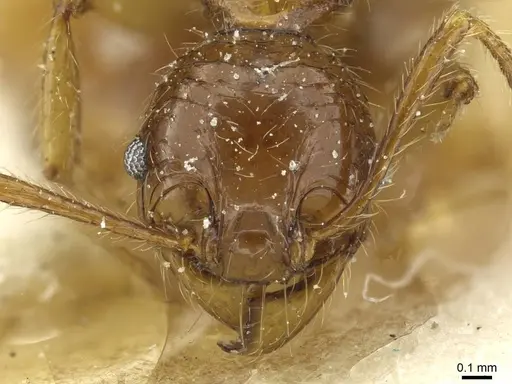
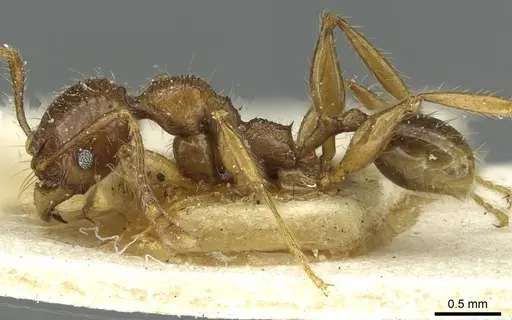
Pheidole hetschkoi is a seed-harvesting ant from montane rainforests in southeastern Brazil, including states like Santa Catarina, Espírito Santo, and São Paulo at elevations of 750-800 meters . The species shows dramatic caste differences: majors have robust heads and mandibles for crushing seeds, while minors are slender and handle foraging and brood care . Colonies actively collect and store seeds in nests, as observed at the Boraceia Biological Station . This ant's montane origin means it prefers moderate temperatures and stable humidity, unlike lowland tropical species. Keepers should focus on escape prevention due to the tiny minor workers and provide seed-based diets to support the majors' specialized role.
Quick Summary
- Difficulty: Medium
- Origin & Habitat: Montane rainforest in southeastern Brazil (Santa Catarina, Espírito Santo, São Paulo states) at 750-800m elevation [1].
- Colony Type: Based on Pheidole genus patterns, likely monogyne (single-queen), but not directly confirmed in field studies.
- Size & Growth:
- Queen: Size data unavailable, inferred from Pheidole genus to be around 5-7mm based on typical proportions.
- Worker: Size data unavailable, majors are larger with robust mandibles for seed crushing, minors are smaller and handle foraging [2].
- Colony: Unknown, likely reaches hundreds to thousands of workers based on genus patterns (estimated).
- Growth: Moderate to fast (estimated based on tropical Pheidole patterns).
- Development: 6-10 weeks at 24°C (estimated based on related Pheidole species, not directly measured) [1]. (First workers may arrive slightly faster but will be smaller than subsequent workers.)
- Antkeeping:
- Temperature: Keep at 20-24°C with a gentle gradient [1]. Montane origin means they prefer moderate temperatures, avoid sustained heat above 26°C.
- Humidity: Keep nest substrate consistently moist but not waterlogged, mimicking rainforest floor conditions [1].
- Diapause: Not required. As a tropical montane species, they do not need hibernation, though activity may slow in cooler months [1].
- Nesting: Use Y-tong (AAC) or plaster nests with multiple chambers. Provide a humidity gradient from moist to slightly dry areas [1].
- Behavior: Seed-harvesting specialists with distinct division of labor. Majors use powerful bites to crack seeds, while minors forage and tend brood [2]. Minors are extremely small and can escape through tiny gaps, requiring excellent barriers. Colonies show moderate aggression and will defend seed stores. Primary defense is stinging, as typical for Myrmicinae ants.
- Common Issues: minors are tiny and escape through gaps that larger ants cannot, requiring excellent mesh and barriers., colonies may fail to produce major workers if protein intake is insufficient, majors require abundant food to develop., montane origin makes them sensitive to overheating, sustained temperatures above 26°C can stress or kill the colony., seed stores in the nest can mold if humidity is too high or ventilation is poor., slow initial growth can lead to overfeeding by impatient keepers, causing mold outbreaks.
Natural History and Habitat
Pheidole hetschkoi lives in montane rainforests at 750-800m elevation in southeastern Brazil [1]. They nest in forest floor litter and soil, creating seed caches for food storage [1][2]. The cool, stable temperatures and consistent moisture of this habitat mean keepers should avoid overheating and maintain moderate humidity [1].
Housing and Escape Prevention
Start queens in test tubes with water reservoirs. Move to Y-tong or plaster nests once workers arrive [1]. Escape prevention is critical due to minor workers' small size, use fine mesh under 0.5mm and apply Fluon barriers [2][1]. Check all seals carefully, as even small gaps can allow escapes.
Feeding and Diet
These ants are seed harvesters. Offer small seeds like millet or chia, as majors crack hard seed coats [2][1]. Supplement with protein sources like fruit flies for brood development. Remove uneaten protein to prevent mold in humid conditions.
Caste System and Development
Majors have robust mandibles for seed crushing, while minors handle foraging [2]. Colonies typically start producing majors after reaching 30-50 workers, but this varies with nutrition. Ensure abundant protein and seeds to encourage major development.
Temperature and Seasonal Care
Maintain 20-24°C with a gentle gradient [1]. Do not hibernate, as a tropical species, they remain active year-round, though activity may slow below 18°C.
Frequently Asked Questions
Can I keep Pheidole hetschkoi in a test tube?
Yes, start your queen in a standard test tube setup. Move to a formicarium when they have 20-30 workers [1].
How long until Pheidole hetschkoi get their first workers?
Expect first workers in approximately 6-10 weeks at 24°C, based on related Pheidole species [1].
Do Pheidole hetschkoi need major workers to survive?
Yes, majors are essential for processing hard seeds, which form a significant part of their diet [2].
What seeds do Pheidole hetschkoi eat?
Offer small seeds like millet or chia, as they naturally harvest and cache seeds [2][1].
Can I keep multiple Pheidole hetschkoi queens together?
Not recommended, as they likely form single-queen colonies and may fight if combined.
When should I move my Pheidole hetschkoi to a formicarium?
Move them when the colony reaches 20-50 workers to provide space for majors [1].
Do Pheidole hetschkoi need hibernation?
No, they do not need hibernation, keep them active at 20-24°C year-round [1].
Why isn't my colony producing major workers?
Young colonies often have only minors initially. Ensure enough protein and seeds to support major development [2].
Are Pheidole hetschkoi good for beginners?
They are medium difficulty due to escape risks and temperature needs, so better for keepers with some experience.
Report an Issue
The current care sheet is based fully on literature. See inconsistencies, or something that's incorrect? Please , it will be resolved after review from an admin. Contributing to the blogs tab also helps providing information, to make us be able to further improve the caresheets. Thank you for your support!
References

This caresheet is licensed under CC BY-SA 4.0 .
Community Blogs
CASENT0904372
View on AntWeb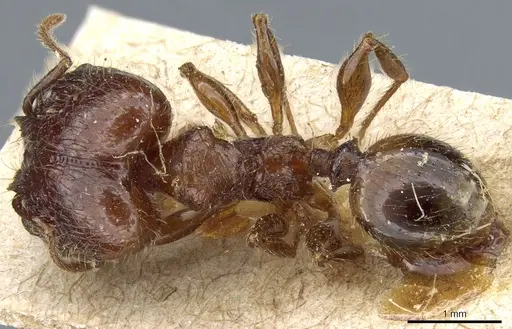
CASENT0904373
View on AntWeb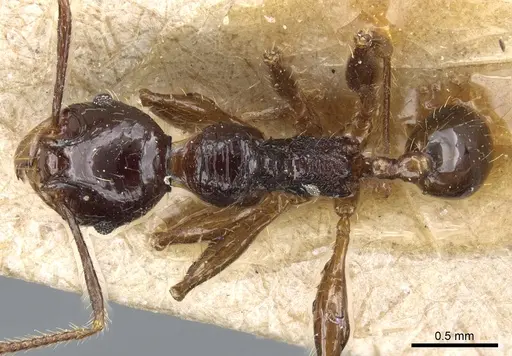
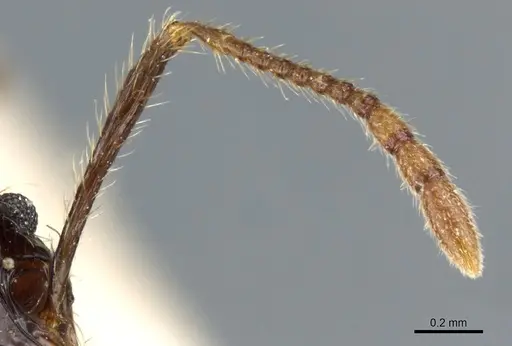
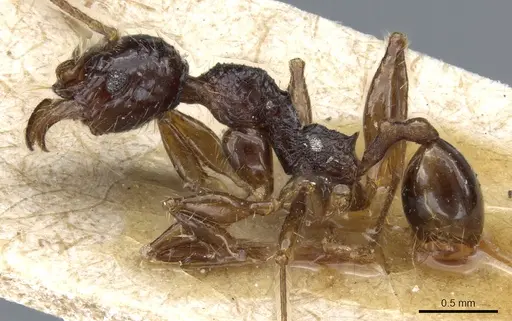
CASENT0913334
View on AntWeb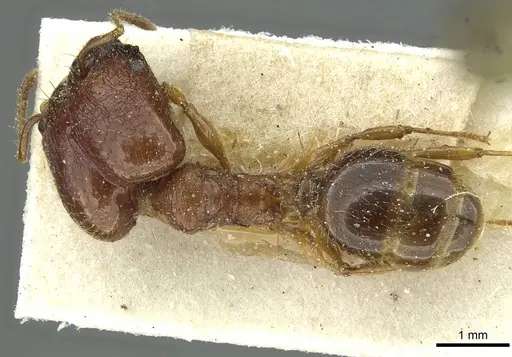
CASENT0913335
View on AntWeb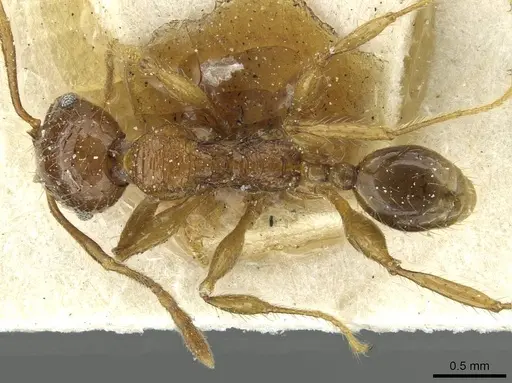
Literature
Loading distribution map...Loading products...