
Pheidole havoana
- Sci. Name
- Pheidole havoana
- Tribe
- Attini
- Subfamily
- Myrmicinae
- Author
- Salata & Fisher, 2020
- Distribution
- Found in 1 countries
Introduction
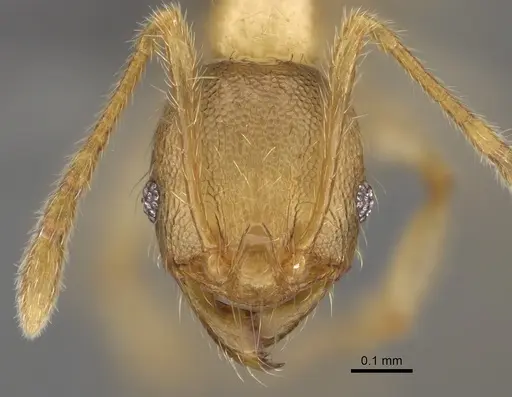
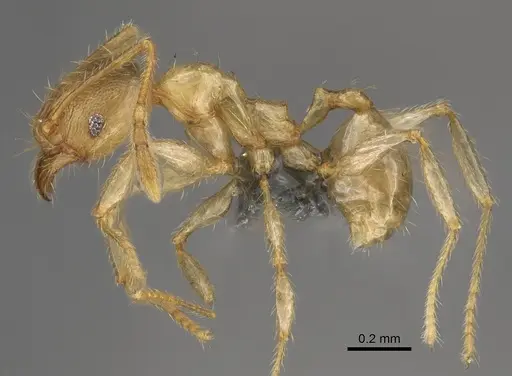
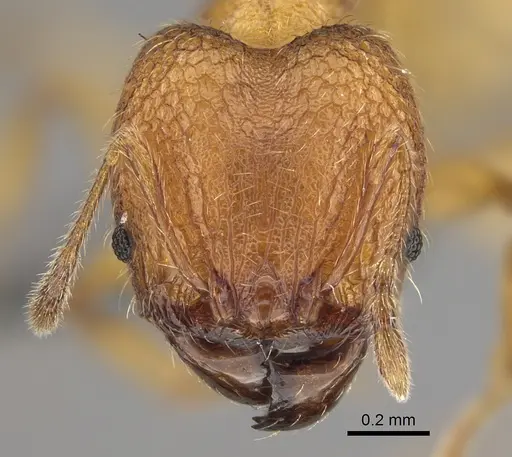
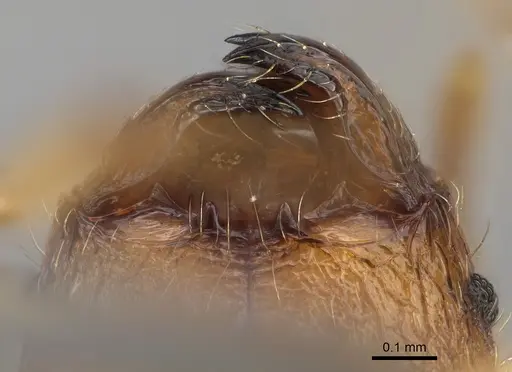
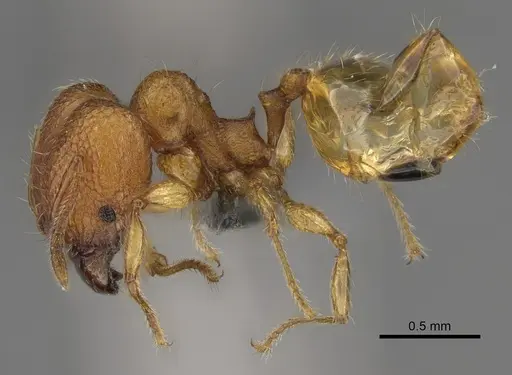
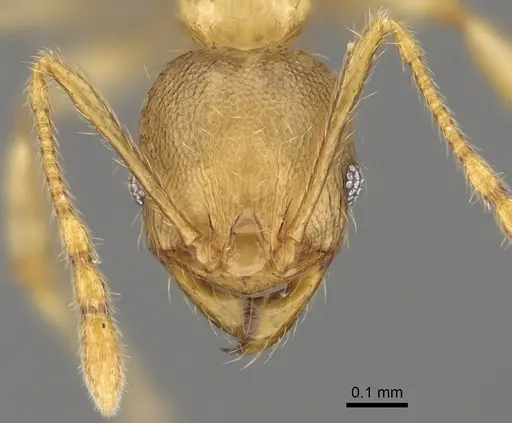
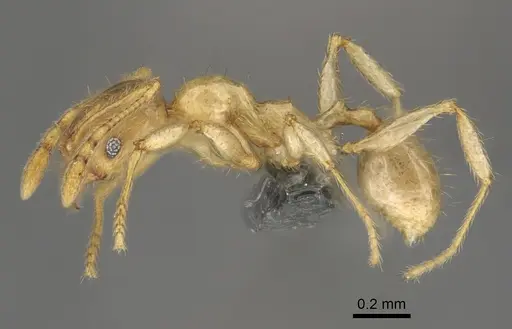
Pheidole havoana is a minute ant species native to the rainforests of Madagascar, recently described in 2020. It belongs to the sikorae species group and was discovered at 1125 meters elevation in the Anosyenne Mountains, where nests are located in rotten logs under stones and in root mats . This is a newly described species with limited captive husbandry data available. Based on typical Pheidole patterns, they are generalist foragers that likely consume seeds, small insects, and honeydew.
Quick Summary
- Difficulty: Medium
- Origin & Habitat: Madagascar, Anosy Region, Anosyenne Mountains at 1125m elevation in rainforest habitat. Nests found in rotten logs under stones and in root mats [1].
- Colony Type: Colony structure is unconfirmed for this specific species. Based on typical Pheidole patterns, they are likely monogyne (single queen), but this is not confirmed for P. havoana.
- Size & Growth:
- Queen: Size data unavailable, inferred from Pheidole genus to be around 4-6mm
- Worker: Size data unavailable, inferred from Pheidole genus to be minute, with majors larger than minors
- Colony: Unknown for this species
- Growth: Moderate, inferred from genus patterns
- Development: 6-10 weeks estimated based on typical Pheidole development at 24-28°C (Development time is estimated from related species, direct observations for P. havoana are not available)
- Antkeeping:
- Temperature: Keep warm, roughly low-to-mid 20s°C, based on rainforest habitat [1].
- Humidity: Keep nest substrate consistently moist but not waterlogged, based on rainforest habitat [1].
- Diapause: Based on tropical rainforest habitat, diapause is unlikely [1].
- Nesting: Prefer humid nest environments. Y-tong or plaster nests work well. Naturalistic setups with moist soil and hiding structures mimic their natural rotten log habitat [1].
- Behavior: Based on typical Pheidole patterns, they are generalist foragers and not aggressive toward humans. Their tiny size makes them vulnerable to escape, so excellent barriers are needed.
- Common Issues: escape prevention is critical due to their minute size, they can squeeze through very small gaps, high humidity requirements can lead to mold issues if ventilation is poor, limited biological data means husbandry is largely based on genus inference, be prepared to experiment, wild-caught colonies may carry parasites or diseases from their native habitat, tropical warmth requirements may conflict with typical room temperature conditions in temperate homes
Housing and Nest Setup
For this tiny rainforest species, a Y-tong nest or plaster nest works well. The key requirement is maintaining high humidity while preventing flooding. Use a water reservoir connected to a cotton wick to provide moisture gradually. Nest chambers should be appropriately scaled for their minute size. A naturalistic setup with moist soil, pieces of rotting wood, and root material mimics their natural environment [1]. Ensure the outworld has tight-fitting barriers, these ants are tiny and excellent escape artists. Use fluon on container edges and fine mesh on ventilation holes.
Feeding and Diet
Based on typical Pheidole patterns, they are generalist foragers. In captivity, offer protein sources such as small insects and seeds, along with sugar sources like honey water. Feed protein 2-3 times per week and keep sugar water available constantly. Remove uneaten food promptly to prevent mold in the humid environment.
Temperature and Humidity
Maintain warm conditions, roughly low-to-mid 20s°C, based on their rainforest habitat [1]. Use a heating cable if room temperature is too low. Humidity should be kept high with consistently moist substrate, but avoid waterlogging. Provide a small dry area within the nest so workers can self-regulate.
Colony Development
Pheidole havoana is a recently described species, so specific development data is not available. Based on typical Pheidole genus patterns, expect 6-10 weeks from egg to first worker at optimal temperatures. The colony will grow gradually, with major workers appearing once the colony reaches several hundred workers. Pheidole colonies can live for several years with proper care.
Handling and Temperament
These ants are not aggressive and rarely bite. Their small size makes them difficult to handle directly. When observing or transferring colonies, use gentle techniques like blowing gently to encourage movement. Focus on excellent escape prevention rather than defensive behavior.
Frequently Asked Questions
How long does it take for Pheidole havoana to produce first workers?
Based on typical Pheidole genus development, expect 6-10 weeks from egg to first worker at optimal temperatures (24-28°C). This is an estimate since captive development has not been documented for this species.
What do Pheidole havoana ants eat?
They likely accept a standard Pheidole diet: small insects, seeds, and sugar sources like honey water. Feed protein 2-3 times weekly and keep sugar water available.
Can I keep multiple queens together?
The colony structure for this species is unconfirmed. Combining unrelated queens is not recommended as it has not been studied. Most Pheidole species are monogyne, so start with one queen.
What size colony does Pheidole havoana reach?
Specific colony size data is not available for this species. Based on typical Pheidole patterns, colonies likely reach several hundred workers over several years.
Do they need hibernation or diapause?
Based on their tropical rainforest habitat, diapause is unlikely. You may reduce temperatures slightly in winter if the colony becomes less active, but this is optional.
Why are my Pheidole havoana escaping?
Their minute size makes escape likely without excellent barriers. Use fine mesh, apply fluon to container edges, and ensure all connections are sealed.
Is Pheidole havoana good for beginners?
This species is rated as Medium difficulty. While their basic care is straightforward, their tiny size and high humidity requirements demand attention to detail. They are not the best choice for absolute beginners.
When should I move them to a formicarium?
Keep founding colonies in a test tube setup until they have around 20-30 workers. Once the colony outgrows the test tube, transfer to a Y-tong or plaster nest gradually.
What temperature is too cold for Pheidole havoana?
Avoid temperatures below 20°C. Extended cold exposure will weaken the colony. Keep them warm year-round.
Report an Issue
The current care sheet is based fully on literature. See inconsistencies, or something that's incorrect? Please , it will be resolved after review from an admin. Contributing to the blogs tab also helps providing information, to make us be able to further improve the caresheets. Thank you for your support!
References

This caresheet is licensed under CC BY-SA 4.0 .
Community Blogs
CASENT0704280
View on AntWeb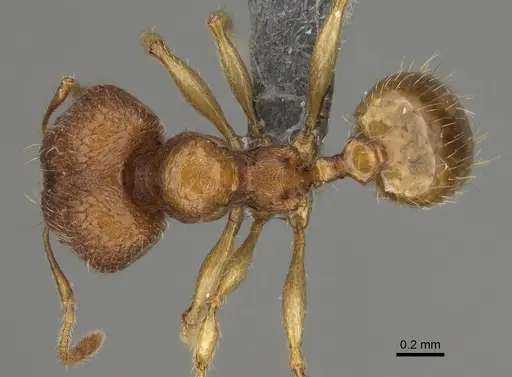
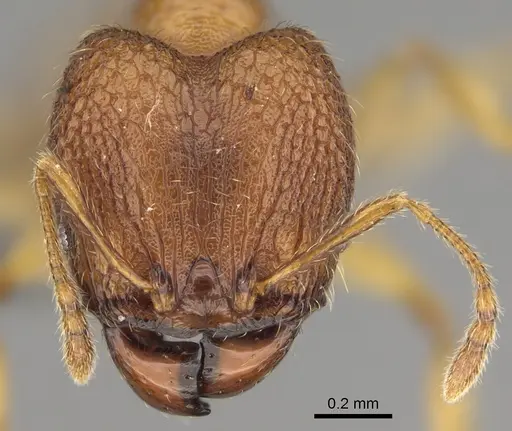
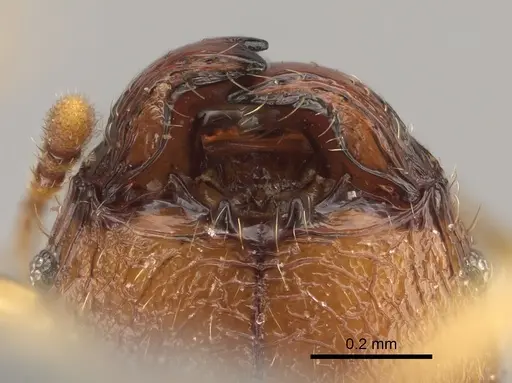
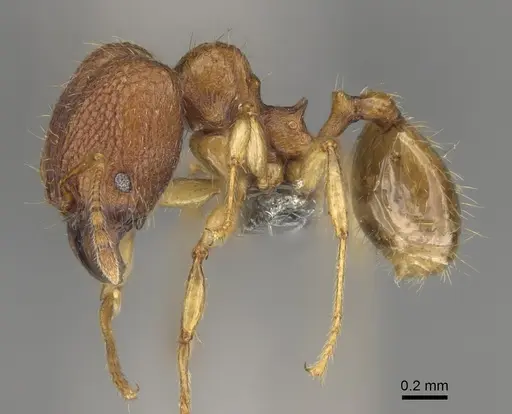
CASENT0704316
View on AntWeb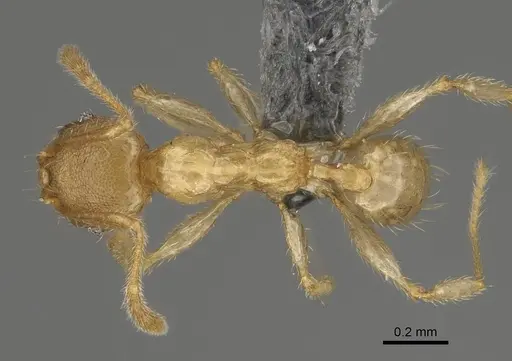
CASENT0704317
View on AntWeb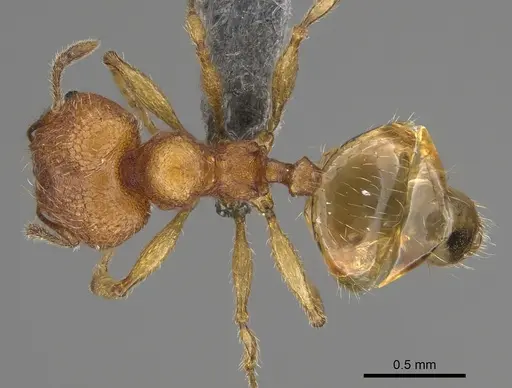
CASENT0923290
View on AntWeb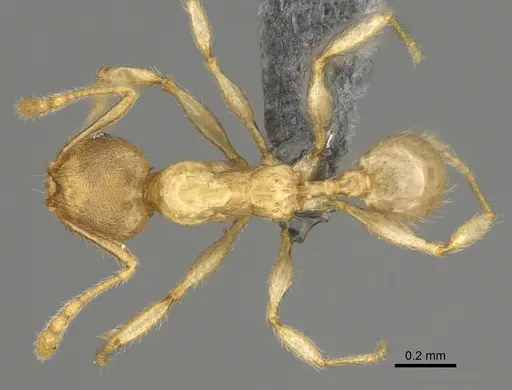
Literature
Loading distribution map...Loading products...