
Pheidole hasticeps
- Sci. Name
- Pheidole hasticeps
- Tribe
- Attini
- Subfamily
- Myrmicinae
- Author
- Wilson, 2003
- Distribution
- Found in 3 countries
Introduction
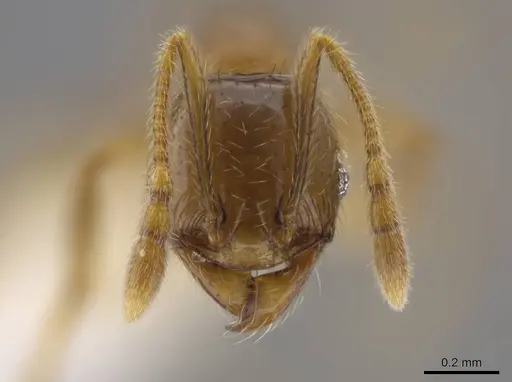
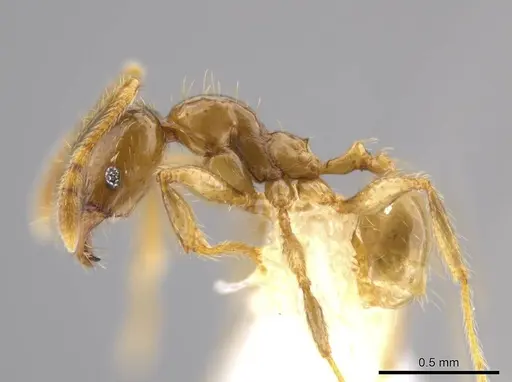
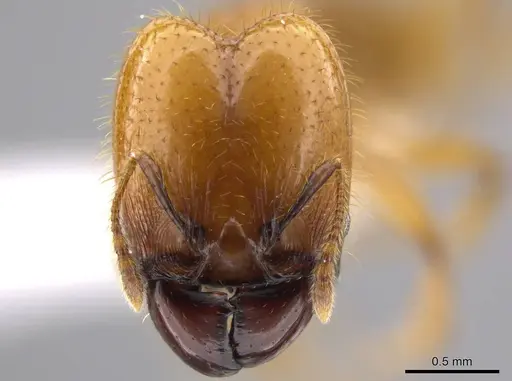
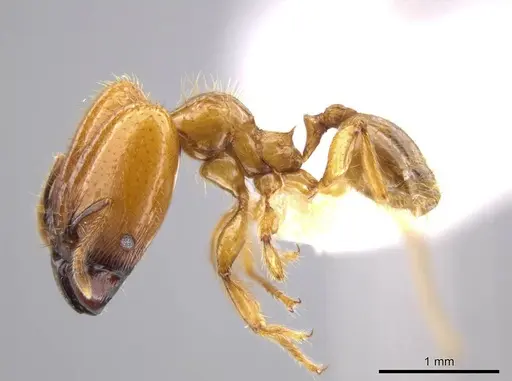
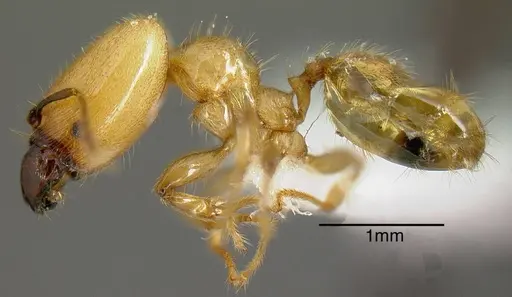
Pheidole hasticeps is a small Neotropical ant species described by Wilson in 2003. The name 'hasticeps' means 'spear-headed', referring to the major workers' large heads. Majors have dark brown heads with smooth, shiny faces, while minors are smaller with medium brown coloration. The species is known from Costa Rica, Colombia, Mexico, and Panama, typically at elevations around 1650m in Colombia . Total body size data is unavailable, but castes are morphologically distinct. Biology of this species is unstudied . As a Pheidole species, they may exhibit granivorous tendencies inferred from related species, but specific care data is limited.
Quick Summary
- Difficulty: Medium
- Origin & Habitat: Neotropical region, Costa Rica, Colombia, Mexico, Panama. Found at elevations around 1650m in Colombia [1][2].
- Colony Type: Unconfirmed, no specific data on queen number for this species.
- Size & Growth:
- Queen: Size data unavailable, inferred from Pheidole genus (~6-8mm)
- Worker: Size data unavailable, inferred from Pheidole genus (~2-3mm for minors, ~4-5mm for majors)
- Colony: Unknown, colony size data unavailable for this species
- Growth: Moderate, inferred from Pheidole genus
- Development: Estimated 6-8 weeks at optimal temperature, inferred from Pheidole genus (Development timeline has not been studied for this species)
- Antkeeping:
- Temperature: Based on highland distribution, keep at 20-24°C with a gradient [1].
- Humidity: Keep nest substrate moderately moist but allow some drying areas. No specific data available.
- Diapause: Unknown, Neotropical species may not require hibernation.
- Nesting: In nature, likely nest in soil or under stones. In captivity, use test tubes for founding, then Y-tong or plaster nests with small chambers.
- Behavior: Typical Pheidole behavior, majors may specialize in seed processing, minors handle foraging and brood care. Not particularly aggressive, but will defend nest. Minor workers are small, so escape prevention is critical.
- Common Issues: escape prevention is critical due to small minor workers, use fine mesh and tight-fitting lids, lack of specific biological data means care is based on genus assumptions, monitor colony response, wild-caught colonies may harbor parasites, slow growth may frustrate beginners
Housing and Nest Setup
For founding colonies, a standard test tube setup works well. Fill the tube one-third with water and plug with cotton to provide humidity. Place the queen in a dark area and minimize disturbance until the first workers emerge. Once the colony reaches a small number of workers, transition to a small formicarium. A Y-tong or plaster nest with small chambers suits their size. Include a water reservoir to maintain humidity. For the outworld, use a simple plastic container with Fluon on the walls to prevent escapes. Because minor workers are very small, use fine mesh barriers to avoid escapes.
Feeding and Diet
Pheidole species are primarily granivorous, they collect seeds and use major workers' mandibles to crack them open. In captivity, offer seeds like millet, chia, or flax alongside protein sources such as fruit flies or mealworm pieces. Sugar water or honey provides energy. Feed protein 2-3 times per week and keep seeds available constantly. Remove uneaten prey after 24-48 hours to prevent mold.
Temperature and Seasonal Care
Based on their collection at 1650m elevation in Colombia, these ants prefer cooler conditions. Keep the nest area at 20-24°C with a slight gradient. Avoid temperatures above 28°C. Room temperature in most homes should work well. Monitor colony activity and adjust heat as needed. Since they come from seasonal highlands, they may have reduced activity during cooler months but likely do not require true hibernation. [1]
Colony Development and Growth
The founding queen will lay eggs after sealing herself in a chamber. She feeds the first brood from her stored fat reserves, this is claustral founding, typical of Pheidole. First workers emerge in about 6-8 weeks at optimal temperature. After the first workers arrive, the colony enters a growth phase. Major workers typically appear later in development. Colony growth is moderate compared to faster species.
Behavior and Observation
One aspect of keeping Pheidole is observing caste division. Minor workers handle daily tasks like foraging and brood care. Major workers specialize in seed processing and defense. When you offer seeds, watch majors carry them back to the nest. Workers are active foragers but not aggressive toward humans. They have stingers but are too small to cause pain. The colony will establish clear foraging trails once established.
Frequently Asked Questions
How long does it take for Pheidole hasticeps to have first workers?
Based on typical Pheidole development, expect first workers in 6-8 weeks at optimal temperature (20-24°C). This is estimated since specific development time for this species has not been studied.
What do Pheidole hasticeps ants eat?
They are granivorous like other Pheidole species, offer antkeeper seeds for major workers to crack. Also provide protein sources like small insects 2-3 times per week. Sugar water or honey provides additional energy.
Can I keep multiple Pheidole hasticeps queens together?
This species is likely monogyne (single queen), but unconfirmed. Combining unrelated queens is not recommended as they may fight. Only one queen should be kept per colony.
What temperature do Pheidole hasticeps need?
Keep them at 20-24°C based on their highland Neotropical distribution [1]. They prefer cooler conditions than typical tropical ants. A slight temperature gradient allows workers to choose their preferred spot.
Are Pheidole hasticeps good for beginners?
They are rated Medium difficulty. The lack of specific biological data means you must rely on genus knowledge. They are smaller ants requiring good escape prevention, but their care is straightforward once you understand basic Pheidole husbandry.
How big do Pheidole hasticeps colonies get?
Colony size is unknown for this species. Typical Pheidole colonies can reach several hundred workers, but no specific data is available for this species.
Do Pheidole hasticeps need hibernation?
As a Neotropical species from highland areas, they likely do not require true hibernation. They may have reduced activity during cooler seasons. Monitor your colony, if activity slows significantly in winter, reduce feeding and keep them slightly cooler but above 15°C.
When should I move Pheidole hasticeps to a formicarium?
Move them once the test tube colony has a small number of workers and the water reservoir needs frequent refilling. A small formicarium with appropriately sized chambers works well. They prefer cozy spaces, so avoid large, open chambers.
Why are my Pheidole hasticeps dying?
Common causes include: poor escape prevention (check for tiny gaps), mold from overwatering or uneaten food, temperatures too high (above 28°C), or stress from too much disturbance. Wild-caught colonies may also carry parasites. Review each factor and adjust accordingly.
Report an Issue
The current care sheet is based fully on literature. See inconsistencies, or something that's incorrect? Please , it will be resolved after review from an admin. Contributing to the blogs tab also helps providing information, to make us be able to further improve the caresheets. Thank you for your support!
References

This caresheet is licensed under CC BY-SA 4.0 .
Community Blogs
CASENT0609377
View on AntWeb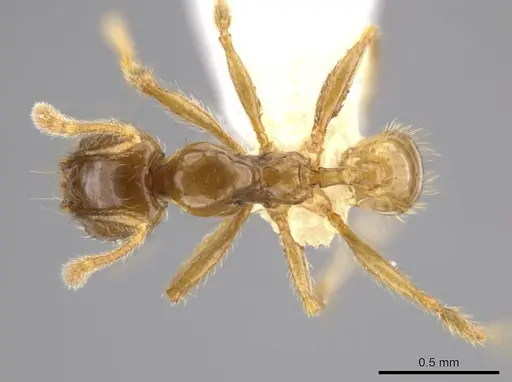
CASENT0609378
View on AntWeb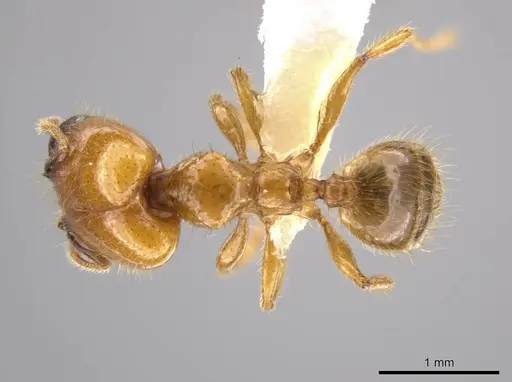
CASENT0611967
View on AntWeb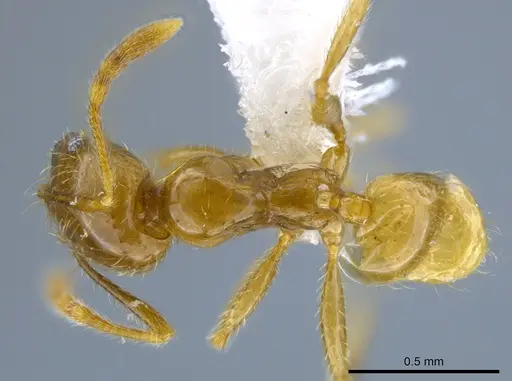
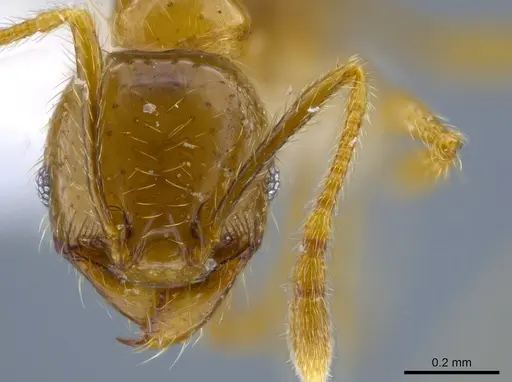
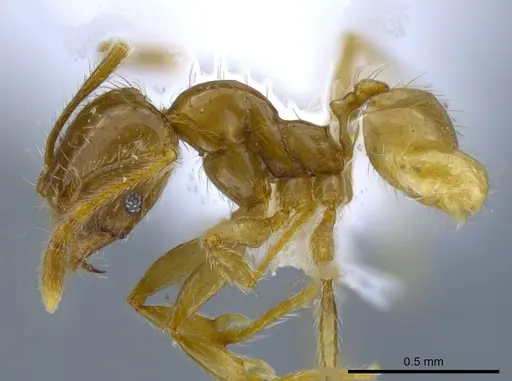
CASENT0635471
View on AntWeb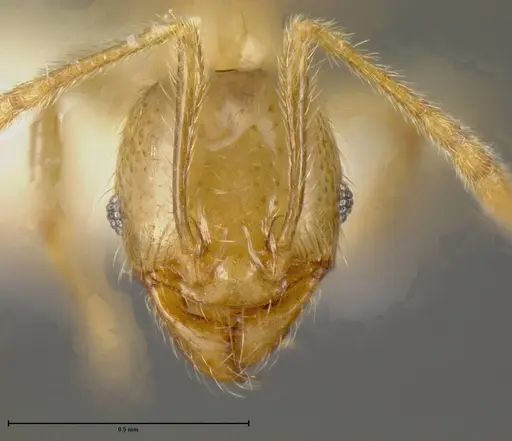
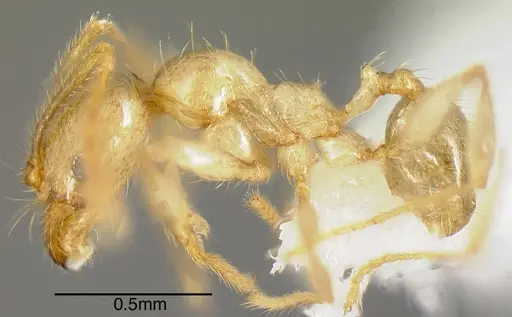
JTLC000005311
View on AntWeb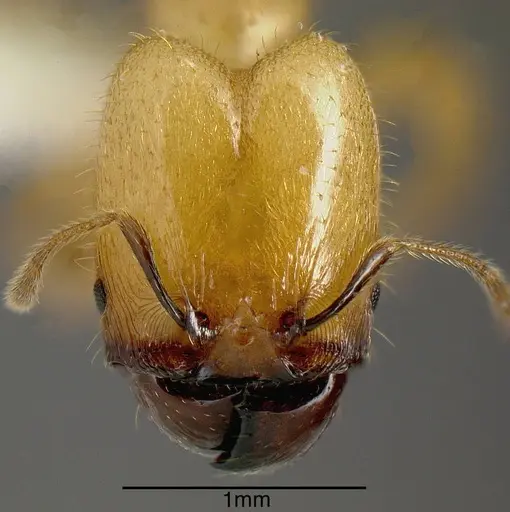
Literature
Loading distribution map...Loading products...