
Pheidole haskinsorum
- Sci. Name
- Pheidole haskinsorum
- Tribe
- Attini
- Subfamily
- Myrmicinae
- Author
- Wilson, 2003
- Distribution
- Found in 2 countries
Introduction
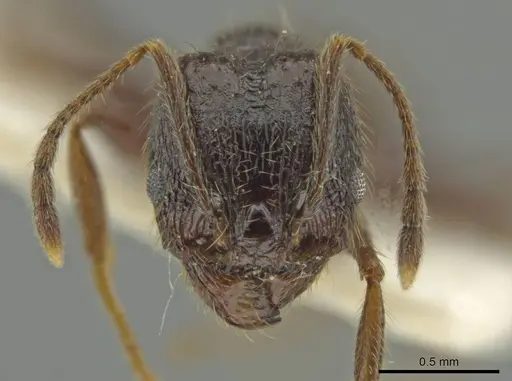
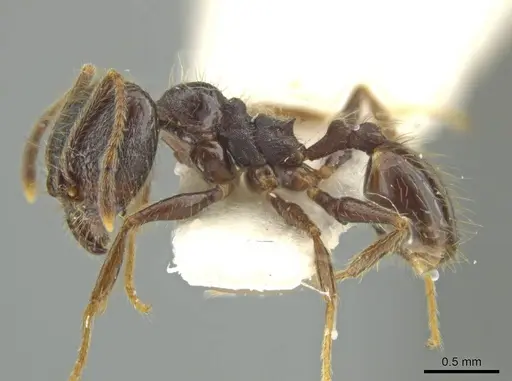
Pheidole haskinsorum is a small Neotropical ant from the fallax group, described in 2003 from Bolivia and Ecuador . It is rare in its native range and shows flood tolerance, allowing survival in both dry and flooded habitats . Workers forage on the ground and retrieve insects .
Quick Summary
- Difficulty: Medium
- Origin & Habitat: Native to Bolivia and Ecuador in lowland Amazonian areas, including burned-over pastures and Yasuni National Park [2][1].
- Colony Type: Colony structure is unconfirmed. Based on Pheidole genus patterns, likely monogyne (single queen).
- Size & Growth:
- Queen: Size data unavailable, no total length measurements provided.
- Worker: Size data unavailable, no total length measurements provided.
- Colony: Unknown, no data on colony size from research.
- Growth: Unknown
- Development: Unconfirmed, based on related Pheidole species, may take 6-10 weeks at optimal temperatures. (Development time is unstudied for this species.)
- Antkeeping:
- Temperature: Keep warm, roughly 24-28°C, based on Neotropical range.
- Humidity: Keep substrate consistently moist but not waterlogged, with a humidity gradient [2].
- Diapause: No, tropical species do not require hibernation.
- Nesting: Use Y-tong, plaster, or soil nests with moist substrate, based on mixed nesting behavior [2].
- Behavior: Workers are ground-foraging generalists that collect protein from insects [2][1]. They are docile and not aggressive toward humans. Escape risk is moderate due to small size.
- Common Issues: this species is rare and may be difficult to obtain in the antkeeping trade., colony size data is unknown, so growth may be unpredictable., specific care requirements are unconfirmed, so monitoring is essential., major workers may not develop immediately, as is common in Pheidole species.
Nest Preferences
Pheidole haskinsorum shows mixed nesting behavior in the wild, meaning they can adapt to various nest sites [2]. In captivity, use Y-tong nests with moist substrate, plaster nests, or soil-based setups. Keep the nest substrate consistently moist but not waterlogged, with some drier areas available for the ants to regulate humidity.
Feeding and Diet
Workers were observed retrieving insects in the wild, confirming they are generalist foragers [1]. In captivity, offer small insects like fruit flies, seeds appropriate to their size, and sugar sources like honey or sugar water. Remove uneaten food promptly to prevent mold.
Temperature and Care
Being a Neotropical species, keep temperatures around 24-28°C with a gradient allowing workers to self-regulate. Their flood tolerance suggests they can handle moisture spikes, but avoid constant wetness. Room temperature within this range is acceptable. [2]
Behavior and Temperament
Workers are active foragers on the ground surface [2][1]. They are docile and not aggressive toward humans. Escape prevention should be standard due to their small size, using fine mesh on any openings.
Frequently Asked Questions
How long does it take for Pheidole haskinsorum to produce first workers?
The exact development timeline is unconfirmed. Based on related Pheidole species, expect first workers in 6-10 weeks at optimal temperatures around 26°C.
Can I keep multiple Pheidole haskinsorum queens together?
Colony structure is unconfirmed. Most Pheidole are monogyne, so it is safest to keep only one queen per colony unless confirmed otherwise.
What do Pheidole haskinsorum ants eat?
They are generalist foragers. Offer small insects, seeds, and sugar sources like honey or sugar water. Remove uneaten food promptly.
What temperature should I keep Pheidole haskinsorum at?
Keep nest temperatures at 24-28°C with a gradient. Room temperature within this range works well, or use a heating cable on one side of the nest.
Is Pheidole haskinsorum good for beginners?
This species is rarely available due to its rarity in the wild. If available, it may suit intermediate keepers comfortable with Neotropical species, as care requirements are unconfirmed.
How big do Pheidole haskinsorum colonies get?
Colony size is unknown from research. No data on maximum size is available.
Do Pheidole haskinsorum need hibernation?
No, as a tropical species, they do not require hibernation. A slight temperature reduction in winter may be appropriate but avoid cold temperatures.
What humidity level do Pheidole haskinsorum need?
Keep the nest substrate consistently moist but not waterlogged, with a humidity gradient [2].
When should I move Pheidole haskinsorum to a formicarium?
Move them when the colony reaches several dozen workers and the founding test tube becomes crowded. Ensure the formicarium has appropriately sized chambers.
Report an Issue
The current care sheet is based fully on literature. See inconsistencies, or something that's incorrect? Please , it will be resolved after review from an admin. Contributing to the blogs tab also helps providing information, to make us be able to further improve the caresheets. Thank you for your support!
References

This caresheet is licensed under CC BY-SA 4.0 .
Community Blogs
CASENT0645795
View on AntWeb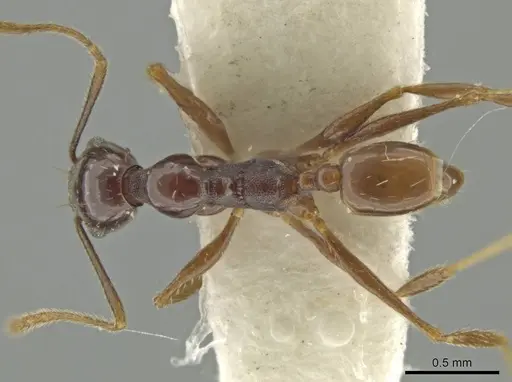
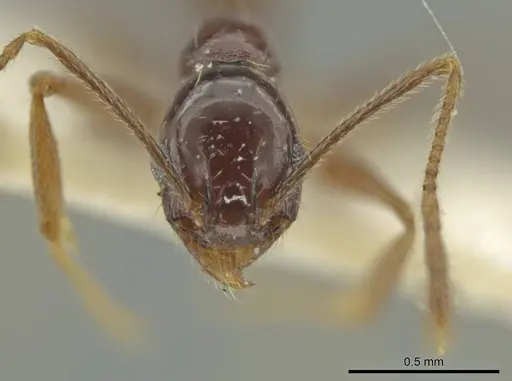
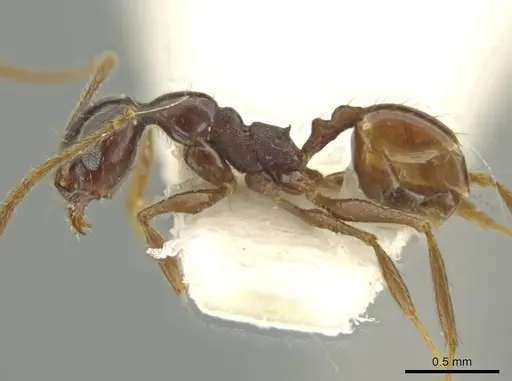
JTLC000016400
View on AntWeb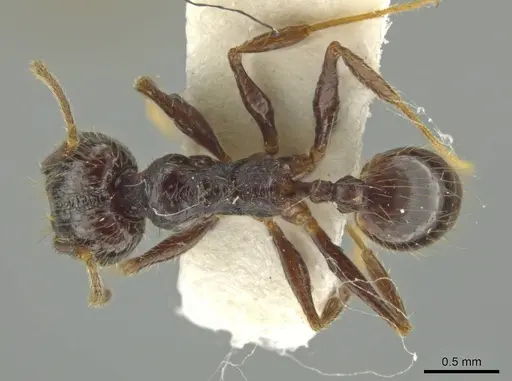
Literature
Loading distribution map...Loading products...