
Pheidole haboka
- Sci. Name
- Pheidole haboka
- Tribe
- Attini
- Subfamily
- Myrmicinae
- Author
- Salata & Fisher, 2020
- Distribution
- Found in 1 countries
Introduction
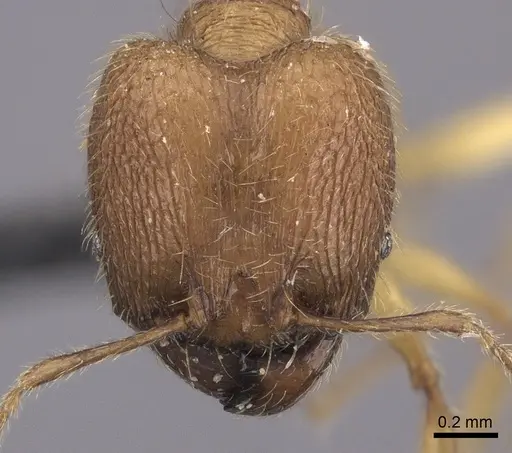
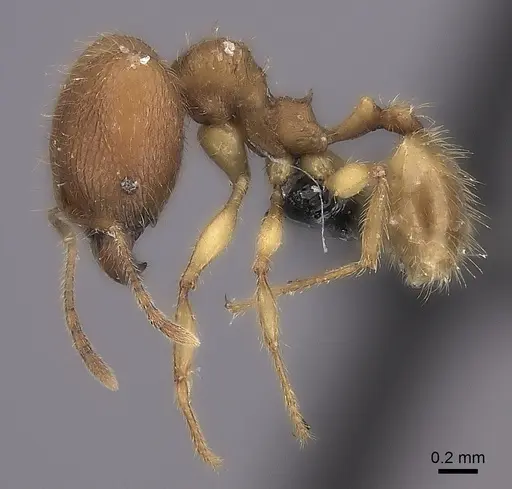
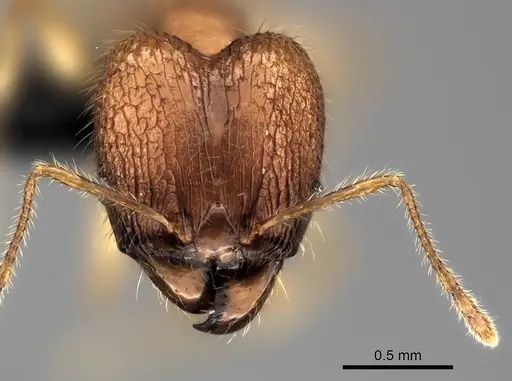
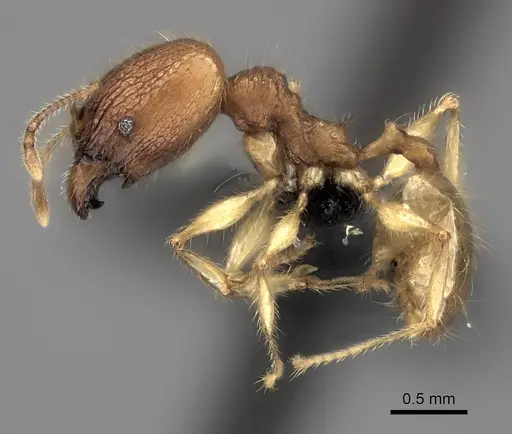
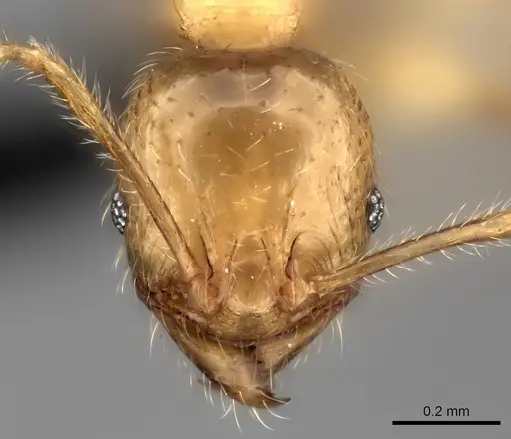
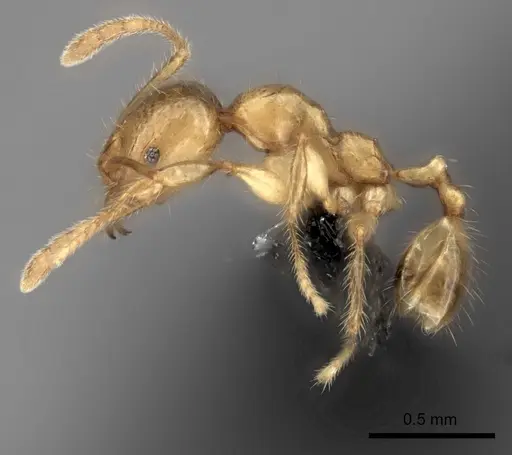
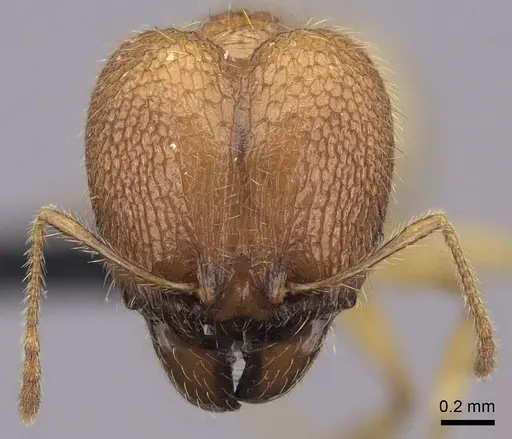
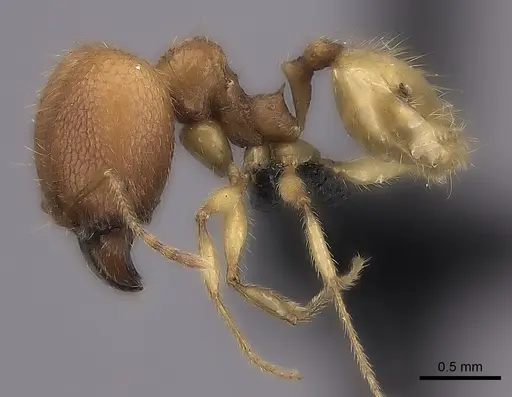
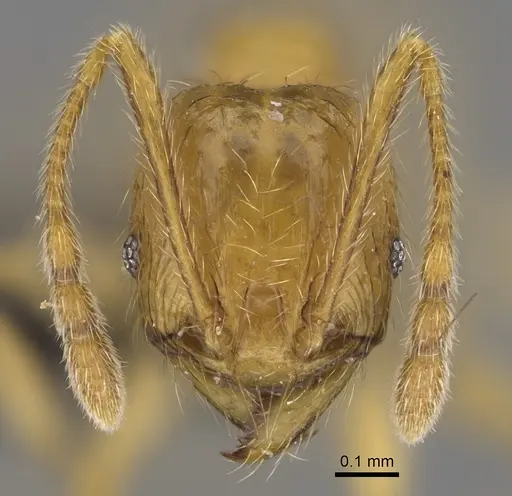
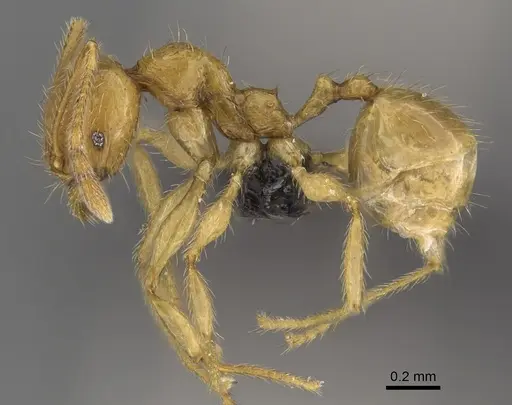
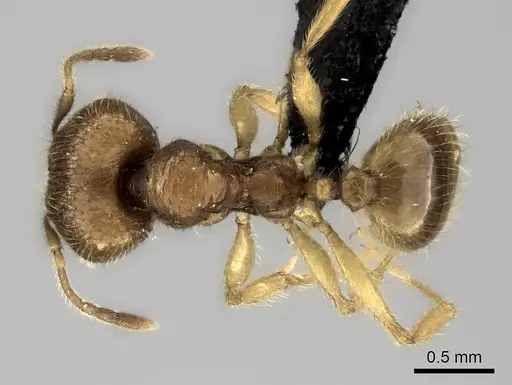
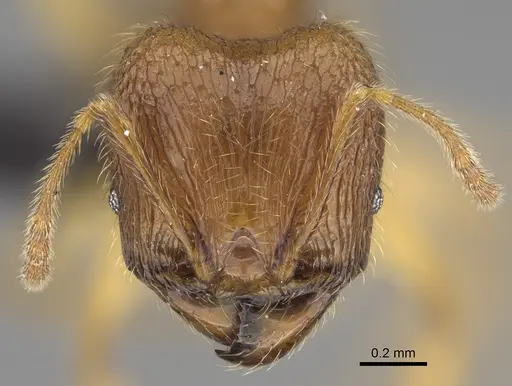
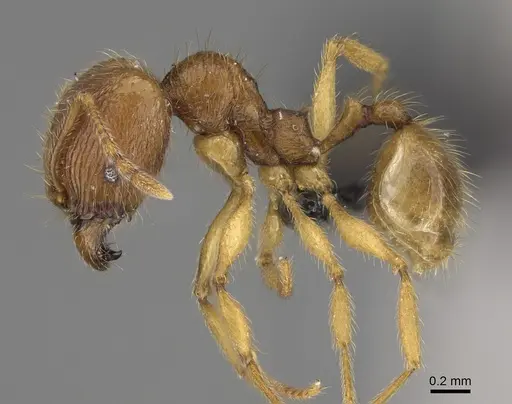
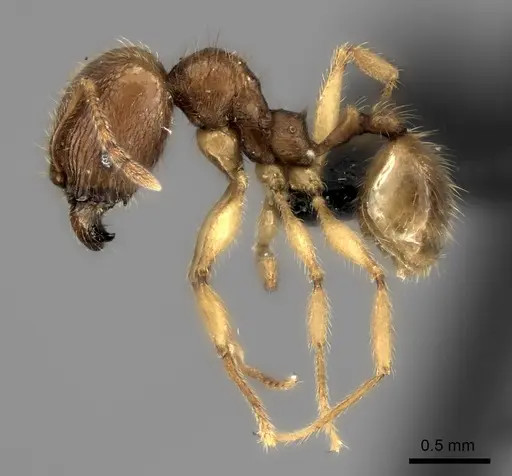
Pheidole haboka is a moderately large ant species from the sikorae species group, only found in Madagascar. They have two worker castes: majors (larger, orange, with dense pilosity) and minors (smaller, yellow, with smooth heads). The name 'haboka' means 'orange' in Malagasy, for the majors' bright color . Body length data isn't available - only head measurements are recorded (approx. 1mm for majors,0.6mm for minors) . This species was collected at 1550m elevation in montane rainforest, nesting in rotten logs and under stones .
Quick Summary
- Difficulty: Hard
- Origin & Habitat: Endemic to Madagascar, Fianarantsoa region, Fort d'Atsirakambiaty. Montane rainforest at 1550m elevation. Nests in rotten logs and under stones [1][2].
- Colony Type: Unknown, no specific data. Most Pheidole species are monogyne (single queen), but this has not been confirmed for P. haboka.
- Size & Growth:
- Queen: Undescribed, estimated ~6–9mm based on genus Pheidole patterns (no direct data).
- Worker: Body length data unavailable, known measurements are head length only: majors ~1mm, minors ~0.6mm [1].
- Colony: Unknown, not documented in literature.
- Growth: Unknown, not documented.
- Development: Unknown, no data for this species. (Development time is unstudied. Monitor your colony and adjust expectations.)
- Antkeeping:
- Temperature: Not documented. As a montane rainforest species from 1550m, cooler temperatures likely suit it best. Start around 18–22°C and observe colony behavior.
- Humidity: Not documented. Montane habitat suggests high humidity. Keep nest substrate consistently damp but not waterlogged.
- Diapause: Unknown, no data. Since it's a tropical montane species, it may not need a diapause, but monitor for changes in activity.
- Nesting: In nature they nest in rotten logs and under stones [1]. Replicate with naturalistic setups: rotting wood pieces, soil, or stone crevices. Provide dark, sheltered areas.
- Behavior: Not specifically documented. Pheidole species are generally docile, but this is unconfirmed. Their small size (minors) means they can escape through tiny gaps, use Fluon on barriers.
- Common Issues: humidity control is critical, too dry may kill brood, too wet promotes mold, colony growth rate and development are unknown, so be patient and avoid over-managing, escape prevention is essential due to their small size
Housing and Nest Setup
No specific nest recommendations are known for this species. Based on their natural habitat, rotting logs and under stones in a montane rainforest [1][2], you can try a naturalistic setup with decayed wood, soil, or a plaster nest that holds moisture. Keep the nest dark and humid. A test tube setup for founding is tentative, as their founding behavior is unknown. Provide a humidity gradient so the ants can choose their preferred spot.
Feeding and Diet
Diet is not documented for Pheidole haboka. As with most Pheidole, they are likely omnivorous. Offer small protein sources (fruit flies, pinhead crickets) and carbohydrates (sugar water, honey). Remove uneaten food after 24 hours to prevent mold. Because their specific nutritional needs are unknown, rotate different foods and monitor acceptance.
Temperature and Seasonal Care
Temperature preferences are not studied. Since they come from a cool montane rainforest (1550m), keep them at moderate temperatures, around 18–22°C is a good starting range. Avoid high heat (above 25°C) as it may stress them. Seasonal dormancy is unconfirmed, if activity drops, a brief cool period (15–18°C for a few weeks) may be offered, but it's not known to be necessary. [1]
Colony Development and Castes
Pheidole haboka has two distinct worker castes: majors and minors [1]. Majors are orange with dense pilosity, minors are yellow and smooth. The development timeline, number of workers, and when majors first appear are all unknown. Expect the colony to be small for some time until more is known about their growth rate. Patience is key.
Behavior and Handling
Behavior is undocumented. Pheidole species are usually not aggressive, but handle with care. Their moderate size (minors are small) means they can escape easily, always use Fluon or other barriers on nest openings. Avoid disturbing the nest unnecessarily until more is known about their tolerance.
Frequently Asked Questions
How long does it take for Pheidole haboka to have first workers?
This is unknown. No data exists for P. haboka. If the species is claustral (unconfirmed), development might be similar to other Pheidole, but that's speculation. Expect several weeks at least.
What do Pheidole haboka ants eat?
Diet has not been studied. Offer standard Pheidole fare: small insects and sugar water. Observe what they accept and adjust.
What temperature is best for Pheidole haboka?
Not specifically known. Based on their montane rainforest habitat, aim for 18–22°C and avoid overheating.
Are Pheidole haboka ants good for beginners?
They are rated hard because so little is known about their care. Beginners may struggle with unknown founding behavior and husbandry requirements.
How big do Pheidole haboka colonies get?
Unknown, no data. Typical Pheidole ranges from a few hundred to thousands, but for this species it's unconfirmed.
When should I move Pheidole haboka to a formicarium?
No specific guidance exists. General antkeeping: wait until the test tube is crowded (20–30 workers) before moving. Use a nest that mimics their natural habitat: rotten wood or stone with high humidity.
Do Pheidole haboka ants need hibernation?
Unknown, no data. As a tropical montane species, they may have a mild slow-down but likely not true diapause. Monitor activity.
What makes Pheidole haboka majors different from minors?
Majors are orange with dense pilosity and larger heads, minors are yellow and smooth [1]. Body length data is not available – only head measurements exist.
Where is Pheidole haboka native to?
Madagascar, Fianarantsoa region, at 1550m elevation in montane rainforest [1][2].
Report an Issue
The current care sheet is based fully on literature. See inconsistencies, or something that's incorrect? Please , it will be resolved after review from an admin. Contributing to the blogs tab also helps providing information, to make us be able to further improve the caresheets. Thank you for your support!
References

This caresheet is licensed under CC BY-SA 4.0 .
Community Blogs
CASENT0024377
View on AntWeb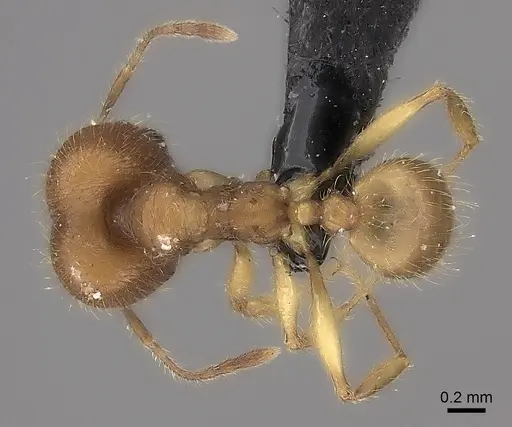
CASENT0076951
View on AntWeb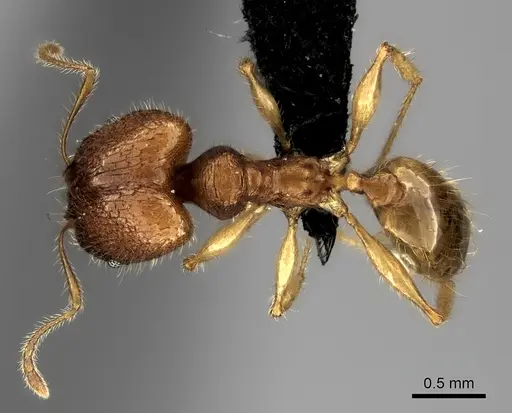
CASENT0142245
View on AntWeb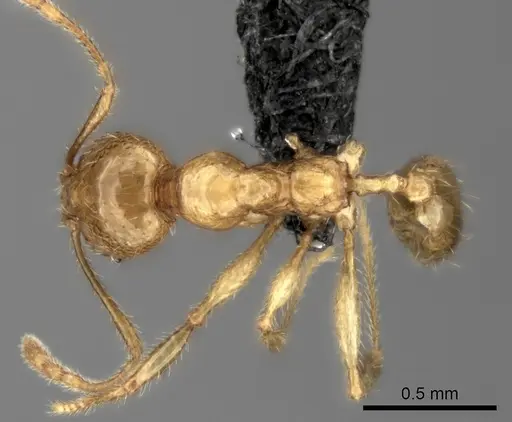
CASENT0198762
View on AntWeb
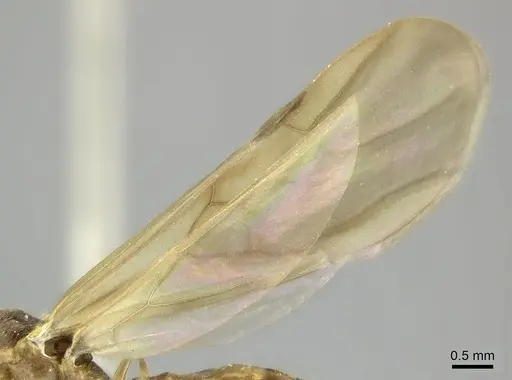
CASENT0413684
View on AntWeb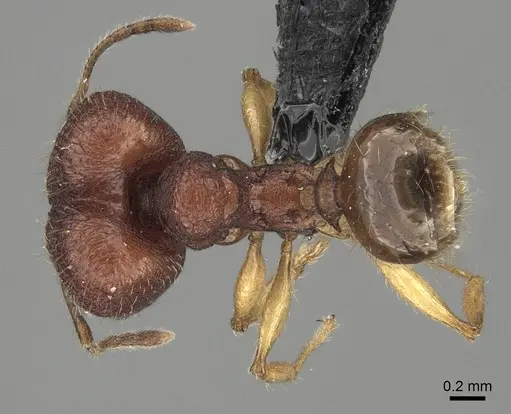
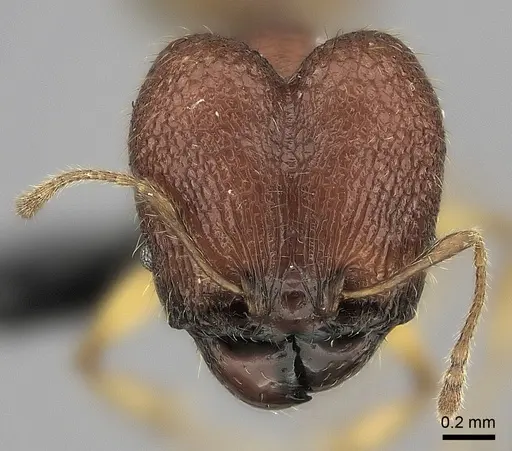
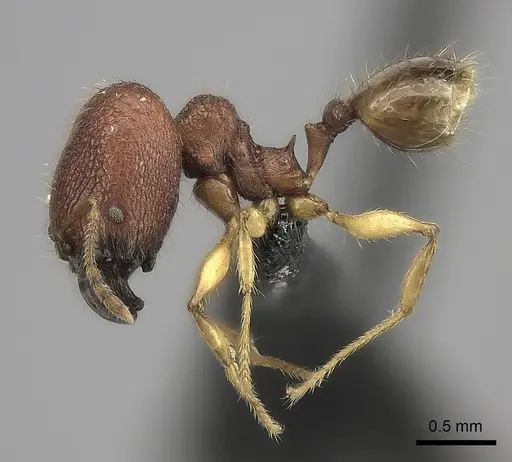
CASENT0484017
View on AntWeb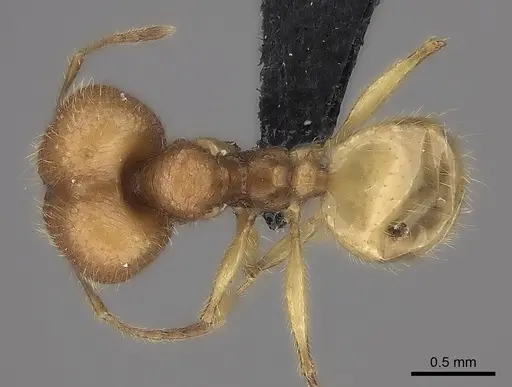
CASENT0491601
View on AntWeb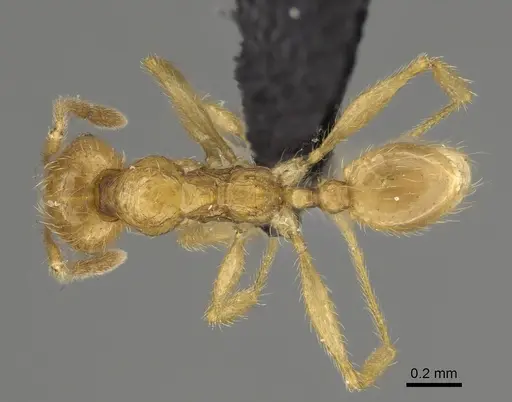
CASENT0491605
View on AntWeb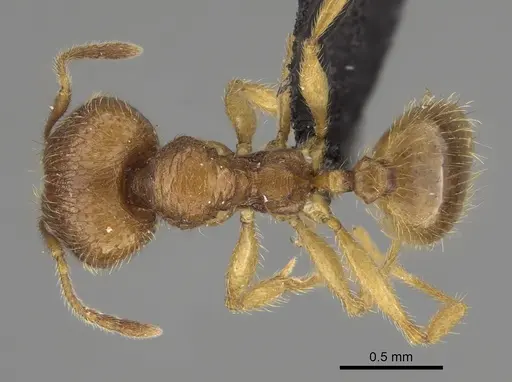
Literature
Loading distribution map...Loading products...