
Pheidole gymnoceras
- Sci. Name
- Pheidole gymnoceras
- Tribe
- Attini
- Subfamily
- Myrmicinae
- Author
- Longino, 2009
- Distribution
- Found in 2 countries
Introduction
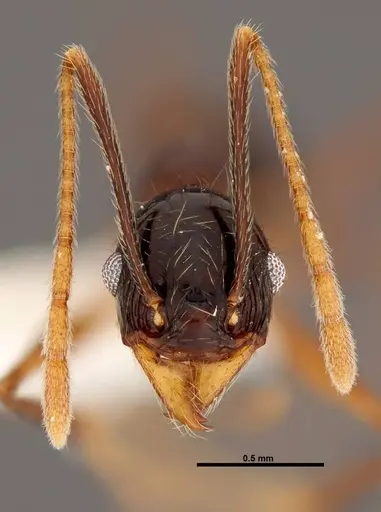
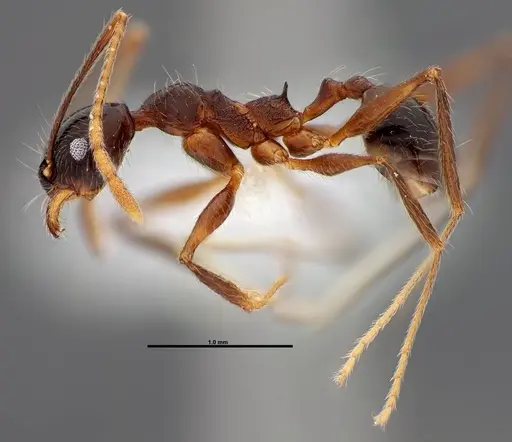
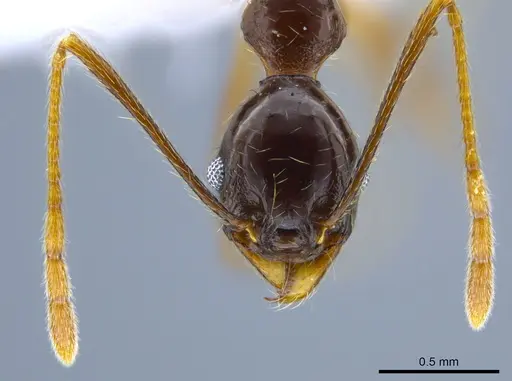
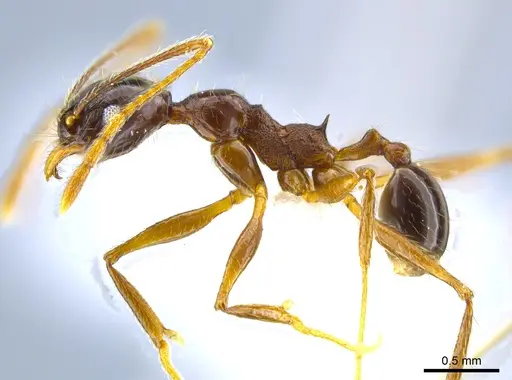
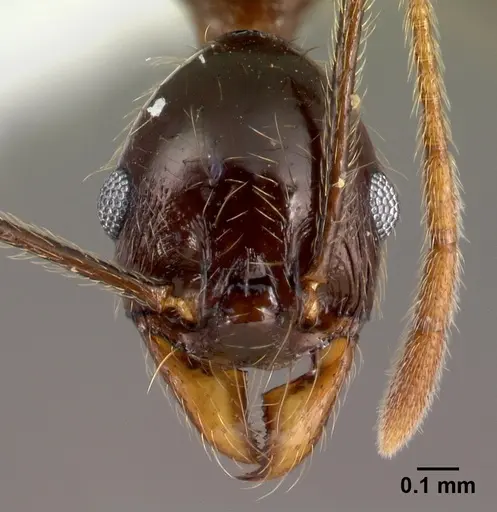
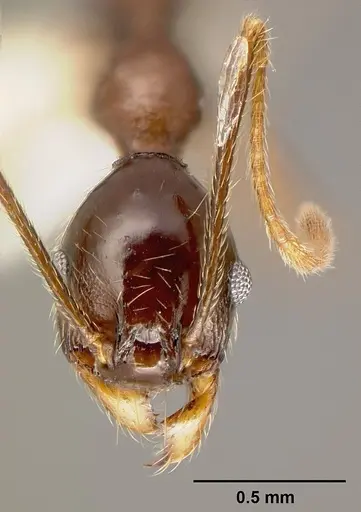
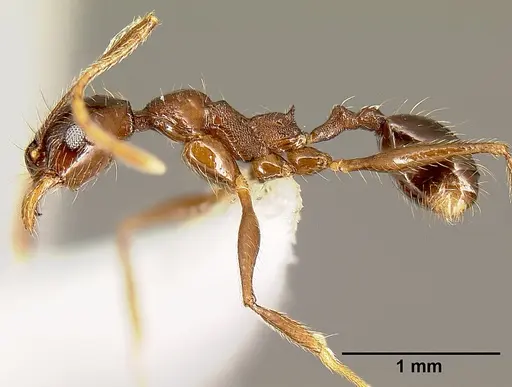
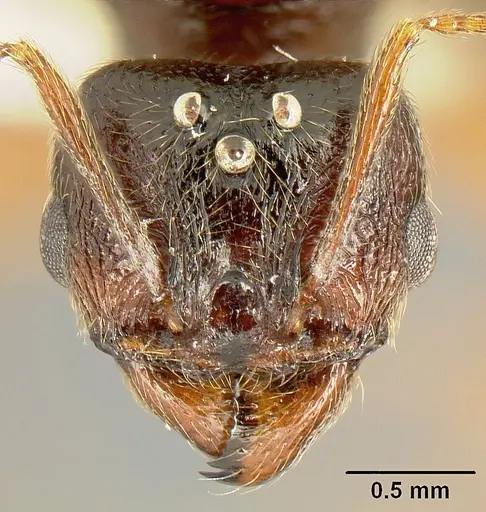
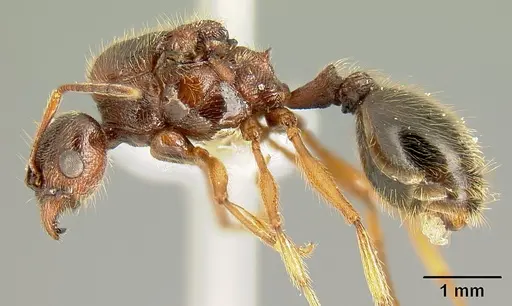
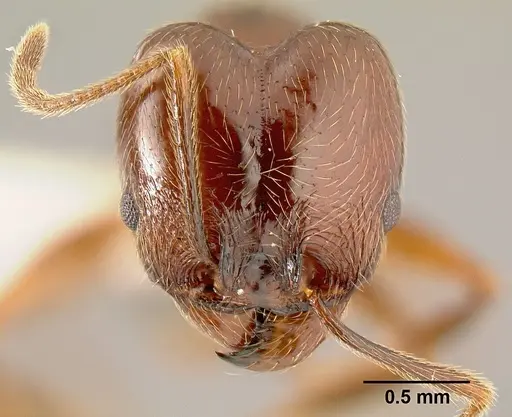
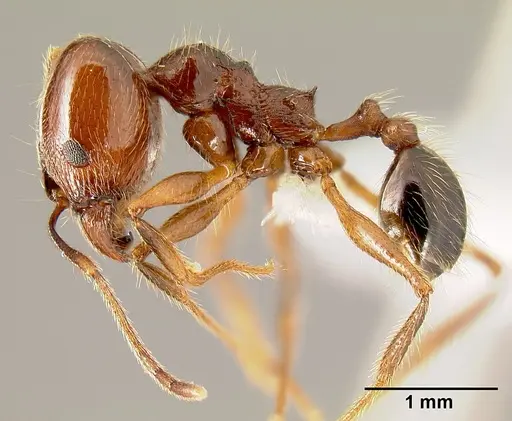
Pheidole gymnoceras is a small, reddish-brown ant from the 'big-headed ants' group, native to Costa Rica and Nicaragua . Like all Pheidole, it has two distinct worker castes: large major workers with oversized heads and smaller minor workers that do most of the foraging . The species was described as new by Longino in 2009 . One of its most unusual traits is the foetid (foul) smell that workers produce when disturbed - this is a chemical defense, not a sign of poor care . These ants are epigaeic foragers, meaning they search for food on the forest floor rather than underground .
Quick Summary
- Difficulty: Medium
- Origin & Habitat: Mid-elevation wet forest in Costa Rica and Nicaragua, found at elevations around 1100m and 1500m in the Barva transect [1]. They nest beneath rotten wood on the forest floor [1].
- Colony Type: Colony structure hasn't been studied in detail for this species. Most Pheidole are monogyne (single-queen colonies), so it's likely the same, but not confirmed.
- Size & Growth:
- Queen: Size data unavailable, based on the Pheidole genus, queens are typically 6-10 mm in total body length, but this hasn't been confirmed for this species.
- Worker: Full body length not documented for this species. Based on the Pheidole genus, minor workers are roughly 2-3 mm and major workers 4-5 mm (inferred from genus patterns).
- Colony: Unknown, no colony size data available for this species
- Growth: Unknown, no development timing data available
- Development: Estimated 6-8 weeks, based on typical Pheidole development patterns (This is a genus-level estimate. No species-specific data exists.)
- Antkeeping:
- Temperature: Keep at 22-26°C. These ants come from a warm mid-elevation tropical forest, so stable warmth is key. A gentle temperature gradient lets them choose their preferred zone.
- Humidity: High humidity is essential, they live in wet forest. Keep the nest substrate consistently moist but not waterlogged. Provide a water source in the outworld.
- Diapause: No, as a tropical species from Costa Rica, they don't need hibernation. Keep temperatures stable year-round.
- Nesting: Replicate their natural habitat: use a Y-tong or plaster nest with a moisture reservoir, or a naturalistic setup with pieces of rotten wood and moist soil. They like tight chambers.
- Behavior: These ants are epigaeic foragers, they actively search for food on surfaces rather than underground. They use chemical trails to recruit nestmates to food sources. The foetid odor workers produce is a normal defense mechanism, not a problem. Major workers use their large mandibles to defend the colony. Escape risk is moderate, use standard barriers, they're not especially agile climbers.
- Common Issues: tropical species requires warm, humid conditions, dry or cold environments will kill colonies, no specific colony size or growth data means expectations are uncertain, foetid odor is normal species behavior, not an indicator of problems, wild-caught colonies may have parasites that can devastate captive colonies, limited availability since this is a recently described species with a small range
Housing and Nest Preferences
In the wild, Pheidole gymnoceras nests under rotten wood in wet forest [1]. For captivity, a naturalistic setup works well, use a container with moist soil or plaster and include pieces of rotting wood or bark for them to nest under. A Y-tong nest with tight chambers and a moisture reservoir is also a good choice. These are small ants, so make sure the chambers aren't too big. Provide a small outworld for foraging, matching their epigaeic foraging style.
Feeding and Diet
Diet hasn't been studied for this specific species. Based on typical Pheidole foraging behavior, you can offer sugar water or honey as a constant energy source, and small insects like fruit flies, pinhead crickets, or mealworm pieces for protein 2-3 times per week. Major workers can handle larger prey with their mandibles. Remove uneaten prey after 24-48 hours to prevent mold.
Temperature and Humidity Requirements
This is a tropical wet forest species from mid-elevations in Costa Rica [1]. Keep temperatures between 22-26°C, stable warmth matters more than hitting an exact number. Use a heating cable on one side of the nest to create a gradient. Humidity should be high: keep the nest substrate consistently moist and mist the outworld occasionally. Avoid letting temperatures drop below 20°C.
Behavior and Defense
A standout trait of Pheidole gymnoceras is the foetid odor workers release when threatened, this is a chemical defense and completely normal [1]. Major workers serve as soldiers and will use their large mandibles if the nest is disturbed. Workers forage on the surface and lay chemical trails to recruit nestmates to food discoveries. They aren't aggressive toward humans but will defend their nest if provoked.
Colony Development
No species-specific development data exists. Based on the Pheidole genus, a founding queen likely raises her first brood alone (claustral founding), producing small nanitic workers first. As the colony grows, it will produce more major workers. Growth rate depends on temperature and feeding, well-fed colonies at warm temperatures develop faster. Expect around 6-8 weeks from egg to first worker under optimal conditions (inferred from genus patterns).
Frequently Asked Questions
How long does it take for Pheidole gymnoceras to get first workers?
Based on typical Pheidole development, expect 6-8 weeks from egg to first worker at optimal temperature (around 24-26°C). No species-specific data exists, so this is a genus-level estimate.
What do I feed Pheidole gymnoceras?
Offer a varied diet: sugar water or honey constantly, and protein (small insects like fruit flies, crickets, mealworms) 2-3 times per week. They are generalist foragers.
Are Pheidole gymnoceras good for beginners?
This is a medium-difficulty species. They require warm, humid tropical conditions, which can be challenging to maintain. If you have experience with other Pheidole or tropical ants, this is a good choice.
Can I keep multiple queens together?
Not recommended, no studies exist for this species, and most Pheidole are monogyne (single-queen colonies). House a queen alone for founding.
Why do my ants smell bad?
The foetid odor is a normal species characteristic, workers produce a foul-smelling chemical as a defense. It's not a sign of poor care [1].
Do Pheidole gymnoceras need hibernation?
No, they are a tropical species from Costa Rica and do not require hibernation or winter cooling. Keep temperatures stable year-round in the 22-26°C range [1].
What size colony do Pheidole gymnoceras reach?
Colony size data is not available for this specific species. Typical Pheidole colonies can reach several thousand workers over several years. This is a recently described species, and no wild colony size studies exist.
When should I move them to a formicarium?
Keep founding colonies in a test tube setup until they have a stable population of at least 20-30 workers. Then you can move them to a Y-tong nest or naturalistic setup. They prefer nesting under wood or in tight chambers.
Are Pheidole gymnoceras aggressive?
They aren't particularly aggressive toward humans but will defend their nest if disturbed. Their main defense is the foetid odor rather than attacking. Major workers will bite if necessary [1].
Report an Issue
The current care sheet is based fully on literature. See inconsistencies, or something that's incorrect? Please , it will be resolved after review from an admin. Contributing to the blogs tab also helps providing information, to make us be able to further improve the caresheets. Thank you for your support!
References

This caresheet is licensed under CC BY-SA 4.0 .
Community Blogs
CASENT0608954
View on AntWeb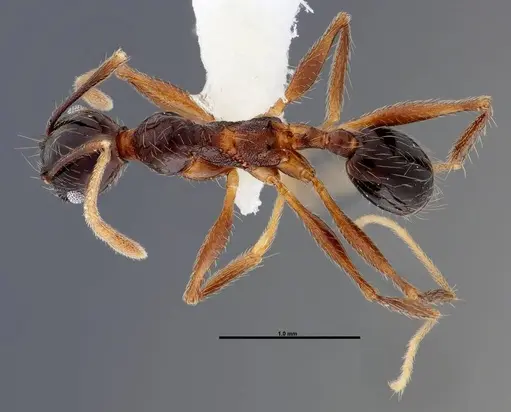
CASENT0608955
View on AntWeb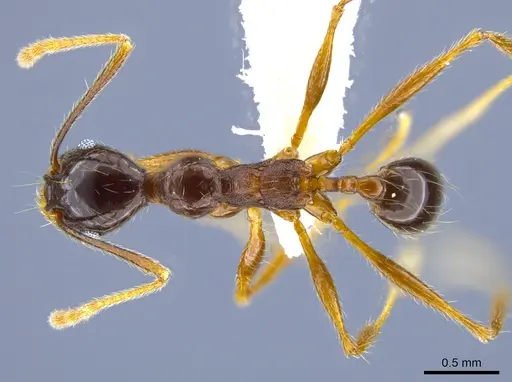
CASENT0608958
View on AntWeb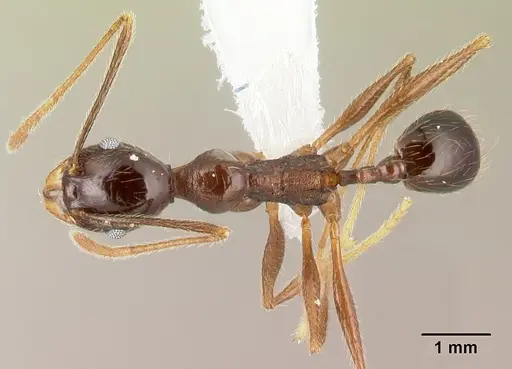
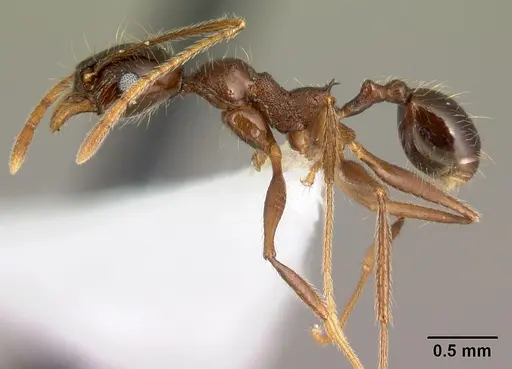
CASENT0608971
View on AntWeb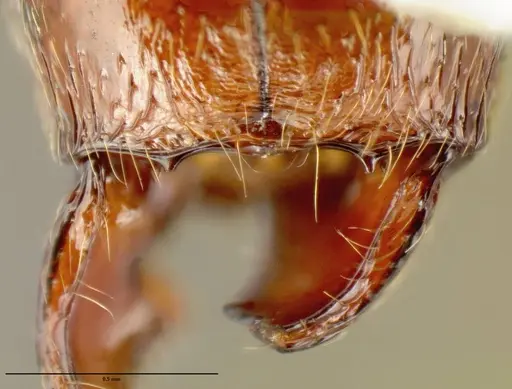
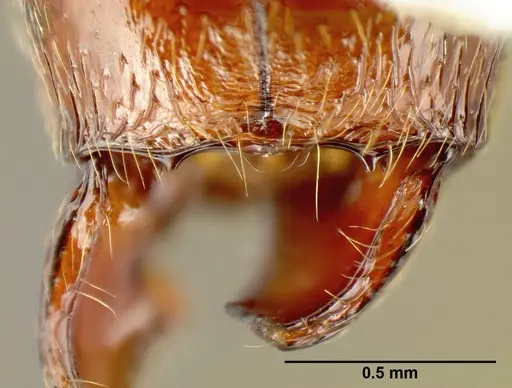
CASENT0609233
View on AntWeb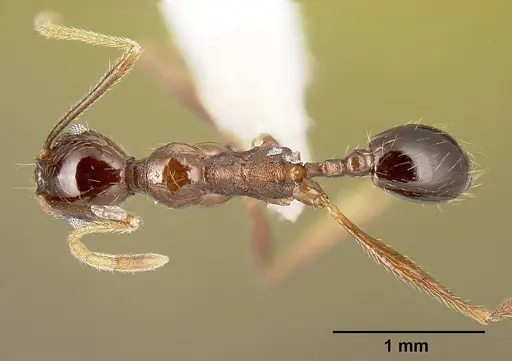
CASENT0610084
View on AntWeb
INB0003659250
View on AntWeb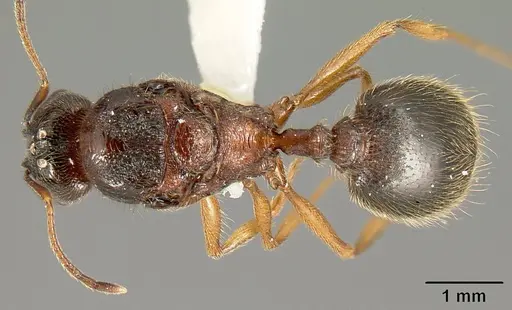
INB0003659251
View on AntWeb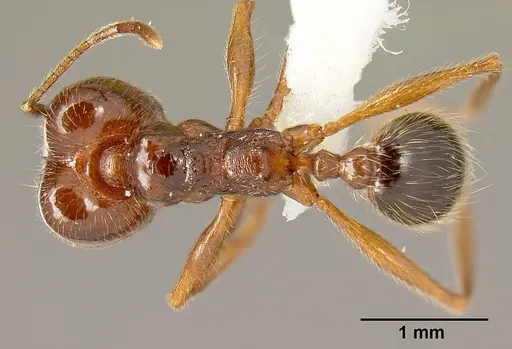
Literature
Loading distribution map...Loading products...