
Pheidole guajirana
- Sci. Name
- Pheidole guajirana
- Tribe
- Attini
- Subfamily
- Myrmicinae
- Author
- Wilson, 2003
- Distribution
- Found in 1 countries
Introduction
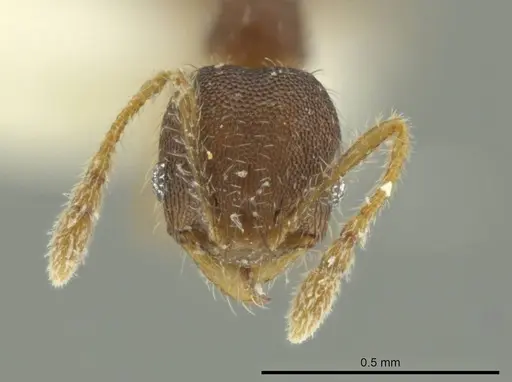
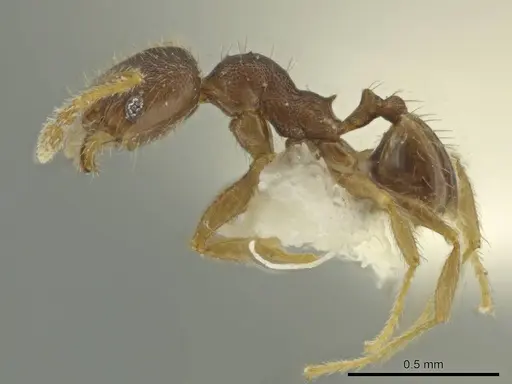
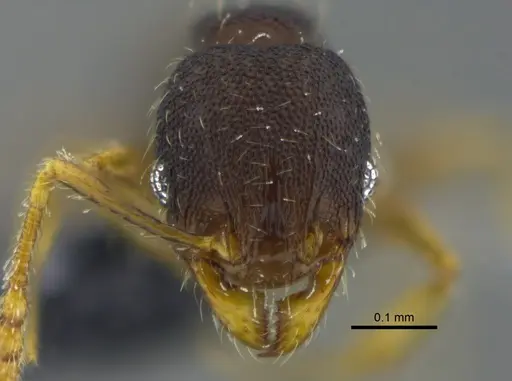
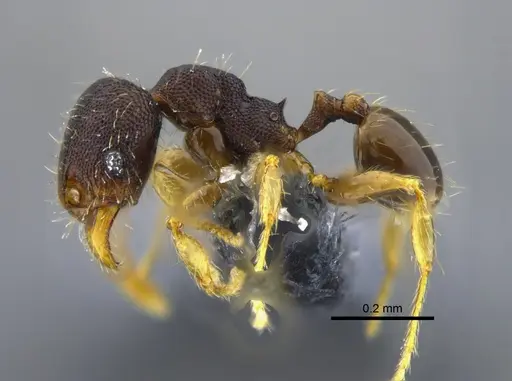
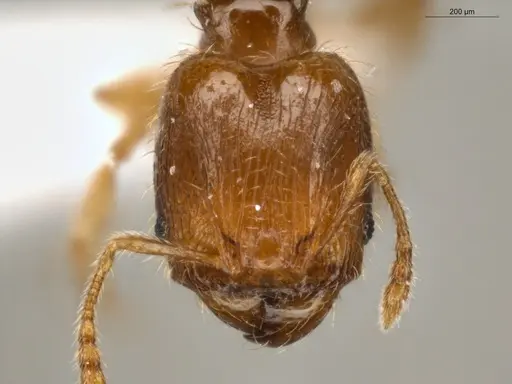
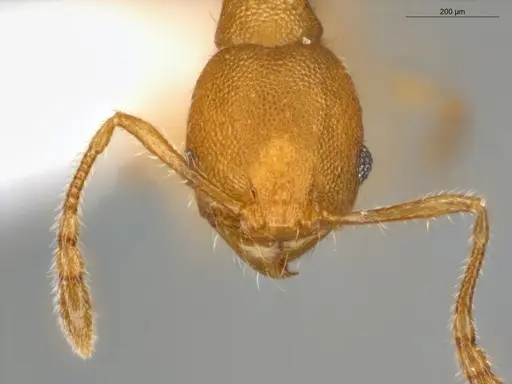
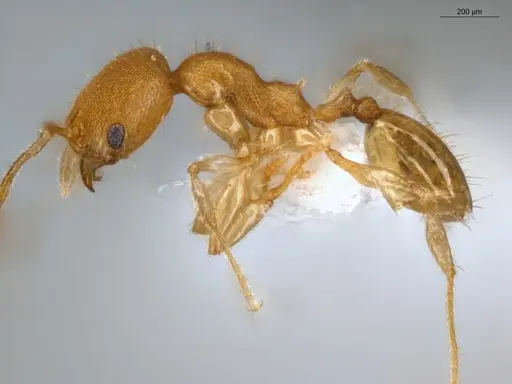
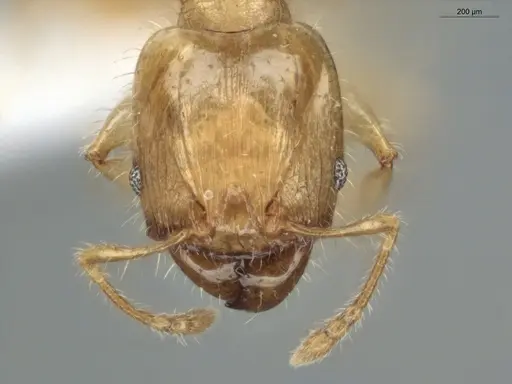
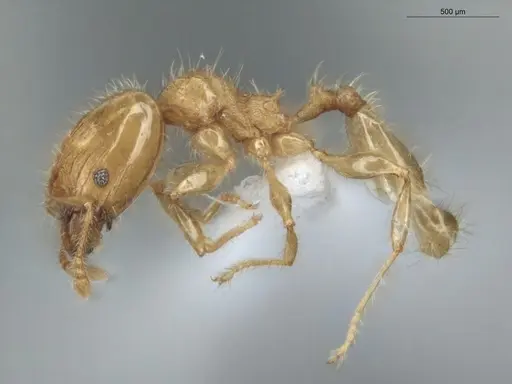
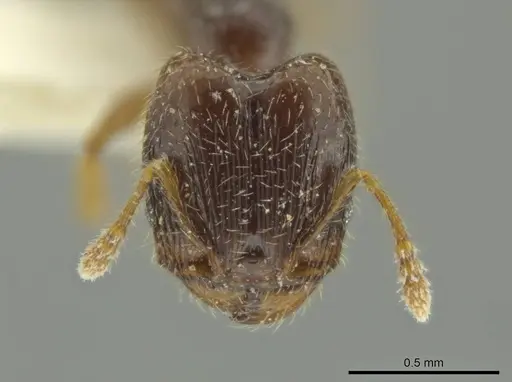
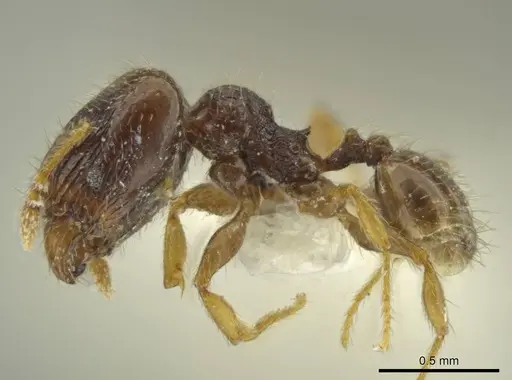
Pheidole guajirana is a small tropical ant first described by Wilson in 2003. Major workers have a bicolored head with the anterior portion brownish-yellow and posterior portion medium brown, while the body tends toward dark brown. Minors are medium brown with yellowish appendages. The postpetiole is diamond-shaped when viewed from above, and eyes are set well forward on the head . This species is found in northern South America, including Colombia's La Guajira and Magdalena regions, Venezuela, and near Manaus, Brazil . It inhabits wet trunks, rotten wood, and sand near rivers, with nest entrances that are excessively small . A notable feature is their foraging behavior: workers actively search for food on riverbank soil and are attracted to baits, making them observable in captivity .
Quick Summary
- Difficulty: Easy
- Origin & Habitat: Northern South America, Colombia (La Guajira, Magdalena), Venezuela, and Brazil (near Manaus). Found in rainforest and tropical dry forest at elevations up to 200m, typically nesting in wet trunks, rotten wood, or sand near rivers [2][1][3].
- Colony Type: Unconfirmed, no specific literature on queen number, but based on Pheidole genus patterns, likely single-queen colonies.
- Size & Growth:
- Queen: Size data unavailable, inferred from Pheidole genus to be approximately 5-6 mm total length
- Worker: Size data unavailable, inferred to be small, with majors having larger heads for defense, approximately 2-4 mm total length based on genus patterns
- Colony: Up to several hundred workers, estimated based on typical Pheidole species
- Growth: Moderate, inferred from tropical species
- Development: Estimated 6-8 weeks at optimal temperatures, inferred from related small Myrmicinae (Development time is faster in warm conditions)
- Antkeeping:
- Temperature: Keep at 24-28°C, inferred from tropical habitat [3]
- Humidity: Keep nest substrate consistently moist but not waterlogged, as they inhabit wet wood near rivers [3].
- Diapause: No, as a tropical species, they do not require hibernation.
- Nesting: Prefer dark, humid nests with small chambers. Y-tong or plaster nests work well [3].
- Behavior: Workers are active foragers and aggressive defenders. Majors act as soldiers with strong mandibles. Defense includes biting and formic acid release, as typical for Myrmicinae. Their small size requires excellent escape prevention.
- Common Issues: escape prevention is critical due to tiny size, overheating can kill them quickly, dry conditions cause colony decline, mold can be a problem in overly humid setups, wild-caught colonies may have parasites
Nest Preferences and Setup
In the wild, Pheidole guajirana nests in wet rotting wood and small cavities near rivers, with excessively small nest entrances [3]. For captive care, provide a nest that maintains high humidity while allowing some ventilation. Y-tong (AAC) nests or plaster nests work well because they hold humidity consistently. Keep the nest in a dark area, as these ants prefer dim conditions. A water tube attached to the nest helps maintain humidity. Place the setup away from direct sunlight and drafts.
Feeding and Diet
Pheidole guajirana is a generalist feeder. Workers forage actively on riverbank soil and are attracted to protein baits [3]. In captivity, offer a varied diet: protein sources like small insects, and sugar sources like honey water. Feed protein 2-3 times per week, and keep sugar water available at all times. Remove uneaten prey after 24 hours to prevent mold. Given their tiny size, food items should be appropriately small.
Temperature and Seasonal Care
As a tropical species, Pheidole guajirana needs warm conditions year-round. Keep the nest area at 24-28°C. This is typical room temperature in many homes, but you may need a heating cable during cooler months. Create a temperature gradient so ants can move between warmer and cooler areas. They do not require hibernation. Avoid temperature fluctuations and cold drafts.
Behavior and Colony Structure
This species has major and minor workers. Majors have enlarged heads for defense and seed processing. Minors handle foraging and nursing. Workers are aggressive defenders and will bite and release formic acid when threatened. Their small size means they are quick foragers. Watch for major workers patrolling the foraging area. [1][3]
Growth and Development
Colony growth is moderate for a small tropical ant. The queen lays eggs that develop through larval stages before emerging as workers. First workers are typically smaller but grow as the colony feeds them. Larger majors appear as the colony expands. Expect the colony to reach several hundred workers within the first year under good conditions.
Frequently Asked Questions
How long does it take for Pheidole guajirana to have first workers?
Expect first workers to emerge within 6-8 weeks after the queen lays eggs, assuming optimal temperatures around 24-28°C. This is inferred from related small Myrmicinae.
What do I feed Pheidole guajirana ants?
Offer a varied diet: small insects as protein 2-3 times per week, and keep sugar water available at all times. They are attracted to baits [3].
What temperature do Pheidole guajirana ants need?
Keep them at 24-28°C. They are tropical ants and need consistent warmth year-round.
Are Pheidole guajirana good for beginners?
Yes, they are considered easy to keep. They are forgiving of minor care mistakes and do not require hibernation. Their main requirements are warmth, humidity, and good escape prevention due to their tiny size.
How big do Pheidole guajirana colonies get?
At maturity, colonies can reach up to several hundred workers, based on typical Pheidole species.
Do I need to hibernate Pheidole guajirana?
No, they do not require hibernation as a tropical species.
Why are my Pheidole guajirana escaping?
Their tiny size means they can escape through small gaps. Use fine mesh, tight-fitting lids, and barrier tape on edges.
What type of nest is best for Pheidole guajirana?
Y-tong (AAC) or plaster nests work well, providing dark, humid conditions [3].
Can I keep multiple queens together?
Pheidole guajirana is likely monogyne based on genus patterns, so it's not recommended to combine unrelated queens.
Report an Issue
The current care sheet is based fully on literature. See inconsistencies, or something that's incorrect? Please , it will be resolved after review from an admin. Contributing to the blogs tab also helps providing information, to make us be able to further improve the caresheets. Thank you for your support!
References

This caresheet is licensed under CC BY-SA 4.0 .
Community Blogs
CASENT0644210
View on AntWeb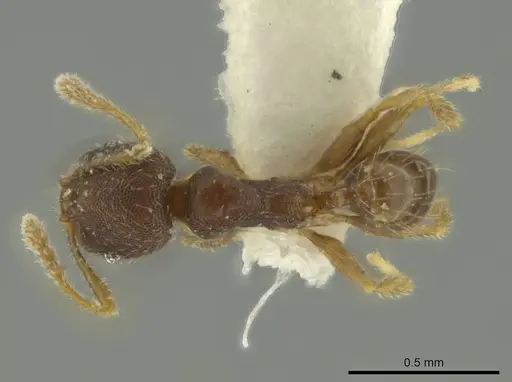
CBUMAGENT42071
View on AntWeb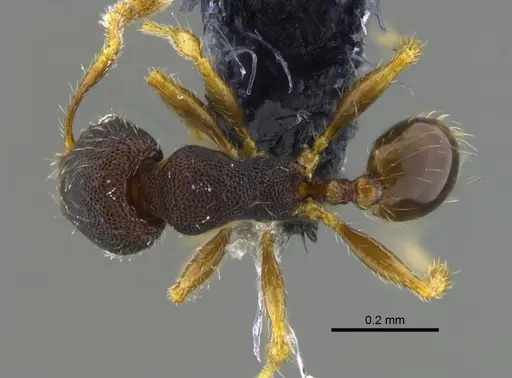
ECOFOG-IT14-0304-30-S
View on AntWeb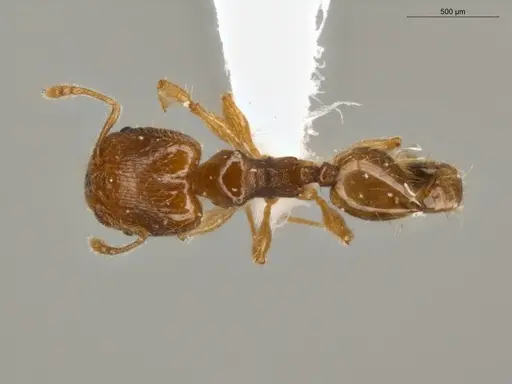
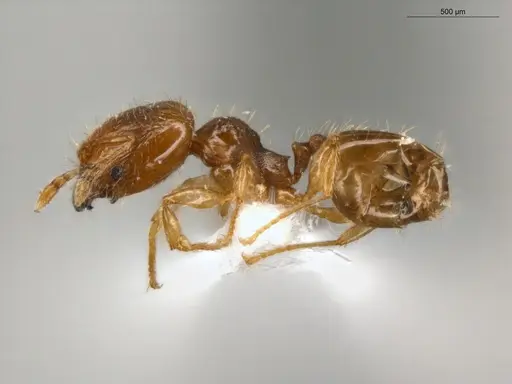
ECOFOG-IT14-0304-30
View on AntWeb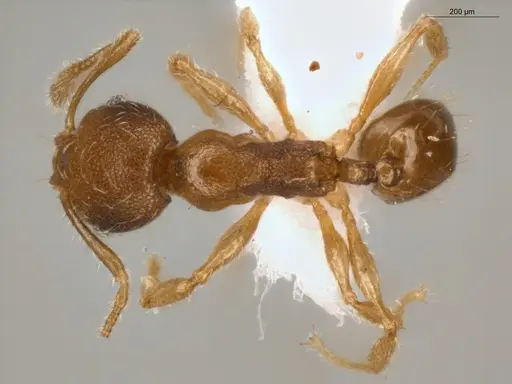
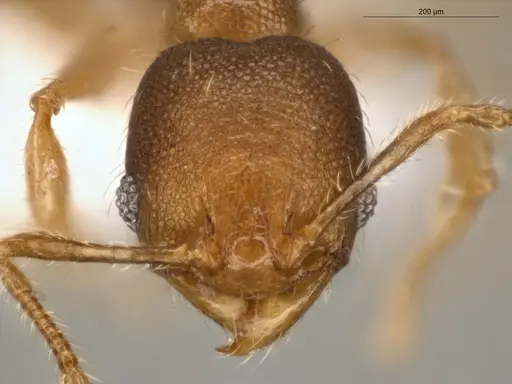
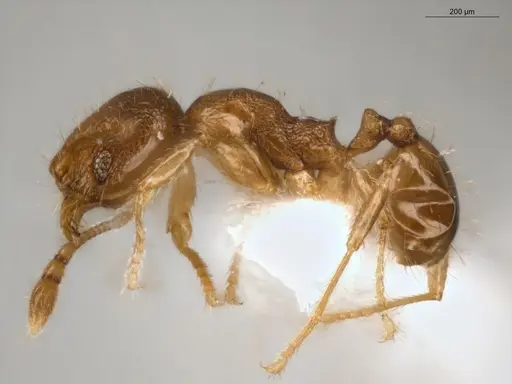
ECOFOG-IT14-0431-49
View on AntWeb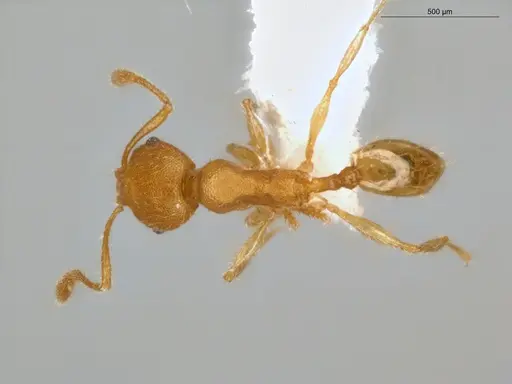
ECOFOG-MI15-0396-07-S
View on AntWeb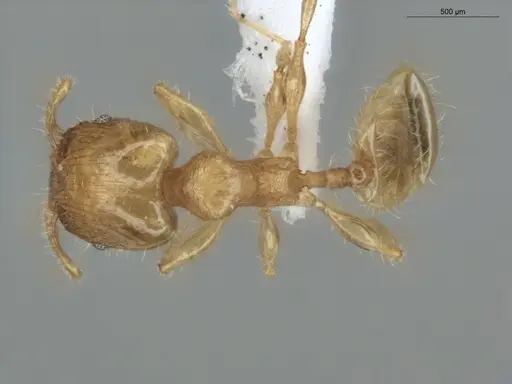
JTLC000016394
View on AntWeb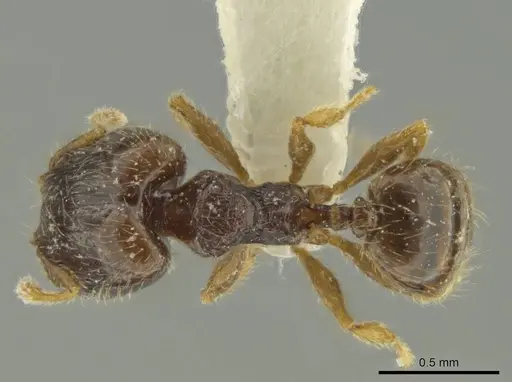
Literature
Loading distribution map...Loading products...