
Pheidole godmani
- Sci. Name
- Pheidole godmani
- Tribe
- Attini
- Subfamily
- Myrmicinae
- Author
- Forel, 1893
- Distribution
- Found in 0 countries
Introduction
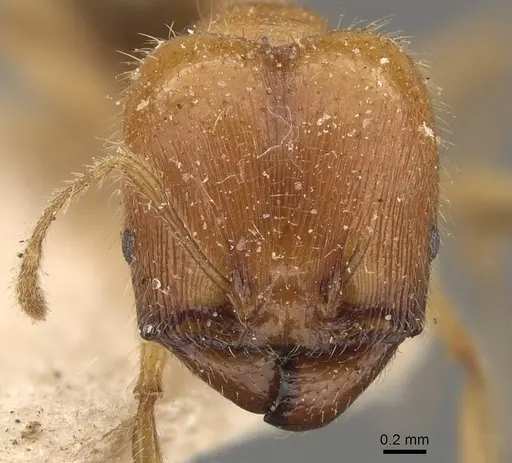
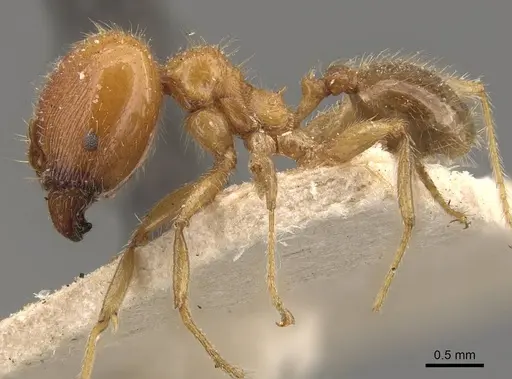
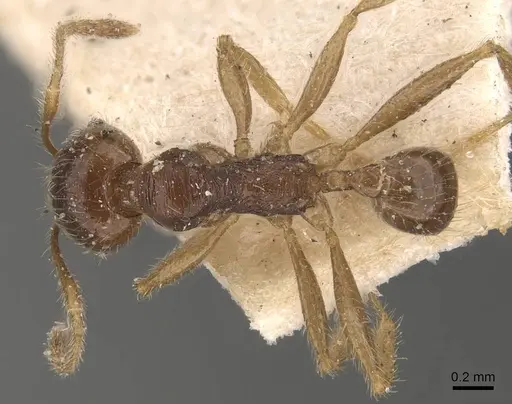
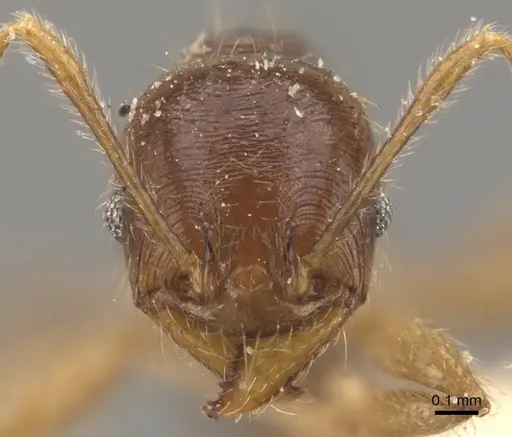
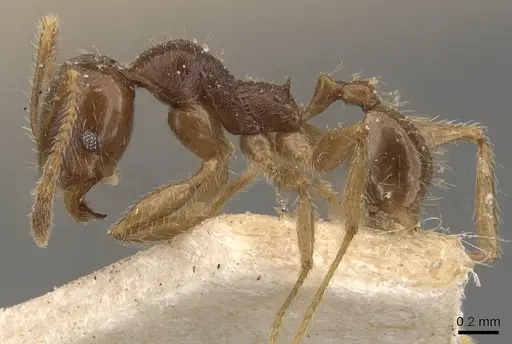
Pheidole godmani is a tropical ant species first described from Saint Vincent in the West Indies . Workers are small, inferred from Pheidole genus to be typically 2-4 mm, and majors have disproportionately large heads characteristic of the genus . They thrive in warm, humid environments typical of tropical forests and disturbed areas. This species is known for its distinctive caste system with major workers that help process seeds and defend the colony .
Quick Summary
- Difficulty: Easy
- Origin & Habitat: Saint Vincent, West Indies, tropical island environment [1]. In nature, they nest in soil and rotting wood in warm, humid habitats [2].
- Colony Type: Based on Pheidole patterns, likely monogyne (single queen colonies). Major workers develop to assist with seed processing and defense.
- Size & Growth:
- Queen: Inferred from Pheidole genus: ~7-9 mm [2]
- Worker: Inferred from Pheidole genus: minor workers 2-4 mm, major workers 4-6 mm [2]
- Colony: Up to thousands of workers estimated based on typical Pheidole colonies [2]
- Growth: Moderate
- Development: Estimated 6-10 weeks at warm temperatures, inferred from Pheidole genus [2] (Major workers may appear 3-4 months after founding)
- Antkeeping:
- Temperature: Keep warm, roughly 24-28°C, based on tropical species needs [2]
- Humidity: Keep nest substrate consistently moist but not waterlogged, based on tropical habitat [2]
- Diapause: No, as a tropical species, they do not require hibernation [2]
- Nesting: Y-tong nests or test tube setups work well, with moist substrate for nest chamber [2]
- Behavior: Generally peaceful and not aggressive toward keepers. Major workers can deliver a mild sting if handled roughly, but they are not dangerous. Escape prevention should be moderate due to their size [2].
- Common Issues: tropical species needs consistent warmth, cold drafts can kill colonies., overwatering can cause mold problems in the nest., major workers develop slowly, beginners may think something is wrong., wild-caught colonies may contain parasites that affect survival in captivity., seed-eating means they need appropriate grain offerings alongside protein.
Housing and Nest Setup
Pheidole godmani adapts well to various captive setups. For founding colonies, a simple test tube setup with a water reservoir works well, the queen may seal herself in a chamber [2]. Once the colony reaches a reasonable size, you can move them to a Y-tong formicarium or a naturalistic setup with soil and a foraging area. These ants do best with a moist nest chamber, so choose materials that hold humidity well like plaster or soil [2]. Provide a separate outworld with easy access to food. Because they are tropical, avoid placing the nest near air conditioning vents or cold windows [2].
Feeding and Diet
Pheidole godmani is omnivorous with a fondness for seeds. Offer a mix of protein and carbohydrate sources. Protein options include small insects like fruit flies and pinhead crickets. For seeds, they will take millet, chia seeds, and small bird seed mixes, majors process these with their large heads [2]. Provide a constant sugar source like sugar water or honey water. Feed protein 2-3 times per week and keep sugar water available at all times. Remove uneaten food after 24-48 hours to prevent mold.
Temperature and Seasonal Care
As a Caribbean tropical species, Pheidole godmani needs warm conditions year-round. Maintain temperatures around 24-28°C in the nest area. A small heating cable can create a temperature gradient [2]. Room temperature may be sufficient in warm homes, but monitor with a thermometer. Unlike temperate species, they do not require a winter diapause period. Keep them away from cold drafts and air conditioning.
Colony Development and Growth
Pheidole colonies develop through distinct castes. The founding queen lays eggs, and after several weeks at warm temperatures, the first workers emerge. These workers begin foraging to support the colony. Over months, minor workers increase, and major workers develop, typically 3-6 months after founding. Majors help process seeds and defend the colony. A mature colony can grow to thousands of workers over years. Be patient during the founding phase, as growth accelerates once foraging begins. [2]
Behavior and Handling
Pheidole godmani is generally calm and not prone to aggressive swarming. When threatened, minor workers may rush around while major workers stand their ground. Majors can deliver a mild sting if cornered, but they pose no real danger to humans. They are active foragers that search systematically. Escape prevention should be moderate, standard barriers like fluon on test tube rims work well. [2]
Frequently Asked Questions
How long does it take for Pheidole godmani to get first workers?
Expect first workers to emerge several weeks after the queen lays eggs, assuming warm temperatures around 25-28°C. This is inferred from Pheidole genus patterns [2].
What do I feed Pheidole godmani?
They are omnivorous. Offer small insects for protein 2-3 times weekly, and keep a sugar source available at all times. They also eat seeds like millet and chia, processed by major workers [2].
Can I keep multiple Pheidole godmani queens together?
Not recommended. While likely monogyne, combining unrelated queens in captivity often leads to fighting. House each queen in her own setup until established.
Do Pheidole godmani need hibernation?
No. As a tropical species, they do not require hibernation. Keep them warm year-round [2].
Are Pheidole godmani good for beginners?
Yes, they are considered a good beginner species. They are relatively hardy and adapt well to various nest types. The main requirement is consistent warmth and humidity [2].
When should I move Pheidole godmani to a formicarium?
You can keep them in a test tube setup through the founding phase. Once the colony reaches a reasonable size and space is limited, move them to a larger setup like a Y-tong formicarium.
How big do Pheidole godmani colonies get?
Mature colonies can reach up to thousands of workers over several years, inferred from typical Pheidole colonies [2].
Why are my Pheidole godmani dying?
Common causes include temperatures below 24°C, too dry conditions, mold from overwatering, or stress from disturbance. Check that your setup maintains proper warmth and humidity [2].
What temperature is best for Pheidole godmani?
Keep them at roughly 24-28°C. This tropical species thrives in warm conditions. A heating cable can create a gradient [2].
Report an Issue
The current care sheet is based fully on literature. See inconsistencies, or something that's incorrect? Please , it will be resolved after review from an admin. Contributing to the blogs tab also helps providing information, to make us be able to further improve the caresheets. Thank you for your support!
References

This caresheet is licensed under CC BY-SA 4.0 .
Community Blogs
Literature
Loading distribution map...Loading products...