
Pheidole gigaflavens
- Sci. Name
- Pheidole gigaflavens
- Tribe
- Attini
- Subfamily
- Myrmicinae
- Author
- Wilson, 2003
- Distribution
- Found in 2 countries
Introduction
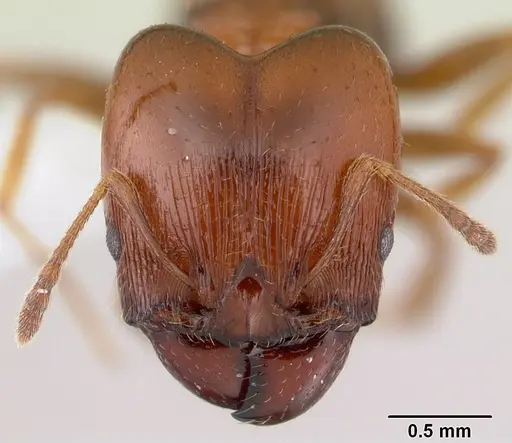
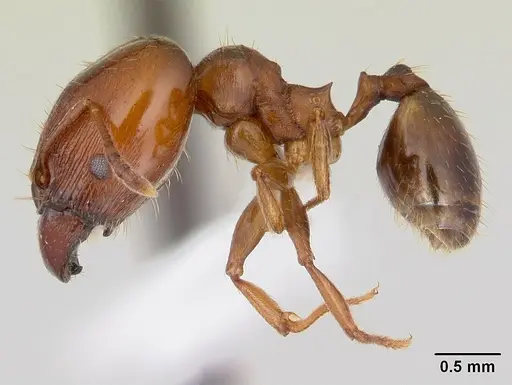
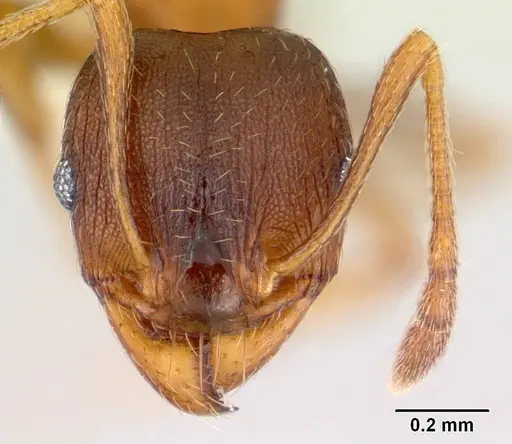
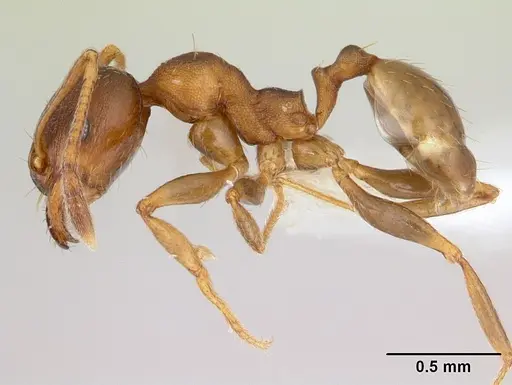
Pheidole gigaflavens is a Neotropical big-headed ant described in 2003. The species has two distinct worker castes. Major workers carry large heads and reddish-brown bodies. Minor workers stay smaller and show yellowish-brown coloring. The species ranges across Argentina, Bolivia, Paraguay, and parts of Brazil . Nothing is known about its natural biology or habitat preferences . This species remains a mystery to myrmecologists. You will be keeping an ant with zero published biological data. Expect to rely entirely on genus-level patterns and careful observation. Keepers should prepare for an experimental setup where you adjust temperature, humidity, and diet based on colony response rather than species-specific guidelines.
Quick Summary
- Difficulty: Medium
- Origin & Habitat: Argentina, Bolivia, Paraguay, and Brazil. The species inhabits subtropical lowlands and agricultural areas like citrus orchards [1][2][3].
- Colony Type: Unconfirmed. Most Pheidole species form single-queen colonies, but this has not been verified for Pheidole gigaflavens.
- Size & Growth:
- Queen: size data unavailable
- Worker: size unknown, inferred from Pheidole genus (~5-7mm for majors, ~2-3mm for minors)
- Colony: Unknown, no published data
- Growth: Unknown
- Development: Unknown, estimated 6-10 weeks based on typical Pheidole patterns (No species-specific data exists. Development speed depends on temperature and nutrition.)
- Antkeeping:
- Temperature: Estimated 22-28°C based on Neotropical distribution. Start around 24°C and watch how the colony responds.
- Humidity: Keep the nest substrate consistently moist but not waterlogged. Provide a dry area so workers can regulate moisture themselves.
- Diapause: Unknown. Neotropical ants often skip true winter dormancy, but cooler months may slow development.
- Nesting: Likely nests in soil or rotting wood based on genus patterns. Use Y-tong or plaster nests with moderate chamber sizes.
- Behavior: Unknown temperament. Based on typical Pheidole behavior, majors likely process seeds and defend the nest, while minors forage and care for brood. Escape risk is moderate. Standard barriers like Fluon work well. The species possesses a functional stinger, though the sting is mild.
- Common Issues: lack of biological data makes founding unpredictable, humidity balance may cause mold or desiccation without species guidance, temperature swings can kill the queen or brood, wild colonies may carry unknown pathogens, slow development requires patience and careful observation
Nest Preferences
No natural nesting data exists for Pheidole gigaflavens. The species likely nests in soil or rotting wood based on typical Pheidole patterns. Use Y-tong or plaster nests with moderate chamber sizes. Avoid acrylic nests entirely. Test tubes work for founding, then move to larger nests once workers emerge. Keep chambers snug to prevent stress [1].
Feeding and Diet
No dietary observations exist for this species. Pheidole ants generally eat seeds and small insects. Offer protein sources like fruit flies or pinhead crickets twice a week. Provide grass seeds or millet as a staple. Add sugar water or honey water for energy. Remove uneaten food within two days to prevent mold. Adjust portions based on how fast the colony eats.
Temperature and Care
Pheidole gigaflavens lives in warm Neotropical regions. Aim for 22-28°C. Room temperature often works, but you may need a heating cable on one side of the nest. Monitor actual nest temperature with a thermometer. Keep temperatures above 18°C and below 30°C. Provide a moisture gradient in the nest. Keep part of the substrate damp and let other parts dry slightly. Watch colony behavior to adjust conditions [1].
Behavior and Temperament
No specific behavioral data exists. Pheidole ants usually divide labor clearly. Major workers handle seed processing and defense. Minor workers forage and tend brood. Expect minors to explore the outworld while majors stay near the nest entrance. The species possesses a functional stinger, though the sting is mild. Use standard escape prevention like Fluon barriers. Handle colonies carefully [1].
Colony Founding
Founding behavior is unconfirmed. Most Pheidole queens seal themselves in a chamber and raise their first brood alone. The queen lives off stored fat until workers emerge. Do not disturb the queen or brood during this time. Wait for workers to appear before offering food. Expect a waiting period of 6-10 weeks based on genus patterns.
Growth and Development
No development data exists for this species. Expect moderate colony growth based on typical Pheidole patterns. Major workers usually appear once the colony reaches a moderate size. Growth depends on temperature and nutrition. Be patient during the first year. Track worker counts and brood stages to monitor progress.
Frequently Asked Questions
How long does it take to produce first workers?
The timeline is unconfirmed. Expect 6-10 weeks based on typical Pheidole patterns. Do not disturb the queen during this period.
What do they eat?
No dietary data exists. Offer small insects, grass seeds, and sugar water. Adjust portions based on colony consumption.
Are they good for beginners?
This species requires careful observation due to zero published data. Experienced keepers who can adjust conditions based on colony response will do best.
What temperature should I keep them at?
Aim for 22-28°C based on their Neotropical range. Use a heating cable if your room stays cool. Monitor nest temperature directly [1].
How big do colonies get?
Colony size data is unpublished. Expect moderate growth. Track worker numbers to estimate size over time.
Can I keep multiple queens together?
Colony structure is unconfirmed. Most Pheidole species use single queens. Do not combine unrelated queens. Observe queen number before attempting to merge colonies.
What nest should I use?
Use Y-tong or plaster nests. Avoid acrylic nests. Provide moderate chamber sizes and a moisture gradient.
Do they need hibernation?
True hibernation is unlikely for Neotropical ants. Cooler months may slow development. Reduce feeding if temperatures drop naturally.
Why is there no biology data?
The species was described in 2003 and has received no biological study since. All care relies on genus patterns and careful observation [1].
Report an Issue
The current care sheet is based fully on literature. See inconsistencies, or something that's incorrect? Please , it will be resolved after review from an admin. Contributing to the blogs tab also helps providing information, to make us be able to further improve the caresheets. Thank you for your support!
References

This caresheet is licensed under CC BY-SA 4.0 .
Community Blogs
CASENT0178026
View on AntWeb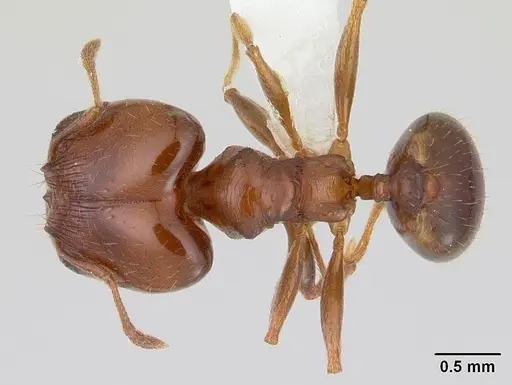
CASENT0178027
View on AntWeb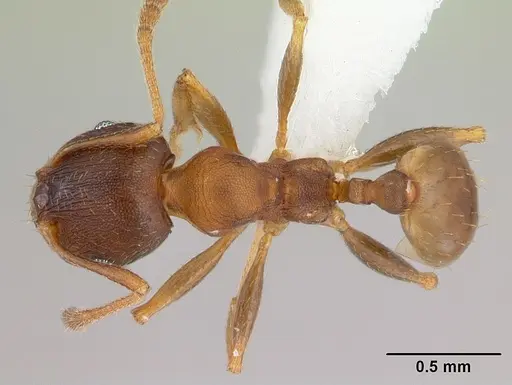
Literature
Loading distribution map...Loading products...