
Pheidole ghatica
- Sci. Name
- Pheidole ghatica
- Tribe
- Attini
- Subfamily
- Myrmicinae
- Author
- Forel, 1902
- Distribution
- Found in 1 countries
Introduction
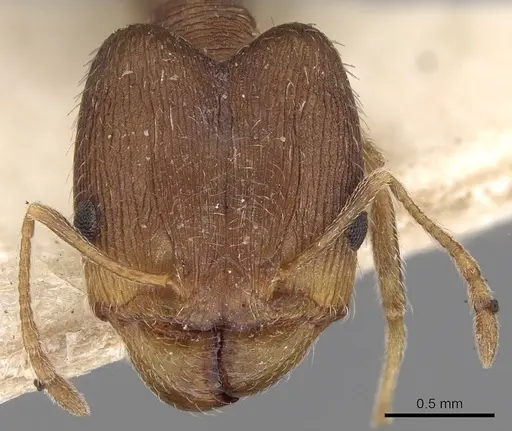
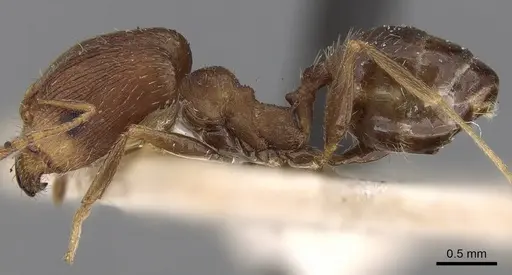
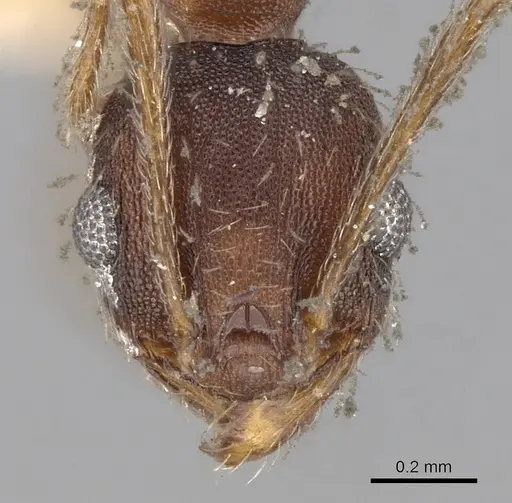
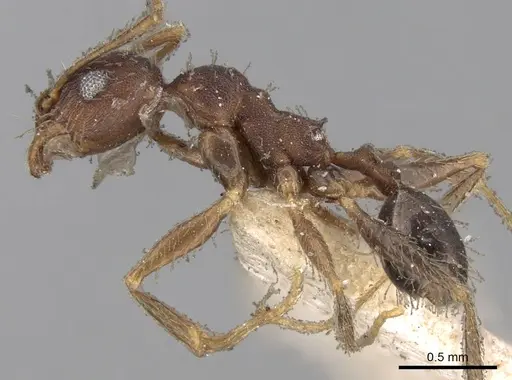
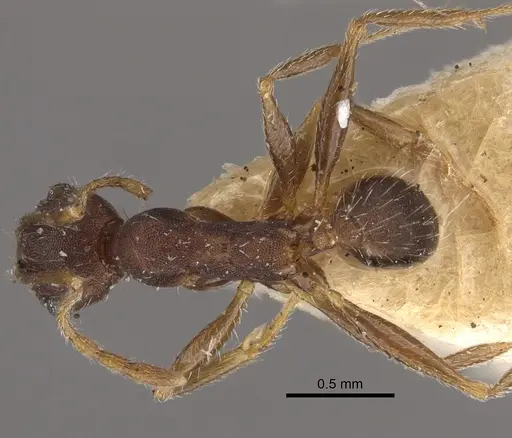
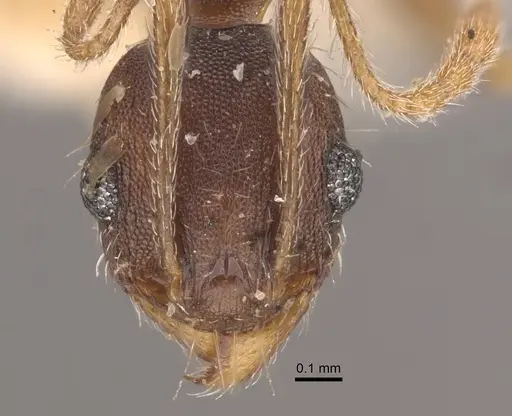
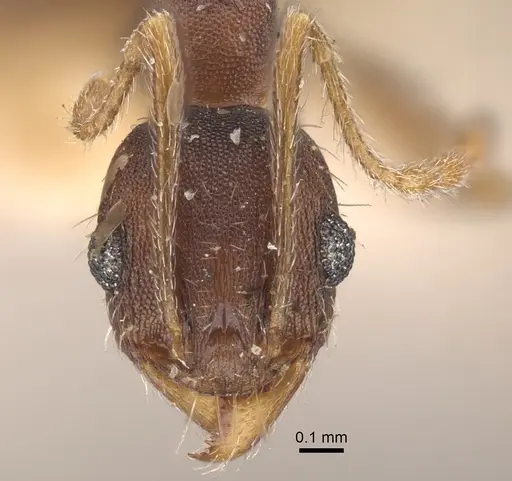
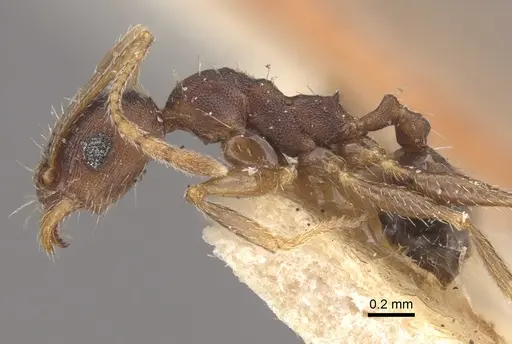
Pheidole ghatica is a small ant species endemic to India, recorded in Kerala and Maharashtra states. It nests in soil and hosts the myrmecophilous beetle Coluocera beloni. Major and minor workers show dimorphism, with majors having larger heads and minors being smaller. Body size data is unavailable from research, but based on Pheidole genus patterns, workers are typically a few millimeters long . This species belongs to the Attini tribe, which includes fungus-growing ants, but Pheidole ghatica does not cultivate fungus. It is notable for its soil-nesting behavior and interactions with other insects.
Quick Summary
- Difficulty: Medium
- Origin & Habitat: Endemic to India, specifically Kerala and Maharashtra, nesting in soil in tropical habitats [1][2].
- Colony Type: Unconfirmed, research does not specify queen number or social structure.
- Size & Growth:
- Queen: Size data unavailable, no total length measurements provided.
- Worker: Size data unavailable, research provides head width measurements, but body size is not specified.
- Colony: Unknown, based on Pheidole genus patterns, colonies can reach several thousand workers, but not documented for this species.
- Growth: Moderate, inferred from tropical Pheidole species.
- Development: Estimated 6-8 weeks at warm temperatures, based on genus patterns. (Development time may vary with temperature.)
- Antkeeping:
- Temperature: Keep warm, around 24-28°C, as this is a tropical species from India.
- Humidity: Maintain moist substrate for soil-nesting, but avoid waterlogging [2].
- Diapause: Likely no true diapause due to tropical origin, but not confirmed.
- Nesting: Soil-nesting species, adapt to test tube setups or Y-tong nests with soil substrate [2].
- Behavior: Generally peaceful, major workers defend the nest, minor workers forage. Minor workers are very small, so escape prevention is critical, use fine mesh barriers. Colonies may show aggression if nest is disturbed.
- Common Issues: minor workers can escape through tiny gaps, use fine mesh on ventilation., soil-nesting requires proper humidity maintenance in captive setups., tropical species needs consistent warmth, cold can be fatal., colonies may be slow to establish, patience needed during founding phase.
Housing and Nest Setup
Pheidole ghatica is a soil-nesting species. For founding colonies, use a test tube setup with a water reservoir and cotton plug, keeping the substrate moist. For established colonies, Y-tong nests with soil chambers or naturalistic setups work well. Ensure fine mesh on ventilation holes, as minor workers are very small and can escape through gaps larger than 0.5mm [2][4].
Feeding and Diet
This species is omnivorous, preferring seeds and protein. Offer small seeds, insects like fruit flies, and sugar water or honey. Remove uneaten food after 24 hours to prevent mold. General Pheidole diet patterns apply [4].
Temperature and Seasonal Care
As a tropical species from India, keep the nest warm at 24-28°C year-round. Temperatures below 20°C can slow growth or be fatal. No diapause is needed, but maintain consistent warmth.
Colony Development and Growth
Founding behavior is unconfirmed. Once established, growth is moderate. First workers may emerge in 6-8 weeks under warm conditions, based on genus patterns. Colonies can grow to several thousand workers over time.
Behavior and Defense
This species is generally peaceful. Major workers defend the nest using their mandibles, while minors handle foraging. Defense includes a sting, as typical for Myrmicinae, but it is not medically significant to humans. Escape risk is high due to small minor workers.
Frequently Asked Questions
How long does it take for Pheidole ghatica to produce first workers?
First workers typically emerge in 6-8 weeks under warm conditions (24-28°C), based on genus patterns.
What do Pheidole ghatica ants eat?
They eat seeds, small insects, and sugar sources. Offer a varied diet and remove uneaten food after 24 hours [4].
What temperature do Pheidole ghatica colonies need?
Keep them warm at 24-28°C year-round, as they are a tropical species from India.
Are Pheidole ghatica good for beginners?
They are moderate difficulty due to small workers requiring escape prevention and warm conditions. Not recommended for absolute beginners.
How big do Pheidole ghatica colonies get?
Colony size is unknown, but based on Pheidole genus patterns, they can reach several thousand workers.
Can I keep multiple Pheidole ghatica queens together?
Colony type is unconfirmed, but Pheidole species are typically single-queen. Combining queens is not recommended.
Why are my Pheidole ghatica escaping?
Minor workers are very small. Check for gaps larger than 0.5mm and use fine mesh on ventilation [2].
Do Pheidole ghatica need hibernation?
No, as a tropical species, they do not require diapause. Keep them warm year-round.
When should I move my colony to a formicarium?
Wait until the colony has at least 50-100 workers and is active. Use soil-based nests for this species [4].
Report an Issue
The current care sheet is based fully on literature. See inconsistencies, or something that's incorrect? Please , it will be resolved after review from an admin. Contributing to the blogs tab also helps providing information, to make us be able to further improve the caresheets. Thank you for your support!
References

This caresheet is licensed under CC BY-SA 4.0 .
Community Blogs
CASENT0281660
View on AntWeb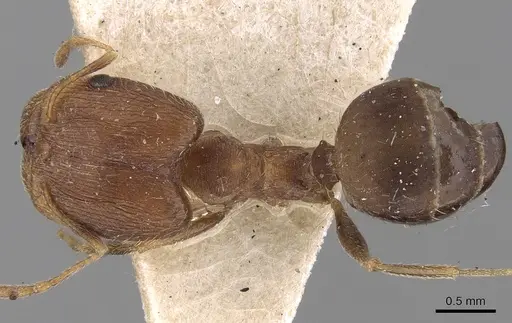
CASENT0281661
View on AntWeb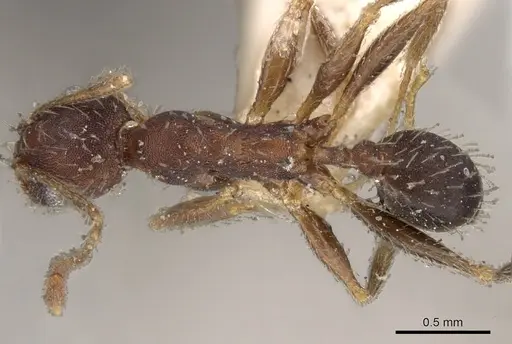
CASENT0907879
View on AntWeb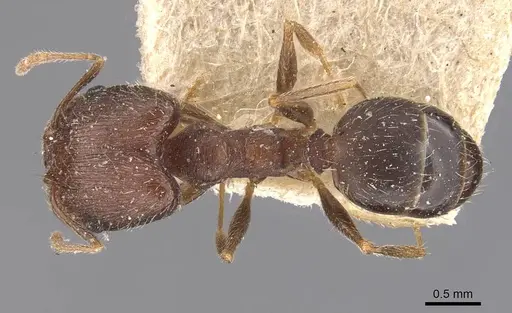
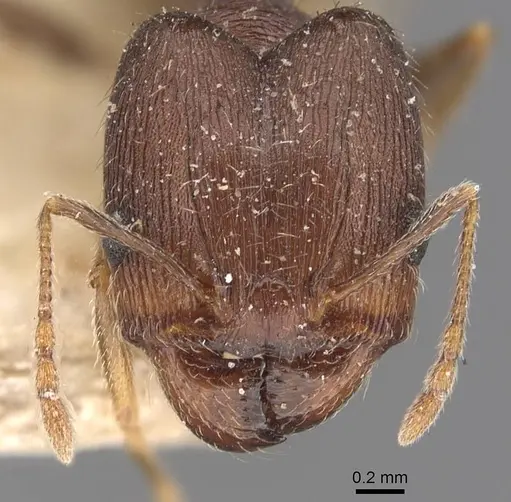
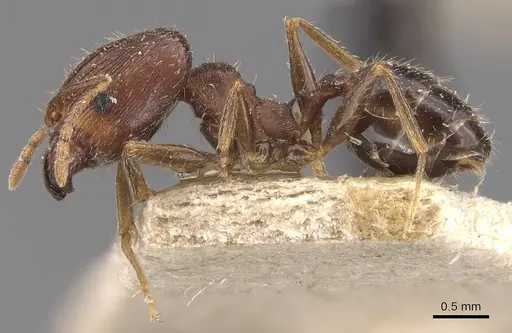
CASENT0907880
View on AntWeb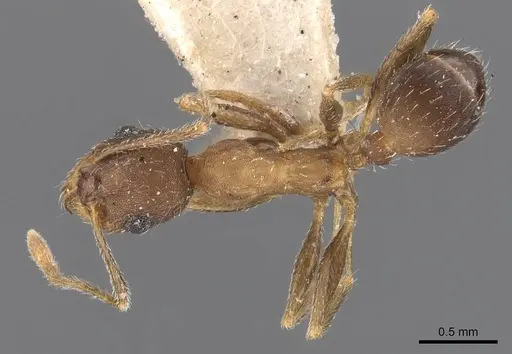
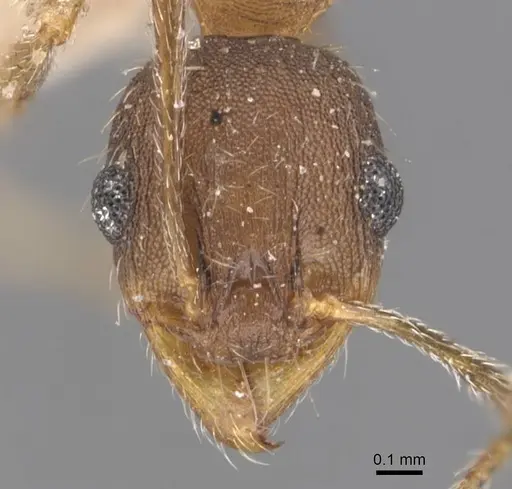
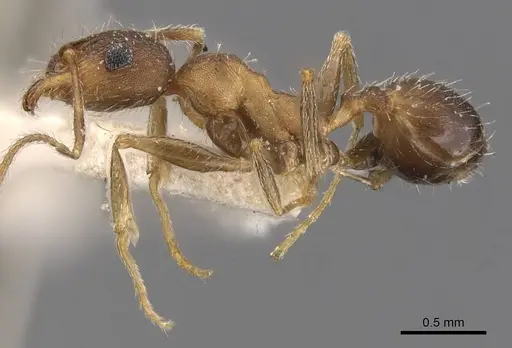
CASENT0917772
View on AntWeb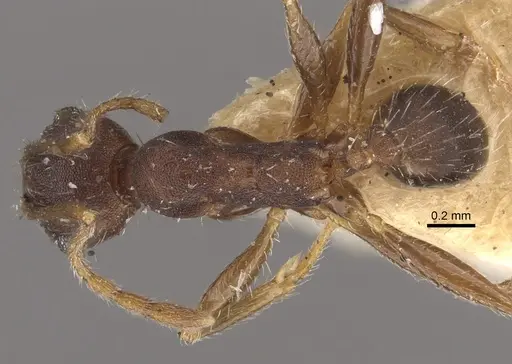
Literature
Loading distribution map...Loading products...