
Pheidole gauthieri
- Sci. Name
- Pheidole gauthieri
- Tribe
- Attini
- Subfamily
- Myrmicinae
- Author
- Forel, 1901
- Distribution
- Found in 8 countries
Introduction
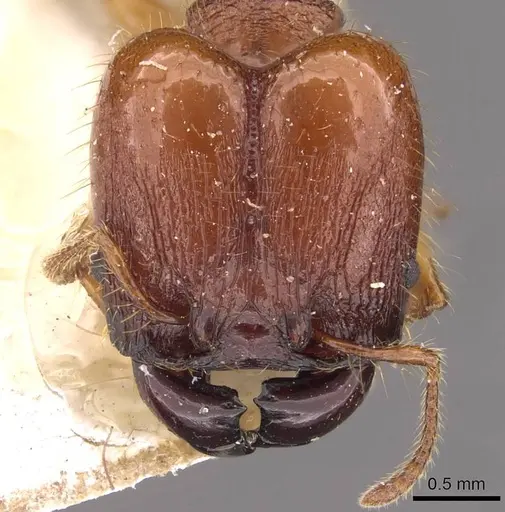
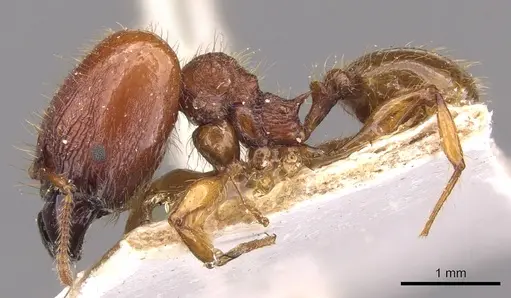
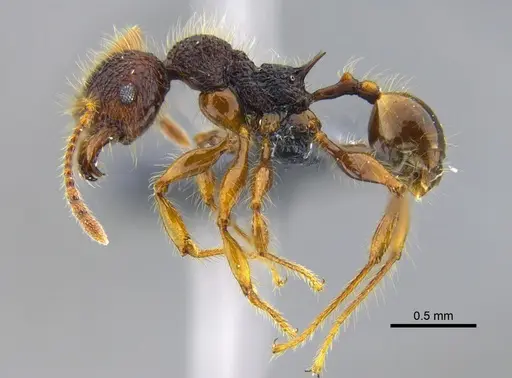
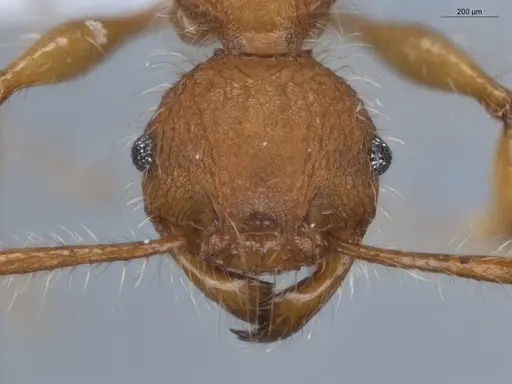
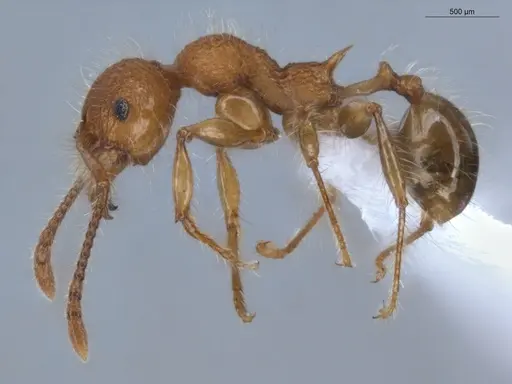
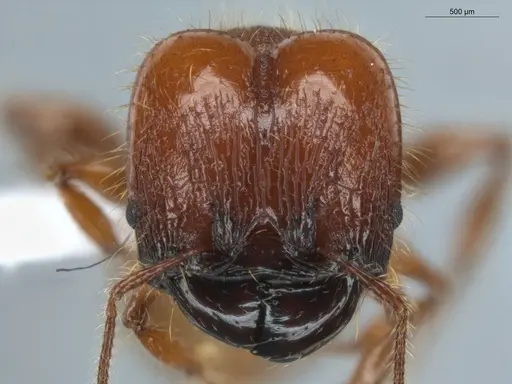
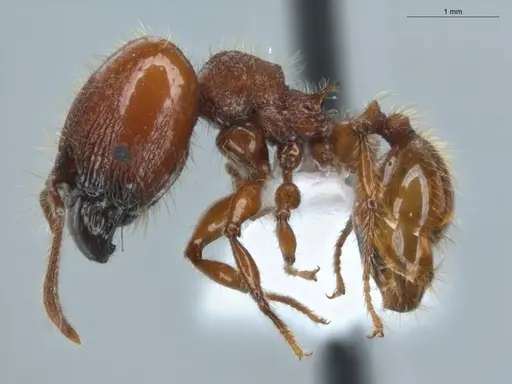
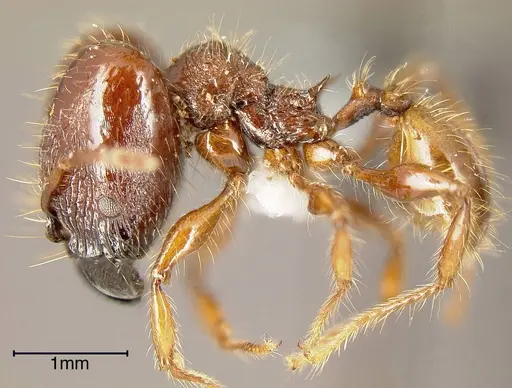
Pheidole gauthieri is a dimorphic ant species with major and minor workers, native to the Neotropical region from Mexico to Brazil . It inhabits mature wet forests, nesting in dead wood in the low arboreal zone and foraging in leaf litter and at extrafloral nectaries . This species exhibits clear caste division, with major workers handling defense and seed processing, while minors manage foraging and brood care .
Quick Summary
- Difficulty: Medium
- Origin & Habitat: Neotropical region, found in Guatemala, Costa Rica, Panama, Colombia, Brazil, French Guiana, and surrounding countries [1][3]. Inhabits mature wet forests, nesting in dead wood [2].
- Colony Type: Unconfirmed, no specific data on queen number from research.
- Size & Growth:
- Queen: size unknown, inferred from Pheidole genus (~6-8 mm)
- Worker: size unknown, inferred from Pheidole genus (~2-3 mm for majors, ~1-2 mm for minors)
- Colony: Up to several hundred workers estimated
- Growth: Moderate
- Development: 6-10 weeks estimated at optimal temperatures (Development time varies with temperature, warmer conditions accelerate development)
- Antkeeping:
- Temperature: Keep around 24-28°C. As a tropical species, they prefer warm conditions [2].
- Humidity: Keep the nest substrate consistently moist but not waterlogged [2].
- Diapause: No, tropical species do not require hibernation [2].
- Nesting: Y-tong (AAC) nests work well for this species. They prefer dark, humid nests. Test tube setup works for founding colonies [2].
- Behavior: Pheidole gauthieri is a generalist forager that hunts in leaf litter and collects nectar. They are not particularly aggressive but will defend their nest. Minor workers handle most foraging while major workers defend the nest. Escape risk is moderate due to their small size, standard mesh barriers are recommended [2].
- Common Issues: mold growth in overly wet nests, ensure adequate ventilation, colonies declining due to temperature drops below 22°C, keep consistently warm, major workers may get stuck in formicarium tubes if passages are too narrow, wild-caught colonies may carry parasites that affect captive survival, overfeeding leads to mold problems, remove uneaten prey promptly
Housing and Nest Setup
For founding colonies, a simple test tube setup works well. Fill a test tube with water and plug the wet end with cotton, then add the queen. Once the colony reaches a small number of workers, you can move them to a formicarium. Y-tong (AAC) nests are excellent because they hold humidity well while providing dark chambers that mimic dead-wood nesting sites [2]. Alternatively, a naturalistic setup with cork bark or small pieces of dead wood on moist substrate works well. The nest area should be kept humid while the outworld can be drier. Use standard escape prevention, they can still escape through small gaps [2].
Feeding and Diet
Pheidole gauthieri is a generalist feeder. In the wild, they forage in leaf litter for small insects and arthropods, and they also collect honeydew and nectar from extrafloral nectaries [2]. In captivity, offer protein sources like small crickets, mealworms, fruit flies, and other small insects twice weekly. Sugar water, honey, or commercial ant jelly should be available constantly. Remove uneaten prey after 24-48 hours to prevent mold [2].
Temperature and Seasonal Care
As a tropical species from Central and South America, Pheidole gauthieri needs warm conditions year-round. Keep the nest area between 24-28°C. Temperatures below 22°C can slow colony development and may lead to decline. A small heating cable or heating mat on one side of the nest creates a temperature gradient that allows the ants to regulate their own exposure. Do not let temperatures exceed 32°C. Unlike temperate species, they do not require any winter cooling period, maintain consistent warmth throughout the year. This species does not enter diapause [2].
Colony Development and Growth
Pheidole colonies grow through a series of stages. After founding, the queen lays eggs and tends the brood through larval and pupal stages. The first workers to emerge are called nanitics, they are smaller than normal workers and help the colony expand. Once nanitics are active, the queen returns to egg-laying full-time and the colony grows more rapidly. The development time from egg to worker is estimated at 6-10 weeks at optimal temperatures. Major workers appear as the colony matures, their large heads are used for seed processing and nest defense. A healthy colony can eventually reach several hundred workers [2].
Behavior and Foraging
This species is primarily a leaf-litter forager in the wild, hunting small arthropods and collecting sweet secretions. They are not aggressive toward humans and rarely bite. Major workers will defend the nest if threatened, using their mandibles. In captivity, they are active foragers that will readily take protein and sugar foods. They do not have stingers that can penetrate human skin. Their foraging activity is typically highest during evening and night hours, reflecting their wild behavior, but they will forage whenever food is offered during the day [2].
Frequently Asked Questions
How long does it take for Pheidole gauthieri to produce first workers?
Expect first workers (nanitics) to emerge in 6-10 weeks at optimal temperatures of 24-28°C. This is typical for Pheidole species in warm conditions. The exact timing depends on temperature and whether the queen was mated before capture [2].
What do I feed Pheidole gauthieri ants?
Offer a varied diet: protein sources like small crickets, mealworms, or fruit flies twice weekly, and constant access to sugar water, honey, or ant jelly. They also collect nectar in the wild, so sweet foods are important. Remove uneaten prey after a day to prevent mold [2].
What temperature do Pheidole gauthieri need?
Keep them warm at 24-28°C. This tropical species does not tolerate cool temperatures well, aim for the warmer end of this range for optimal colony growth. A heating cable on part of the nest creates a gradient [2].
Can I keep multiple Pheidole gauthieri queens together?
No data on queen number, so it is unconfirmed. Pheidole species are often monogyne, but combining unrelated queens typically results in fighting. Only one queen per colony is recommended unless research confirms otherwise.
What size colony do Pheidole gauthieri reach?
Established colonies likely reach up to several hundred workers, based on typical Pheidole colony sizes [2].
Do Pheidole gauthieri need hibernation?
No. As a tropical species from Central and South American rainforests, they do not require any winter cooling period. Keep them warm year-round [2].
What nest type is best for Pheidole gauthieri?
Y-tong (AAC) nests work excellently because they hold humidity well and provide dark chambers similar to their natural dead-wood nesting sites [2]. Test tubes work for founding colonies. Avoid overly dry setups.
Are Pheidole gauthieri good for beginners?
They are intermediate-level ants. The main challenges are maintaining warm, humid tropical conditions and providing appropriate protein foods. They are not difficult once you understand their basic needs, but they are less forgiving than some temperate species [2].
Why are my Pheidole gauthieri dying?
Common causes include: temperatures below 22°C, overly dry conditions, mold from excessive moisture or uneaten food, or parasites from wild-caught colonies. Check your temperature, humidity, and food management first [2].
Report an Issue
The current care sheet is based fully on literature. See inconsistencies, or something that's incorrect? Please , it will be resolved after review from an admin. Contributing to the blogs tab also helps providing information, to make us be able to further improve the caresheets. Thank you for your support!
References

This caresheet is licensed under CC BY-SA 4.0 .
Community Blogs
CASENT0613749
View on AntWeb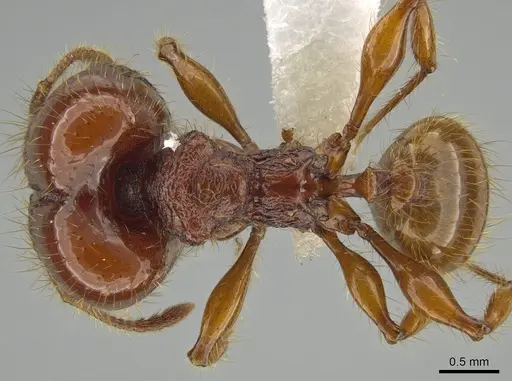
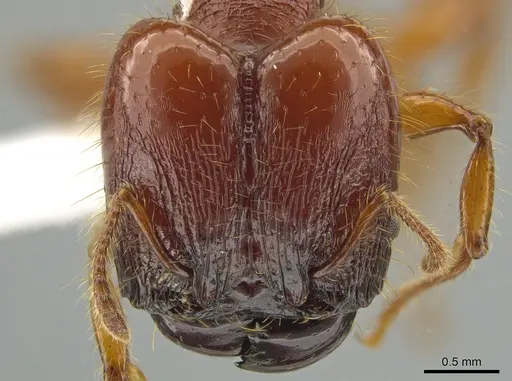
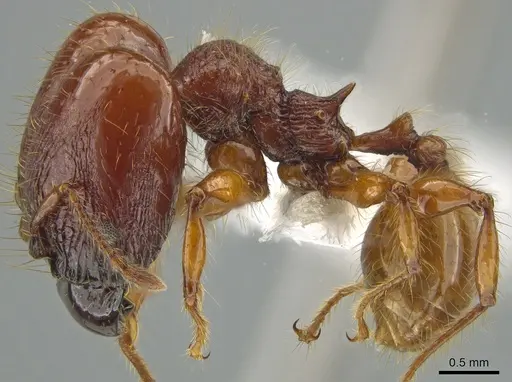
CASENT0635470
View on AntWeb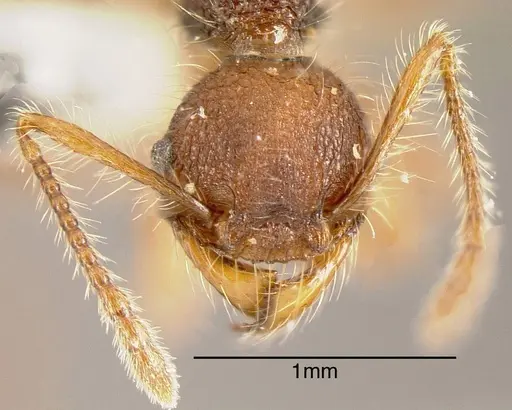
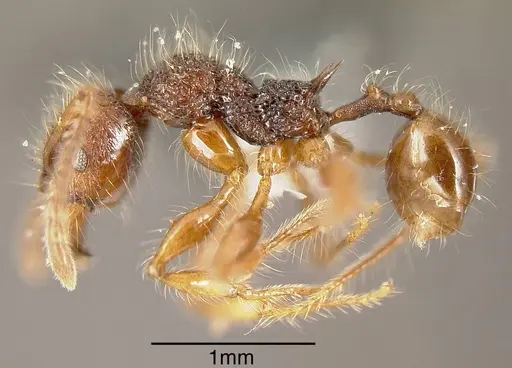
CASENT0908280
View on AntWeb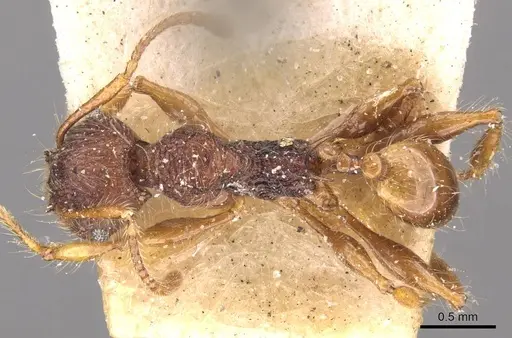
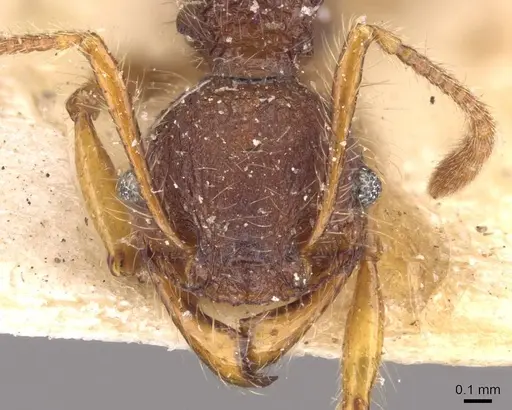
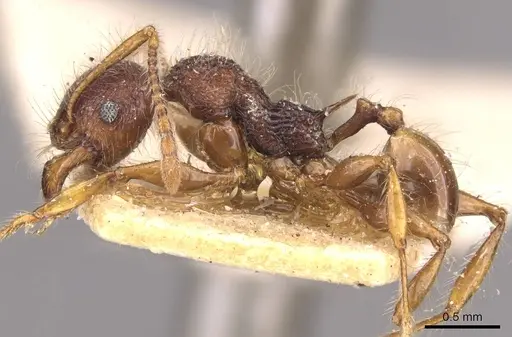
CASENT0908281
View on AntWeb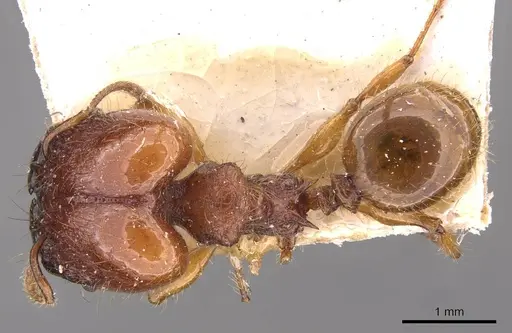
CASENT0908282
View on AntWeb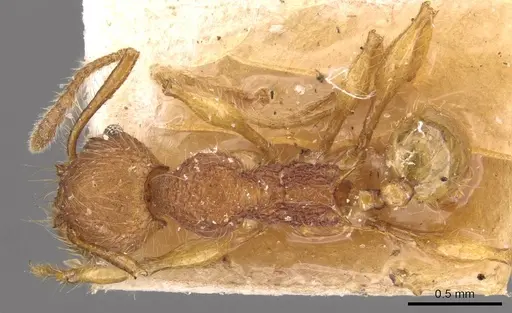
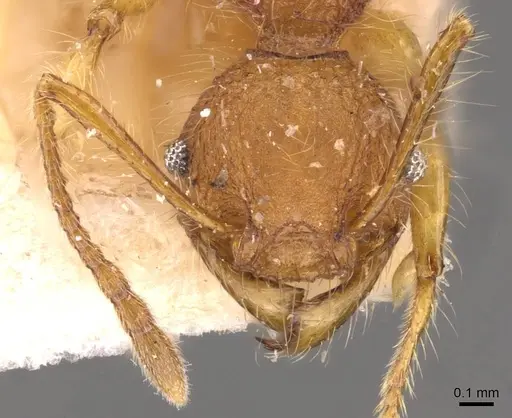
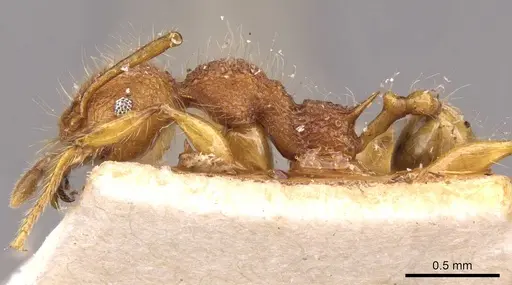
CBUMAGENT42046
View on AntWeb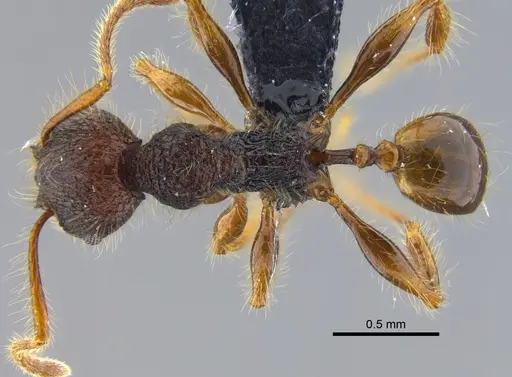
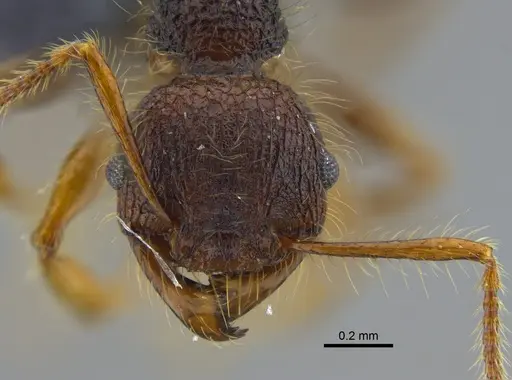
ECOFOG-MAI19-0035-19
View on AntWeb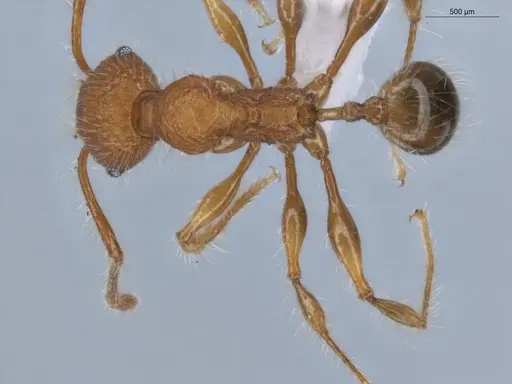
ECOFOG-MAI19-0035-22
View on AntWeb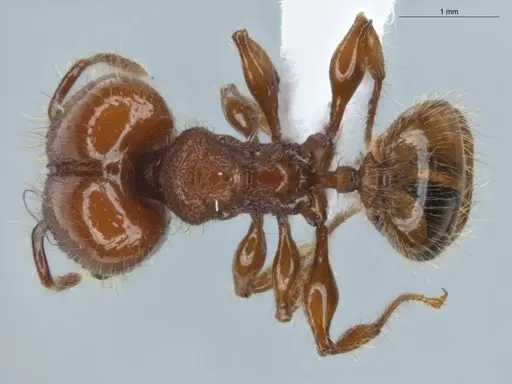
INBIOCRI001282212
View on AntWeb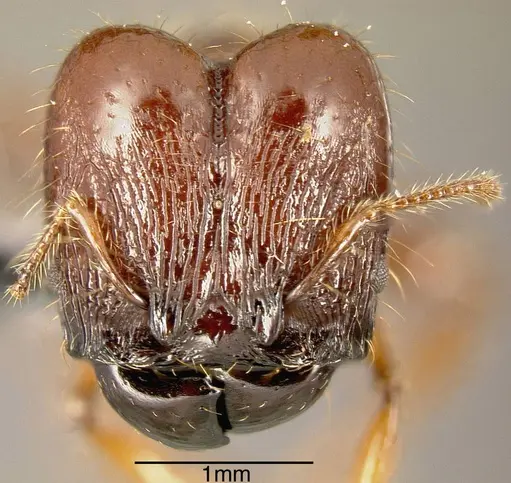
Literature
Loading distribution map...Loading products...