
Pheidole gatesi
- Sci. Name
- Pheidole gatesi
- Tribe
- Attini
- Subfamily
- Myrmicinae
- Author
- Wheeler, 1927
- Distribution
- Found in 2 countries
Introduction
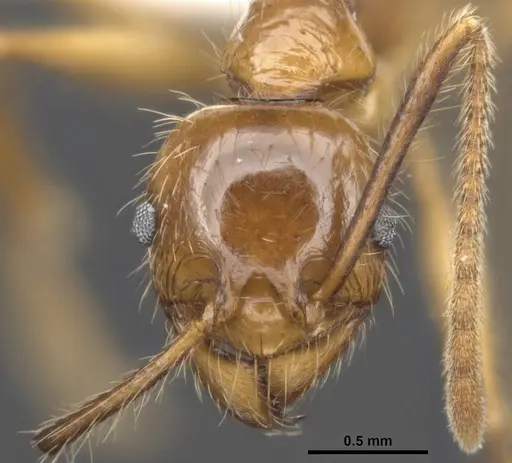
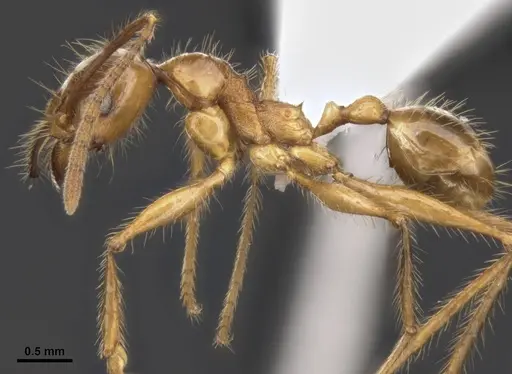
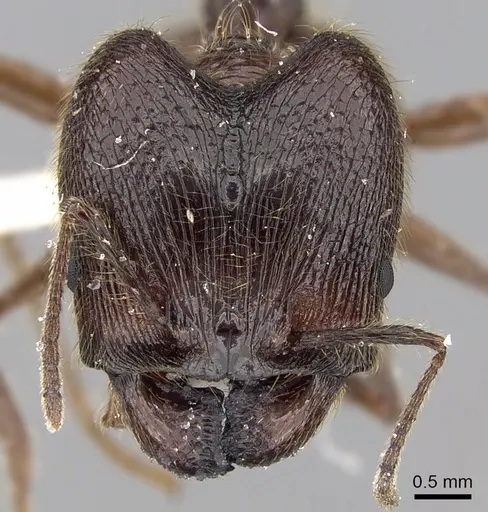
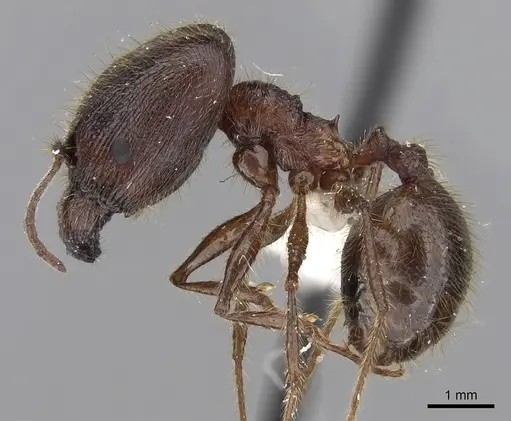
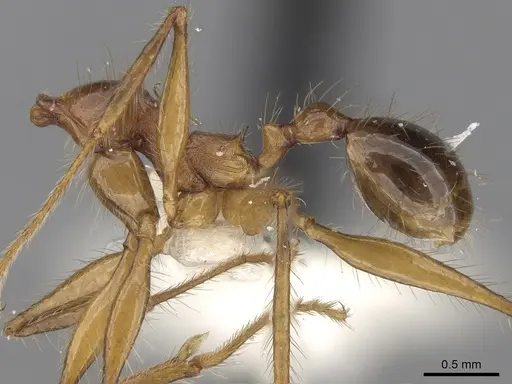
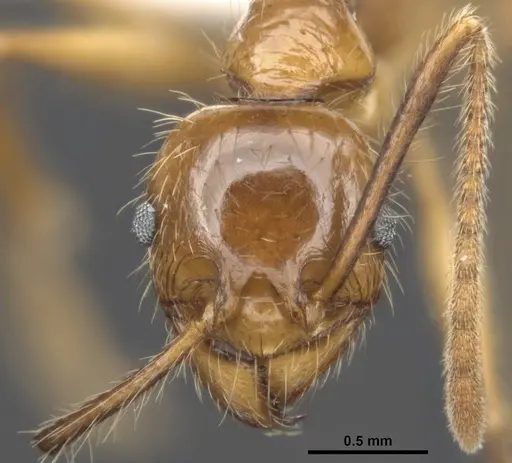
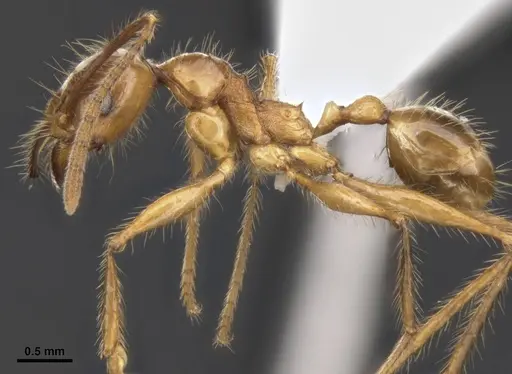
Pheidole gatesi is an ant from Southeast Asia, found across northern Vietnam, southern China, Thailand, and Myanmar . Major workers have a large head and a 4-segmented antennal club, while minor workers are much smaller. Both castes have a noticeable mound on the back of the promesonotum, which helps identify them . This species lives in woody areas and nests in soil . A special feature is that major workers act as repletes, they store liquid food in their abdomens to share with the colony . Unlike many ants, P. gatesi is a habitat specialist that sticks to primary forests and is not found in disturbed habitats like rubber plantations .
Quick Summary
- Difficulty: Medium
- Origin & Habitat: Northern Vietnam, southern China, Thailand, and Myanmar. Lives in woody habitats and nests in soil, mainly in primary forests [1][4][2].
- Colony Type: Unconfirmed. No research on queen number in this species.
- Size & Growth:
- Queen: Unknown, no measurements available.
- Worker: Unknown total length. Head length: major 2.93–3.40 mm, minor 0.99–1.11 mm [1]. Estimated total length ~4–6 mm for majors and ~1.5–2.5 mm for minors, based on related Pheidole.
- Colony: Unknown, not documented in research.
- Growth: Unknown, no data on colony development rate.
- Development: Unknown, based on typical Pheidole development, possibly 6–10 weeks at warm temperatures. (Timing is an estimate, direct measurements for this species are not available.)
- Antkeeping:
- Temperature: Keep at 24–28°C, matching the warm tropical climate of its native range [1]. A gentle gradient helps ants choose their preferred spot.
- Humidity: Moderate to high, nest substrate should feel damp but not waterlogged. These ants come from humid forests, so stable moisture is important.
- Diapause: Unlikely, this is a tropical species that probably doesn't need hibernation. A slight winter temperature drop to 22–24°C is fine.
- Nesting: Soil nester. Test tubes work for founding, later use Y-tong (AAC), plaster, or naturalistic soil setups. Provide a moisture source like a water tube [2].
- Behavior: Peaceful colony. Major workers act as repletes, storing and sharing liquids [3]. Foraging is nocturnal. Minor workers are tiny (under 2 mm), so they can squeeze through small gaps, use fine barriers. Not aggressive toward keepers.
- Common Issues: primary forest specialist, may struggle in captivity if conditions don't match natural habitat [4]., colony growth may be slow, patience is needed., repletes often sit still and look inactive, this is normal behavior, not a problem., needs steady humidity, drying out can harm the colony., wild-caught colonies may carry parasites or diseases.
Housing and Nest Setup
Pheidole gatesi nests in soil, so give them a setup with natural substrate. For a starting colony, a standard test tube setup works fine, fill one‑third with water, plug with cotton, and put the queen in. Once the colony grows, move them to a Y‑tong (AAC) nest or a box with soil. These ants like a moisture gradient, so keep part of the nest damp. The outworld can be a simple plastic box, use a barrier like fluon on the rim because minor workers are tiny and can fit through small gaps [1][2].
Feeding and Diet
Pheidole gatesi is omnivorous but needs a lot of protein. Offer small insects like fruit flies, pinhead crickets, or mealworms. Give sugar water, honey, or diluted syrup all the time, this is extra important because the major workers (repletes) store liquid food [3]. Feed protein two or three times a week. Remove leftovers after a day or two to avoid mold. Minor workers are small, so cut prey into tiny pieces if needed. Pay attention to what your colony eats and adjust accordingly.
Temperature and Seasonal Care
Keep the temperature between 24–28°C all year, like the warm lowlands of Southeast Asia [1]. A drop to 22–24°C during winter isn't a problem, but true hibernation is not needed. Use a heating cable or mat on one side of the nest (not underneath) to create a warm zone. Monitor where the ants gather, if they crowd the warm side, increase heat a little, if they avoid it, lower the temperature. Avoid big swings, stable warmth helps brood develop.
Humidity Requirements
These ants need moderate to high humidity. Their natural home in woody Southeast Asian forests is moist, so keep the nest substrate damp to the touch without water pooling. A water tube or a damp sponge in the setup provides steady moisture. If you see workers gathered around the water source a lot, the nest might be too dry, mist the outworld a little. Balance moisture with good ventilation to stop mold. The repletes (major workers) are sensitive to dehydration, so always have liquid food available [4][2].
Colony Development
Research hasn't recorded the growth rate of Pheidole gatesi. Based on related species, the queen likely lays eggs that turn into workers after about 6–10 weeks at warm temperatures. The first workers (nanitics) are usually smaller. After they appear, the colony starts growing faster. Major workers show up later and become repletes, they store liquid food and share it with the colony [3]. Final colony size isn't known, but similar Pheidole can have several hundred workers. Growth depends on stable warmth and plenty of food.
Behavior and Temperament
Pheidole gatesi is calm and not aggressive toward people. Workers move steadily, majors often stay still near food or the queen, storing and giving out liquid food [3]. Foraging happens more at night, but they'll take food during the day. Minor workers are very small (under 2 mm) and can slip through tiny cracks, seal your setup well. They have a stinger but rarely use it. The most interesting part is watching majors swell up on sugar water then feed other workers. This food‑sharing makes the colony fun to observe.
Frequently Asked Questions
How long does it take for Pheidole gatesi to raise first workers?
No direct data, but based on other Pheidole, the first workers probably come out after 6–10 weeks at 24–28°C.
Can I keep Pheidole gatesi in a test tube?
Yes. A test tube with a water reservoir works well for founding. When the colony gets bigger, move them to a larger nest with soil or Y‑tong.
What makes Pheidole gatesi unique compared to other Pheidole?
Major workers act as repletes, they store liquid food in their abdomens and share it with the colony [3]. They also stick to primary forests, unlike many generalist ants [4].
How big do Pheidole gatesi colonies get?
Unknown, no colony counts have been reported. Related Pheidole can reach several hundred workers, but that's a guess.
Do Pheidole gatesi need hibernation?
No. This species comes from the tropics, so it doesn't require a cold period. Keeping them at 22–24°C in winter is fine.
What do Pheidole gatesi eat?
They eat insects (fruit flies, crickets) and sweet liquids. Give a constant source of sugar water or honey, especially so the repletes can store it [3].
Are Pheidole gatesi good for beginners?
They're medium difficulty. The need for stable humidity and their slow growth makes them better for keepers with some experience.
Why are my major workers so fat?
That's normal, majors are repletes. They store liquid food in their abdomens to feed the colony [3].
When should I move my colony to a formicarium?
Move when the colony has 30–50 workers or the test tube water runs low. Use a nest that keeps stable humidity, like Y‑tong or soil in a box.
Report an Issue
The current care sheet is based fully on literature. See inconsistencies, or something that's incorrect? Please , it will be resolved after review from an admin. Contributing to the blogs tab also helps providing information, to make us be able to further improve the caresheets. Thank you for your support!
References

This caresheet is licensed under CC BY-SA 4.0 .
Community Blogs
ANTWEB1008102
View on AntWeb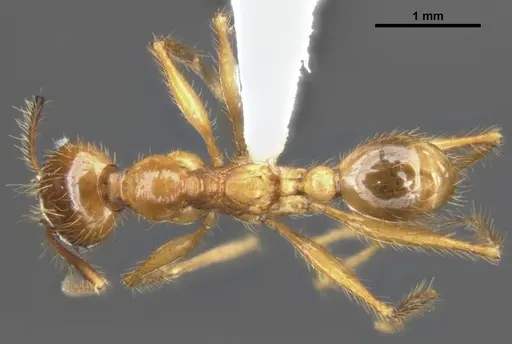
CASENT0281708
View on AntWeb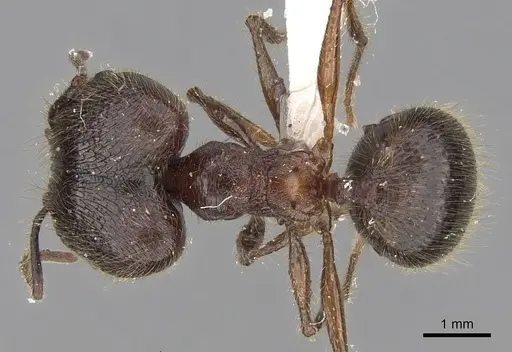
CASENT0281709
View on AntWeb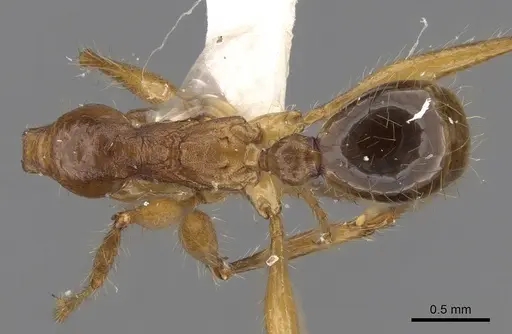
MCZ-ENT00511500
View on AntWeb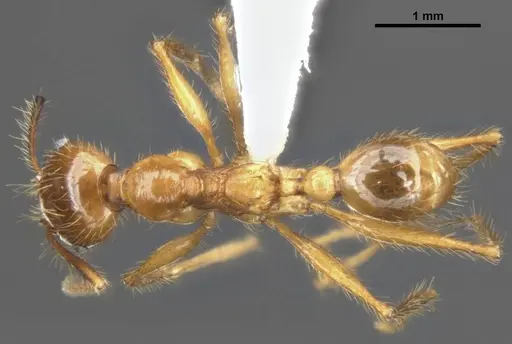
Literature
Loading distribution map...Loading products...