
Pheidole gagates
- Sci. Name
- Pheidole gagates
- Tribe
- Attini
- Subfamily
- Myrmicinae
- Author
- Wilson, 2003
- Distribution
- Found in 3 countries
Introduction
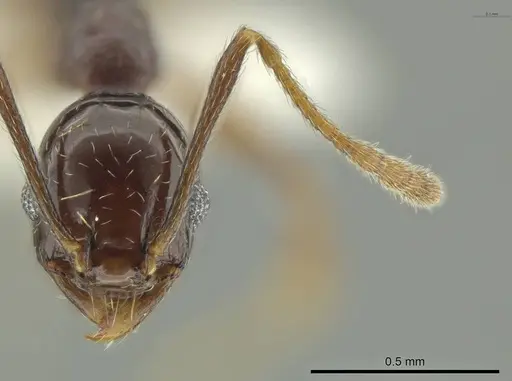
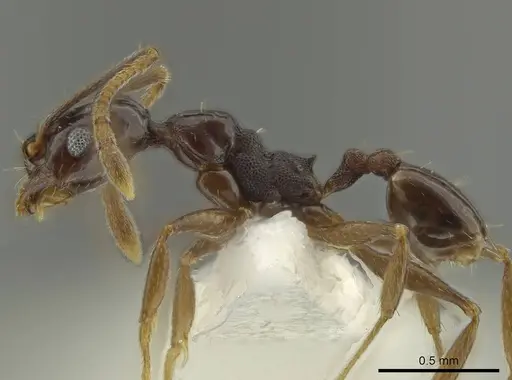
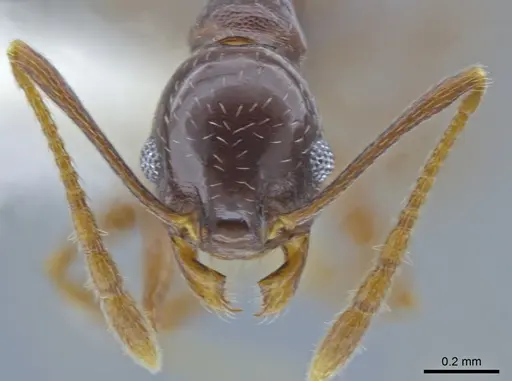
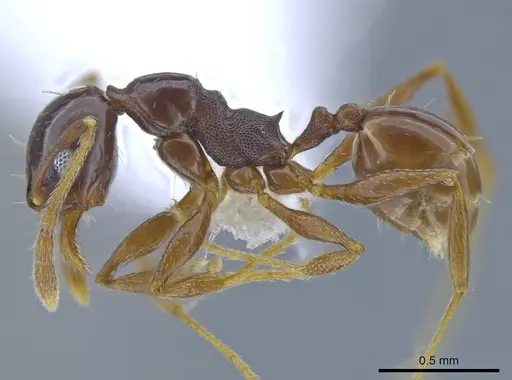
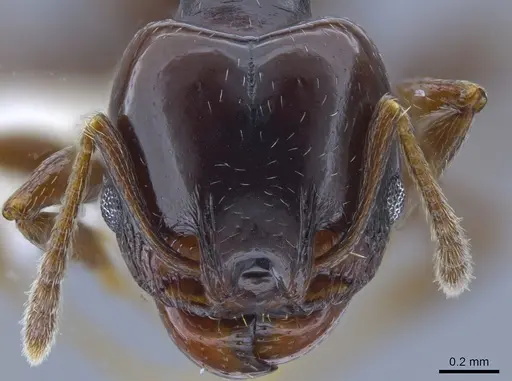
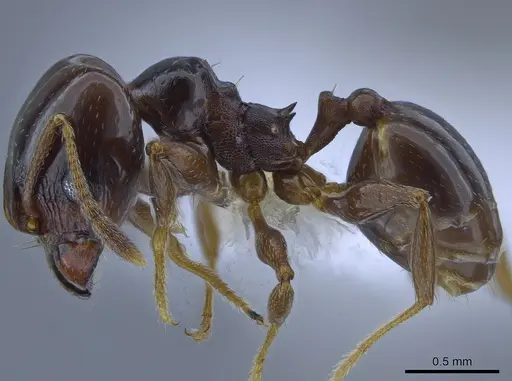
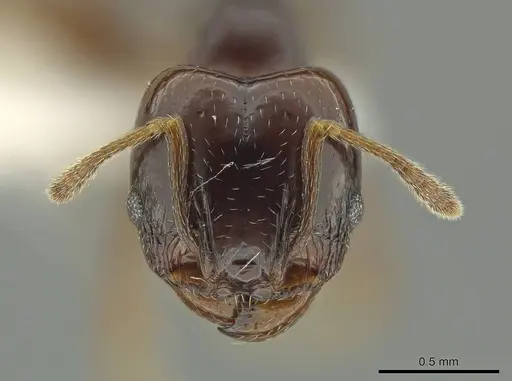
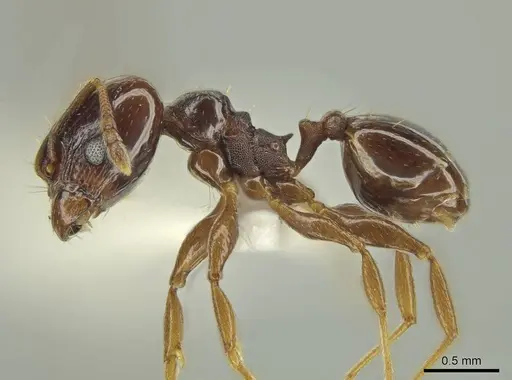
Pheidole gagates is a small Neotropical ant belonging to the diligens group, described by Wilson in 2003. Workers are jet black throughout, with majors having enlarged heads. Full body size data is unavailable from the research context. The species is known from rainforest habitats in Peru and Ecuador, where colonies nest in small rotten tree branches in leaf litter on the forest floor. This species is distinguished by extremely sparse body hairs and a bell-shaped postpetiolar node. As a member of the Attini tribe, these ants likely play a role in seed dispersal and nutrient cycling in their ecosystem.
Quick Summary
- Difficulty: Medium
- Origin & Habitat: Rainforest of the Amazon basin in Peru and Ecuador. Colonies nest in small rotten tree branches in leaf litter on the forest floor. [1]
- Colony Type: Likely monogyne based on genus patterns, with distinct major and minor worker castes.
- Size & Growth:
- Queen: Size data unavailable
- Worker: Size data unavailable
- Colony: Unknown for this species
- Growth: Moderate, inferred from genus patterns
- Development: Unknown, no specific data available (Development time may vary based on temperature and conditions.)
- Antkeeping:
- Temperature: Keep at 24-28°C, inferred from tropical rainforest habitat. [1]
- Humidity: High humidity required, keep nest substrate consistently moist but not waterlogged. [1]
- Diapause: No, as a tropical species, they do not require hibernation. [1]
- Nesting: Naturalistic setup with moist substrate works well, a mix of soil and rotting wood pieces mimics their natural habitat. Y-tong or plaster nests with high humidity also suitable. [1]
- Behavior: Generally peaceful and non-aggressive, inferred from genus patterns. Like most Pheidole, they are active foragers. Their small size means escape prevention is important. [1]
- Common Issues: high humidity needs mean mold can develop if ventilation is poor, small minor workers can escape through standard mesh, use fine mesh barriers, tropical species may struggle in cool rooms below 22°C, rotting wood in naturalistic setups can attract mites if not managed
Nest Preferences
In the wild, Pheidole gagates nests in small rotten tree branches lying in leaf litter on the rainforest floor. This indicates a preference for moist, decaying wood material. For captive care, a naturalistic setup with soil substrate mixed with rotting wood or leaf litter works well. The substrate should stay consistently moist but never waterlogged. Y-tong or plaster nests with high humidity chambers also work, provided you maintain proper moisture levels. Avoid dry nests, these rainforest ants may struggle. [1]
Feeding and Diet
As members of the tribe Attini, Pheidole species typically consume seeds, insect prey, and honeydew. Feed a varied diet including small seeds, protein sources like fruit flies or pinhead crickets, and sugar water or honey. Offer protein 2-3 times per week and keep a sugar source available. Remove uneaten food promptly to prevent mold. [1]
Temperature and Care
Pheidole gagates requires warm, stable tropical conditions. Keep the nest area at 24-28°C, this is ideal for brood development. A heating cable placed on top of the nest creates a gentle temperature gradient. Room temperature alone may be too cool unless your home is already in this range. Monitor colony behavior to adjust temperature. These ants do not need a diapause period. [1]
Behavior and Temperament
This is a peaceful, non-aggressive species suitable for antkeepers of moderate experience. Workers are active foragers that will readily explore their outworld. Major workers assist with food processing rather than foraging. The species poses no sting risk. Escape prevention is important because minor workers are small, use fine mesh on any openings. [1]
Colony Founding
Founding behavior is unconfirmed for this species. If you obtain a queen, provide a humid environment and avoid disturbance until workers emerge. [1]
Frequently Asked Questions
How long does it take for Pheidole gagates to produce first workers?
Unknown, no specific data available. Development time may vary based on temperature and conditions. [1]
What do Pheidole gagates ants eat?
Feed them a mixed diet of small seeds, protein (like fruit flies or pinhead crickets), and sugar sources (honey water or sugar water). Offer protein 2-3 times weekly and keep sugar water available. [1]
Can I keep multiple Pheidole gagates queens together?
Not recommended. This species is likely monogyne, and combining unrelated queens has not been documented. [1]
What temperature do Pheidole gagates need?
Keep them at 24-28°C. These are tropical rainforest ants requiring warm, stable conditions year-round. [1]
Are Pheidole gagates good for beginners?
They are rated Medium difficulty. They require high humidity and warm temperatures, which may be challenging for complete beginners. [1]
How big do Pheidole gagates colonies get?
Colony size is unknown for this specific species. [1]
Do Pheidole gagates need hibernation?
No. As a tropical species from the Amazon rainforest, they do not require diapause or hibernation. [1]
What humidity level do Pheidole gagates need?
High humidity is required. Keep the nest substrate consistently moist but not waterlogged. [1]
When should I move Pheidole gagates to a formicarium?
Wait until the colony has enough workers for foraging to be difficult in a test tube setup. Ensure your formicarium can maintain high humidity. [1]
Why are my Pheidole gagates dying?
Common causes include temperatures below 22°C, low humidity, poor escape prevention, or mold from overly wet conditions with poor ventilation. [1]
Report an Issue
The current care sheet is based fully on literature. See inconsistencies, or something that's incorrect? Please , it will be resolved after review from an admin. Contributing to the blogs tab also helps providing information, to make us be able to further improve the caresheets. Thank you for your support!
References

This caresheet is licensed under CC BY-SA 4.0 .
Community Blogs
CASENT0644204
View on AntWeb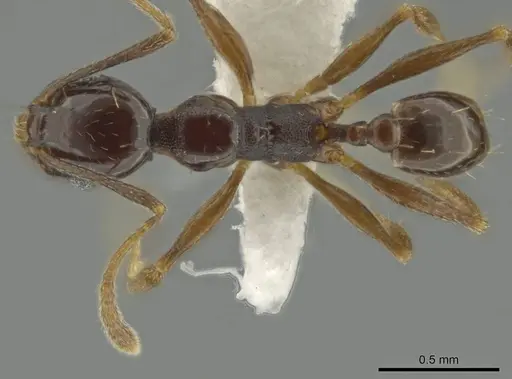
CASENT0650584
View on AntWeb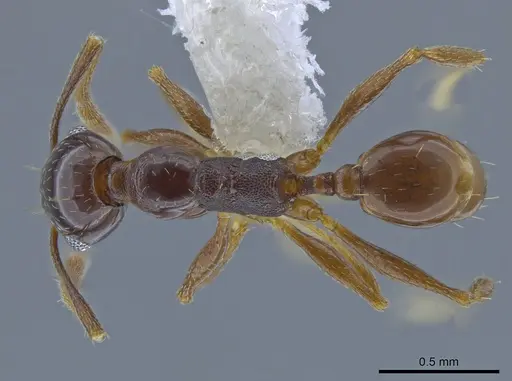
CASENT0650585
View on AntWeb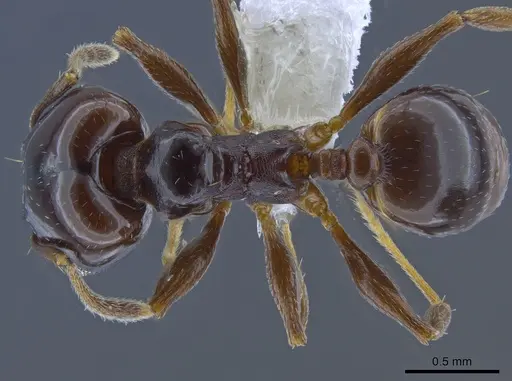
JTLC000016381
View on AntWeb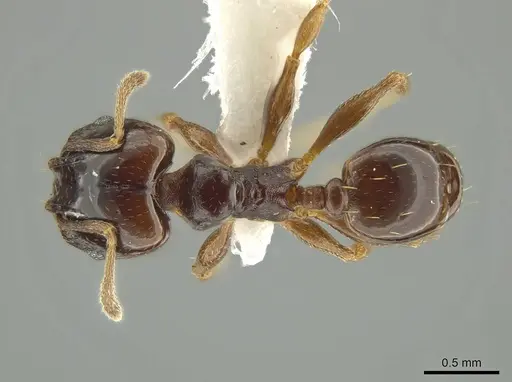
Literature
Loading distribution map...Loading products...