
Pheidole fuscula
- Sci. Name
- Pheidole fuscula
- Tribe
- Attini
- Subfamily
- Myrmicinae
- Author
- Emery, 1900
- Distribution
- Found in 2 countries
Introduction
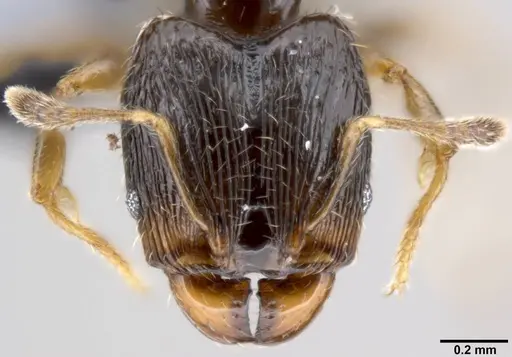
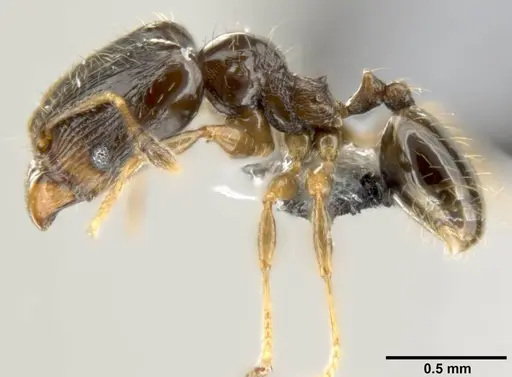
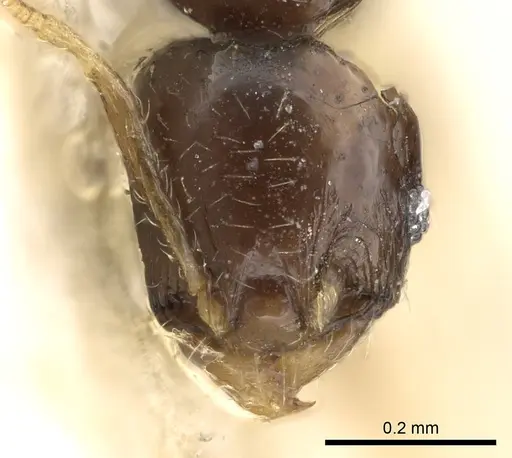
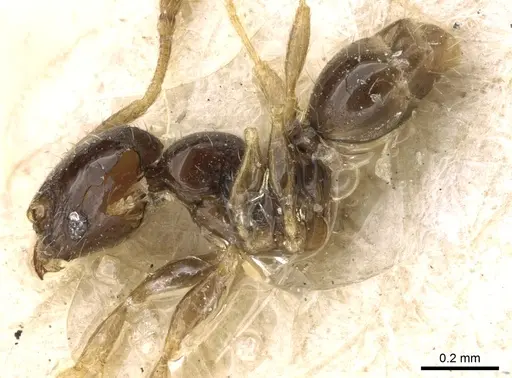
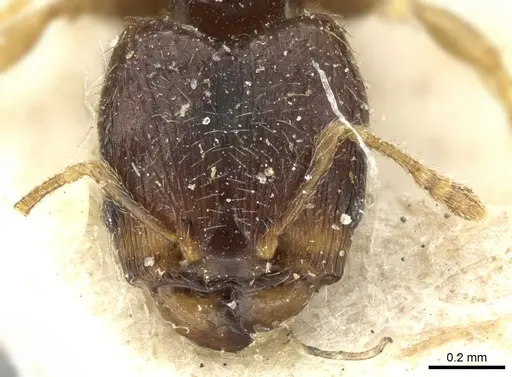
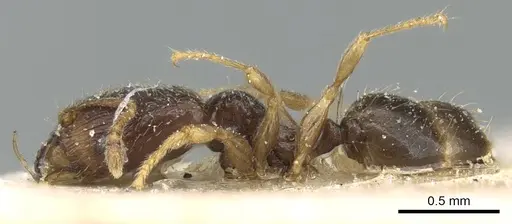
Pheidole fuscula is a small ant species native to New Guinea and the Solomon Islands, including Makira, Guadalcanal, and Ysabel . Like all Pheidole species, it has two worker castes: minor workers for foraging and major workers (soldiers) with larger heads for defense and seed processing. The species was first described by Emery in 1900 . They are tropical ants found in lowland forests, typically nesting in soil or under stones . This species exhibits the typical Pheidole colony structure with distinct minor and major workers. While specific behavioral data is limited, the genus is known for seed-eating habits and moderate colony growth .
Quick Summary
- Difficulty: Easy
- Origin & Habitat: Native to New Guinea and the Solomon Islands (Makira, Guadalcanal, Ysabel), found in tropical lowland forest habitats, typically nesting in soil or under stones [1][2][3]
- Colony Type: Based on Pheidole genus patterns, likely monogyne with single queen colonies [3]
- Size & Growth:
- Queen: ~6-8 mm, inferred from Pheidole genus [3]
- Worker: Minor workers ~2-3 mm, major workers ~3-4 mm, inferred from Pheidole genus [3]
- Colony: Up to several hundred workers, estimated from typical Pheidole colonies [3]
- Growth: Moderate
- Development: Estimated 6-8 weeks at tropical temperatures [3] (Development time is inferred from related tropical Pheidole species)
- Antkeeping:
- Temperature: Keep at 24-28°C. Inferred from tropical habitat [3]
- Humidity: Maintain moderate to high humidity. Keep nest substrate consistently moist but not waterlogged [3]
- Diapause: No, tropical species does not require hibernation
- Nesting: Naturally nests in soil or under stones. In captivity, use test tubes for founding, Y-tong nests, or plaster nests with moist substrate [3]
- Behavior: Pheidole fuscula can sting, but the sting is mild and rarely felt by humans. They are relatively calm and non-aggressive. Major workers may bite if threatened. Escape risk is moderate due to small size, ensure barriers are secure [3]
- Common Issues: tropical species are sensitive to temperature drops, keep away from air conditioning vents or cold windows, colonies may stall if humidity drops too low, monitor substrate moisture regularly, major workers are slow-moving which can give the impression of a sluggish colony, this is normal for Pheidole, seed-eating species need access to some hard foods for majors to process, offer seeds or hard protein sources, wild-caught colonies may carry parasites, quarantine and observe new colonies before introducing to existing setups
Housing and Nest Setup
Pheidole fuscula can be housed in various setups depending on colony size. For founding colonies, a standard test tube setup works well, fill the tube one-third with water, plug with cotton, and place the queen in the dark portion. Once the colony reaches 20-30 workers, consider moving to a more spacious setup. Y-tong nests work excellently for Pheidole, the narrow chambers suit their modest size, and the moist cotton reservoir maintains appropriate humidity. Plaster nests are another good option, providing the damp conditions these tropical ants prefer. For the outworld, a simple plastic container with Fluon barrier works well. Include a small water tube for drinking access [3]
Feeding and Diet
Pheidole fuscula is omnivorous with a preference for protein and seeds. In captivity, offer a varied diet: protein sources like small crickets, mealworms, or other small insects should be provided 2-3 times per week. Seeds (millet, chia, flax) are readily accepted and the major workers will process them with their powerful jaws. Sugar water or honey can be offered occasionally, though Pheidole species are not as strongly attracted to sweets as some other ants. Fresh fruit pieces may also be accepted. Remove uneaten food after 24-48 hours to prevent mold [3]
Temperature and Seasonal Care
As a tropical species from New Guinea and the Solomon Islands, Pheidole fuscula requires warm conditions year-round. Maintain temperatures between 24-28°C. Room temperature in most homes is often adequate, but monitor during winter or in air-conditioned spaces. Avoid placing the colony near windows, air vents, or exterior walls that may experience temperature fluctuations. No hibernation or diapause is required, these ants remain active throughout the year. A temperature gradient within the setup allows the ants to self-regulate their exposure to warmth [3]
Colony Development and Growth
Colony growth follows the typical Pheidole pattern. The queen will lay eggs, and these develop through larval and pupal stages to become the first workers (nanitics). This first brood usually emerges 6-8 weeks after founding at optimal temperatures. Once the nanitics emerge, the queen stops foraging entirely and the workers take over all colony tasks. Growth is moderate, expect several months to reach 50 workers, and a year or more to reach several hundred. The appearance of major workers typically occurs once the colony reaches a certain threshold, often around 100+ workers [3]
Behavior and Colony Dynamics
Pheidole fuscula displays the classic Pheidole social structure with distinct minor and major worker castes. Minor workers handle most tasks: foraging, brood care, and nest maintenance. Major workers (soldiers) specialize in seed processing, nest defense, and food storage. This species is not aggressive toward keepers, they will retreat rather than attack, and majors may simply bump into intruders as a defensive display. They are primarily nocturnal or crepuscular, becoming more active in the evening hours [3]
Frequently Asked Questions
How long does it take for Pheidole fuscula to produce first workers?
At optimal temperatures (24-28°C), expect first workers (nanitics) to emerge in approximately 6-8 weeks after the queen lays her eggs. This is based on typical Pheidole development patterns [3]
Can I keep multiple Pheidole fuscula queens together?
Pheidole species are typically monogyne, meaning one queen per colony. Multiple queens will likely fight. Only combine unrelated foundress queens if you observe cooperative founding behavior, which is rare in this genus and not documented for P. fuscula [3]
What do Pheidole fuscula eat?
They are omnivorous with emphasis on protein. Offer small insects (crickets, mealworms) 2-3 times weekly, seeds regularly for the major workers to process, and occasional sugar water or honey. Remove uneaten food after 24 hours [3]
Do Pheidole fuscula need hibernation?
No, as a tropical species from New Guinea and the Solomon Islands, they do not require hibernation. Keep them at stable tropical temperatures (24-28°C) year-round. Temperature drops below 20°C for extended periods can stress or kill colonies
What size colony does Pheidole fuscula reach?
Based on typical Pheidole species, colonies likely reach several hundred workers over several years. The exact maximum for P. fuscula is unknown, but the genus commonly produces colonies in the 300-500 worker range [3]
When should I move my colony to a formicarium?
Keep founding colonies in a test tube until they have 30-50 workers. At this point, they benefit from more space and a proper nest setup. A Y-tong or plaster nest with moisture provision works well for this species [3]
Are Pheidole fuscula good for beginners?
Yes, this species is considered easy to keep. They are forgiving of minor care mistakes, not aggressive, and have straightforward housing and feeding requirements. Their tropical temperature needs are easily met in most homes [3]
Why are my Pheidole fuscula major workers not using their large heads?
Major workers (soldiers) typically appear once the colony reaches sufficient size, often 100+ workers. If your colony is still young, you will only see minor workers. Additionally, majors may not process seeds until the colony has developed several majors and has established a seed-eating pattern [3]
What is the best humidity level for Pheidole fuscula?
Aim for moderate to high humidity. Keep the nest substrate consistently moist but not waterlogged. A water tube in the outworld provides drinking access. The nest should show some condensation but not be dripping wet [3]
Report an Issue
The current care sheet is based fully on literature. See inconsistencies, or something that's incorrect? Please , it will be resolved after review from an admin. Contributing to the blogs tab also helps providing information, to make us be able to further improve the caresheets. Thank you for your support!
References

This caresheet is licensed under CC BY-SA 4.0 .
Community Blogs
CASENT0219474
View on AntWeb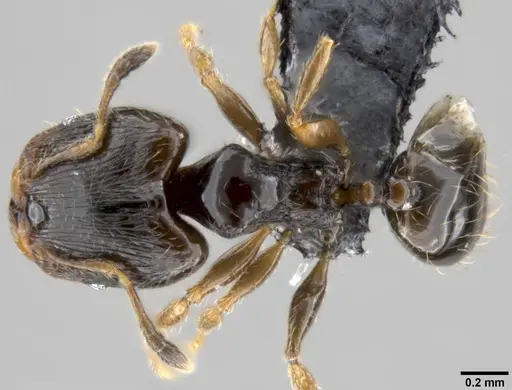
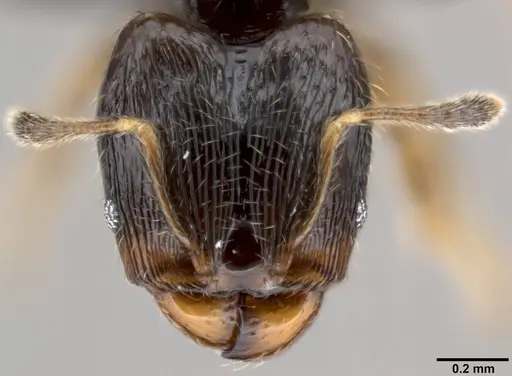
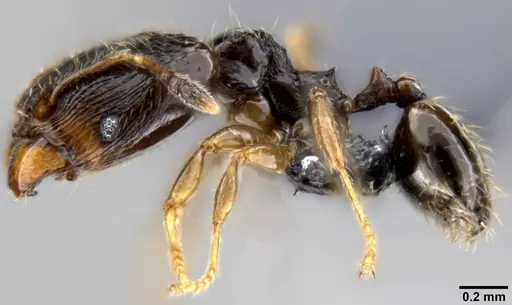
CASENT0219476
View on AntWeb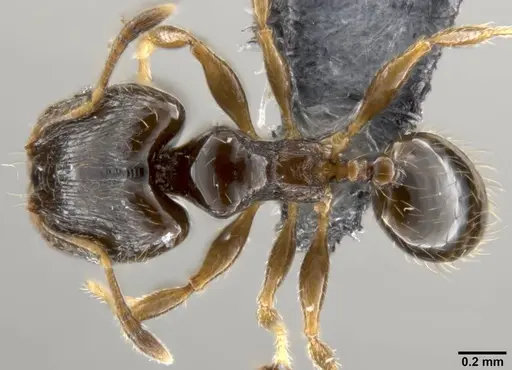
CASENT0219492
View on AntWeb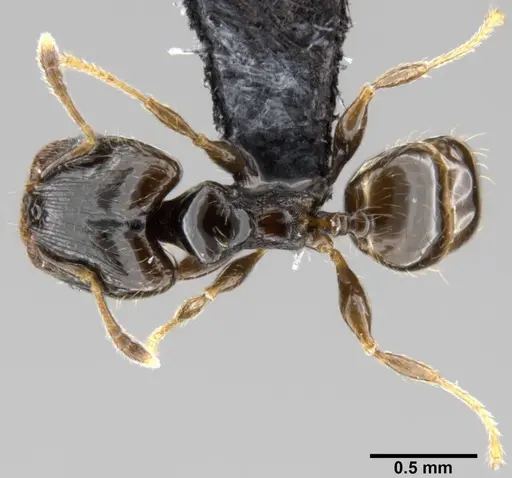
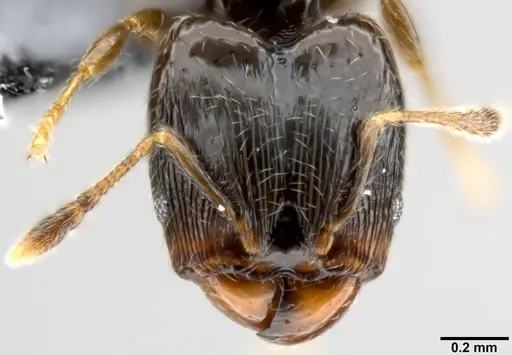
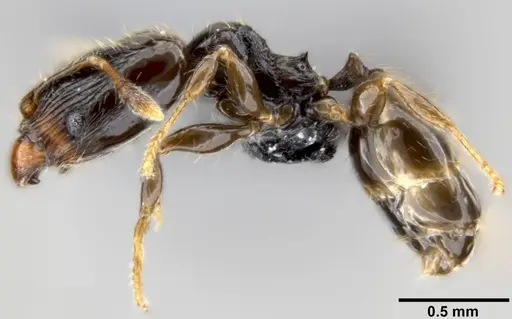
CASENT0282525
View on AntWeb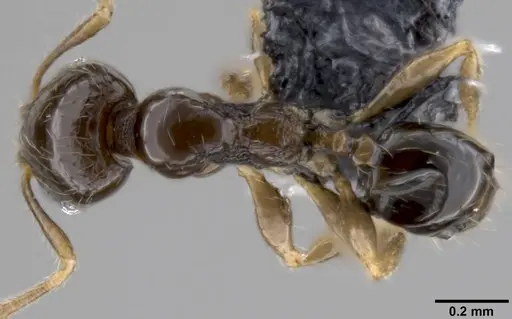
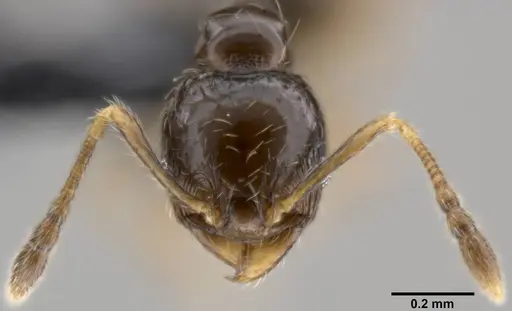
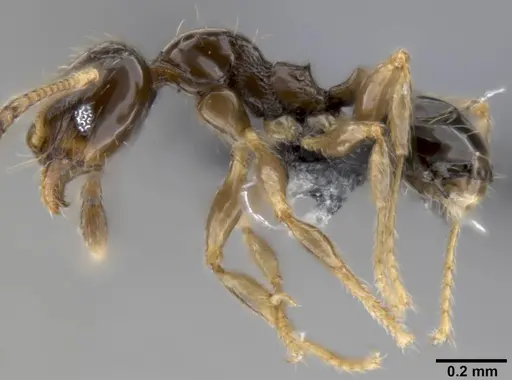
CASENT0282560
View on AntWeb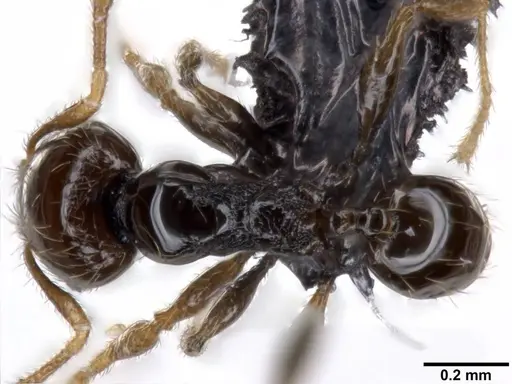
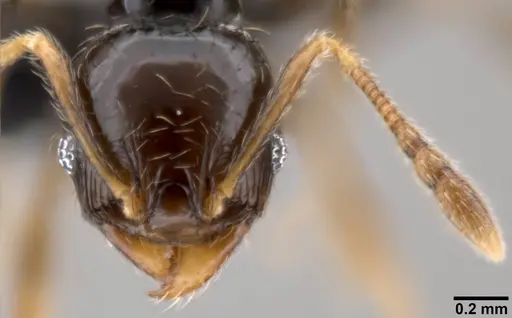
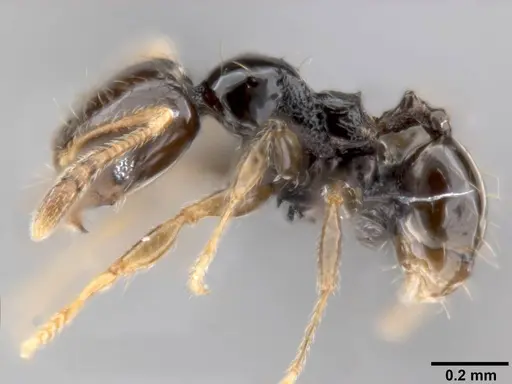
CASENT0282561
View on AntWeb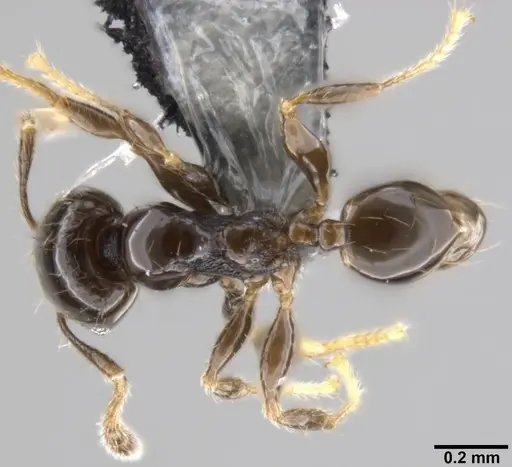
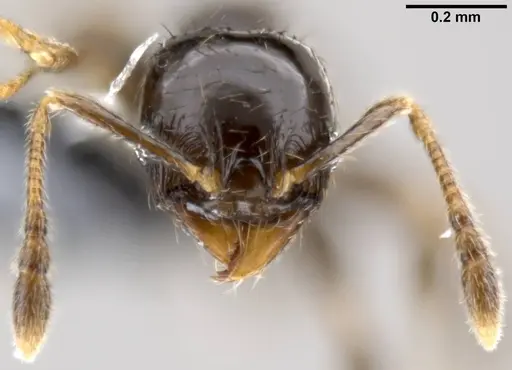
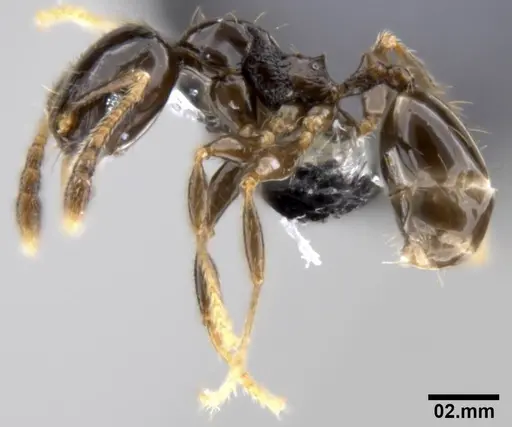
CASENT0904295
View on AntWeb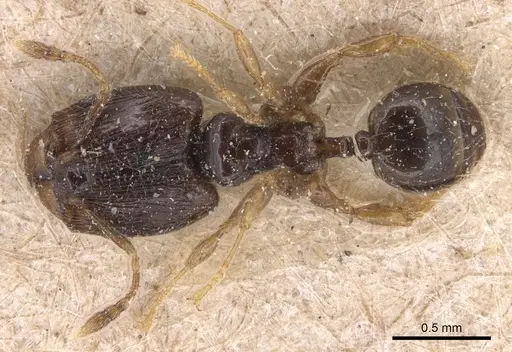
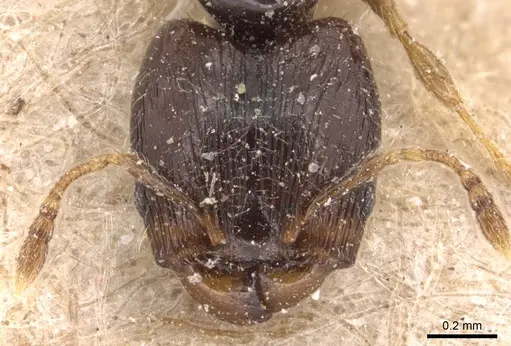
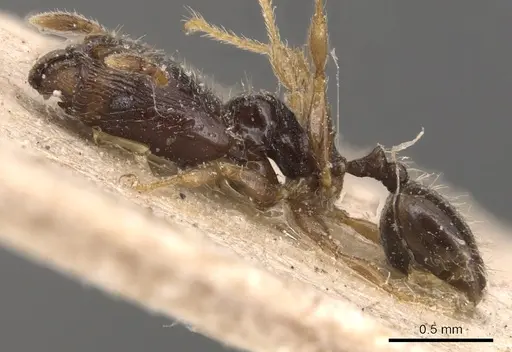
CASENT0904296
View on AntWeb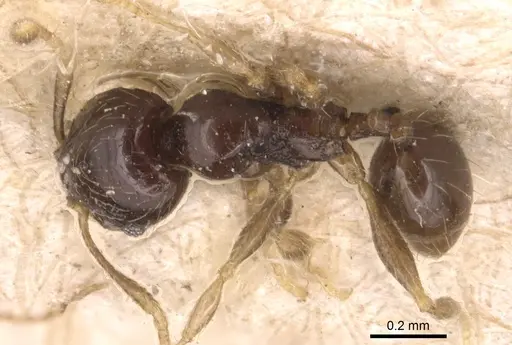
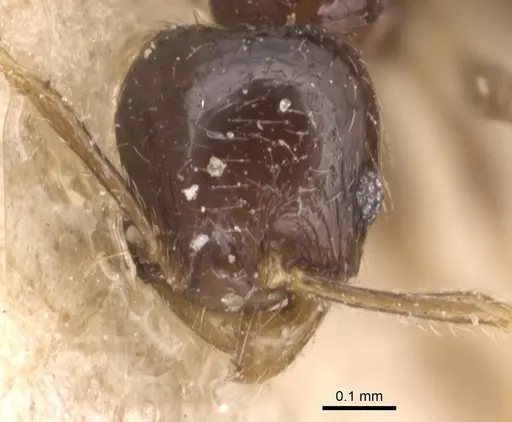
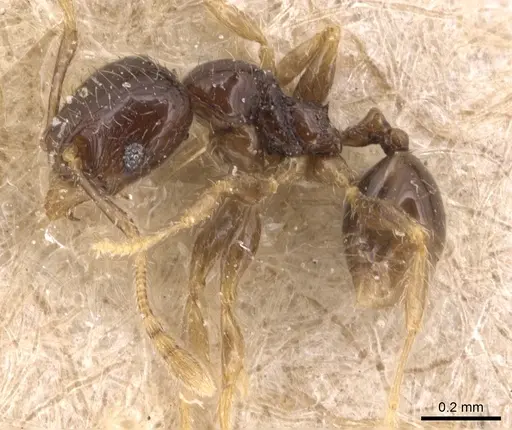
CASENT0906637
View on AntWeb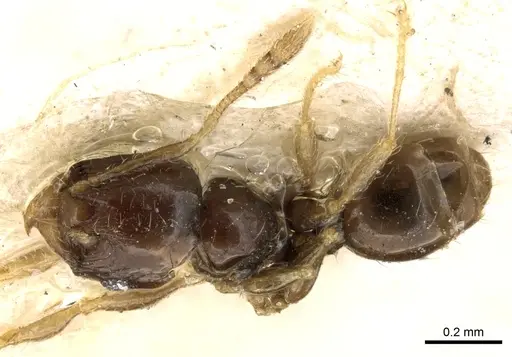
CASENT0906638
View on AntWeb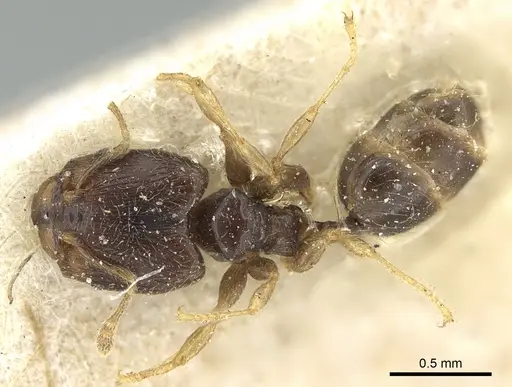
Literature
Loading distribution map...Loading products...